Cal Poly opens new center for Latinx students: ‘An incredible move forward’
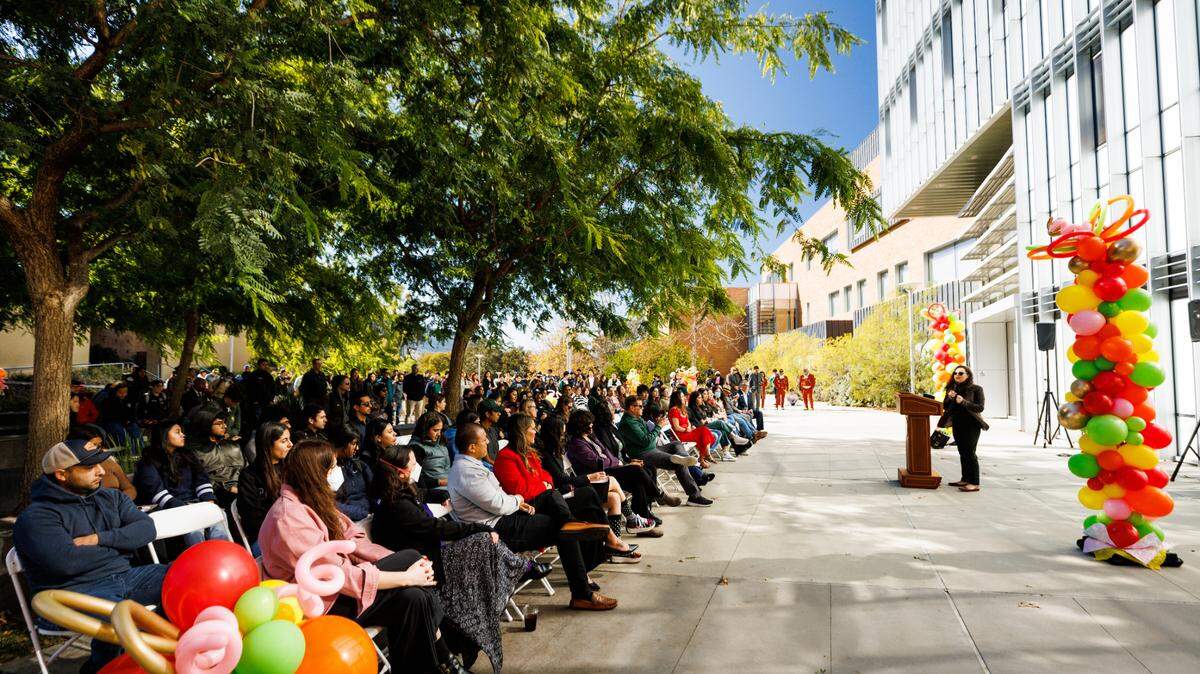
Cal Poly has opened a new cultural center on campus to specifically welcome Latinx and Hispanic students.
The university held a grand opening for La CASA, or the Latinx/e Center for Academic Success and Achievement, on Thursday.
Latinx or Latine are different ways of saying Latino or Latina. By putting “x” or “e” at the end of the group’s name, it removes the gender to become more inclusive.
Cal Poly’s Student Diversity & Belonging Department has seven other cultural centers or programs for students, three of which are focused on gender and sexuality while the remaining four focus on race and ethnicity.
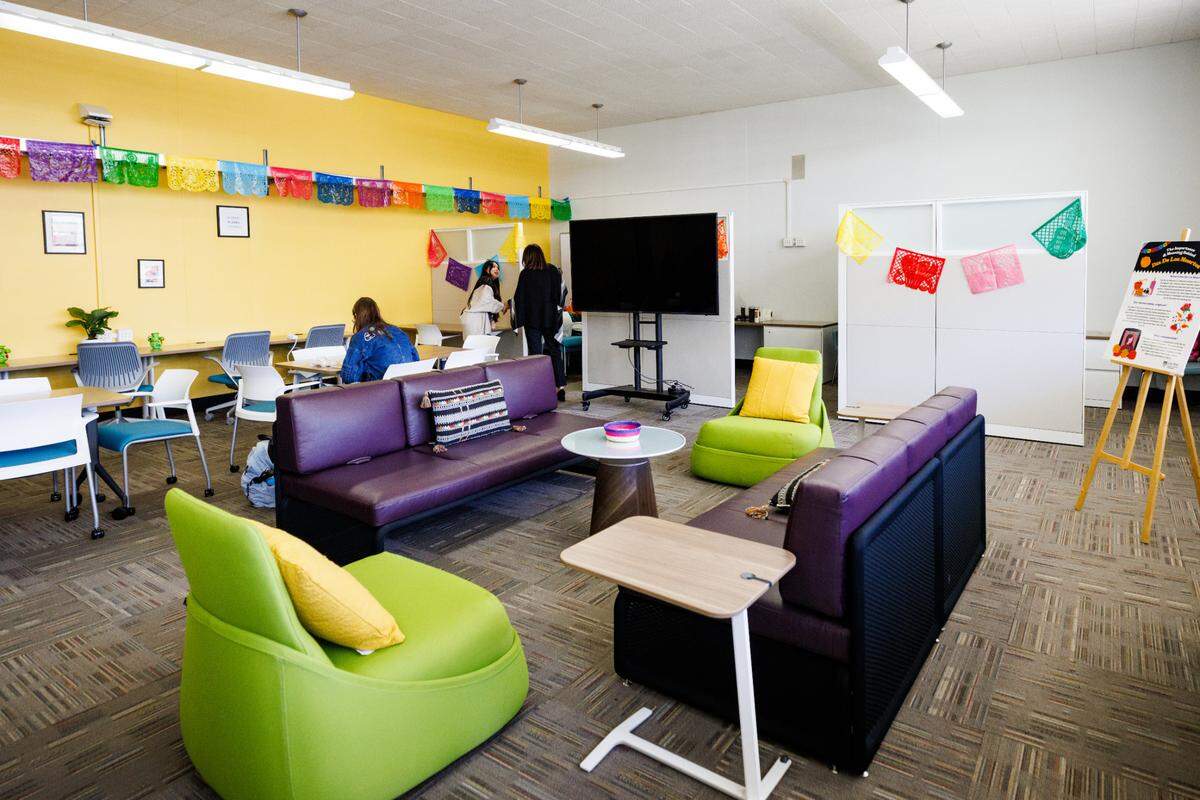
La CASA is housed in the university’s Science Building and features a computer lab and lounge space. It also will host culturally relevant workshops and collaborative programming, according to the university.
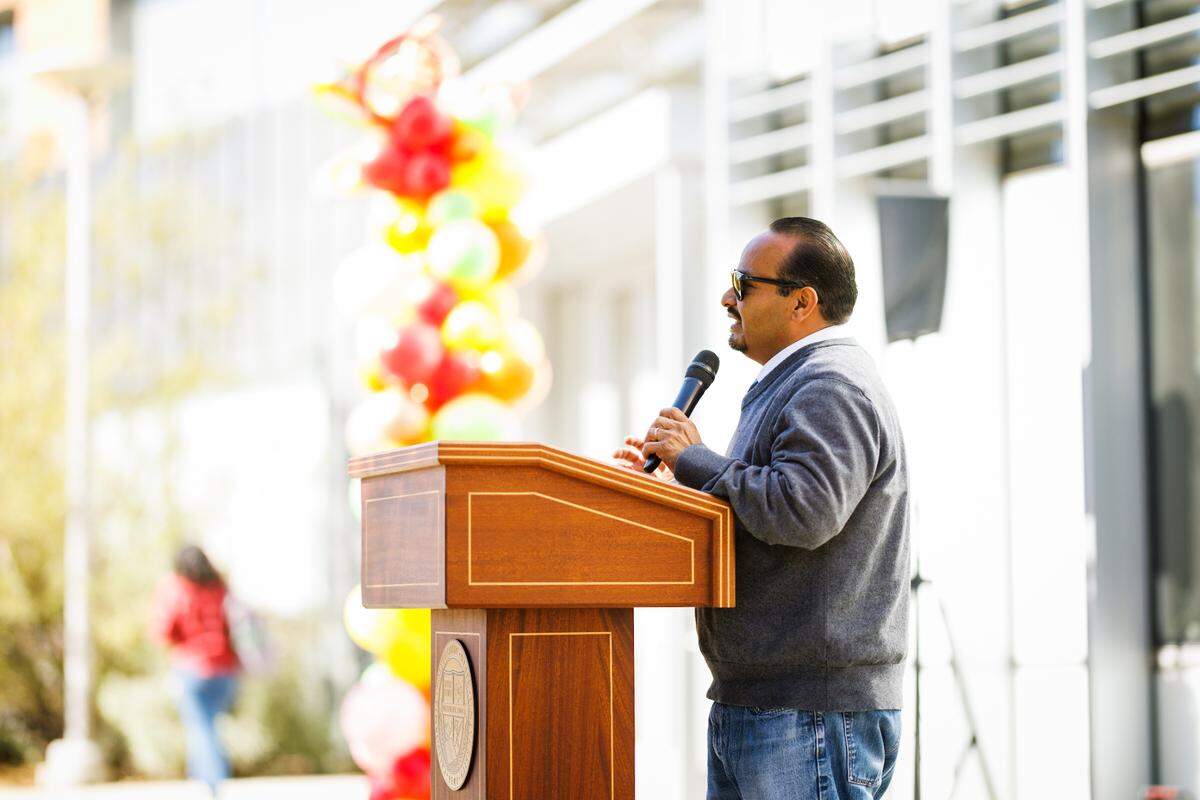
Adding La CASA to campus is “an incredible move forward for the university,” said ethnic studies associate professor José Navarro. “It certainly helps build the infrastructure for Latinx and Hispanic students on campus.”
Navarro noted that the new center is one key piece of the puzzle that Cal Poly must accomplish to becoming a Hispanic Serving Institution, or HSI.
To become an HSI, at least 25% of Cal Poly’s undergraduate student body must be Hispanic and at least half of its total student body be low-income according to the Higher Education Act. Federal designation as an HSI would mean the university could qualify for more funding from the government to serve the students.
Cal Poly and CSU Maritime are the only non-HSI campuses in the CSU system.
“This is certainly a celebratory moment,” Navarro said of Cal Poly adding La CASA. “But we need to also acknowledge that there’s still a long way to go for Cal Poly to really reflect the state and to fully serve all its students.”
Cal Poly has long been known as the whitest California State University campus. Despite its fiduciary responsibility to serve the whole state of California, the university consists of mostly white students who can afford the pricey “Learn by Doing” education if offers.
To put it into perspective, California’s population is 39.4% Latino, 34.7% white, 15.1% Asian, 5.4% Black and 1.6% Native American, according to the latest data from the U.S. Census Bureau.
Cal Poly’s 2021 student population, on the other hand, was 53% white, 19.4% Latino or Hispanic, 13.5% Asian, 0.7% Black and 0.12% Native American, according to university data.
The latest incoming class of freshmen — which the university has said is its most diverse ever — may have shifted those statistics, but the university has not yet released its overall enrollment demographics.
Students have said that the lack of diversity at Cal Poly means racist incidents occur too often on campus, and students of color told The Tribune that they feel isolated and unwelcome at times.
In a four-part series published in January examining Cal Poly’s lack of diversity, The Tribune found that students, faculty and staff felt that one thing the university could do to help students feel more welcome on campus was to establish more cultural centers, clubs and programs.
La CASA is the latest example of the university’s efforts toward adding cultural centers to help improve campus culture and improve student body diversity. Cal Poly’s Native American & Indigenous Cultural Center opened in October 2021, joining other previously established centers on campus dedicated to Black, undocumented and LGBTQ students.