
Trial for man accused of murder in stabbing at Shandon party heads to jury
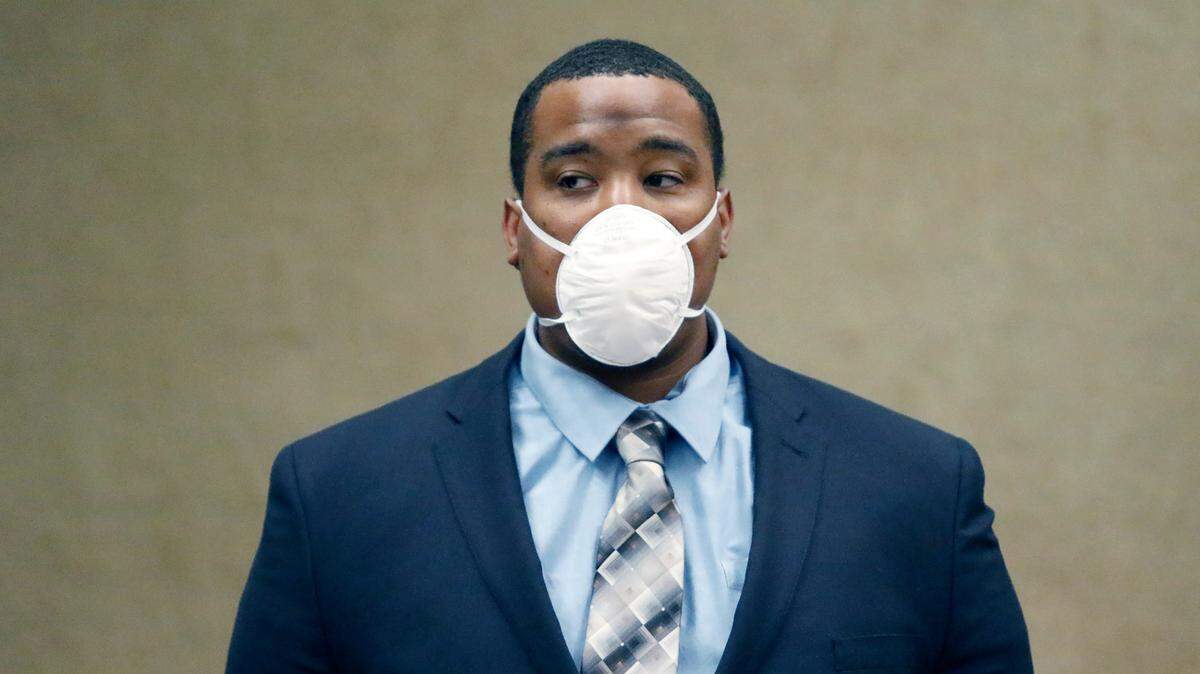
The murder case involving a 29-year-old North County resident who allegedly stabbed a Paso Robles man to death at a Shandon party in 2019 is now in the hands of a jury after lawyers made closing arguments all day Wednesday.
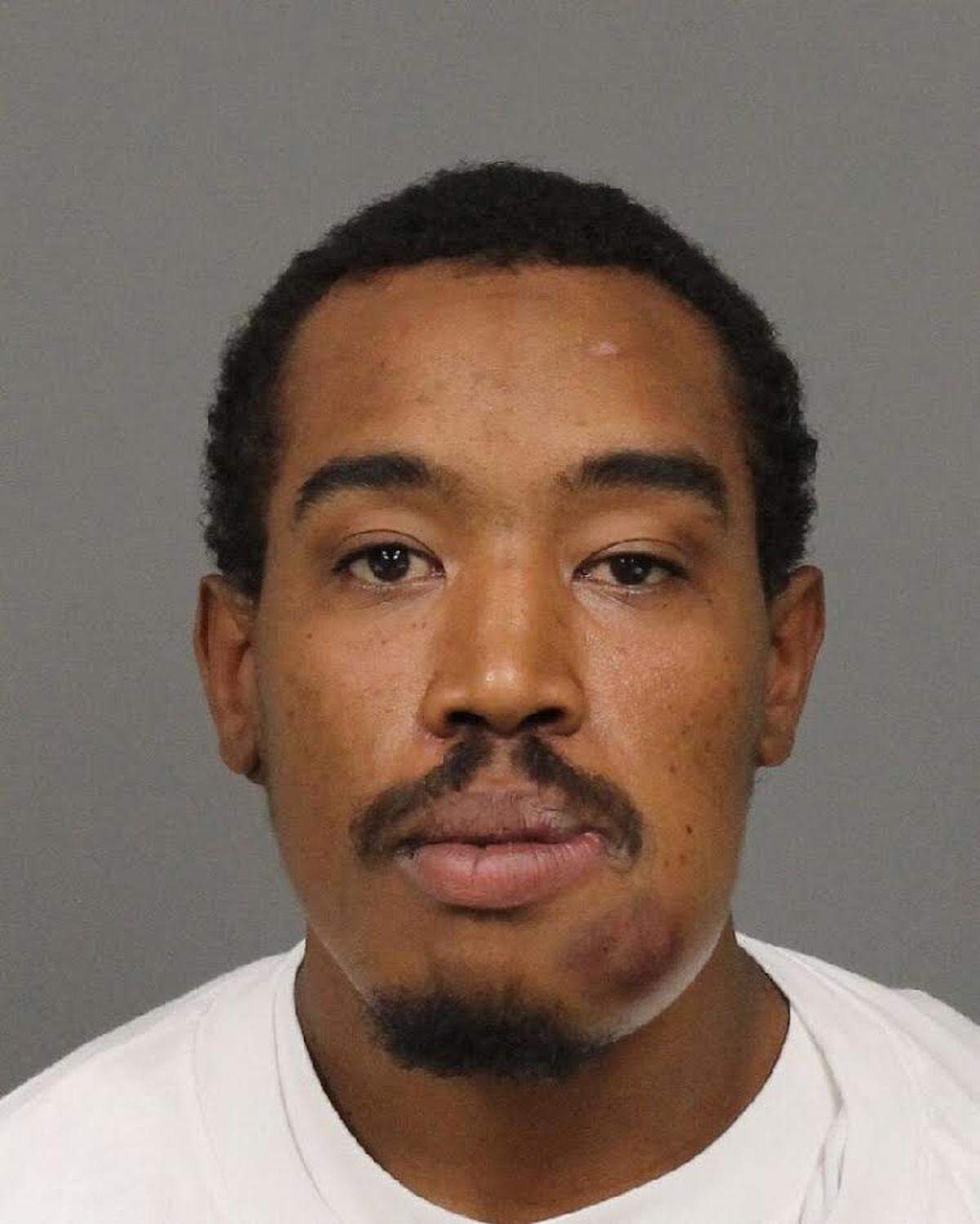
According to witness testimony in the case, Kejuan Guy Bynum of Atascadero was staying at a residence in Shandon when he repeatedly challenged 23-year-old Christopher Vento Wilson to a fight while both attended a house party on the afternoon of June 1, 2019.
A motive for the incident remains unclear, though a woman at the gathering, Amanda Portney, testified early in the trial that Bynum was obsessed with her after a brief sexual encounter and called him jealous and enraged.
Bynum told Wilson to come outside the home after he’d seen Portney and Wilson talking and interacting at the gathering, Portney said.
That’s where Bynum threw the first punch and later stabbed Wilson multiple times after the fight was briefly broken up, according to witnesses.
In seeking a first-degree murder conviction, Deputy District Attorney Delaney Henretty said Bynum showed deliberation and a “conscious disregard” for human life.
Defense attorney Scott Taylor, however, countered in his closing arguments that his client may have blacked out due to extreme intoxication and likely suffered a concussion that altered his judgment after Wilson landed a blow to his jaw that swelled Bynum’s face.
Taylor cited “unintended consequences,” making the case for a reduced penalty of involuntary manslaughter.
The jury will consider potential penalties of first-degree murder, second-degree murder and involuntary manslaughter, and whether Bynum used a deadly weapon.
Prosecutor contends ‘goal-directed behavior’
After challenging Wilson to a fight about “every 15 minutes throughout the day,” before 5 p.m., Bynum threw the first punch in the yard, followed by Wilson landing a punch to Bynum’s jaw in “self-defense,” Henretty said.
That led to Bynum and Wilson crashing through a fence dividing the yard from the adjacent property, and Portney said she and the neighbor had to pry Wilson out of Bynum’s headlock grasp.
Henretty said testimony from the nearly monthlong trial showed that after the first scuffle was broken up in a side yard, Bynum then collected a knife and attacked Wilson in the front yard of the property, piercing his temple, heart and shoulder area while hiding the blade in his hand, the prosecutor said.
“Chris Wilson didn’t want to fight,” Henretty said. “He just wanted to have fun with his friends that day. The defendant pursued a violent confrontation all day. ... He made a conscious choice to kill.”
Bynum flees from scene
Henretty contends that Bynum then fled from the scene to try to avoid police.
Bynum was captured in neighborhood surveillance video running and then walking through Shandon High School, then fleeing as a passenger in a friend’s car as police searched for him.
Bynum admitted the crime to his mother on a phone call overheard by sheriff’s investigators saying “he stabbed that n----- three to four times.”
His mother, who worked at a Paso Robles convenience store, told him during a phone call recorded by police that he needed to “man up” and face consequences, adding she hoped to get him to Los Angeles.
Henretty also pointed to photos taken of Bynum’s hands that show a linear cut across the right hand, arguing that Bynum concealed the knife while throwing punches at Wilson with the intent to kill.
“He was aiming for his heart and his chest, guiding the blade to vital areas of the body,” Henretty said.
Henretty said he showed ”goal-directed behavior” in pursuing Wilson.
Bynum asked his mother in the phone call to find out how Wilson was doing, and admitted to friends that he’d fought with Wilson, adding during that time he “didn’t seem confused” or disoriented by intoxication or concussion symptoms, Henretty said.
“He was telling people what he did all along the way (after the incident).”
Henretty cited language Bynum used during the fight and after that was reflective of gangster rap lingo.
But Henretty made it clear Bynum was not in a gang, adding his message was that he wanted respect and not to allow “little homie to get one over on him.”
“This is not an involuntary manslaughter case,” Henretty said. “This was deliberate. He was aware of the risk when he attacked Christopher Wilson that day.”
Defense argues lack of intent
But Taylor said that his client had no reason to kill Wilson, as they were friends and had no history of animosity.
The defense attorney said evidence showed his client had a blood alcohol level that was estimated to be around .255%, more than four times the legal driving limit, according to an expert witness, a doctor, who assessed a urine sample taken hours after the incident.
Taylor also said Wilson’s blow to Bynum’s jaw, which witnesses said stunned him for a handful of seconds, likely contributed to a “brain contusion affecting critical thinking,” causing swelling in his face.
Taylor said video surveillance showed inappropriate emotional behavior consistent with someone who had a concussion, such as Bynum laughing and joking with a deputy after his arrest.
“There’s only one conclusion,” Taylor said. “(Bynum) had no capability to have intent. ... If he has a concussion, he has no implied malice.”
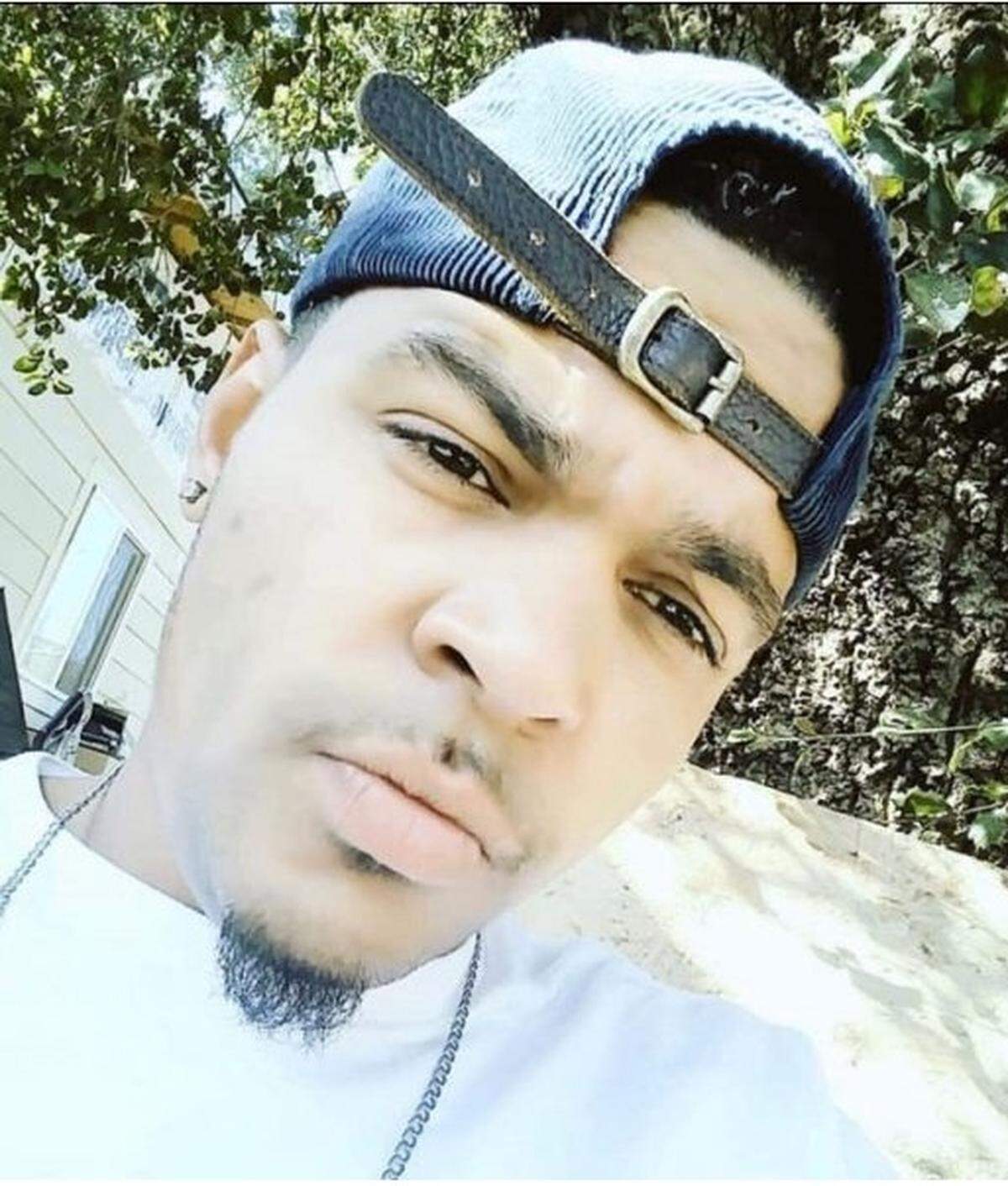
Taylor also pointed to inconsistencies in witness testimony, such as Wilson’s friend Trevon Perry, who said that five to 10 minutes passed between the first scuffle and when Bynum stabbed Wilson.
Other witnesses estimated a shorter period of time, showing that the prosecution’s case of deliberation isn’t clear, Taylor said.
Perry, who was later shot to death in the head in a separate incident in March 2020 that hasn’t been connected in court hearings with this case, also initially said he didn’t know the man who attacked Wilson, before later identifying Bynum during a preliminary hearing.
Taylor said that witness inconsistencies are at the “center of the story.”
This story was originally published November 3, 2021 at 7:24 PM.
%20Cropped.jpg)