From flowers to pollen: Get ready for a golden glow over SLO County this spring
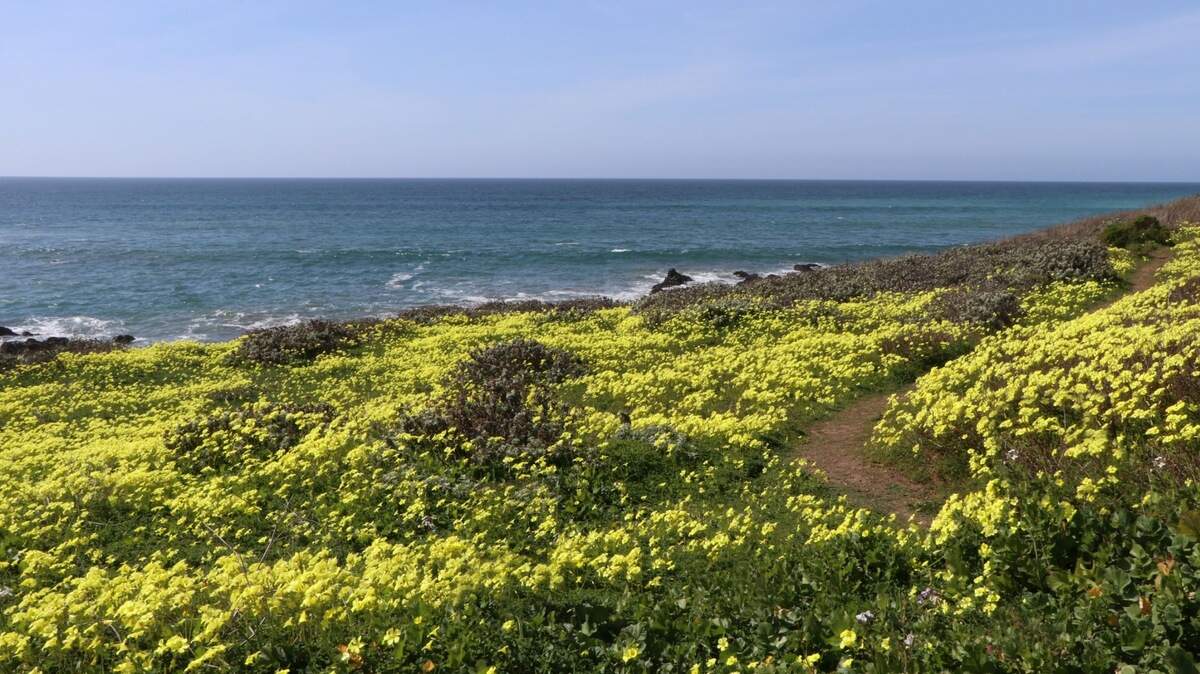
If you hear someone humming the “Mellow Yellow” song or declaring to a friend “there’s gold on them thar hills” these sunny days, they could be describing a seasonal occurrence that blankets most of the county every spring.
It’s yellow.
Sprightly blooms of the perennial oxalis weed are waving in the breeze everywhere, especially in coastal areas. They spatter paint meadows and roadcuts, backyards and narrow strips of ground.
The bright flowers spread cheerfully vivid colors of sunshine, school buses, egg yolks and lemons, Big Bird and rubber duckies.
The blooms shimmer and glow in the breeze, mimicking a fashionista’s designer lame dress worn as they strut across the red carpet.
In San Luis Obispo County, oxalises usually pop out of the ground at about this time of the year, giving our county its own St. Patrick’s Day pots o’ gold.
But don’t dawdle: With hot days predicted, the display could be as fleeting as an Irish rainbow. Warm days are ahead, and oxalises droop as quickly as the hillsides turn brown.
While they’re here, oxalises are welcome smiles on stems … unless you’re trying to eradicate them from your garden. As Texas horticulturalist Neil Sperry wrote on the invasive weed, they’re either “beloved or behated.”
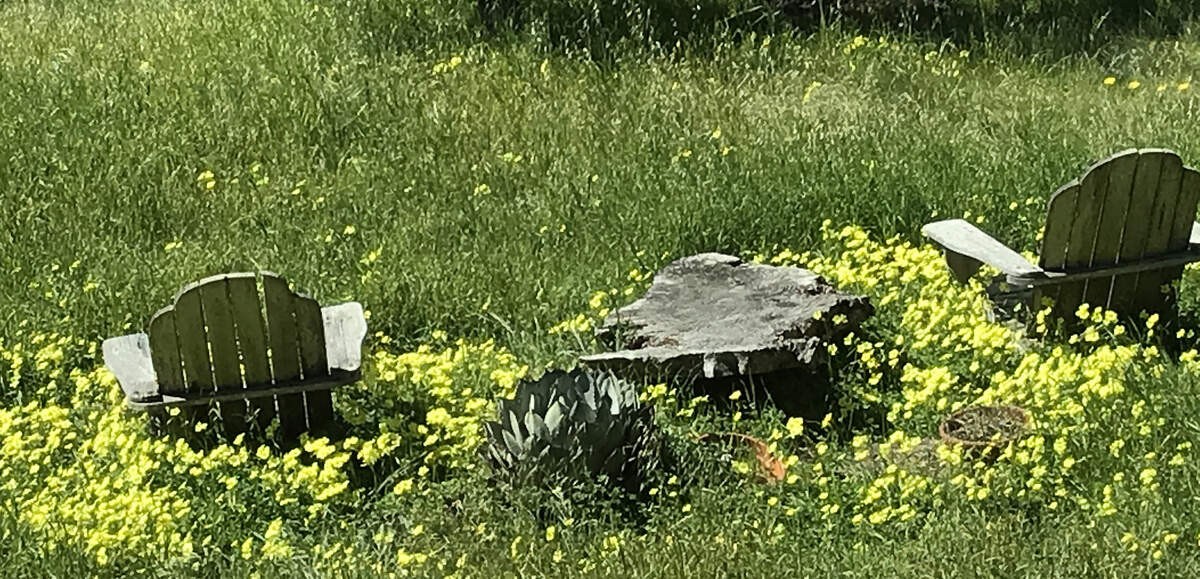
The perky oxalis blooms and their sister yellow plants beam rays of gold into our gardens and on the hillsides, although the oxalis does wrap up its vivid, clover-like leaves to tuck itself in for the night, or even on a cloudy day.
Oxalis is also known as wood sorrel, yellow sorrel, sour or lucky clover, false shamrock (because of the shape of its leaves) and the sillier-sounding names of pickle plant and sourgrass.
The latter moniker is especially familiar to those of us who plucked the flowers and sucked on the stems to savor the lemony, appley flavor. The blossoms are edible, too.
But, much to our dismay, we often learned too late that oxalises are like crabapples: Your tummy could regret it if you eat too many.
The golden effect isn’t just from oxalis, though.
There are daffodils, some of the orchid blooms that surprise me when they open up unexpectedly in my garden and the many calendula field daisies that deer love to eat in our meadow.
The ruminants stride slowly through the field grasses and weeds that are now up to their bellies. The deer gracefully bend down to delicately pluck the daisy blooms with their teeth, like a socialite nibbling a caviar tart.
Some tulips, pansies, freesias and poppies are yellow, too.
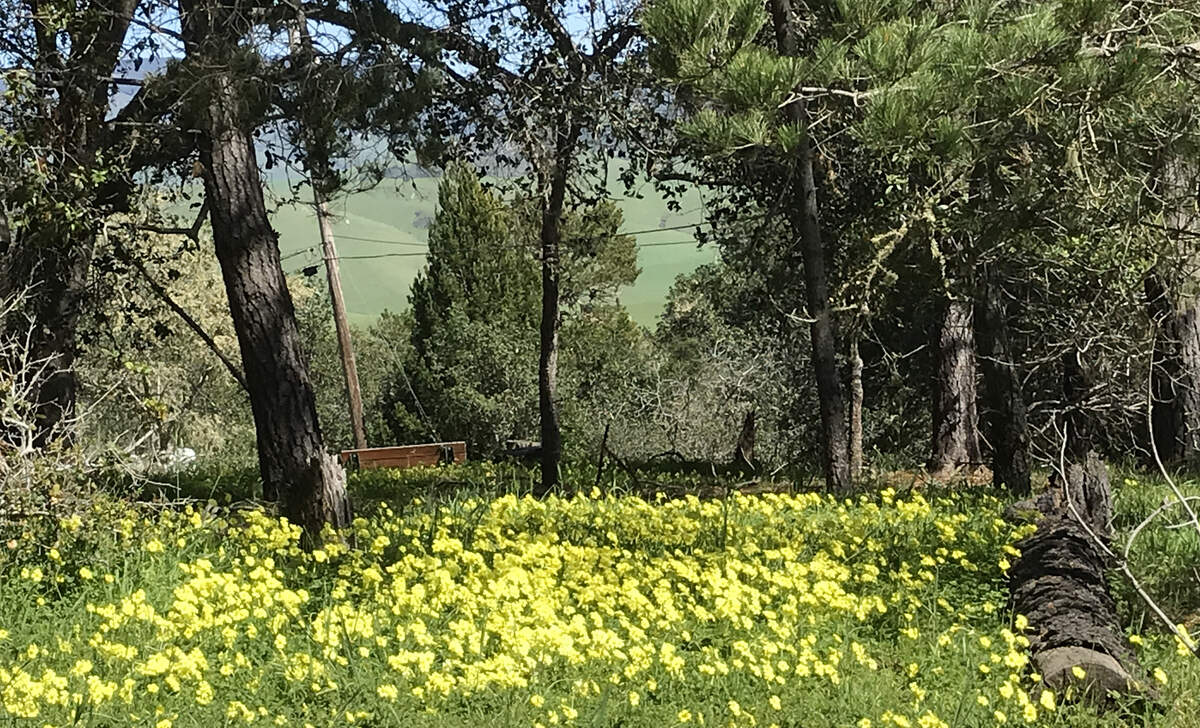
So are many springtime wildflower and shrub blooms of my childhood back East (forsythia and honeysuckle) and teenhood in the Mountain States (yellow bells and wallflowers).
Sure, there are other rainbow colors in our flora Crayon box. However, the yellow is everywhere from Cambria’s Fiscalini Ranch Preserve to Carrizo Plain and Death Valley, with the latter reportedly having its best super bloom in a decade.
But yellow has a dark side, too.
As the newly launched Daylight Saving Time zone slides us into spring March 20, we’ll be faced with yet another prolific bloomer, one that grows tall and shares its flowers (and pollen) for months: wild mustard.
Speaking of pollen (aaaachoo!), here in Cambria, we’re awaiting the annual deluge of yellow in the form of pine pollen.
Monterey pine pollen’s waxy coating supposedly prevents humans from allergy attacks from it, at least according to allergists I’ve consulted.
They say the pine’s yellow wave often gets blamed for seasonal sneezes and sore throats about now. That’s probably because the tall trees shed their dusty yellow spores at about the same time some other, more sneeze-triggering pollens coat our vehicles, driveways and decks, and subsequently wind up in our noses.
Think weeds, sycamore, oak and my personal nemesis, acacia.
Allergies or not, if you’re feeling down or stressed or sad or frustrated, first smile to yourself (it helps, really it does!).
Then carve out some time for a walk or a drive looking for some of SLO County’s springtime fields of gold and yellow. You won’t have to search for long.
I hope doing so can lift your spirits the way it does mine.