‘All doing this crazy thing together.’ How J. Lohr grew into an icon of CA wine
AI-generated summary reviewed by our newsroom.
- J. Lohr (Paso Robles, San Jose and Greenfield), is 15th largest U.S. winery.
- U.S. tariffs, especially for Canada, led to a 15% drop in J. Lohr’s wine sales.
- Founder Jerry Lohr, 89, stays active in winery. His three children co-own, run the firm.
How has a South Dakota farm boy and star athlete succeeded in three major California careers, including his latest as the founder and patriarch of what’s now one of the largest wineries in the United States?
It’s all about strong ties to family, the employees and the land, according to Lawrence Lohr, youngest son of J. Lohr Vineyards & Wines founder Jerome “Jerry” Lohr.
“It’s very rewarding, and an honor to carry forth the legacy here as the child of an icon,” Lawrence said. “We’re so amazed by what he’s been able to carry forward, but there still so much work yet to be done.”
As the firm goes into its 52nd year, J. Lohr has wine centers and production facilities in its base areas of Paso Robles, Monterey County and San Jose, all areas that Jerry Lohr determined had the soils needed to grow the grapes he wanted for his wines.
After all, he holds a master’s degree from Stanford in soils engineering.
The firm sold 1.32 million cases of wine in 2025 — or about 20 million bottles — and Lohr’s Estates Seven Oaks cabernet sauvignon is the No. 1-selling Paso Robles cabernet sauvignon across the country, according to Steve Lohr, the firm’s president, CEO and Jerry’s eldest son.
That’s despite President Donald Trump’s worldwide tariffs, the international reaction to which dealt a major fiscal blow to J. Lohr and other wineries.
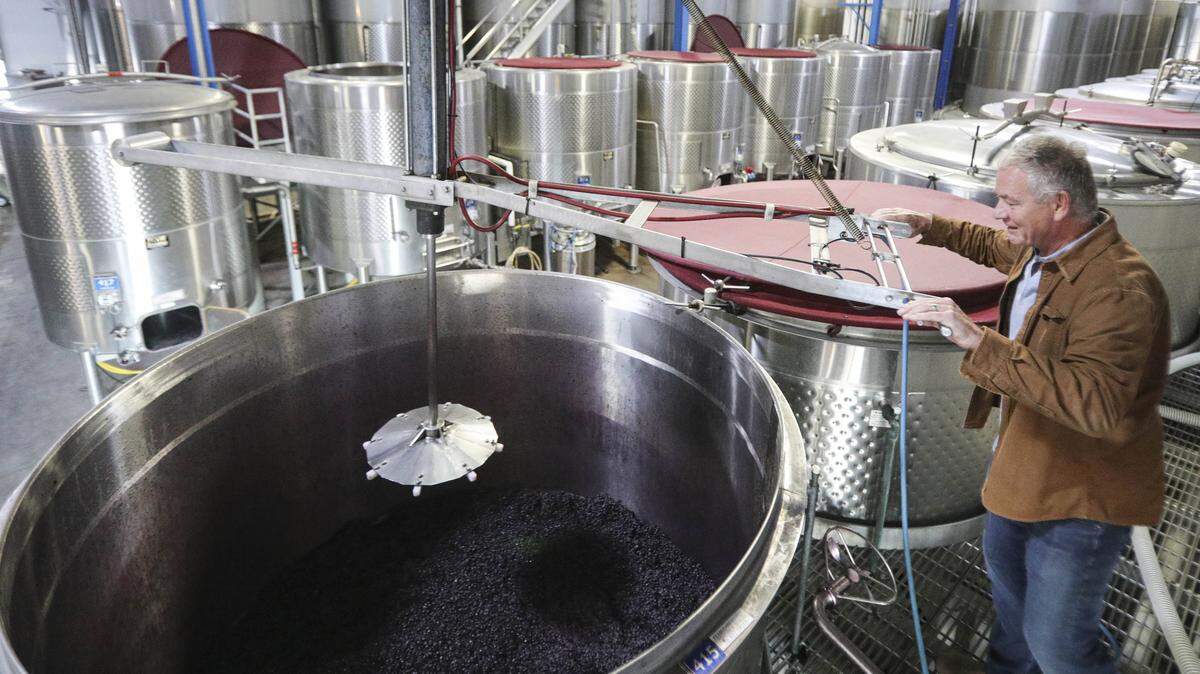
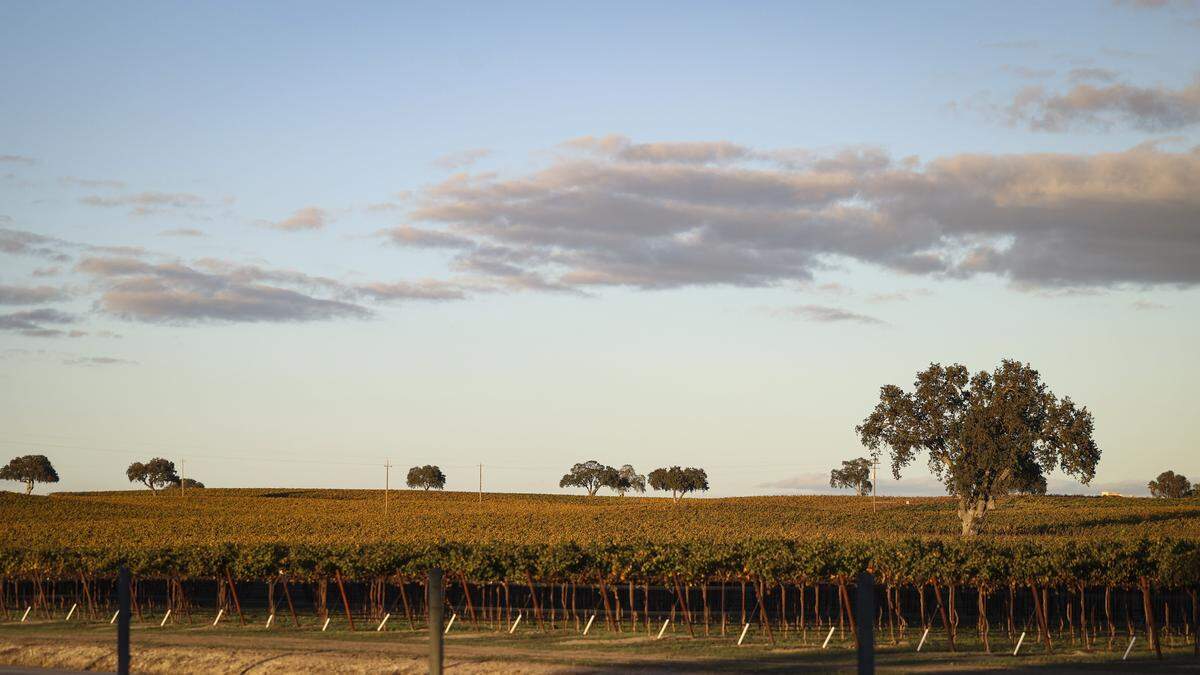
J. Lohr owns and raises its grapes on about 4,000 estate acres across American Viticultural Areas in Paso Robles Arroyo Seco and Santa Lucia Highlands in Monterey County and St. Helena in Napa Valley.
The firm grows more than a dozen different grape varieties and creates many different blends, but Paso Robles “cabernet pays the bills,” Jerry said of the product of 2,230 acres planted with cabernet sauvignon.
About 75% of J. Lohr wine is sourced and produced in Paso Robles, where there’s an annual crush of about 20,000 tons of local grapes.
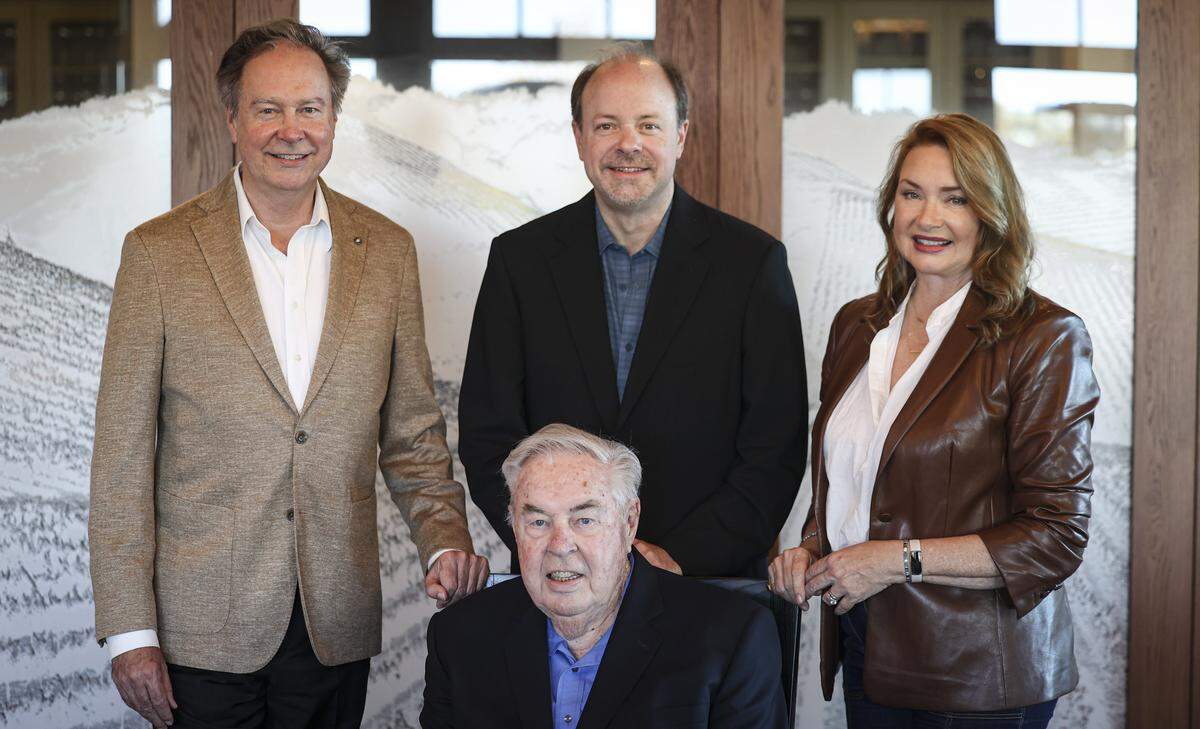
In separate interviews with The Tribune, the four Lohr family executives who run the firm looked back on the business’s legacy, what it’s like to work so closely and successfully with relatives and how they’ve made it work through boom times and bust.
In some cases, it’s like making prime situational wine out of sour-grape circumstances, like when pandemic restrictions shut down tasting rooms, and the Lohrs used the closure to remodel the Paso Robles Wine Center.
But other times, it’s about faith in and dedication to their product, teamwork and respect for each other, their employees, the land and their customers.
“Being stewards of the land, farming, strength of relationships, paying attention to the people you work with,” Lawrence said. “All doing this crazy thing together, growing grapes.”
J. Lohr family is the heart of the multi-million-dollar firm
It would be severely understating the situation to say the 52-year-old firm is family run.
Its execs are patriarch Jerry Lohr, 89, and his three children, Steve, Cynthia and Lawrence Lohr.
Each of the three in the second generation, who co-own the firm now, grew up in the vineyards and started early working for J. Lohr.
However, following their dad’s strong advice to go to college and try different things, the siblings each branched out into separate careers before rejoining the family firm in 2002 and 2003.
It’s been full speed ahead ever since, with each of them having a specialty they brought back to J. Lohr.
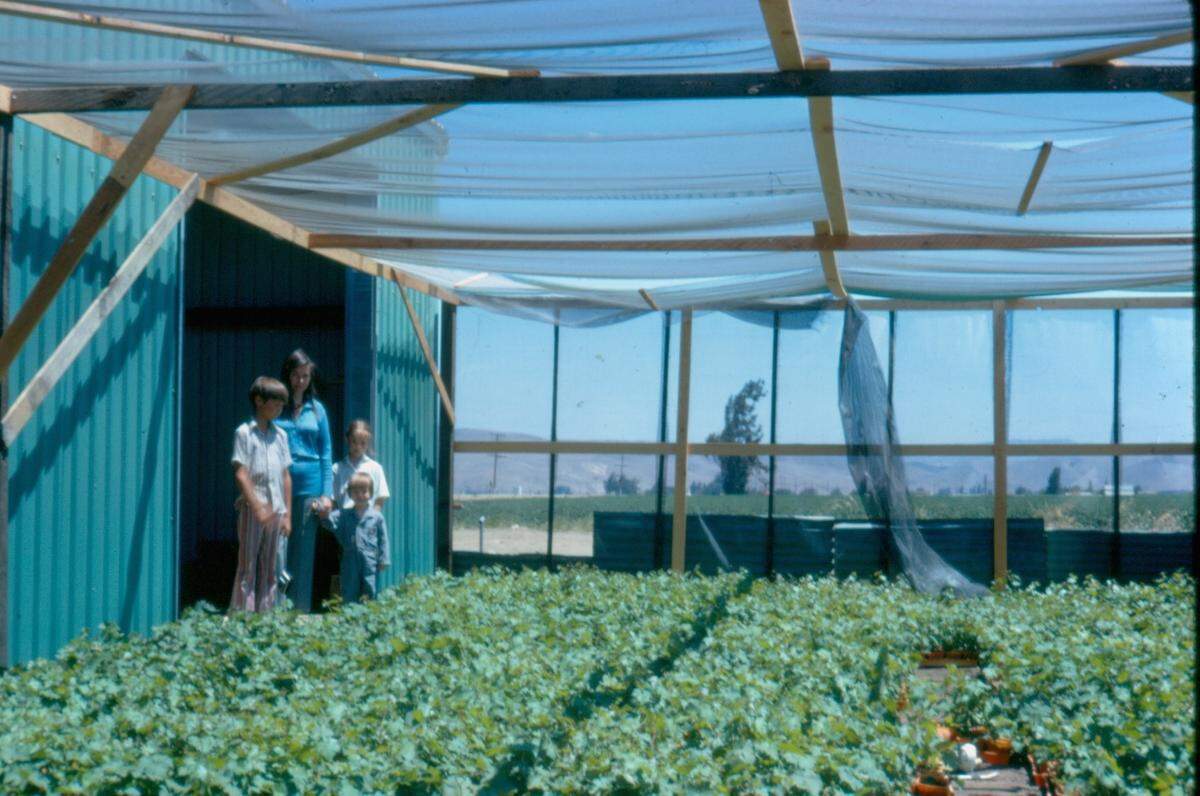
The eldest Lohr son, Steve, was 10 when he helped his dad plant grape vines at the vineyard near Greenfield in what later would become the firm’s first vineyard. He’s 64 now.
Steve has been with J. Lohr to some extent ever since, but for 20 years, his specialties were not limited to vines or wines.
Instead, relying on the diverse training he got working at his dad’s successful home-building company, Steve ran his own construction firm and built high-end, custom homes on the San Francisco Peninsula for those two decades.
His dad describes him as a natural leader, “very low-key, very calm, good at handling meetings, a good listener and respectful of people.”
Cynthia Lohr, 61, is the firm’s chief brand manager who heads up the firm’s marketing and communications.
“She leads all things marketing and brand storytelling,” Steve said.
Her earlier professional journey was communications in the area’s fast-growing technology sector and PR firms, where she was instrumental in taking Alexa International from inception to its acquisition by Amazon.
“I see myself as more a business strategist, and I really love that,” she said. “It excites me how brand management affects the bottom line. How departments can work together holistically to benefit the business.”
She added with a laugh: “My current domain is vital, but I’m always poking into the other departments.”
She’s a “concept creator and an energizer bunny” who’s very outgoing and “keeps the engine cool,” according to her dad.
Lawrence Lohr, the youngest sibling at 56, eventually learned winemaking by working in all aspects of the family winemaking firm, starting as a teen on the bottling line.
He is an accomplished vocalist who worked in the visual and performing arts before rejoining J. Lohr full-time. He’s now the company’s chief operating officer and president of J. Lohr Vineyards, Inc.
Jerry said Lawrence is a “wonderful people organizer,” and is adept at leading the people who grow the grapes that are the foundation of the family wines.
Lawrence says of his father, “farming is in his DNA,” and his winemaking success on California’s Central Coast have made that a world-class destination as a result.
Papa Jerry Lohr, retired from his eponymous firm? Not so much
Don’t ask Jerry how he likes being retired, because he isn’t.
Instead, he said he gives room for his kids to pursue their various strengths, while still staying active.
“It’s interesting how the children divide up their areas of interest and expertise, and work together,” he said. “All three are quite different. Not each competing with the others, instead they’re all in the same circle and producing. I have stayed very active, but stayed out of the areas in which they expressed interests or capabilities.”
The senior Lohr is still going strong at as founder and chief financial officer of J. Lohr, in part because his farm upbringing and previous careers helped shape his work ethic, business smarts, sense of humor and fierce determination to succeed big time in the national wine industry.
Asked if he has advice for anybody thinking of getting into the business, he laughed and then modified an old saw:
“How do you become a millionaire in the wine business? Start out as a multi-millionaire.”
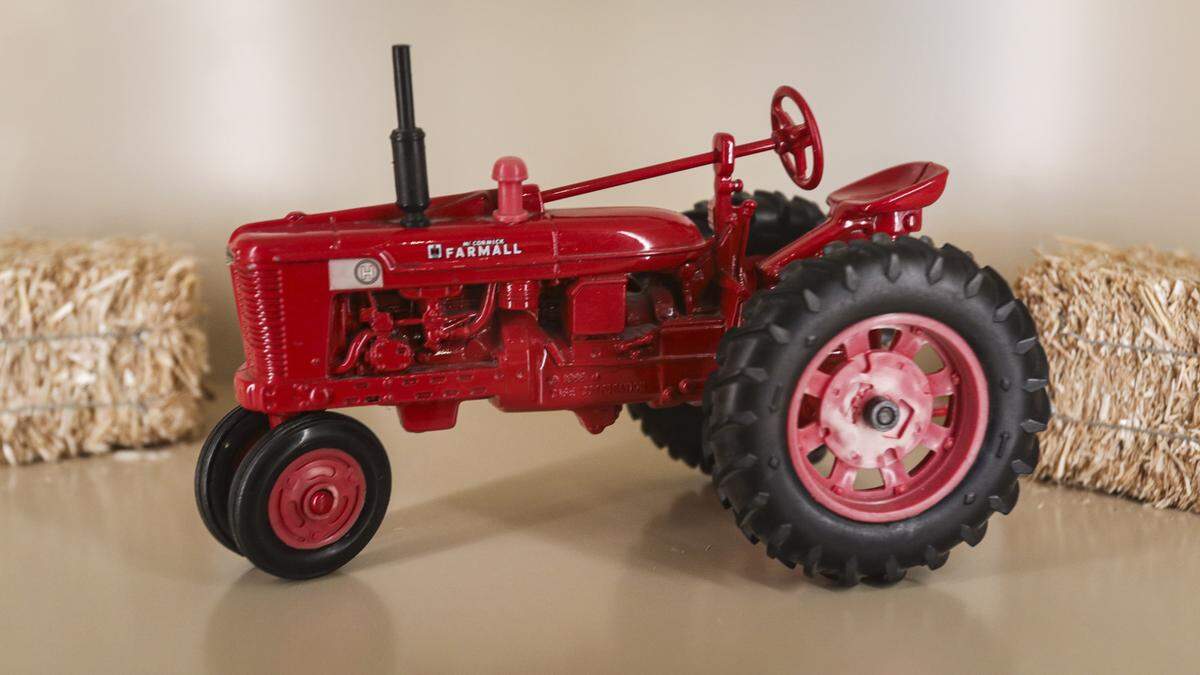
Steve said his father’s South Dakota roots “instilled in him a love of soil, crop and seasons — not to mention an unquenchable work ethic.” “Couple this with the kind of critical thinking and data analysis that is the cornerstone of his civil-engineering practice, and you’ve got an ethos that only Jerry Lohr could possess,” he added.
Jerry’s college career in South Dakota and as a U.S. Air Force engineer evolved into working for NASA on such projects as heat-shield technology for endeavors like Apollo 11, which landed on the moon in 1969.
Then for four decades starting in 1965, many of them with partner Bernie Turgeon, Jerry was a successful developer of more than 960 custom homes. Most were in 51 different subdivisions, many of them in the Saratoga area.
Jerry and his second wife, Jolene, still live in one of those homes.
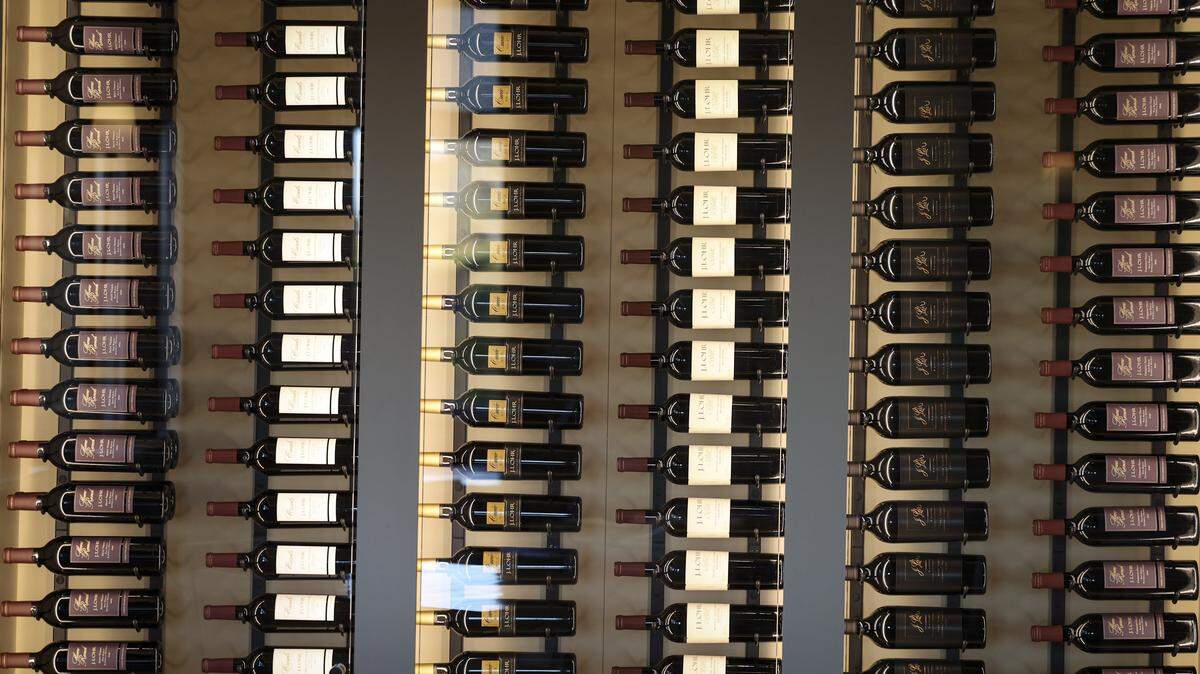
In the midst of that homebuilding career, Jerry began in 1972 planting grapes in Arroyo Seco on the first 280 acres of his estate vineyards. That despite not having had a drink of wine — or anything alcoholic, he told The Tribune — until he was 21.
J. Lohr Wines became official when Jerry incorporated it on Feb. 22, 1974.
Jerry was enjoying success growing white varietals in the Monterey County area. “But the area was too cool for growing reds,” he said, and that was something he wanted to do.
Using his soils engineering and science backgrounds in the 1980s, they looked for the best location.
“We chose Paso Robles. And now, this is where I love to be,” Jerry said, although he and Jolene continue living in a Saratoga house he built in 1952, to be closer to the other J. Lohr wine facilities in Greenfield and San Jose.
Family history helped shape J. Lohr’s public-forward face
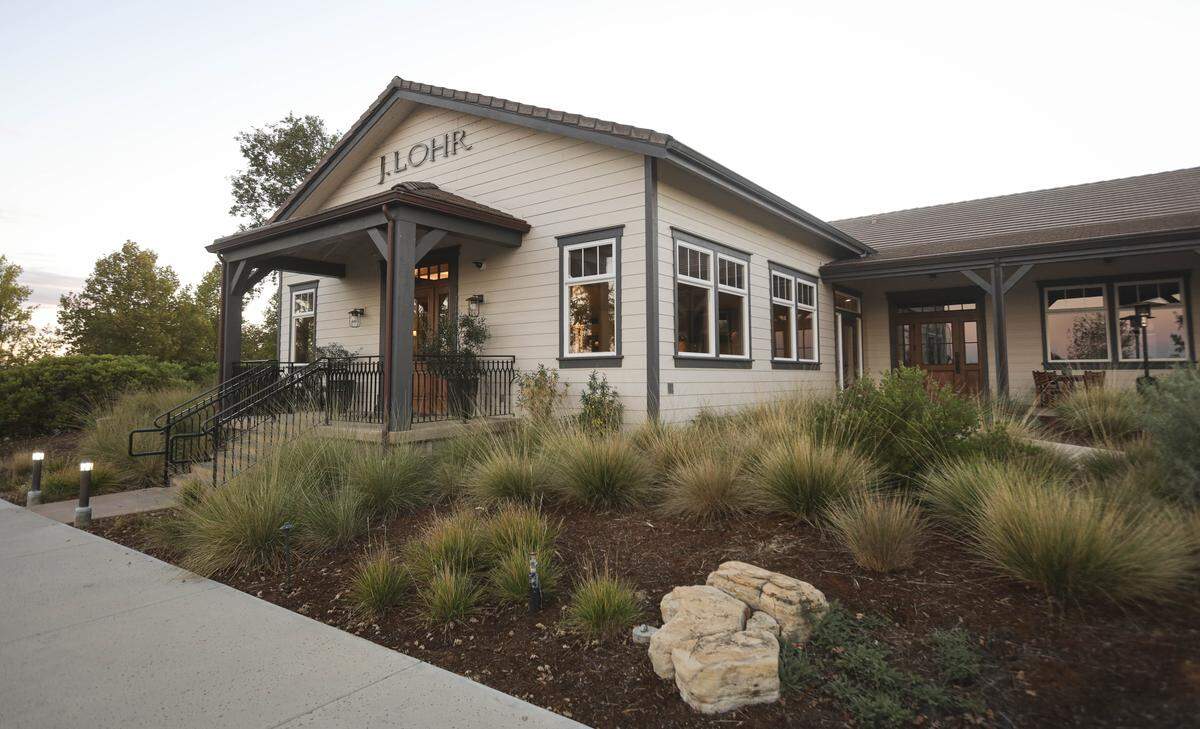
Jerry’s farming-childhood background is reflected in the design of his Paso Robles Wine Center, at 6169 Airport Road, about 1.5 miles from the airport.
Rather than being a palatial structure, the center the Lohrs created 25 years ago, then remodeled and reopened in 2022, is now upscale cozy, but casually elegant.
“We had in mind the warm welcome of Jerry’s original South Dakota farmhouse, only a bit more updated,” Steve said.
They wanted to “maximize vineyard views, J. Lohr lore, the ability to showcase small-lot gems in our portfolio” and provide the stories behind the wines, winery and family, he said.
The tidy, white Wine Center structure with a classical covered-porch entry, is set among arable acres of J. Lohr Home Ranch vineyards.
Inside, wood bars invite guests to sit and sip awhile under a highly vaulted ceiling with exposed roof trusses. There’s table seating inside and out, and a fireplace-accented private room for wine club members and their special events.
Legacy and seasonal wine tastings are offered at $60 per person for the former and from $25 to $30 for the latter. Those individual tasting fees are waived if the taster buys two bottles of wine. Cheeseboards can be preordered with a reservation; no other food is served there, and no outside food is allowed.
J. Lohr management works in more ways than one
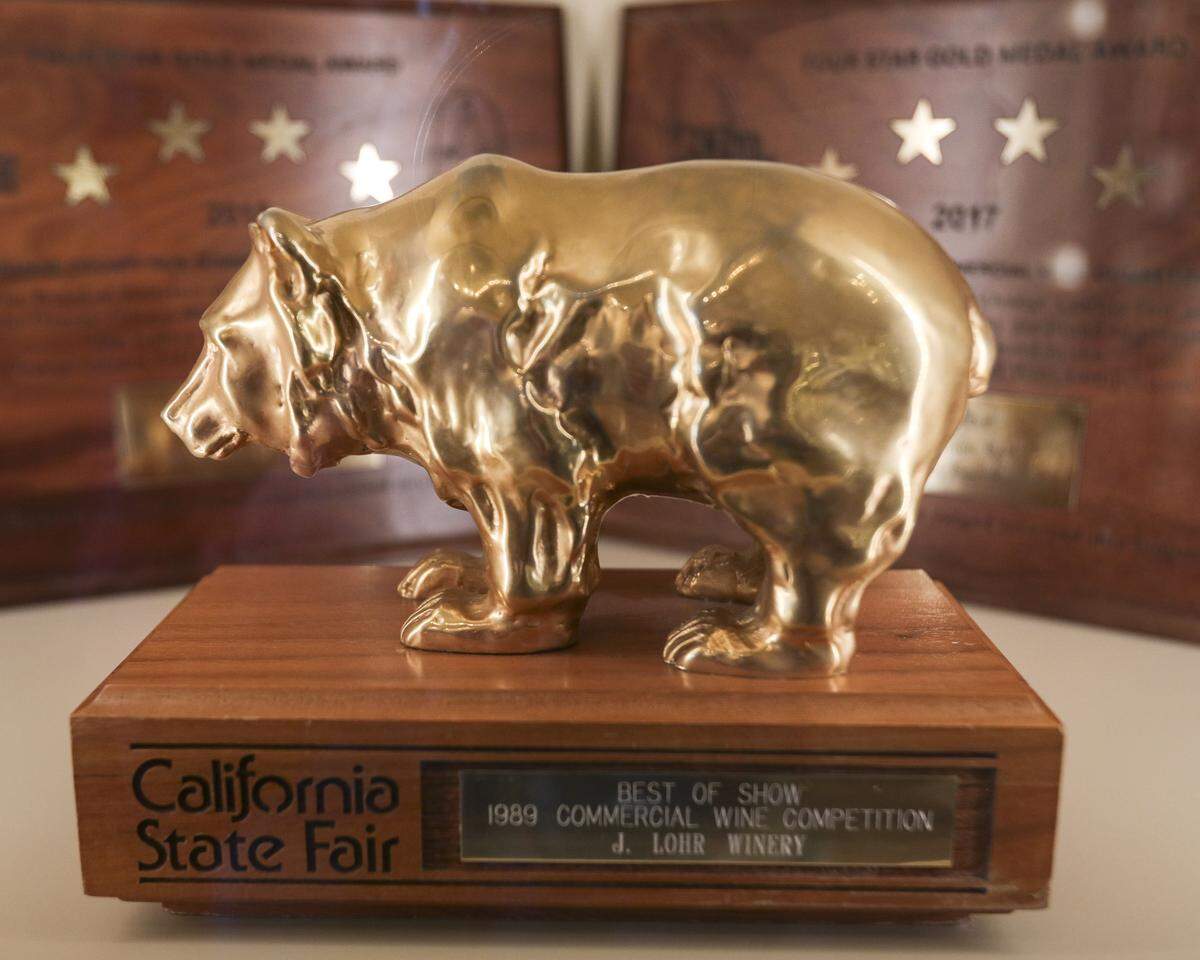
Jerry, his children, the firm and the family’s wines have racked up a vast and impressive roster of awards and accomplishments, too many to list here.
The patriarch’s various lifetime achievement and other awards include the rare 2016 American Wine Legend honor from the widely respected Wine Enthusiast Magazine.
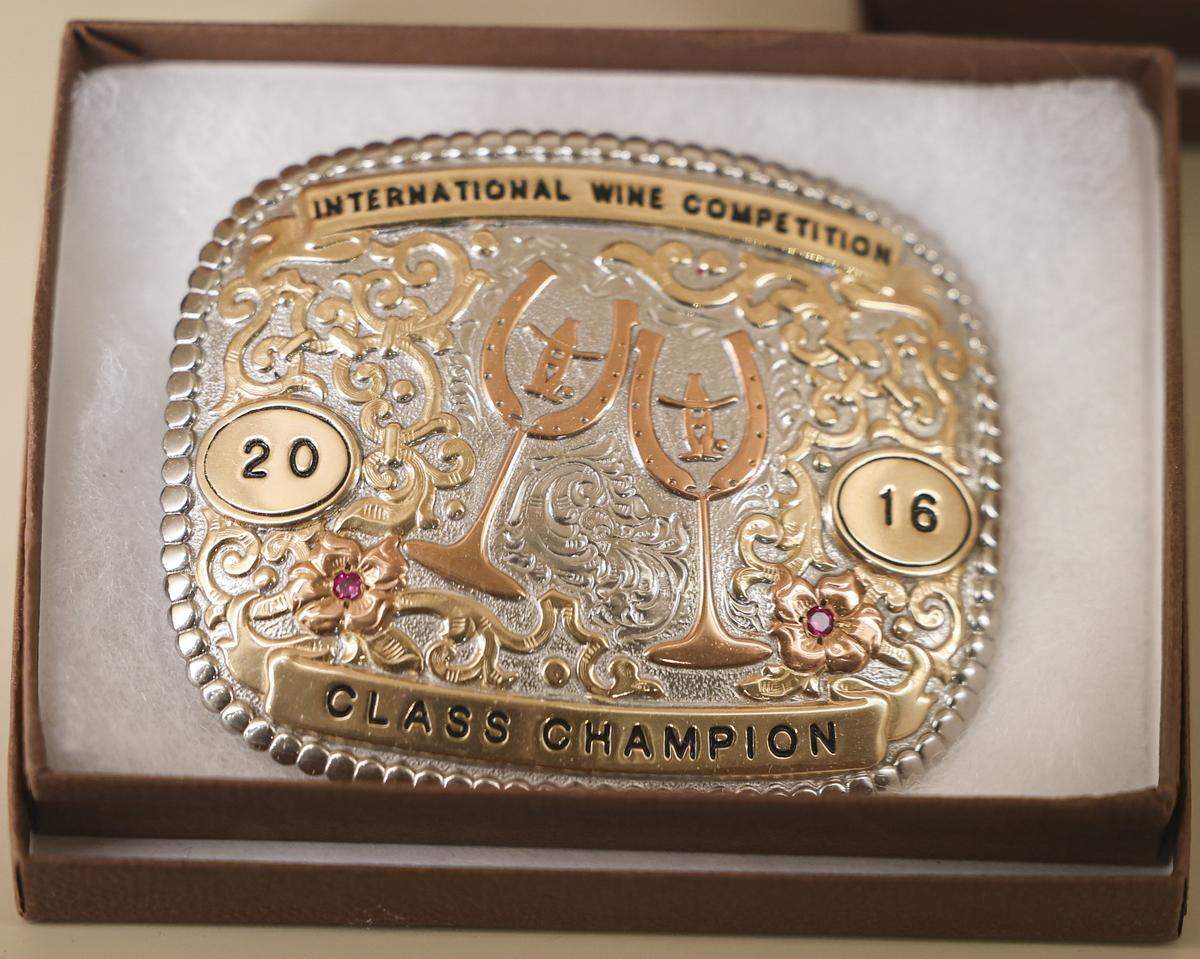
Also near the top of that list is co-founding various educational facilities, emphasizing Jerry’s commitment to education and experience.
For instance, J. Lohr co-founded with Justin Vineyards & Winery, the center for wine and viticulture at Cal Poly.
J. Lohr received the coveted Green Medal Leader Award for Sustainability in 2020.
Tariffs impact massive California winery business
It’s not all been awards and success.
Most recently, worldwide tariffs dealt a massive financial blow to the industry, and J. Lohr in particular.
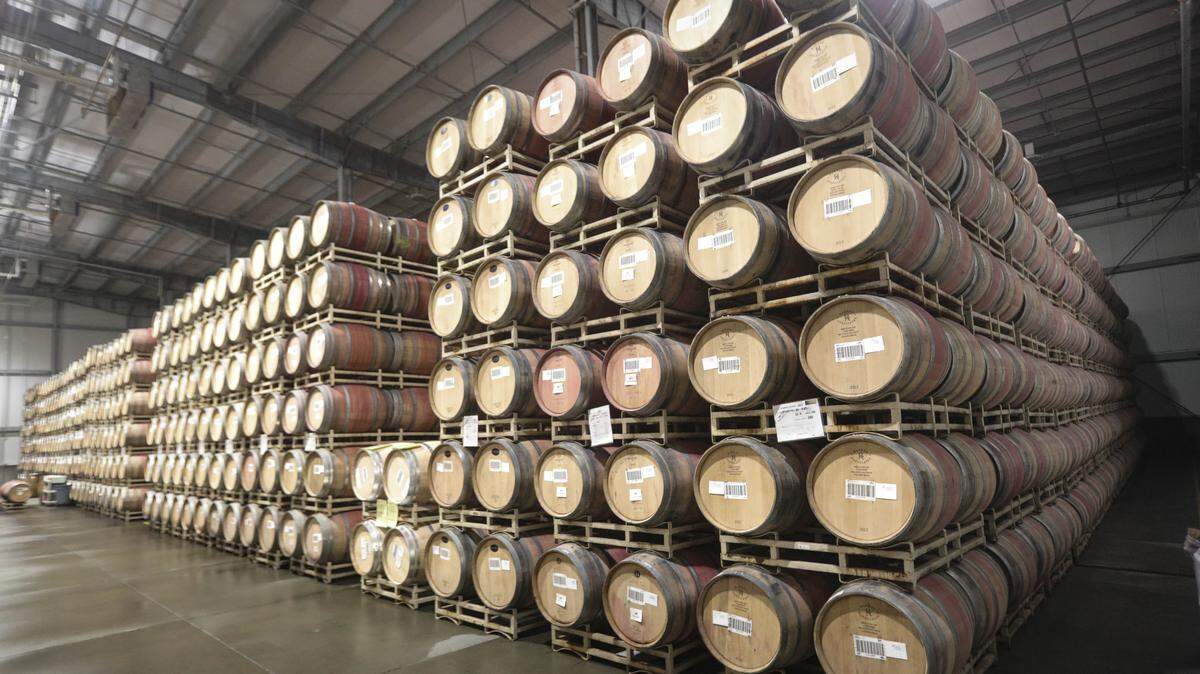
Especially traumatic were the tariffs imposed on Canadian products, the retaliatory tariffs imposed by the foreign countries and increased costs for such imported supplies as the French oak barrels the winery uses to barrel age any wines costing $30 or more a bottle.
Those tariffs on the U.S. neighbor-to-the-north alone dropped the firm’s sales by 15%, Steve told The Tribune.
“We sold J. Lohr wines in 44 different countries, but more in Canada than in the other 43 combined,” he said.
In recent years, J. Lohr’s total exports represented 17% of its sales.
It’s not known yet how Trump’s latest round of tariff changes will affect J. Lohr and other U.S. wineries that sell internationally.
Layered on other woes afflicting the California industry, the tariffs were insult added to injury.
San Luis Obispo County’s wine grape value fell about 40% in 2024, sliding from a record $323 million in 2023 to $194 million, the latest crop report shows.
Vineyard managers and brokers cited oversupply after pandemic demand cooled, and younger consumers shifted to alternatives.
Tariffs on barrels, glass, and cork also raised costs and strained ties with Canada, according to locals, though some saw potential for more California wine consumption if imports rise in price.
Vineyards and wineries in other states were suffering, too.
According to reports from various national media outlets, American wine producers already were buffeted with problems before the tariffs kicked in.
People aren't drinking as much wine these days, as young people switch to alternatives and science is pointing to potential health hazards from overconsumption.
Other trouble spots are changing climate conditions, water availability, inflation, even deportation of immigrant workers. Wineries of all sizes are failing, and ripe grapes rot in the vineyards for lack of people to pick them.
Looking ahead, Steve said with the family at the helm and the help of the right staff, he’s certain that J. Lohr will prevail, succeed and grow, despite all these pressures.
Why? It’s all about having the right product and best team.
“Jerry’s approach to winemaking is highly collaborative, and some of our people have been with the winery for 20 years or more,” Steve said.
‘Everything starts with people,’ founder of CA wine brand says of success
Why, at 89, has Jerry stayed active in his third career?
Jerry loves the process, participating and watching his children succeed.
“I just enjoy innovating and interacting with people,” he said.
Whether with customers, staff or family, “everything starts with people.” Whatever the Lohrs do, it’s always laced together with pride in family and product.
While he dearly loves growing great grapes and making good wine, he said, Jerry Lohr still only occasionally tips a glass of anything alcoholic.
“But I like fine wine, so that’s what we make,” the iconic winery owner said firmly.