
SLO County wine industry faces storm of challenges. ‘As hard as it’s ever been’
Vineyard manager Jim McGarry has worked in the California wine industry for nearly 25 years.
And right now, he told The Tribune, “It’s as hard as it’s ever been.”
The San Luis Obispo County wine industry — like that of California as a whole — is in a certifiable slump.
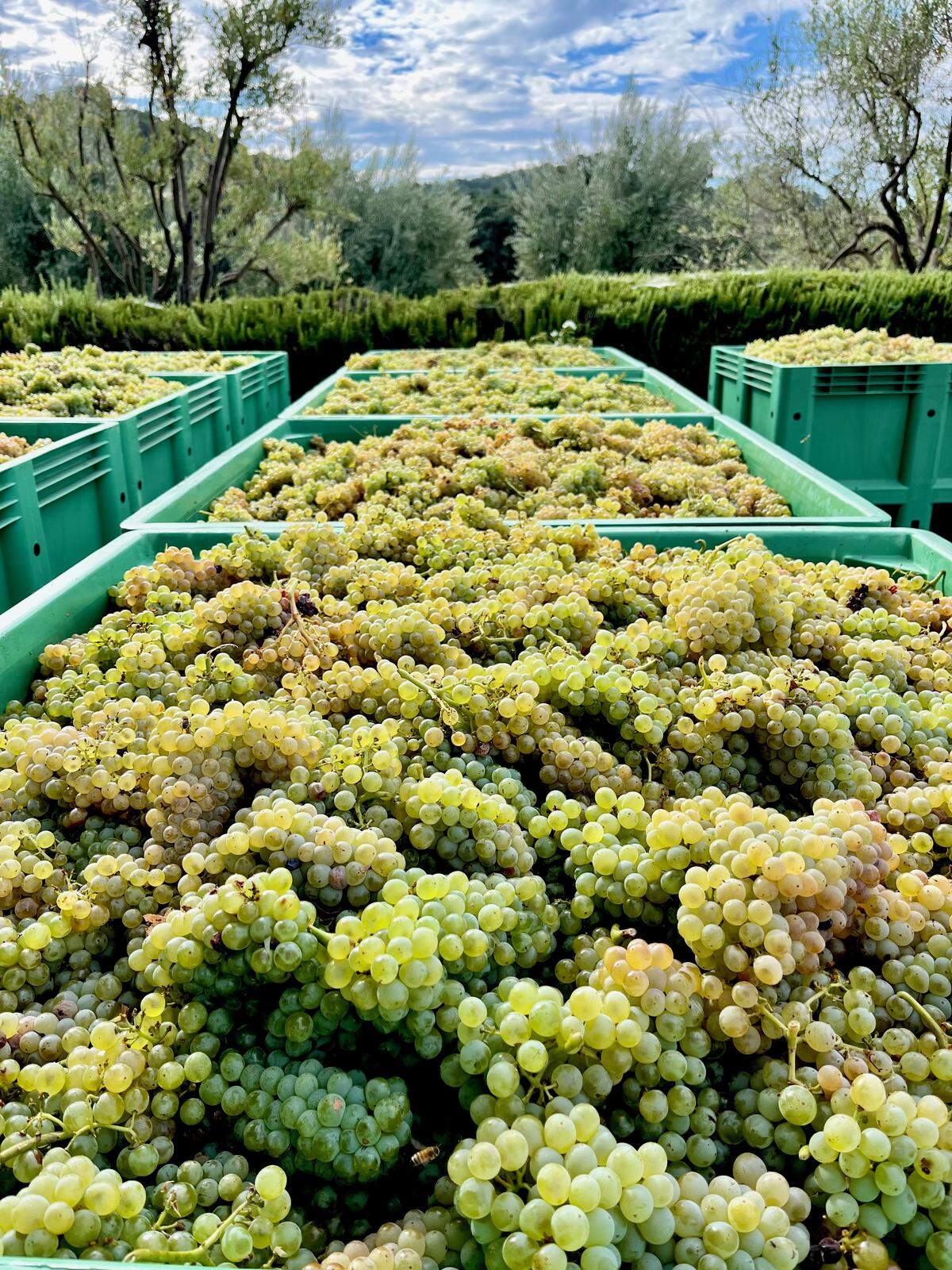
The value of SLO County wine grapes dropped by a staggering 40% in 2024, and locals in the industry have seen a glut of grapes and bulk wine on the market over the last year.
From changing tastes among young consumers to costly federal policies, local experts told The Tribune a storm of factors swirled together to instigate the dramatic downturn.
Now, they’re left to figure out how to cope with it.
What’s causing SLO County’s wine troubles?
SLO County wine grapes saw a drastic drop in value last year.
According to the latest crop report, grapes went from a record $323 million in sales in 2023 to $194 million in 2024 — a decline of about 40%.
The plunge knocked wine grapes from the most profitable SLO County crop to the No. 2 position, allowing strawberries to reclaim the top spot even as the fruit occupied fewer acres and suffered losses for the third straight year, the report said.
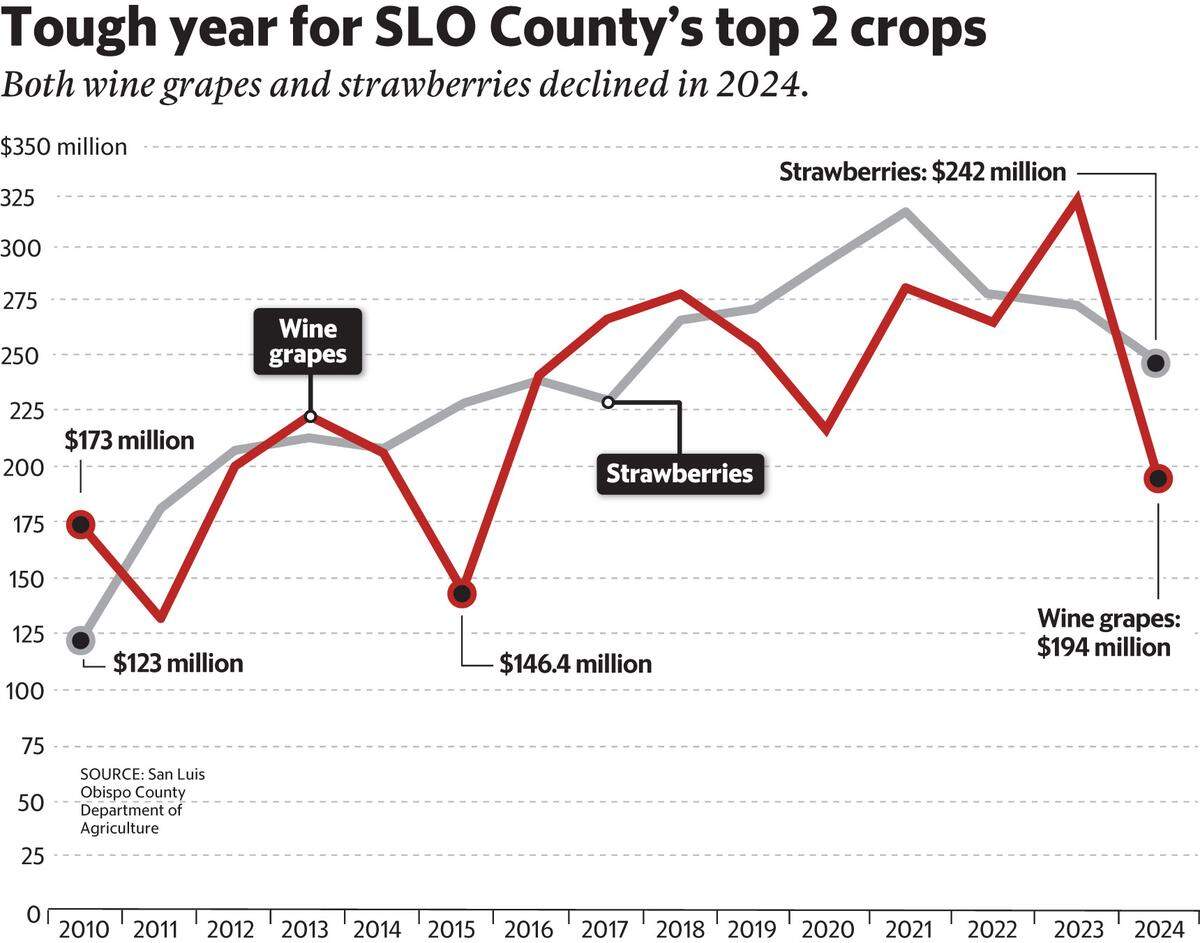
The 2024 harvest also saw a decrease in both planted and bearing acres for wine grape. It was the first dip since 2021, dropping from the record highs seen in 2023 after the industry had recovered from acreage losses during the pandemic, past crop reports showed.
Otherwise, vineyard acreage experienced relatively steady growth over the last two decades, increasing by over 14,000 acres since 2004.
McGarry and other local wine experts each told The Tribune that the reasons behind the recent downturn are numbered.
On one hand, the industry’s supply and demand has been thrown out of balance.
According to wine broker Anthony Bozzano, vineyards along the Central Coast saw a boom in demand after wildfires along the North Coast tainted grape harvests and sent wineries flocking south to buy fruit suitable for winemaking.
Then, the pandemic hit, further propping up the industry as consumers bought and drank more wine during the lockdown.
Now, that bubble has deflated — and at the same time, young people are drinking less wine, opting instead for non-alcoholic options or canned cocktails and seltzers.
“We just have an oversupply,” Bozzano told The Tribune.
That oversupply has led locals in the wine industry to sell grapes for low prices, if they can get their product out the door at all.
“Any buyer that comes in, their offers are being entertained,” Bozzano told The Tribune in late September. “We’ve seen grapes selling as low as $600 per ton, and there’s a good chance that grapes will sell for even lower prices as we get further into harvest.”
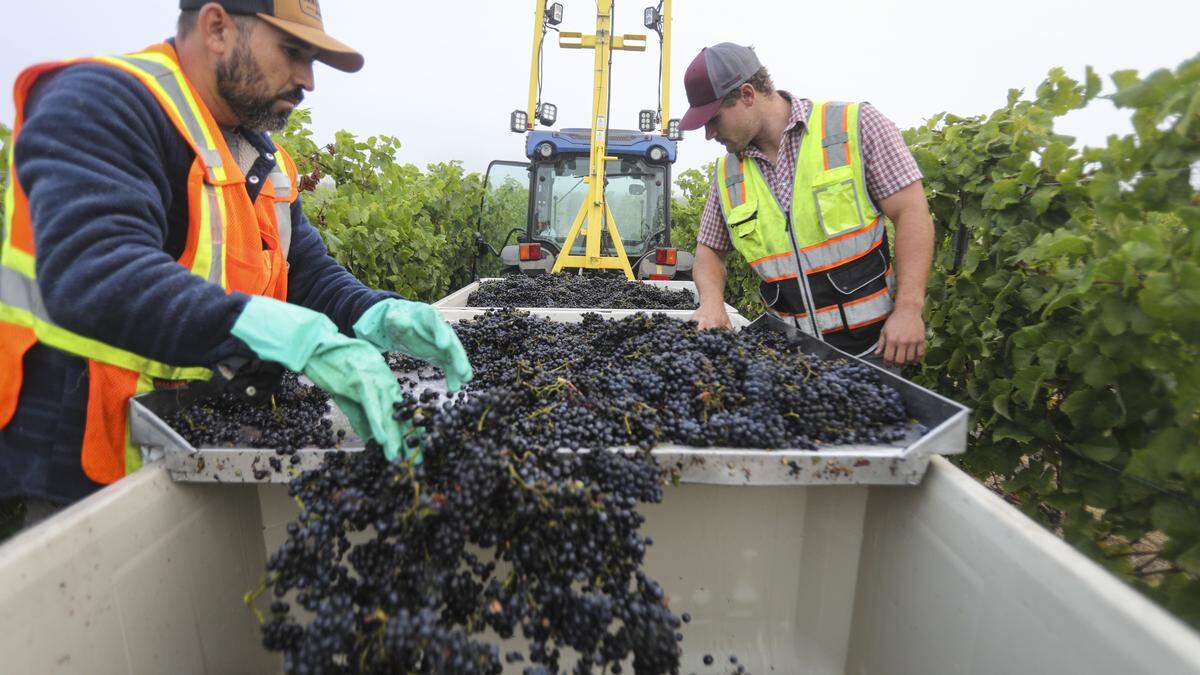
Data for the 2025 harvest won’t be available until next year, but growers told The Tribune in September that this season was a positive one for wine grapes.
This year’s harvest lasted into October thanks to late rains and a cooler growing season, and vineyards managed to largely escape smoke taint from the wildfires that ravaged southern SLO County, The Tribune reported in September.
“With the cooler weather the last two weeks, we’re going a little slower than we normally would … but quality looks great,” said Jason Haas, partner and general manager of Tablas Creek Vineyard in Paso Robles. “Quantity looks like the best it’s been in five years.”
Despite the good growing year, the industry is still facing a myriad of financial challenges heading into 2026.
Federal policies contribute to increased costs
Tariffs enacted by the Trump Administration have increased production costs for local wineries, further compressing the SLO County industry.
The Tribune reported in September that local wine producers were struggling with an abrupt hike in costs for foreign goods that are instrumental in the production of wine.
While the grapes are grown locally, wineries rely on oak barrels, glass bottles, cork and other products from overseas to actually age and bottle their product.
“Nearly everything that a winery uses in the final, finished product of a bottle of wine, aside from the grapes, comes from other places,” Bozzano told The Tribune. “All those products have tariffs on them that are increasing the cost of the finished package of wine simultaneously.”
At the same time, the tariffs also sparked tensions with California’s largest international wine partner: Canada.

“We saw the Californian wine essentially pulled from the shelves in Canada, and now, even if the tariffs go away, those shelves have been filled by wine from other places around the globe, and the relationships that were built over the course of decades of marketing and sales of California wine in the Canadian marketplace have essentially now been wiped away,” Bozzano said.
McGarry told The Tribune that the full effect of the tariffs is still yet to be seen — and it’s possible there could be positive effects as well. If the cost of imported wines go up as a result of tariffs, McGarry said, that may result in a rise in consumption of California-made bottles.
“Hopefully that’s maybe one of the benefits of the tariffs,” he said.
Kevin Wilkinson, vineyard manager for Coastal Vineyard Services (also known as Alterra Solutions), added that beyond rising costs, the wine industry’s workforce is also disappearing.
“Our labor force is just decreasing dramatically,” he said. “We are truly 99.9% (a) Hispanic labor force. And as that’s decreasing, and as every everything else is going up, it’s very hard.”
“It’s a convergence of all these issues that is demolishing our industry,” he added.
How are growers making their way out of the downturn?
From tearing out vines to grafting new varietals to get an edge on the market, SLO County growers are fighting on all fronts to try to combat the various factors encroaching on their industry.
Bozzano told The Tribune he saw an influx of properties on the market in the fall, which he believed was a result of the downturn.
“We’re just seeing quite a few vineyard assets become for sale,” he said. “Small, family-owned and farmed vineyards that maybe the next generation doesn’t want to take over. Those are coming up, and so are very large vineyards to where the owners are concerned about the long-term viability of the business.”
Other locals are more focused on reducing their output or focusing on new varietals.

At Pacific Coast Farming’s properties, managed by McGarry and Erin Amaral, both tactics were visible in late October.
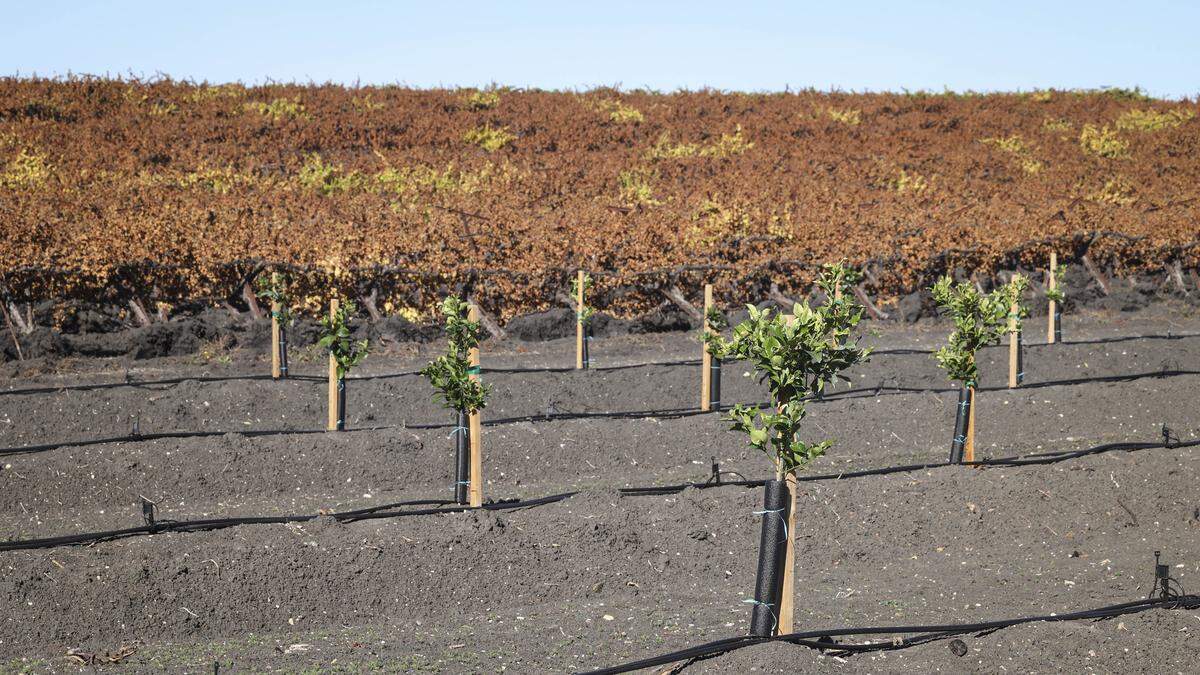
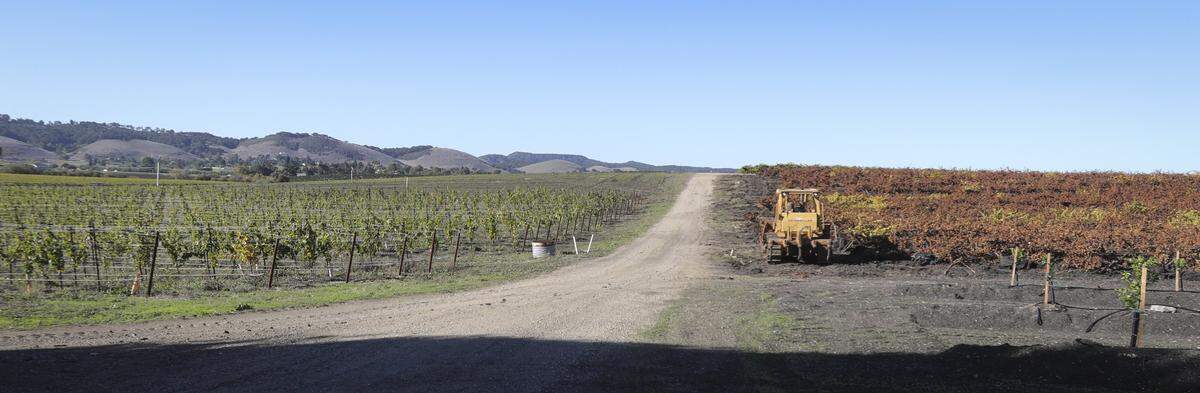
Some plots had already been leveled and were fallow, while another plot of old vines had recently been ripped out because the plantings were past their best production age.
McGarry told The Tribune that old vines are more susceptible to disease and pests like vine mealybug, especially in the Edna Valley, so it’s in a grower’s best interest to remove them when the time is right.
But with overplanting rife across California, some vineyards are toying with the decision of whether or not to remove young vines as well.
For one of his plots, McGarry chose a different route.
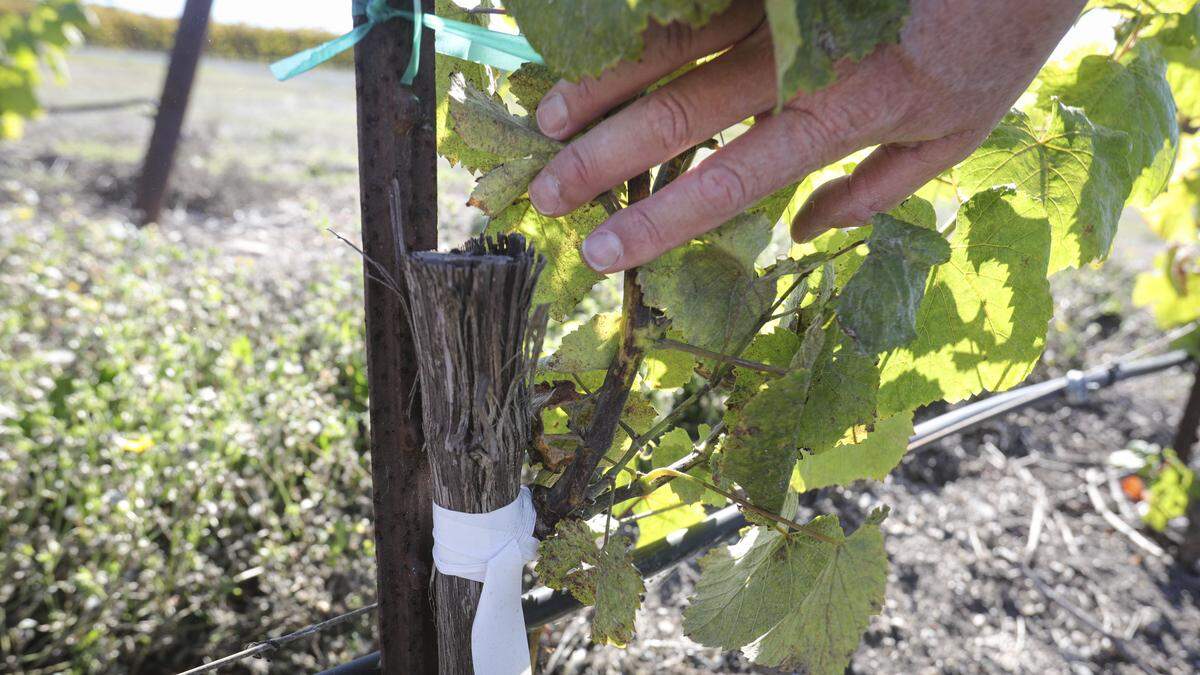
Pacific Coast Farming worked in May to graft a 2016 planting of pinot noir into albariño, a white varietal McGarry hopes will pique the interest of local consumers.
Grafting the vines, rather than ripping and replanting, meant the vineyard lost a year of pinot noir production, but it should also expedite the growth of the new varietal. Next year, McGarry expects the vineyard to be at 75% production. It usually takes about three years to get new vines established.
McGarry told The Tribune that the new varietal will also likely produce about six tons of grapes per acre, rather than the three tons that the pinot noir planting gave.
Overall, McGarry said, the wine industry is no stranger to fluctuation. Growers are constantly having to adapt to new conditions and pave their way to overcome obstacles.
Despite the struggles SLO County growers are facing now, McGarry said he has faith they’ll bounce back.
“There’s always people being creative and thinking in new ways to make things work,” he told The Tribune. “Although we’re in a tough spot right now, I think the outlook is, we’ll get through it and things will be better.”
This story was originally published December 10, 2025 at 5:00 AM.
CORRECTION: This article was updated to clarify Bozzano’s characterization of the boom in the wine industry.
.JPG)