SLO County wineries hit by rising tariff costs. ‘To be a political pawn sucks’
AI-generated summary reviewed by our newsroom.
- Tariffs on EU goods raised costs for Paso Robles wineries using foreign supplies.
- Canadian provincial bans and tariffs eliminated key export markets for SLO wine.
- Some wineries increased prices or cut labor to offset higher production expenses.
With tariffs fueling uncertainty in the wine industry, San Luis Obispo Country winemakers are scrambling to figure out how to pay for abrupt increases in costs.
“It’s just a challenge, because obviously the grapes are all grown here in California and processed here and made in California, but everything around it is not,” said Joel Peterson, the executive director of the Paso Robles Wine Country Alliance.
The United States began enforcing a 15% tariff rate on most European Union goods on Aug. 1.
The new tariffs are part of a growing list of levies on foreign goods.
As of Tuesday, Sept. 2, U.S. tariffs on all exported Chinese goods were 57.6% and tariffs on most Canadian products were set at 35%, according to the Trump administration.
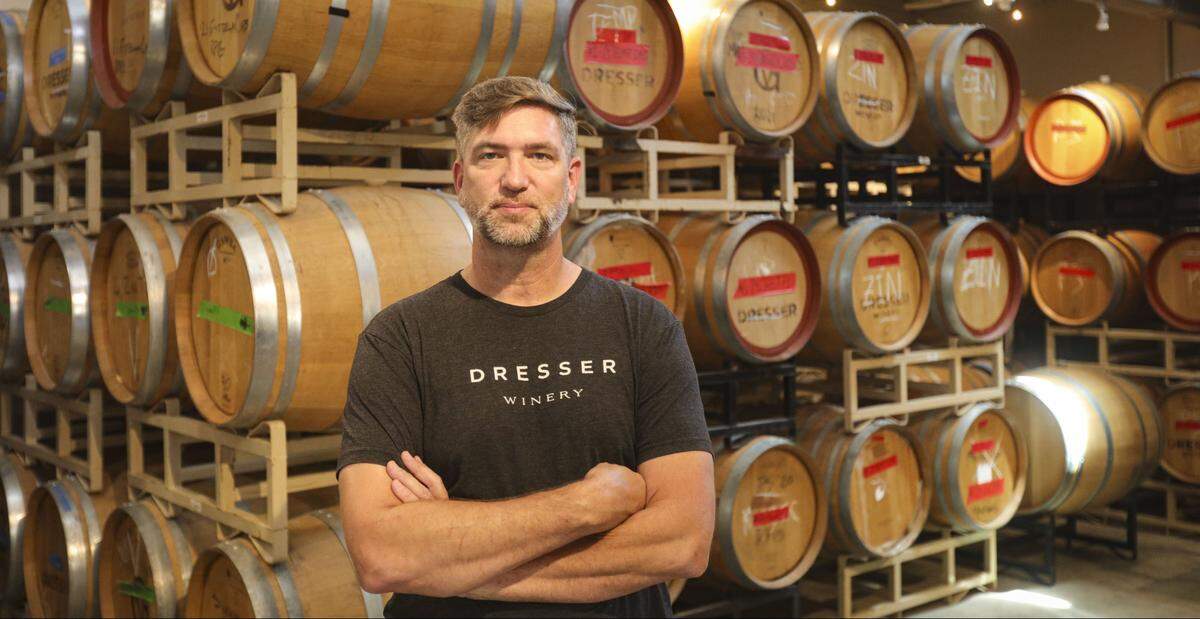
Kory Burke, owner and winemaker of Dresser Winery in Paso Robles, said tariffs have already put his business in jeopardy.
Burke, whose winery produces up to about 2,500 cases of wine per year, said he was immediately wracked with concern when new tariffs on foreign goods became a reality early in President Donald Trump’s second term.

Since then, production costs have spiked on everything from corks to glass and barrels, Burke said.
“It has real impacts,” the winemaker said. “We’ve thought deeply about selling our property. We’ve thought deeply about ... charging double our price for our bottle.”
Here’s how Burke and other local winemakers have responded to rising costs.
How tariffs are impacting SLO County wineries
At the end of July, the United States and the European Union reached a trade deal after months of deadlock.
The two entities agreed to a 15% import tax on all EU goods — half of the 30% rate Trump had previously threatened to enact, the BBC previously reported.
After the deal was finalized, the European Union said it would also remove tariffs on U.S. industrial goods to ease economic pressure on automakers.
However, a federal appeals court ruled on Friday that Trump’s steepest tariffs were illegal, The New York Times reported.
It’s unclear whether many of Trump’s sweeping tariffs, including the U.S. agreement with the European Union, will legally be allowed to stay in place. The Trump administration now has until mid-October to appeal the case to the Supreme Court.
Higher import fees on Chinese and European-made goods have already hurt local wine producers.
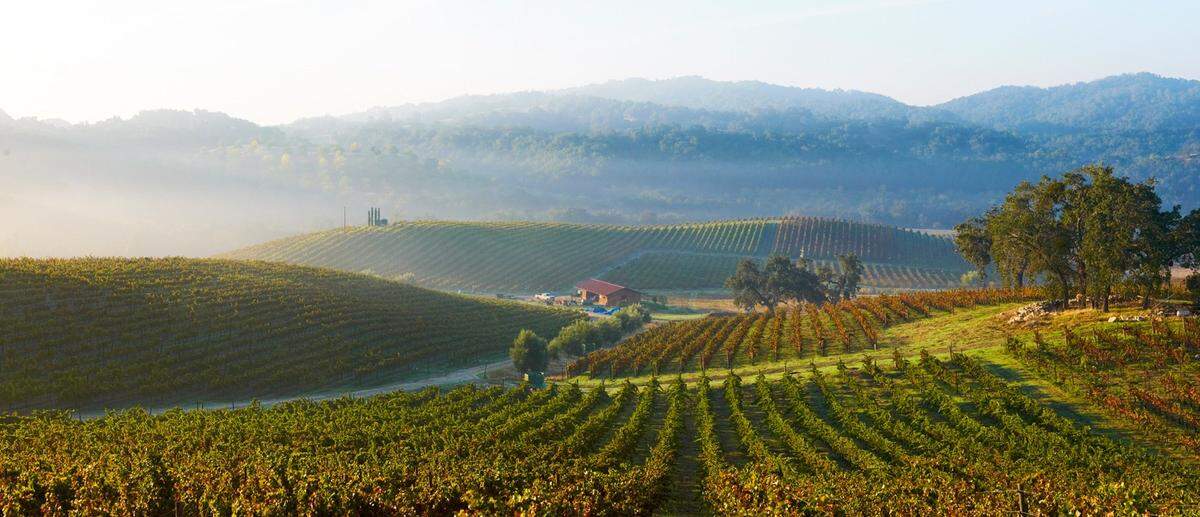
Burke said Dresser Winery relies on glass bottles created in China or Mexico, corks made in Portugal, wine barrels produced in France and Hungary and paper labels printed overseas.
The morning after European tariffs were agreed upon, Burke said, his cork manufacturer emailed him to confirm that prices would jump 15%. Dresser Winery was expected to pay 13% of the tariff, while the manufacturer would cover 2% of the cost.
Rather than using foreign-made products with expensive tariffs, Burke and other local winemakers could switch to American glass — although options are limited and expensive — or start using American oak barrels, which result in stronger tasting notes of vanilla and brown sugar.
But Burke said the profile of Dresser wines would completely change if he went that route.
“I’m not going to make a pivot on the product, on all of my inventory, not knowing what it’s going to be in three years,” he said.
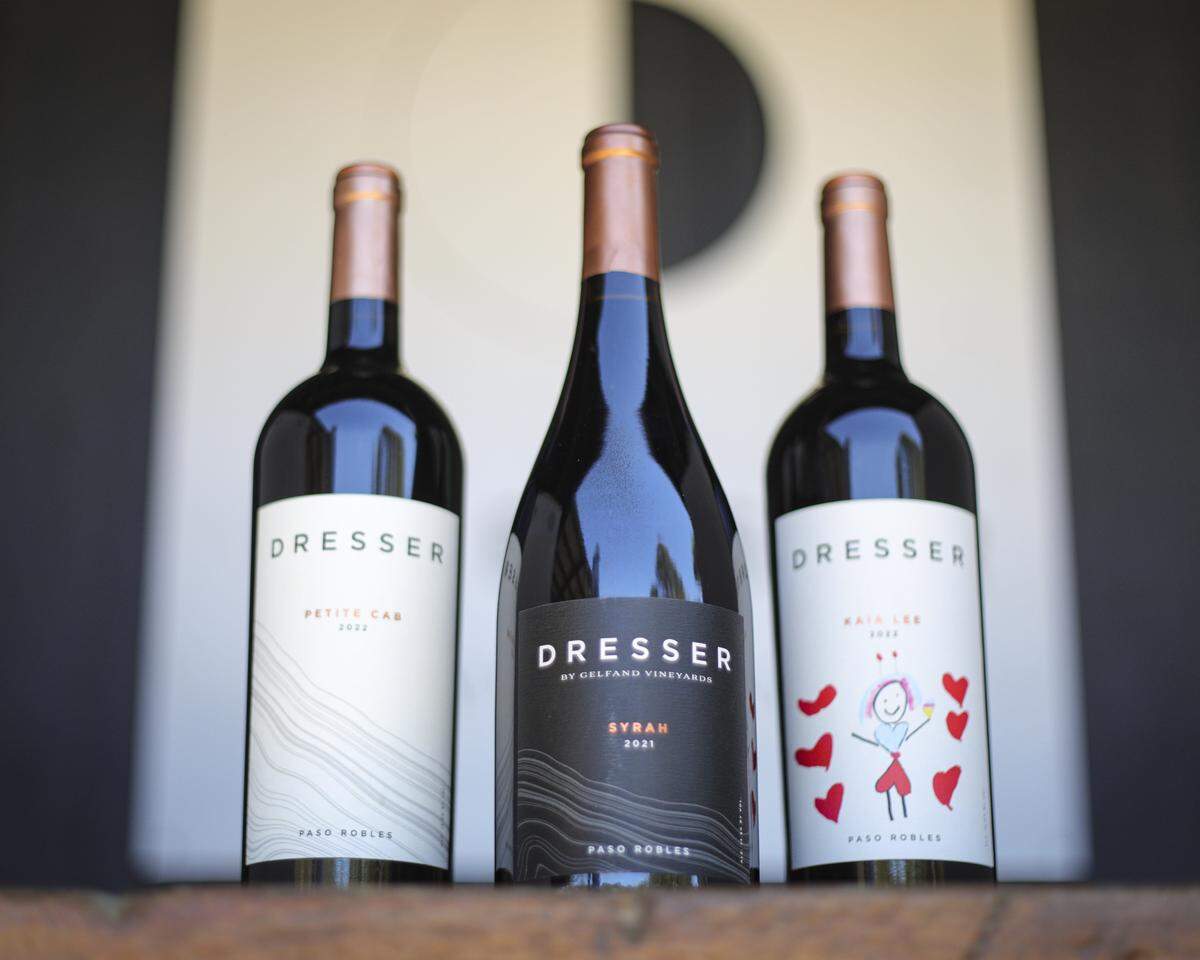
At Cass Winery in Paso Robles, tariffs on glass alone will make each wine bottle 50 cents more expensive to produce, winery owner Steve Cass told The Tribune.
“It’s not going to be killer,” he said, but “you throw in the tariffs, it’s like another thing. It’s like the perfect storm. You just got to keep your existing customers, keep them happy, and take a really close look at your expense lines.”
How did tariffs from Canada hurt local wine producers?
After the Trump administration imposed steep tariffs on goods from Canada and China, the two countries enacted retaliatory trade policies, The New York Times previously reported.
Canada raised tariffs on U.S. goods, including on beer, wine and liquor, on Sept. 1.
However, several Canadian provinces still have bans on alcoholic products from the United States and many Canadian consumers have boycotted U.S.-made goods in reaction to the Trump administration’s tariffs.
Canada is California’s largest wine export market by far, accounting for 35% of all U.S. wine that’s shipped to other countries, according to the Wine Institute, an advocacy organization for California wineries.
Honore Comfort, the vice president of international marketing at the Wine Institute, called the current ban on U.S. wine, beer and spirits in some Canadian provinces “the single biggest challenge” to California winemakers.
“Wineries have spent decades building important relationships and getting their products placed with key retailers, and once you lose that position, it’s very difficult to get it back,” Comfort explained.
Canada represented about 1% of total sales at Tablas Creek Vineyard in Paso Robles in 2024.
Once Canadian provinces pulled all American products off shelves, it was “a 100% loss” for that wholesale market, said Jason Haas, partner and general manager of Tablas Creek Vineyard.
Haas said the winery had made significant investments and planned to increase exports to Canada in the future.
“It was a place where I was hoping to see growth this year that we haven’t,” he said.
Jean-Pierre Wolff, the owner of Wolff Vineyards in San Luis Obispo, said his winery was ready to export bottles to three Canadian provinces.
That “totally stopped” in February when the Trump administration threatened steep tariffs, he said.
Wolff said that transaction would have represented about 20% of his wholesale business for the year.
Could SLO County wine industry benefit from tariffs?
Some California wine grape growers think the Trump administration’s tariff policies could benefit the bulk wine market.
According to the Lodi Winegrape Commission, an estimated 600,000 to 800,000 tons of California wine grapes rot on the vine each year because the state’s biggest wineries ship in millions of gallons of bulk wine from abroad.
“These imports, often supported by foreign subsidies and protected by non-tariff trade barriers, distort the global wine market and put domestic growers at a distinct disadvantage,” Stuart Spencer, the executive director of the Lodi Winegrape Commission, said in a blog post.
Tariffs could end up helping California winemakers if bulk wine producers, who make boxed and jug wine, start buying from local growers instead of getting traditionally inexpensive grapes from Europe, Australia and South America, Peterson said.
However, it’s unlikely wine lovers will start purchasing more American-made bottles simply because European wines have higher price tags, according to Hamed Ghoddusi, an associate professor of finance at Cal Poly.
“There’s not a direct competition,” he said. “People develop taste for a particular type of wine. If the European wine is more expensive, a consumer in the restaurant is not going to directly switch to California wine.”
The National Association of Wine Retailers recently called on the Trump administration to remove tariffs, arguing it would harm the nation’s wine industry.
“Any trade strategy that relies on the notion that tariffs will help the American wine producers is misplaced,” the association said in a news release. “When faced with the higher prices that will result from the across-the-board tariffs, consumers will rein in their spending. The first thing they cut back on is non-essential items like wine.”
Could SLO County wine get more expensive?
Some SLO County wineries say they’re avoiding raising prices out of fear their customer bases will begin to erode.
“We’re going to have to economize,” Haas said. “It’s not like we can just pass along these higher costs and not expect there to be blowback in terms of sales.”
Tablas Creek already cut back tasting room shifts and reduced contracted labor for vineyard work, Haas said.
Haas said the winery has also put off planting new blocks of grapes and decided to not purchase some larger tanks and barrels this year.
Instead of raising bottle prices, Wolff Vineyards has negotiated down some prices with suppliers and switched to U.S. vendors when it made financial sense to offset tariff costs, Wolff told The Tribune.
This year, he started buying glass bottles from a California company as a direct result of the tariffs. Previously, he purchased glass from China, Canada and Mexico.
However, other local wineries are raising bottle prices out of necessity.
Burke said Dresser Winery had “zero choice” but to increase wine prices this fall.
After crunching the numbers, he said the only way his small, family-owned business can survive is to raise prices by 10% to 15% — about $4 more per bottle.
Burke hopes his customers will remain loyal despite the price hikes.
“To be a political pawn sucks when all I want to do is ... make wine, share wine, hang out and sell really good wine,” he said.
This story was originally published September 3, 2025 at 5:00 AM.