Famed flowers chopped down at Big Sur state park. Who trashed Calla Lily Valley?
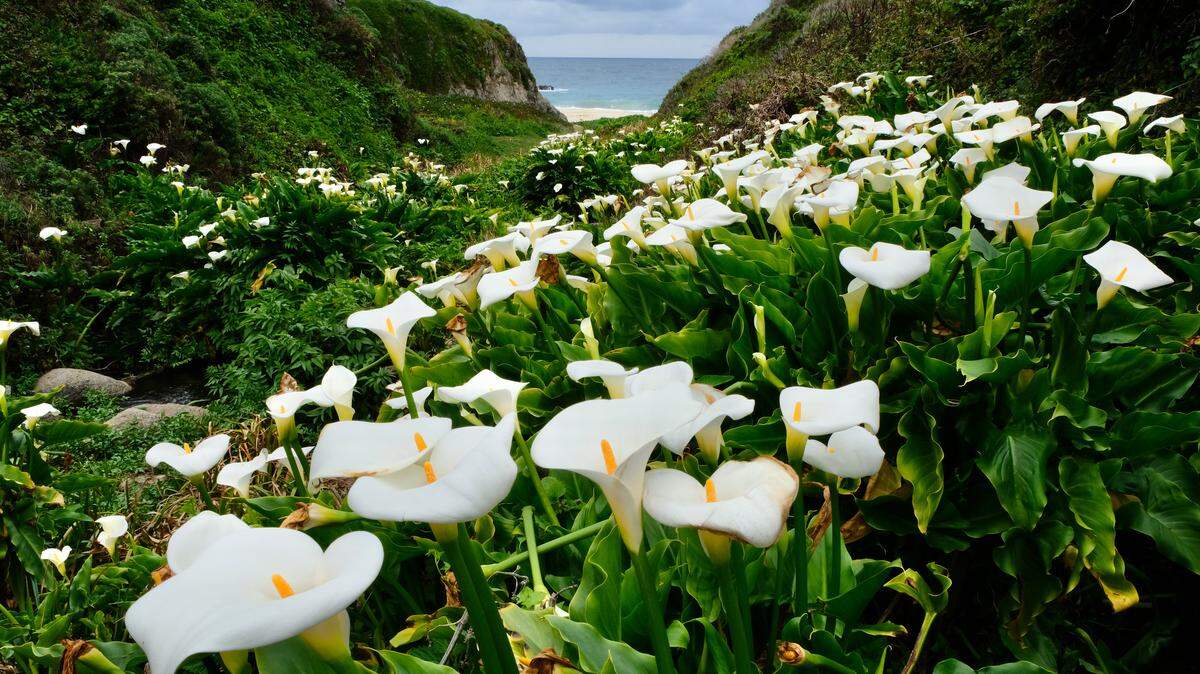
A floral symbol of Big Sur’s beauty was destroyed in late February when vandals cut, crushed, stomped and left in ruins hundreds of calla lily blooms and plants.
But who damaged the so-called Calla Lily Valley and why is still not known, according to state park officials and others.
The nonnative plants have been growing for years in the tiny valley, which is an access point from busy Highway 1 to the nearby shore.
The vandal or vandals may have destroyed this year’s display tucked away within Garrapata State Park, but they left in place the bulbs of the nonnative plants, according to Mike Dippel, chief ranger of the Monterey State Park District.
Those likely will survive and bloom again next season, according to Greg Tyner, associate at the longtime Grigg’s Nursery in nearby Carmel Highlands.
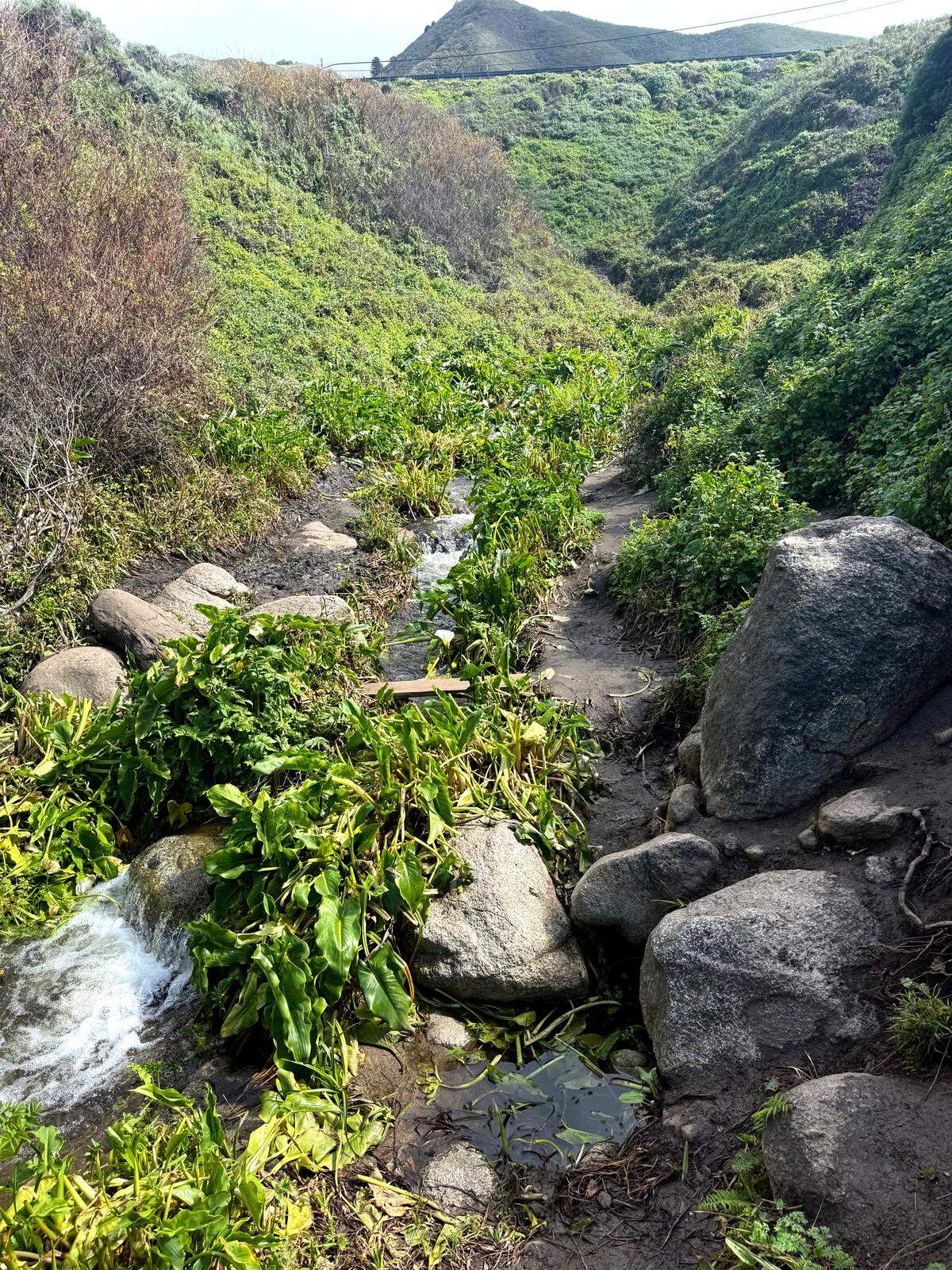
Why did someone destroy flowers in Big Sur park?
There are lots of conjectures about who did it and why: Anger about so much tourism clogging Big Sur? Frustration that nonnative plants are allowed to proliferate there?
“We don’t know,” Dippel told The Tribune. “It’s upsetting to go down and see that somebody got to the level of frustration that they did this without working with us to resolve their issue, or to see the disappointment on the faces of visitors who came to see the flowers and discover they’re not there.”
“I talked to one guy who drove from Oregon to see these flowers” that he’d seen on social media, the ranger said.
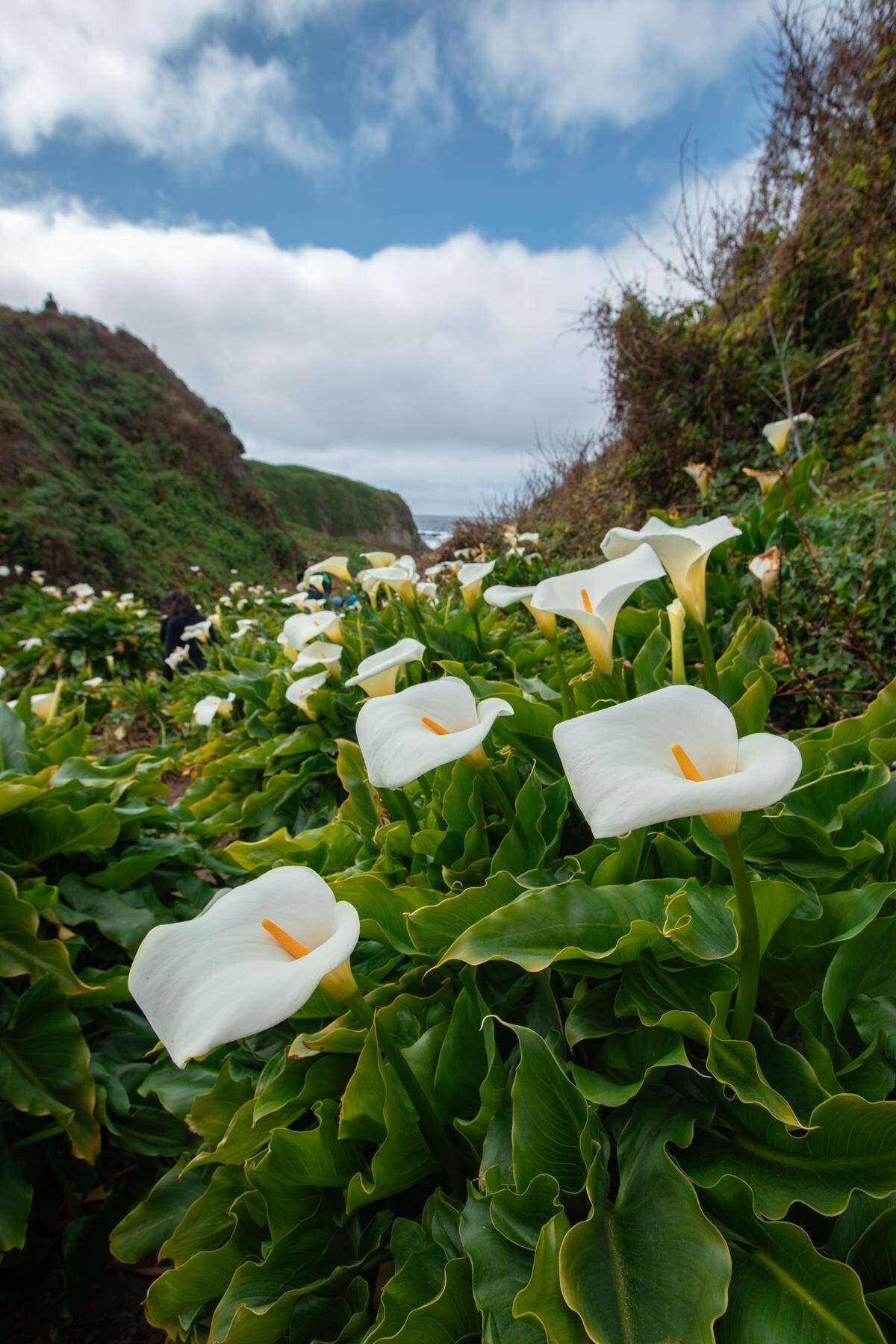
Indeed, people have come from all around the world to see the Garrapata seasonal display, making their way along the narrow, often muddy trail and gingerly crossing a small stream to get further into the sprawling lily patch and to the beach.
Visitation to prime Big Sur sites, including Garrapata, has grown substantially in recent years, according to State Parks officials and residents. Traffic jams, parking and habitat degradation are among the problems.
Online sites touting the lily bloom have contributed to “having this area explode as a new kind of social-media destination, whether the plants in the valley are native or not,” Dippel said.
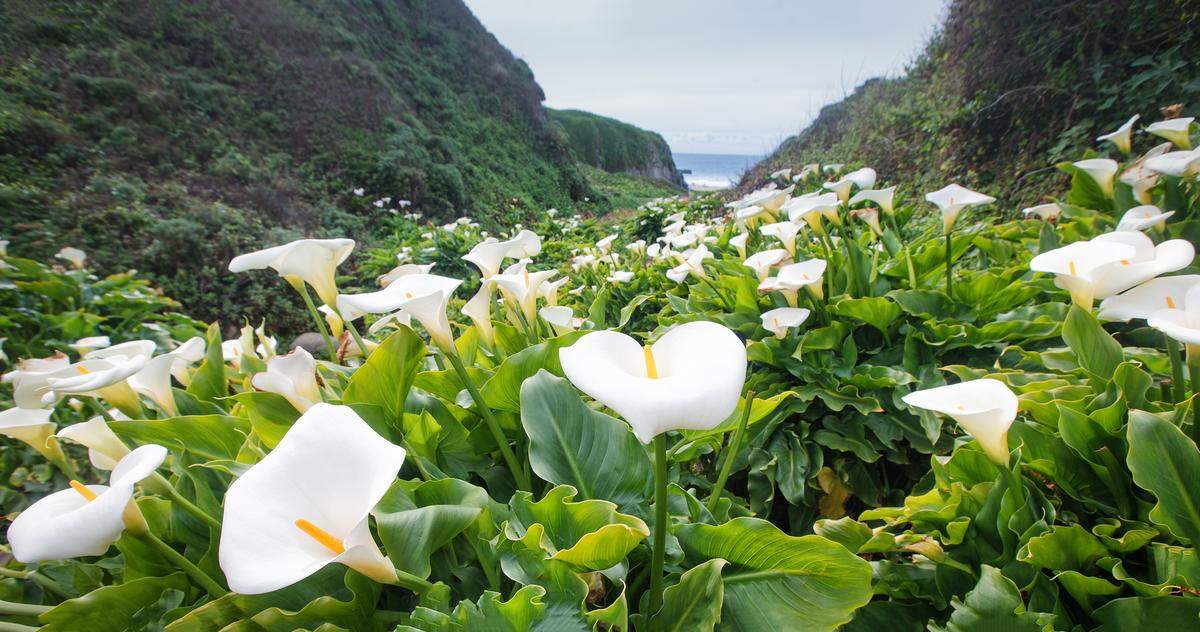
Calla lilies aren’t native to California but are lovely and prolific
Every spring, the small area bursts into a blanket of blooms of the elegant, trumpet-shaped flowers often used for Easter, weddings and funeral floral arrangements.
Groupings can also be seen on other prairies and wetland expanses along the California coast, sometimes even in clusters on vacant lots in neighborhoods. The ornamental plants are native to South Africa.
Calla Lily Valley, which has for years been unofficially promoted worldwide in online posts, is now the topic of social media fury and comments about the destruction of this season’s bloom, from visitors and locals alike. Others say the nonnative plants shouldn’t have been there in the first place.
What seems obvious to some people is that the damage appears to have been someone’s anger mismanagement problem, according to David Thiermann of Santa Cruz.
Thiermann’ is the co-founder of a loosely organized Friends of Garrapata volunteer community group that’s been tidying and fixing up the 3,000-acre park for a nearly a quarter century.
Their Facebook page has about 7,000 followers.
People often ask how they can help, and Theirmann’s response is, “Bring a bag, pick up and bag the trash and take it out.”
Some also have said the destruction may have been reaction to increased tourism in the area, or a statement by environmental purists about the dangers of invasive plants.
Theirmann said he doubts any environmentalist link, saying that anybody trying to discourage nonnative plants in the park would have dug up and removed the bulbs so they couldn’t bloom again.
Meanwhile, evidence of the destruction remains, leaving it looking somewhat like the area does at the end of a season’s bloom, when the flowers and stalks die back, Dippel said.
Except this time, the greenery on some plants was stomped and crushed.
“If someone is frustrated about something, let’s talk,” he said. “Don’t go unpermitted off the trail and mutilate the plants. Don’t do this.”
Also, “it’s illegal to remove or damage vegetation in state parks, native or not,” the ranger said. The state Code of Regulations says a citation could be issued to anyone caught injuring or taking plants, who could then be charged with an infraction or a misdemeanor.
Theirmann hopes they find the vandals.
“They didn’t just remove the plants, they went in and massacred them. It’s very disturbing, very sad,” he said.
This story was originally published March 4, 2026 at 5:00 AM.