SLO County shelter is adding 30 new beds — all for unhoused families
Unhoused San Luis Obispo County families will have a new place to lay their heads by the end of this year.
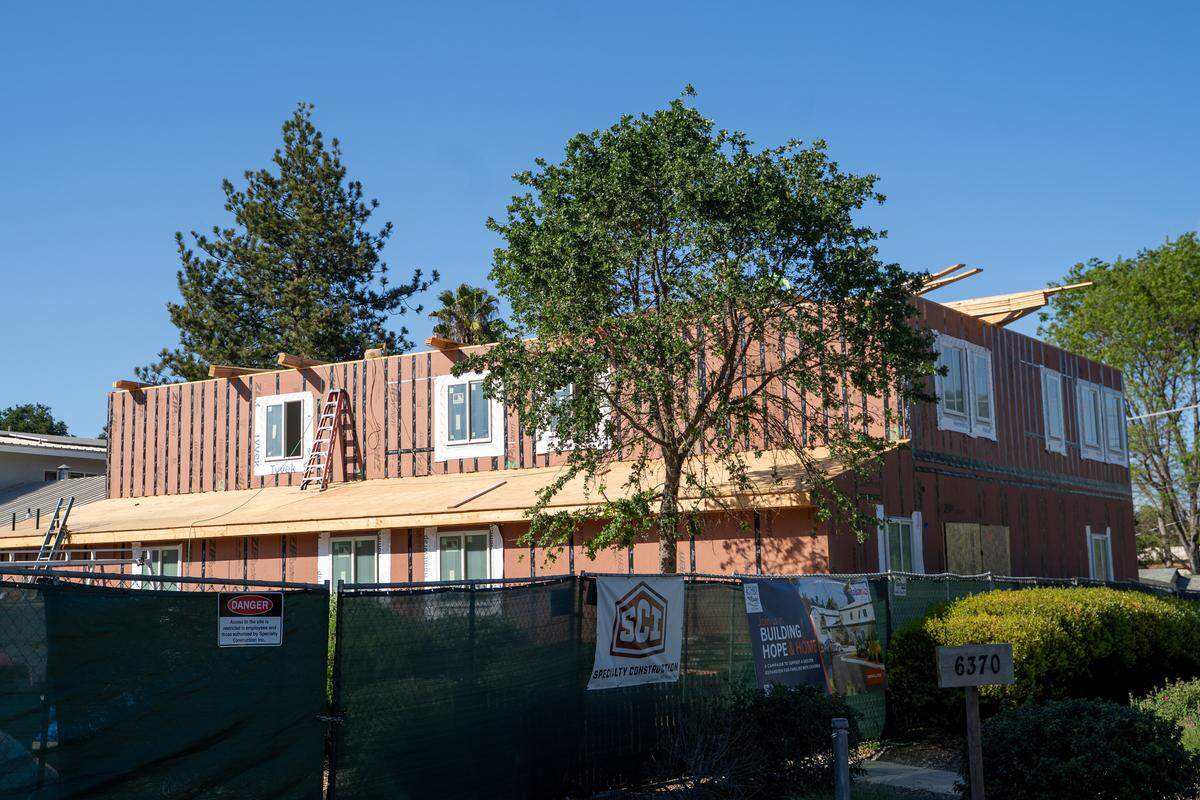
Since October, construction work has been ongoing at the site of the El Camino Homeless Organization’s Atascadero homeless shelter, bringing a series of modular facilities online next to the original building.
The new modular building will serve a unique purpose — to add 30 beds exclusively for families, effectively doubling ECHO Atascadero’s overnight capacity, ECHO director of development Tess Davis Cheek said.
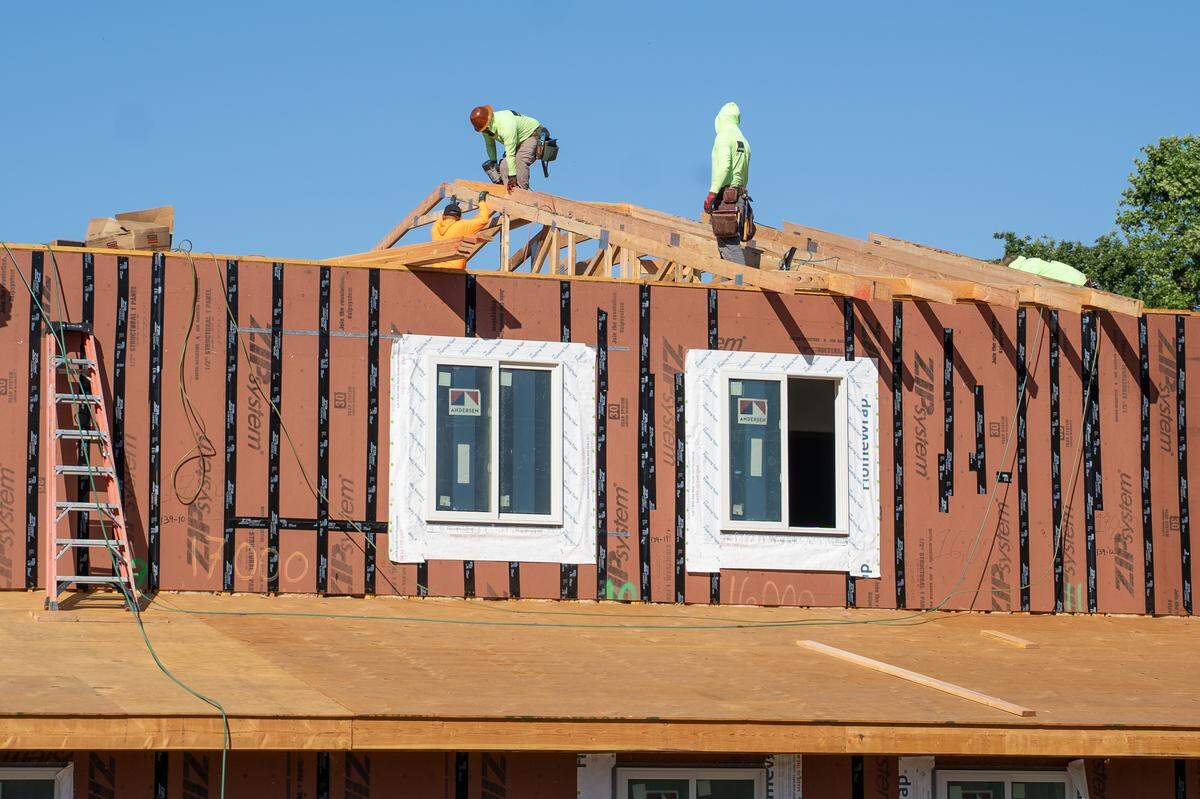
The $6 million expansion — $2.8 million provided by the Balay Ko Foundation and the rest from ECHO’s capital campaign — consists of 17 units that were manufactured by Bevyhouse in Santa Paula and driven to Atascadero on flatbed trucks, where they were assembled by crane “like giant Legos,” Davis Cheek said.
The new beds will fit into the shelter’s 90-day housing program, which guarantees an individual a bed for 90 days so long as they remain engaged with housing navigation and case management, Davis Cheek said.
“To be able to see these outcomes, you have to have that stability, and you have to be able to build community,” Davis Cheek said. “Having those nightly beds ... gets people from one night to the next, and that’s really important, but finding stability in that way — it’s just not a solution.”
Modular housing to provide family-friendly amenities
Discussions of adding a family wing to ECHO kicked off in 2023, when the Balay Ko Foundation reached out to ECHO with a funding offer to support housing relief.
“Unfortunately, the ... fastest-growing unhoused population is children and seniors, and so (ECHO) wanted to expand to meet that unmet need,” Davis Cheek said. “That’s when the dream of expanding our shelter and specifically having a dedicated family wing started.”
The Balay Ko Foundation is a private funder that’s backed several transitional and long-term housing projects in San Luis Obispo County, including the Cabins for Change shelter in Grover Beach and the Housing Authority of San Luis Obispo’s 55-unit, Balay Ko on Monterey senior affordable housing project.
Though the organization has made several significant financial contributions to housing relief in San Luis Obispo County, it also does not engage in publicity and does not provide statements to the media.
Davis Cheek said the $6 million allocated to the Balay Ko Family Resource Center should cover its costs for the first years of general operation, including several new case managers and day-to-day expenses.
Families will have access to a shared bathroom that includes a shower, changing table and a bathtub — a necessity for a facility that will house families with children as young as newborns, Davis Cheek said.
“Having this dedicated wing for families helps too, because right now you if a baby is screaming in the family wing, you can hear it over on the other side, and that’s hard,” Davis Cheek said. “People are going through all sorts of challenges, and they want to get to sleep. Having a newborn crying all night is tricky.”
In addition to essential facilities, the expansion will include a “children’s creativity room” that will provide children with arts and crafts and other toys in a living room environment, she said.
It will also feature a laundry facility accessible to both ECHO Atascadero clients and the public — a significant advancement for hygiene options for people experiencing homelessness, Davis Cheek said.
There will also be a workforce development classroom, featuring computers and desks for documentation and job search assistance, Davis Cheek said.
“When we do resume-building workshops right now, it’s at the picnic tables, and sometimes we have access to a conference room,” Davis Cheek said. “All of our offices are stacked with like, three people in them, so there’s not a lot of privacy, but now we’ll have a dedicated room for that.”
ECHO expansion to open later this year
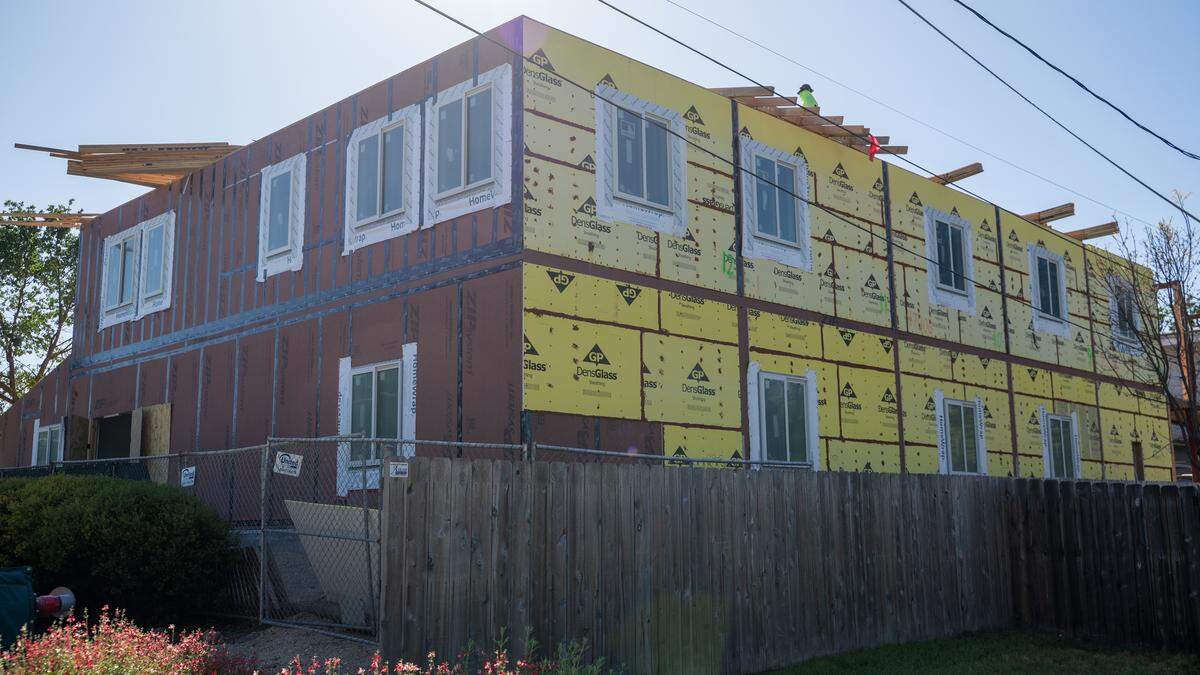
Davis Cheek said work is progressing steadily on the expansion, which is set to open its doors to clients by the end of this year.
She said the modular facility will help ECHO start housing more clients from its waitlist, which already stretches more than 300 individuals long.
“Probably one of the most important things in working with the unhoused population is not creating barriers, because that’s all that folks are seeing, is one barrier after the next,” Davis Cheek said. “Whether that’s with their family or employment or housing or with neighbors or people who don’t want to see them or deal with them, because people have these preconceived notions or ideas of what got people to homelessness that are oftentimes incorrect.”
“Being able to come back here a second time, a third time, a fourth time — we will give you as many chances as you need to help you get to what you need to get to,” Davis Cheek continued. “Success looks different for everybody, but we will meet people where they’re at and help them achieve what success looks like to them.”