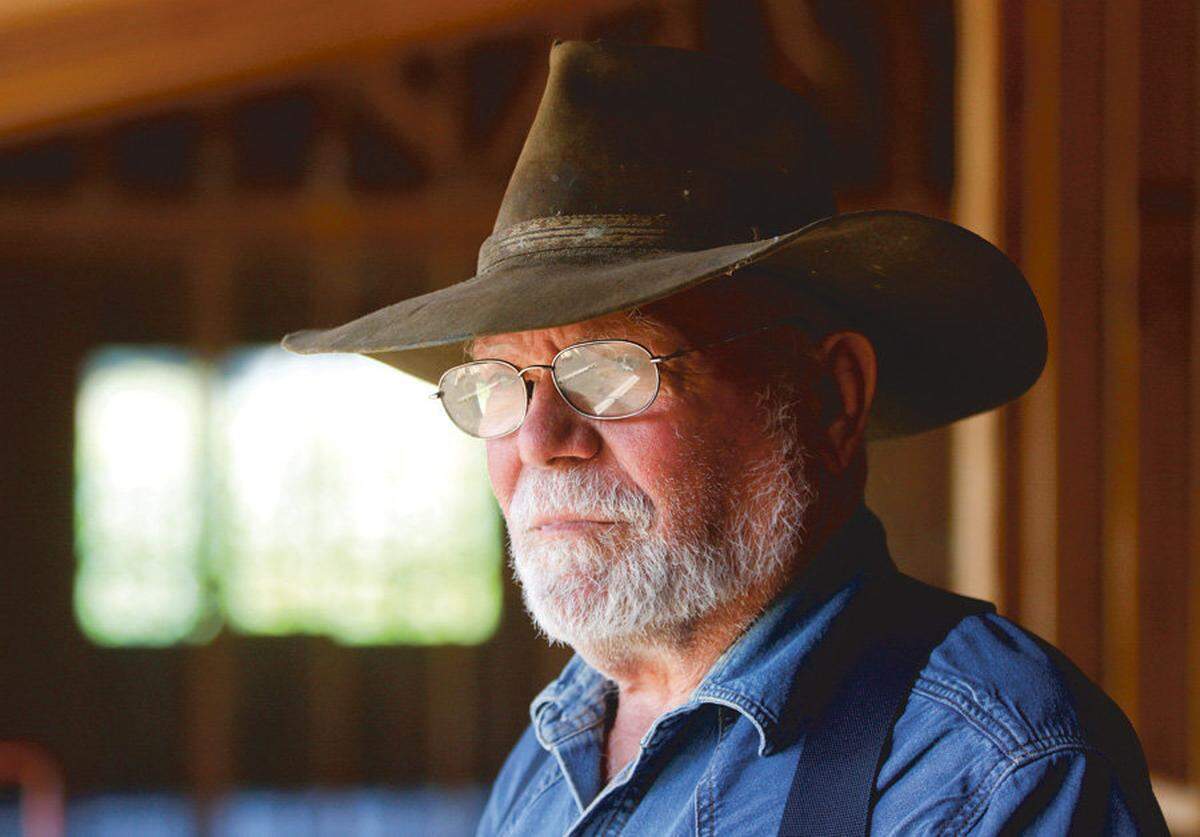
Dan De Vaul, founder of Sunny Acres rehabilitation ranch in SLO, dies at 82
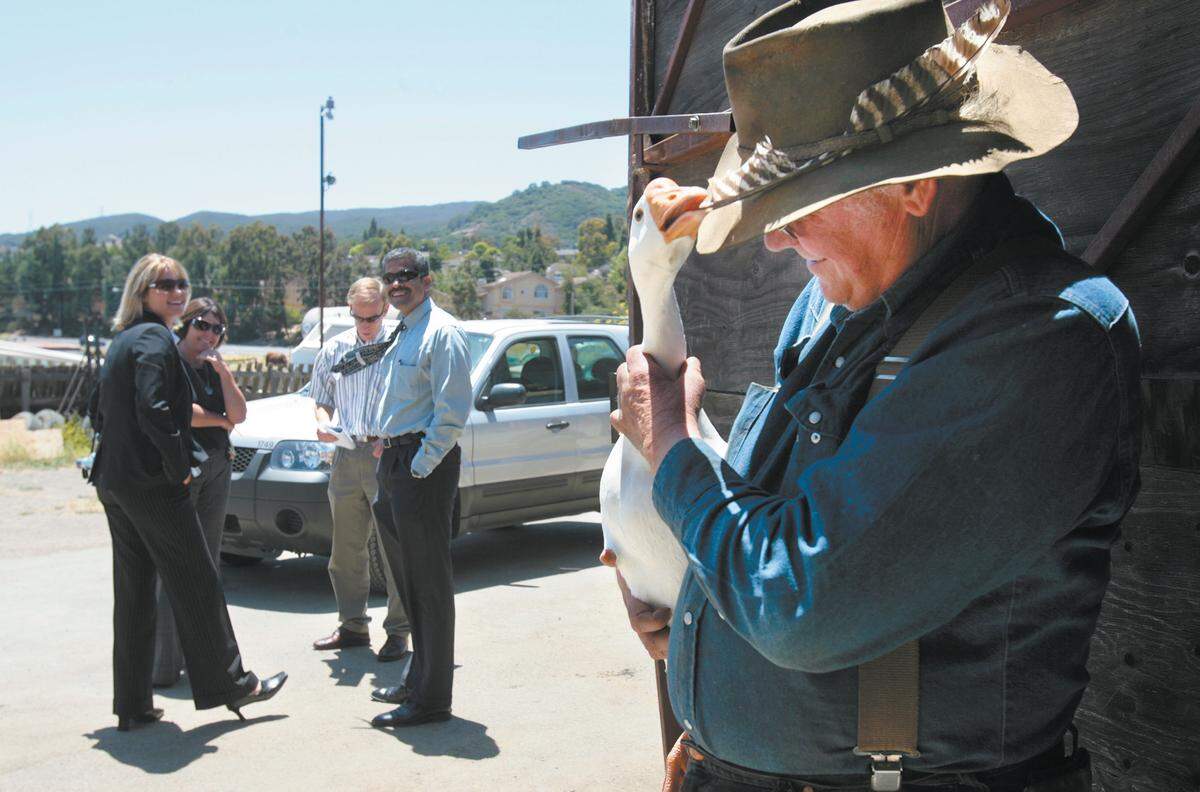
The owner of Sunny Acres, the controversial homeless rehabilitation ranch in San Luis Obispo, has died at age 82.
Dan DeVaul died March 6 of complications related to old age, dementia and other lifelong health issues, according to people close to De Vaul.
De Vaul was a longtime fixture in San Luis Obispo County’s efforts to curb homelessness. Established in the early 2000s, his Sunny Acres ranch predated many of the large-scale advancements in homelessness response including 40 Prado Homeless Services Center and other key players in the world of homelessness responses.
Unlike many of those more institutional forms of homelessness response, De Vaul’s ranch used methods to achieve its goals of sobriety and rehabilitation that, while controversial to county officials and outsiders, were praised by some of his former associates and clients.
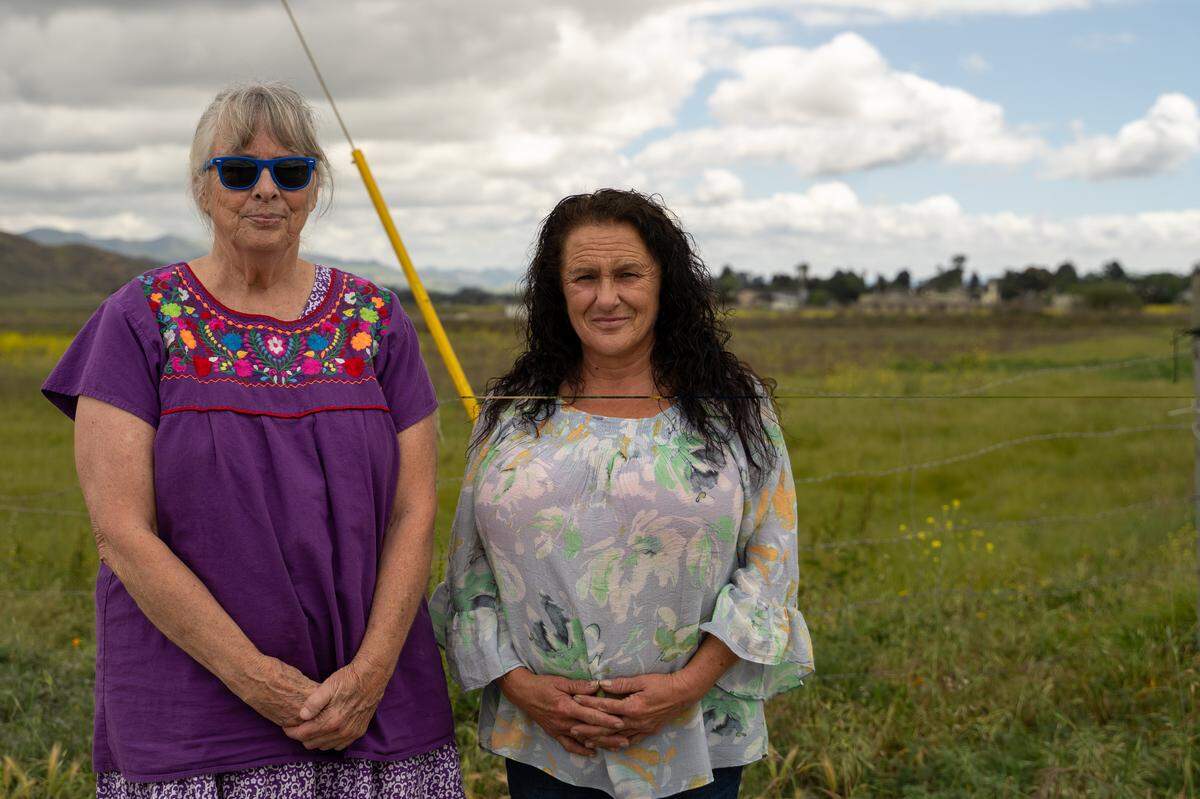
Becky Jorgeson, the leader of the grassroots homeless outreach group Hope’s Village of SLO, recalled her time living at Sunny Acres for three years while she was romantically involved with De Vaul. She first met him while cleaning up trash on the roadside of Los Osos Valley Road along the border of his property more than two decades ago.
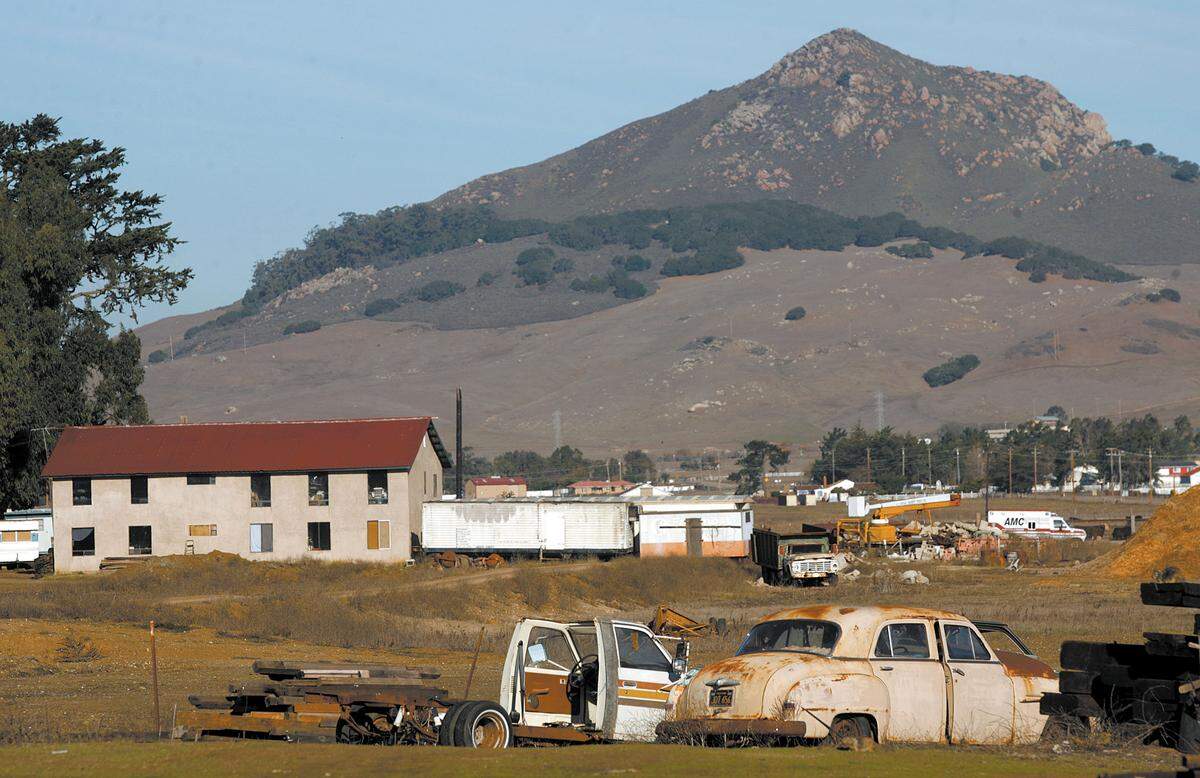
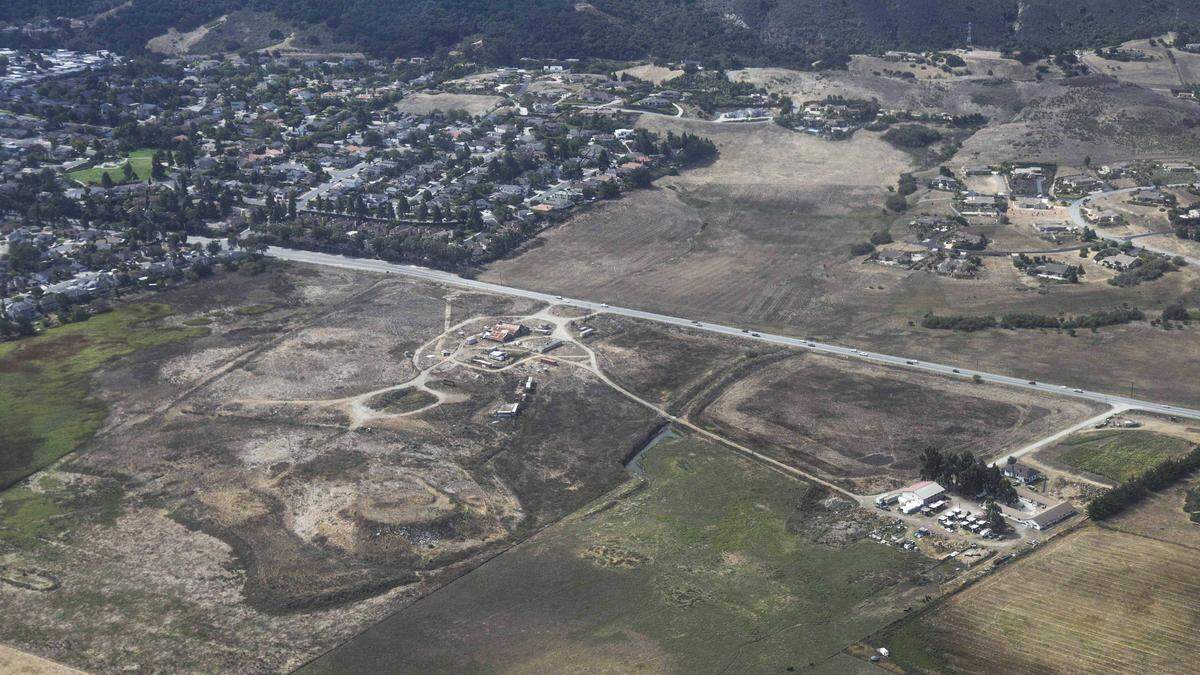
Sunny Acres is located just outside the city limits and therefore in the jurisdiction of the county.
“We had a whole bunch of people come from the community and help try to clean up for the county, and here comes Dan on his big old tractor, just bigger than life,” Jorgeson said. “I saw this guy, and I thought, ‘Oh, my God’ — just a real connection.”
“He was a sweet, loving man,” Jorgeson continued. “He was ornery as hell, but he just had a different delivery.”
Jorgeson said that while De Vaul’s relationship with the county was often rocky and fraught with controversy, he filled a vital role in the way that the county dealt with chronically homeless individuals living with substance abuse disorders, convicted sex offenders and others that the system would not care for.
“The county brought people out here for him to take care of that they couldn’t deal with — the 290s (sex offenders) were brought out here, and the county harassed him for 20 years,” Jorgeson said. “If anybody, any other man, would have gone through what he went through, it would have brought them to their knees.”
DeVaul remembered as compassionate helping hand
Depending on who you ask, De Vaul was either a vital part of the behavioral health response in San Luis Obispo or a stubborn character who refused to do things any other way but his own, or more realistically, both.
She said De Vaul’s compassion and patience for people experiencing addiction stemmed from his own battle with alcoholism. Prior to shifting his ranch into a full-time focus on rehabilitation, he would often have a couple of men struggling with alcoholism stay with him to work on their sobriety together, and when word got out, he embraced his de facto role.
At its peak in the late 2000s and early 2010s, Sunny Acres ranch housed around 50 people at a time, fitting people in varying stages of drug and alcohol recovery into an ever-expanding series of buildings raised on the property, almost always without a permit or any semblance of county approval, Jorgeson said.
Residents of the ranch were expected to work from sunup to around 5 p.m., chopping wood, plowing the fields and planting crops of pumpkins and Christmas trees that sustained the property, Jorgeson said.
Hard work was rewarded with around $5 an hour and a roof over the head of De Vaul’s guests, and people who had income were required to pay a third of their income each year to stay on the property, Jorgeson said.
In exchange, it wasn’t uncommon for guests to live on the property for months to years, however long it took to obtain a level of stability and sobriety, Jorgeson said.
Carol Perez, a San Luis Obispo County resident, said she spent six months living at the property in 2003 when she was facing a dire housing situation.
When she first arrived there early in its transformation into Sunny Acres, there were just a handful of buildings and trailers, Perez said. By the time she left, she had helped De Vaul build a series of small buildings that came to make up some of the on-site housing.
Later, a large barn would be erected by De Vaul and his guests, which would become his personal residence alongside Jorgeson and others.
“He really helped me, because I had just lost my place, and I just got two days in jail and got out,” Perez said. “I came to talk to Dan, and he just comforted me and gave me the place to stay. And I did as much as I could for him, but he was always there when you needed someone to talk to or help with anything.”
DeVaul leaves behind complex legacy at Sunny Acres
Though friends and supporters of De Vaul praised his work at Sunny Acres, his practices were no stranger to controversy and legal battles.
Residents of the ranch were evicted in 2005 after the county mandated the facility close due to code and land-use violations, and San Luis Obispo Superior Court Judge Charles Crandall declared the ranch a public nuisance in July 2010.
De Vaul also filed a lawsuit against the county in 2009 related to code violations, which was settled in 2013, allowing him to build the main 14-bedroom recovery building.
Legal issues persisted for the ranch’s entire 23-year existence. In 2021, De Vaul rejected an offer to purchase the property by Santa Margarita’s Cole Farms, which aimed to clean up the facility and maintain its mission.
In April 2022, the county sued De Vaul over the living conditions at Sunny Acres, which mostly stemmed from concerns over health, safety and illegal dwellings.
Later that month, De Vaul was also sued by residents of Sunny Acres in 2022 after a civil complaint alleged that he had not paid the residents for a significant amount of work.
The property was in and out of court-ordered receivership over its two decades of service, and most recently entered the care of the California Receivership Group under court order in 2023, kicking off an extensive cleanup that saw unpermitted structures and debris removed from the property.
Cherisse Sweeney, a longtime friend of De Vaul who held power of attorney in the later stages of his residency on the property, said these lawsuits reflected his turbulent relationship with the county. Her own family, which came from a ranching and later construction background, helped De Vaul build some of the unpermitted buildings, contributing concrete foundations.
“It felt like the system that relied on him so much also pushed against him,” Sweeney said.
Sweeney said De Vaul’s distrust of most authority figures stemmed from his background as a rancher.
At one point, the De Vaul family owned around 900 acres of land in the county, but eminent domain takings slowly shrank their ownership to the 72-acre property on Los Osos Valley Road, she said.
As it stands, nonprofit Restorative Partners is working with the state Department of Housing and Community Development to use a Project Homekey grant to fully purchase the property and redevelop the Sunny Acres ranch into a recovery center.
Sweeney said one of her favorite memories of De Vaul came near the end of his time living on the ranch, when a “barely coherent” De Vaul, dehydrated and weakened by a bout of COVID-19, had her call an ambulance to help him down from the barn loft where he lived.
“One of the EMTs that helped get him down the stairs after they put him in the ambulance said, ‘It was an honor to take this man down his from the barn today. He’s done a lot for this county,’” Sweeney said. “In this community, that speaks volumes.”
Sweeney said De Vaul spent his last years at a care home in Virginia, where his sons live.
“I’ve spoken to many, that, if they didn’t have Sunny Acres, wouldn’t be alive, wouldn’t have a life, or they would have lost a son, or they didn’t have another chance,” Sweeney said. “I think ultimately his legacy were the lives and the people that he helped, not the land.”
This story was originally published April 5, 2026 at 5:00 AM.