SLO safe parking program gets needed funding. When will it be up and running?
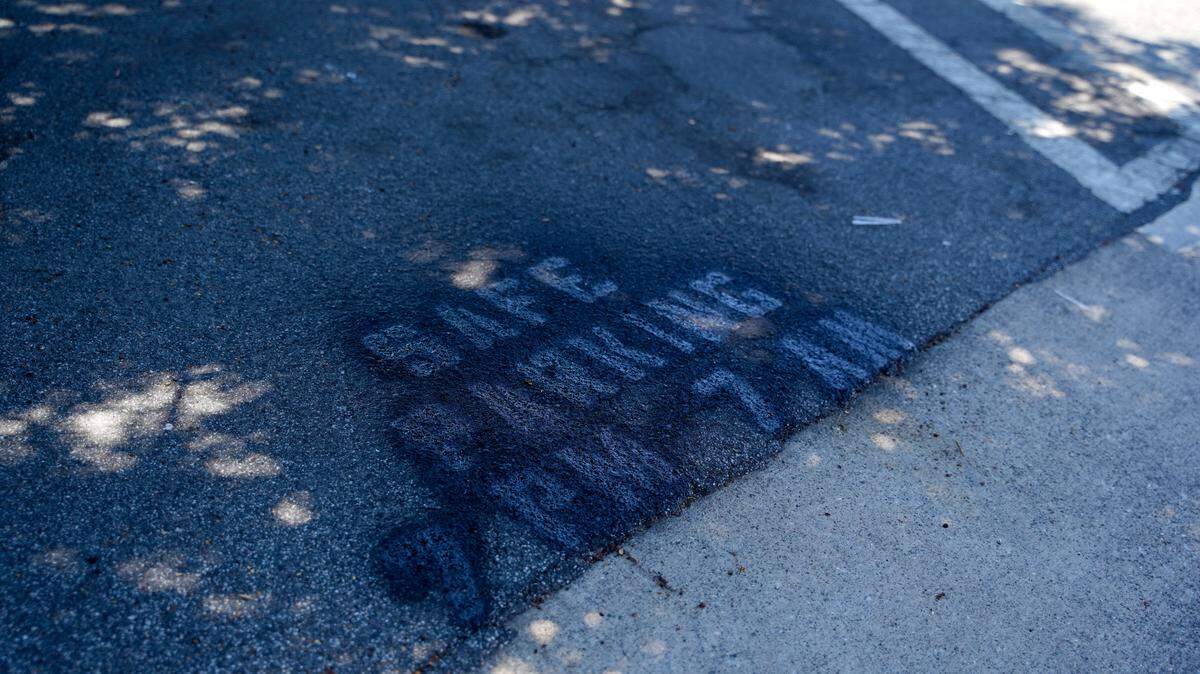
The San Luis Obispo County Board of Supervisors agreed to fund a new program that will give homeless individuals living in their vehicles a safe place to take shelter — and it’s starting sooner than you’d think.
Homeless residents of San Luis Obispo County have been low on places to legally park at night for more than two years, since the city of San Luis Obispo’s Railroad Square Safe Parking program closed in August 2023.
With limited alternatives, homeless individuals living in their vehicles have only been able to find legal overnight parking at the dozen spots at the Community Action Partnership of San Luis Obispo’s 40 Prado Homeless Services Center.
Earlier this year, the San Luis Obispo Planning Commission approved a new plan for safe parking that would see a mix of faith-based and city-operated parking sites moving around the city, rotating from one spot to another each month.
On Tuesday, CAPSLO secured the last piece of the puzzle: funding and approval from the county Board of Supervisors.
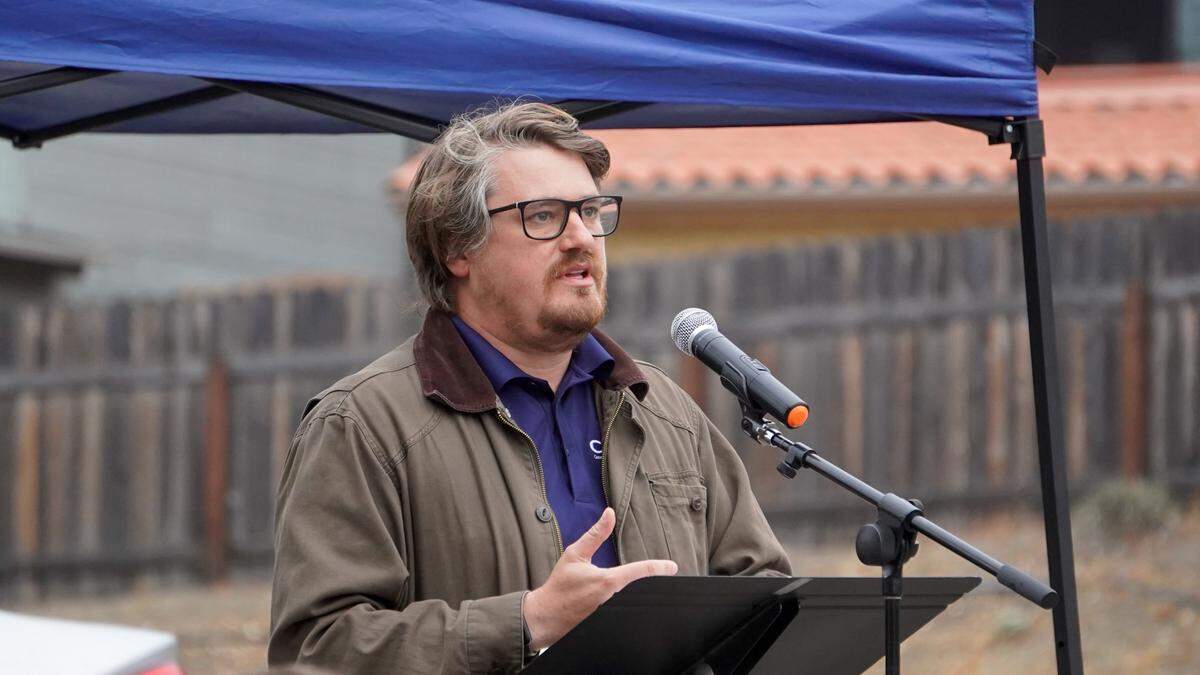
CAPSLO homeless services director Jack Lahey said after two years of trying to reestablish a safe parking program, he’s proud of the work CAPSLO and the faith community have done to provide a safe place to sleep — and a chance at getting connected with housing resources — to a growing portion of the homeless population that lives in their vehicles.
“This is the largest group of people experiencing homelessness in SLO County — previously it was people who are unsheltered homeless, but now it’s people who are experiencing homelessness in their vehicles,” Lahey said. “We’ve really struggled with meeting the need — at some points, our referral list for safe parking is over 120 households just for 12 spots.”
Long road to safe parking over the past 2 years
According to the board’s staff report, the Community Safe Parking program will be funded by interest earned from funding received in the first two rounds of the Homeless Housing, Assistance and Prevention Program, which was originally created by the federal government in 2021.
In total, the board approved a disbursement of $293,153 of earned interest from HHAP-1 and HHAP-2 funding, providing CAPSLO with enough funds to run the safe parking program for 30 months, or through February 2028.
Lahey said after efforts to re-launch the program failed in 2023 and 2024 due to neighborhood backlash at previously proposed individual sites in the 1700 block of Palm Street and the parking lot of SLO Naz Church, CAPSLO and city officials turned their attention to a rotating model to lower potential impacts on the surrounding neighborhoods.
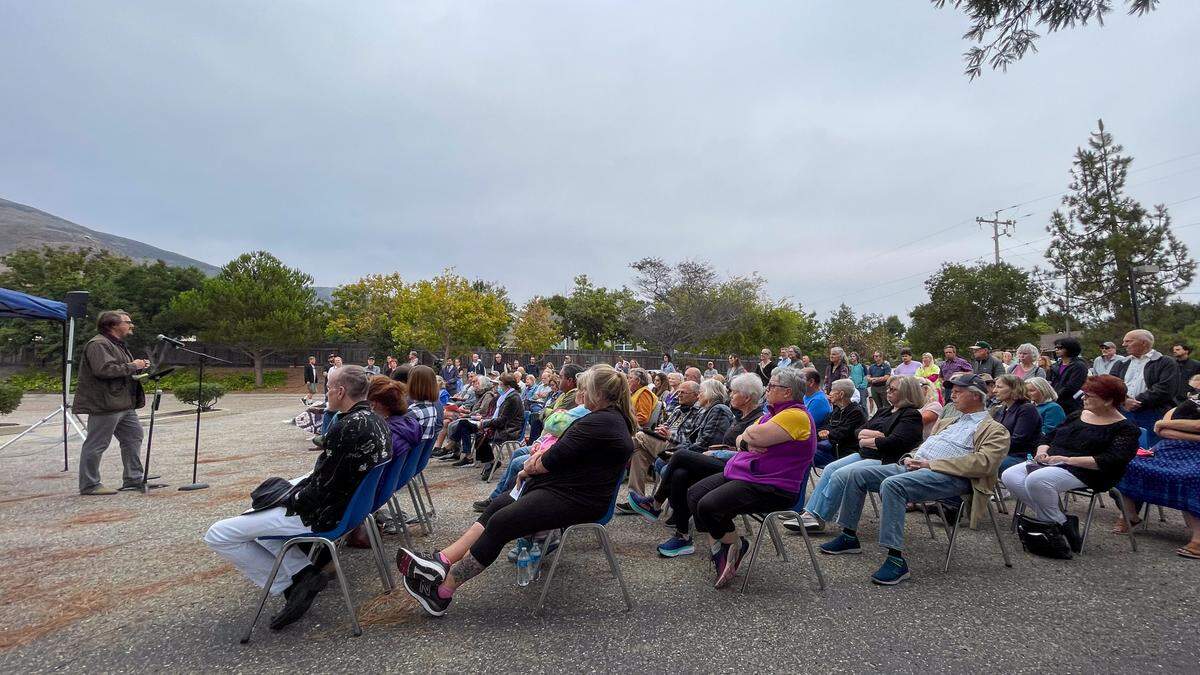
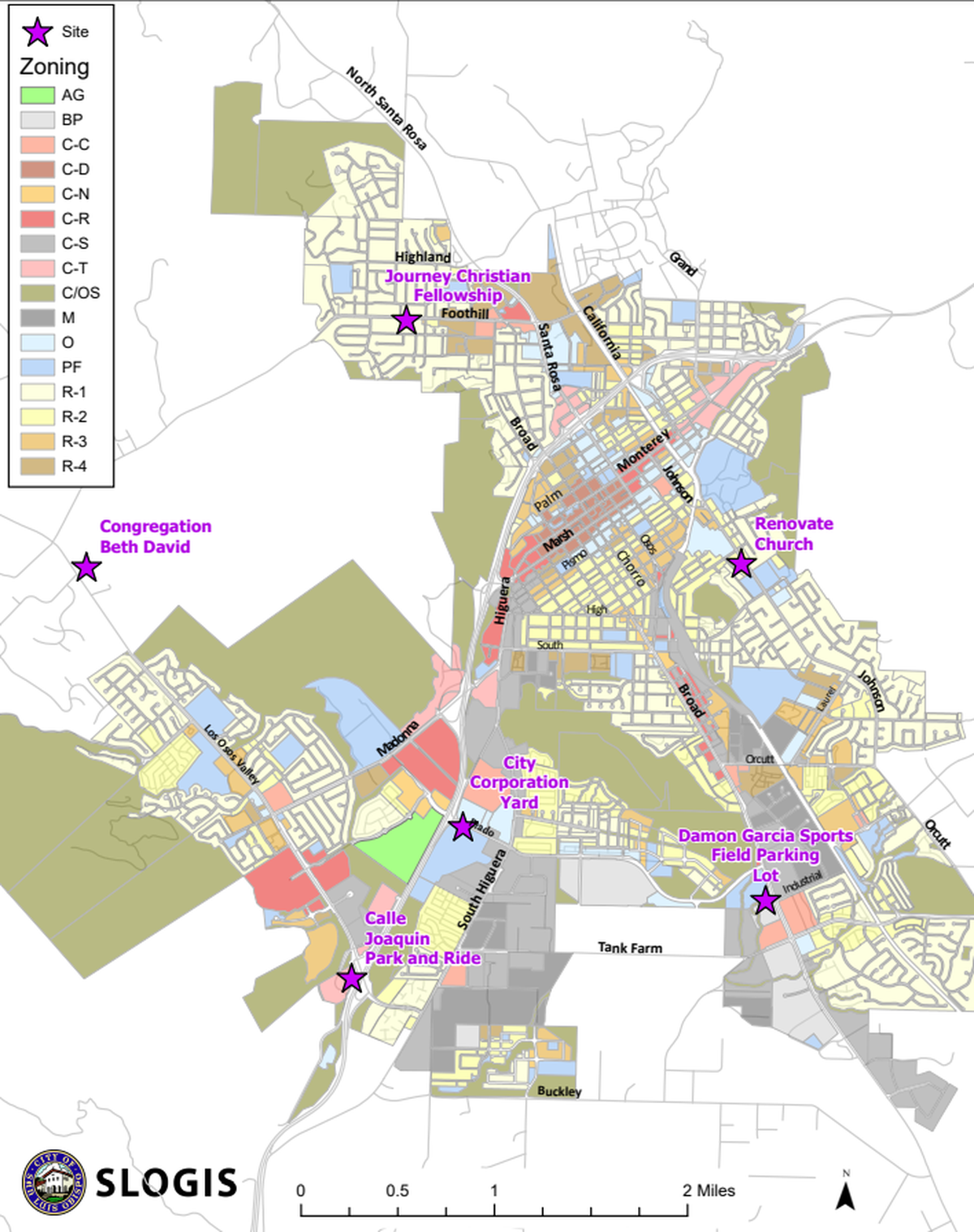
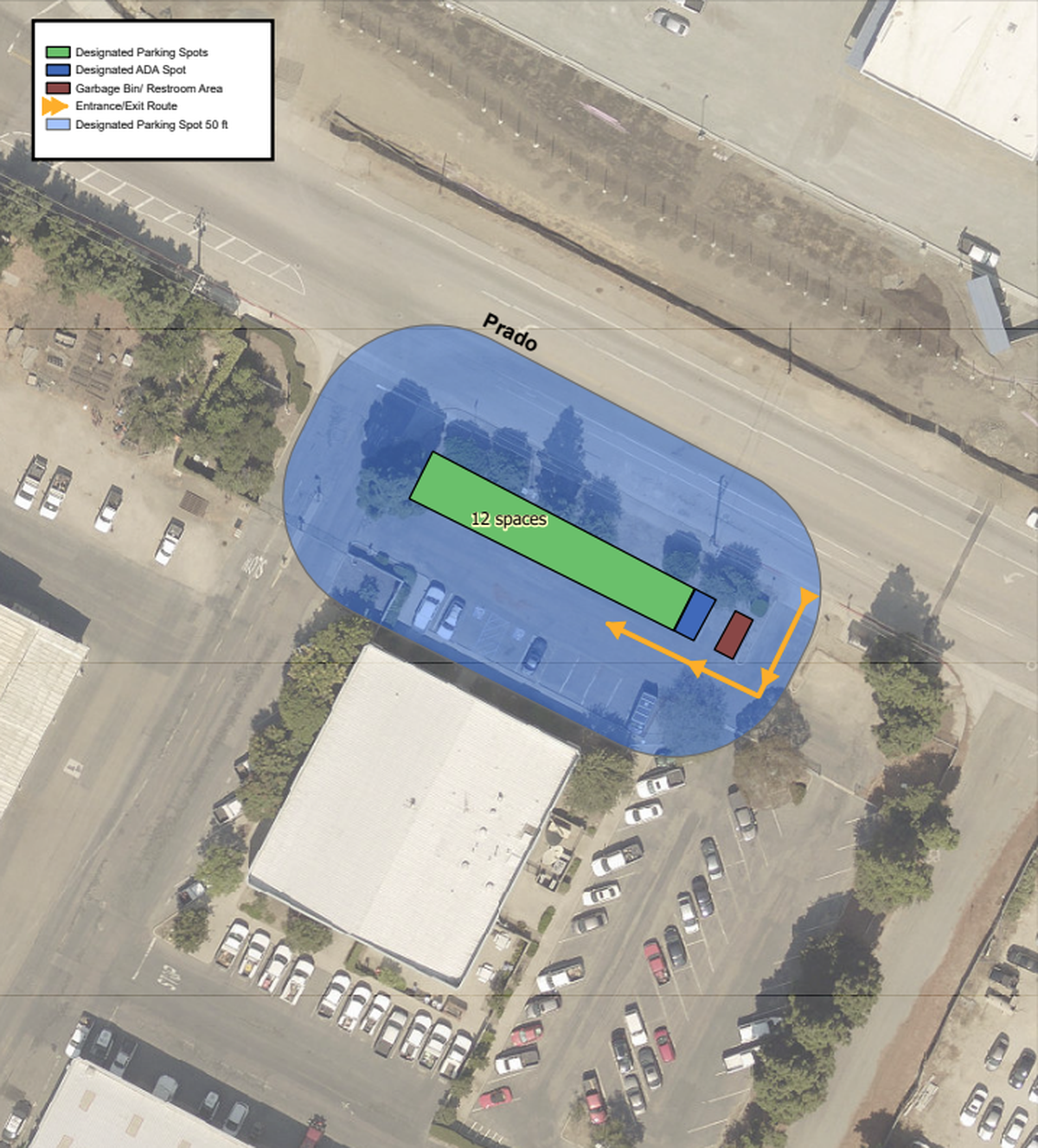
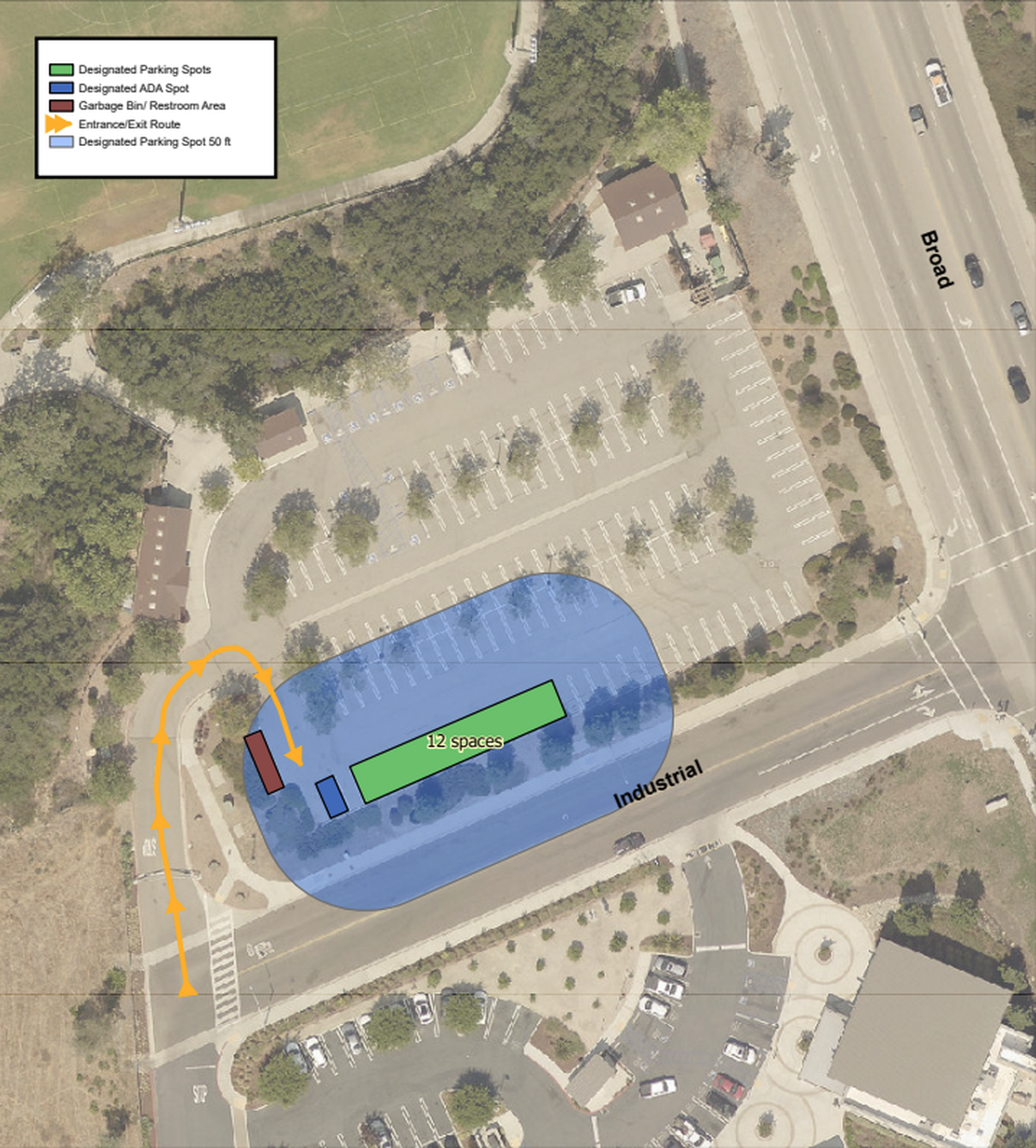
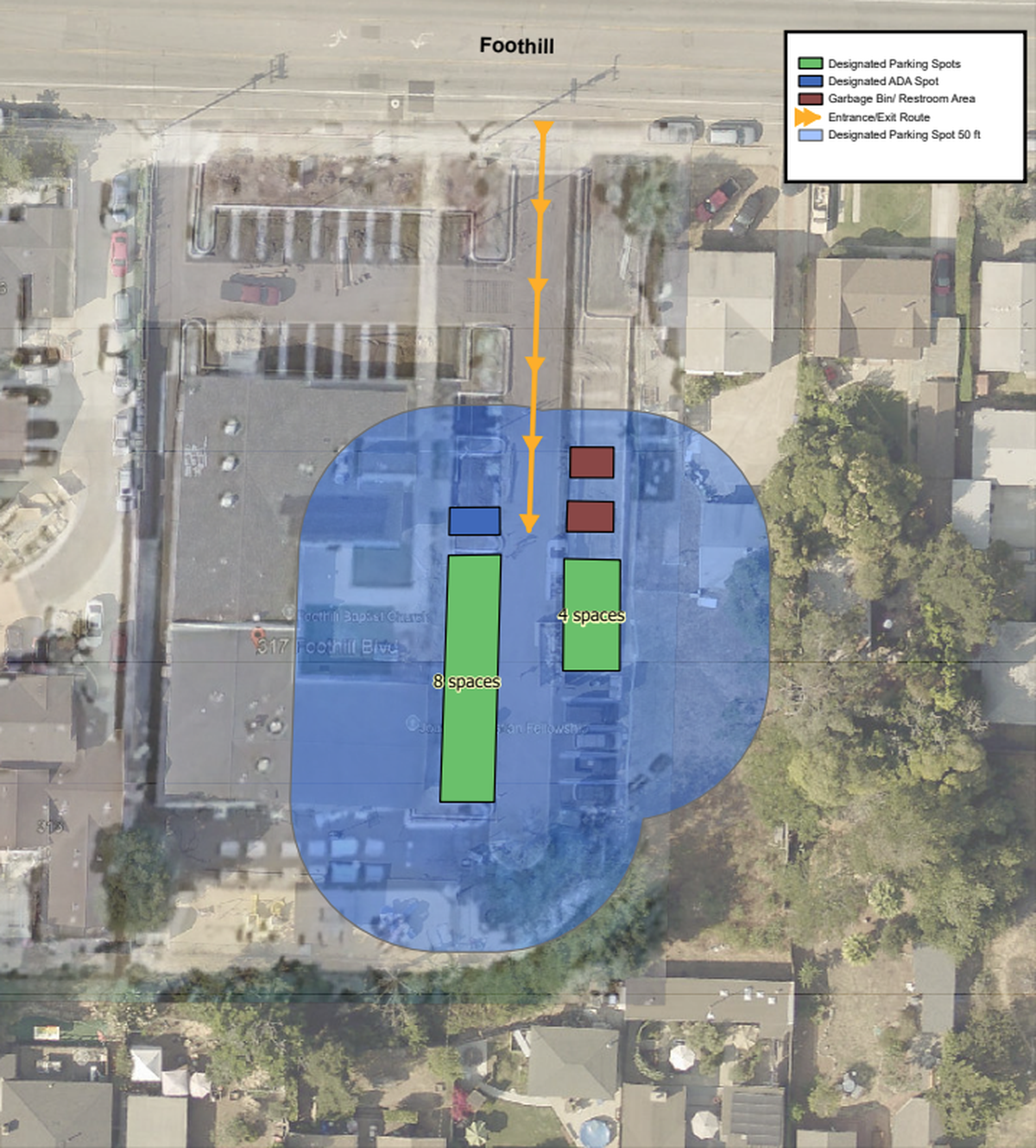
The latest version of the program would see the establishment of parking sites at five location within city limits: the park-and-ride at 1545 Calle Joaquin, the city Corporation Yard at 25 Prado Road, the Damon Garcia Sports Field parking lot at 680 Industrial Way, Renovate Church at 2075 Johnson Ave. and Journey Christian Fellowship at 317 Foothill Blvd.
Congregation Beth David at 10180 Los Osos Valley Road, which is outside city limits, will also participate in the program.
The program is set to rotate monthly between the six locations, with each faith-based site hosting the program for one or two rotations within a 12-month period and city properties hosting for one to four rotations over that time, Lahey said.
Lahey said the sites were selected over the course of the past year, with an increased emphasis on using city-owned sites and less centralized locations. The city held monthly meetings with partners in the faith community to develop and refine the program model, he said.
How does the new program work?
The process of being admitted into the safe parking program starts at 40 Prado, where participants will be enrolled in the shelter’s existing safe parking program for an initial 30-day period, according to a January Planning Commission staff report.
According to the staff report, each site would only allow 12 vehicles to park overnight between the hours of 7 p.m. and 7 a.m., and will include basic amenities such as water, trash and restroom facilities.
During the intake process, participants will undergo a Megan’s Law background check, as no sex offenders will be permitted to stay at the rotating sites, according to the staff report.
From there, CAPSLO will assign individuals out to the rotating program on a case-by-case basis if the program is a good fit for their needs, according to the staff report.
Once a participant has agreed to the terms of the site, they will be enrolled for a 90-day period in which they can use the program overnight, during which they will be engaged by CAPSLO case managers, according to the staff report..
If a participant is actively engaging with their case manager, but has not been able to secure permanent housing, a 30-day extension may be granted by CAPSLO, according to the staff report.
Participants will agree not to possess or use any illegal drugs or alcohol onsite, and are not permitted to keep or use weapons or firearms, according to the staff report.
Fires will not be allowed, and physical violence of any kind will not be permitted, according to the staff report. No music audible outside participant vehicles will be allowed, with the San Luis Obispo city noise ordinance taking effect at 10 p.m.
Participants must also follow CAPSLO’s Good Neighbor Policy, which requires vehicles to stay 50 feet from any residential property, vacate the neighborhood by at least half a mile during daytime hours and to be respectful and courteous to neighbors, fellow participants and site operators.
According to the staff report, CAPSLO will maintain a roster of safe parking participants that will be shared between site hosts and the city, and will offer coordinated entry assessments to get participants paired with services.
Several security measures will be put in place for the protection of participants and community members, such as periodic site checks every two hours overnight by a dedicated CAPSLO staff member and occasional site patrols by the San Luis Obispo Police Department.
According to the staff report, CAPSLO will maintain a roster of safe parking participants that will be shared between site hosts and the city, and will offer coordinated entry assessments to get participants paired with services.
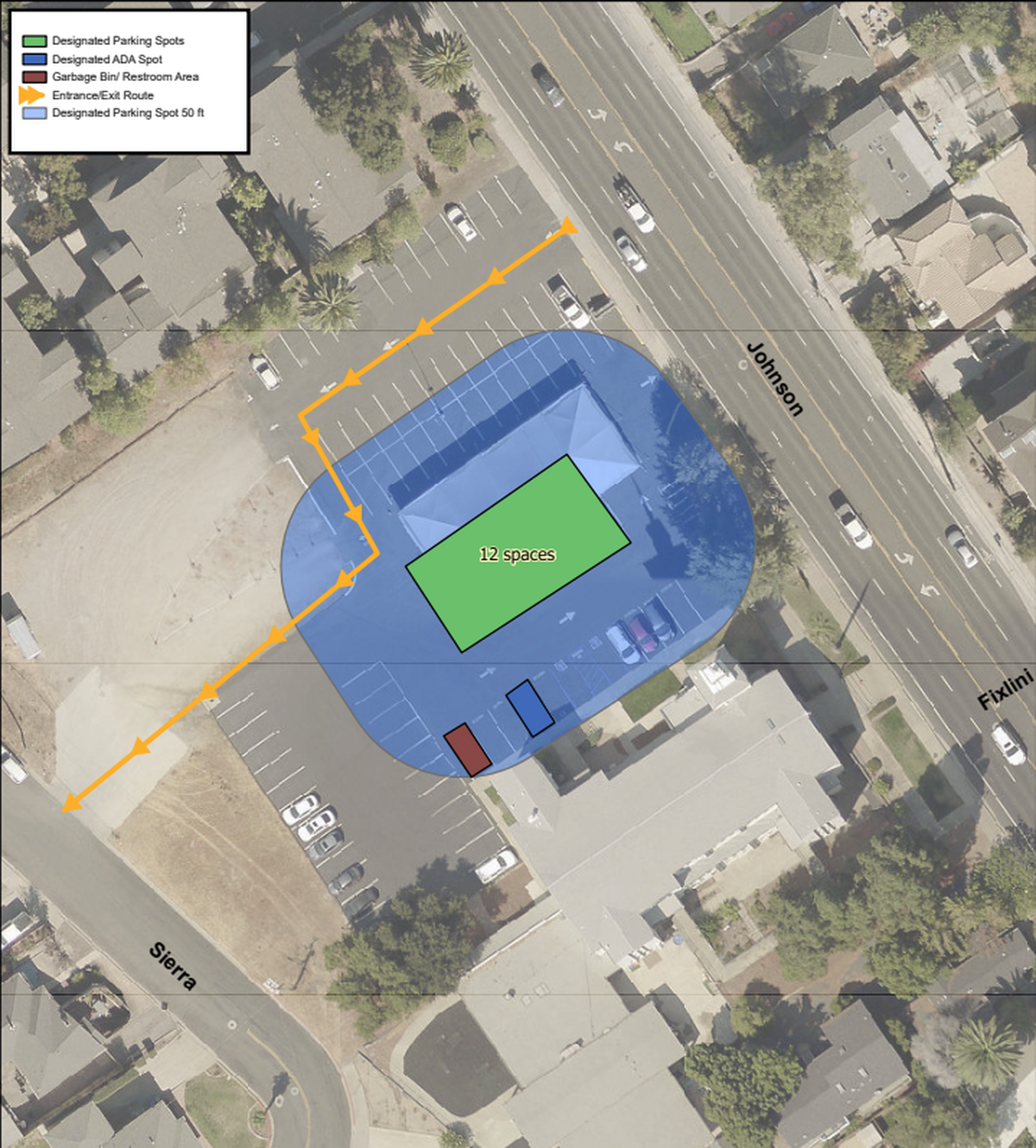
A participant who has proven to consistently follow site rules will also be designated as site captain, a paid role that will support the staff by helping move barricades, monitor the restroom and dumpster facilities and help settle site issues.
Most importantly, CAPSLO will ensure that local residents receive preference in admission and will enroll participants in CAPSLO’s case management to connect participants to housing.
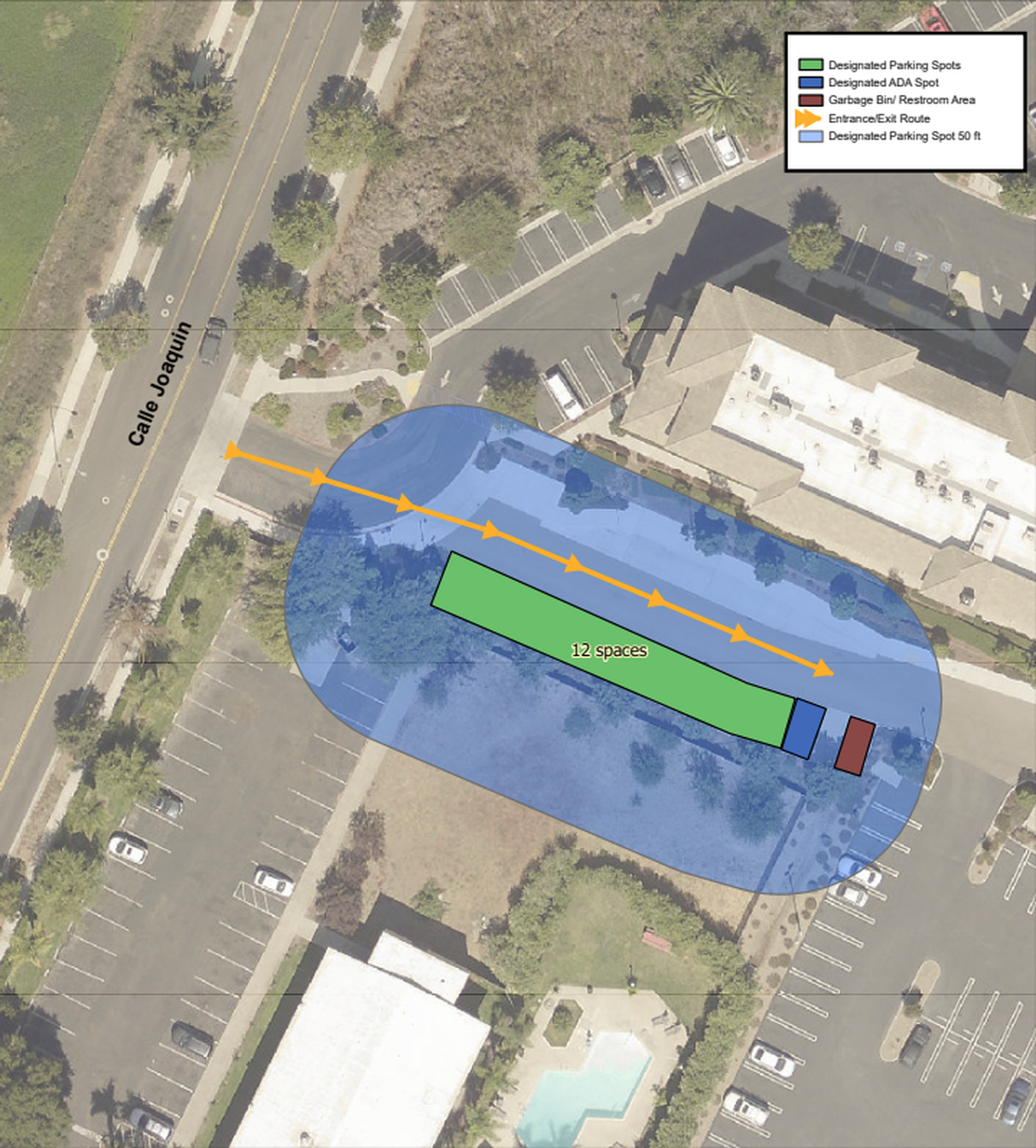
When is safe parking program starting?
Lahey said though the process of getting the Community Safe Parking program was lengthy, the process of getting it up and running will be relatively simple with funding in hand.
The program is expected to start hosting applicants by the end of August, Lahey said.
“It’s a testament to my CAPSLO team and to the city of really sticking with the concept of safe parking,” Lahey said. “It’s an incredible feeling just to realize that everybody has come together to address this need that we’ve been identifying and struggling with since Railroad closed.”
This story was originally published August 22, 2025 at 9:00 AM.