Unhoused people face barriers to medical care. How a SLO clinic is helping
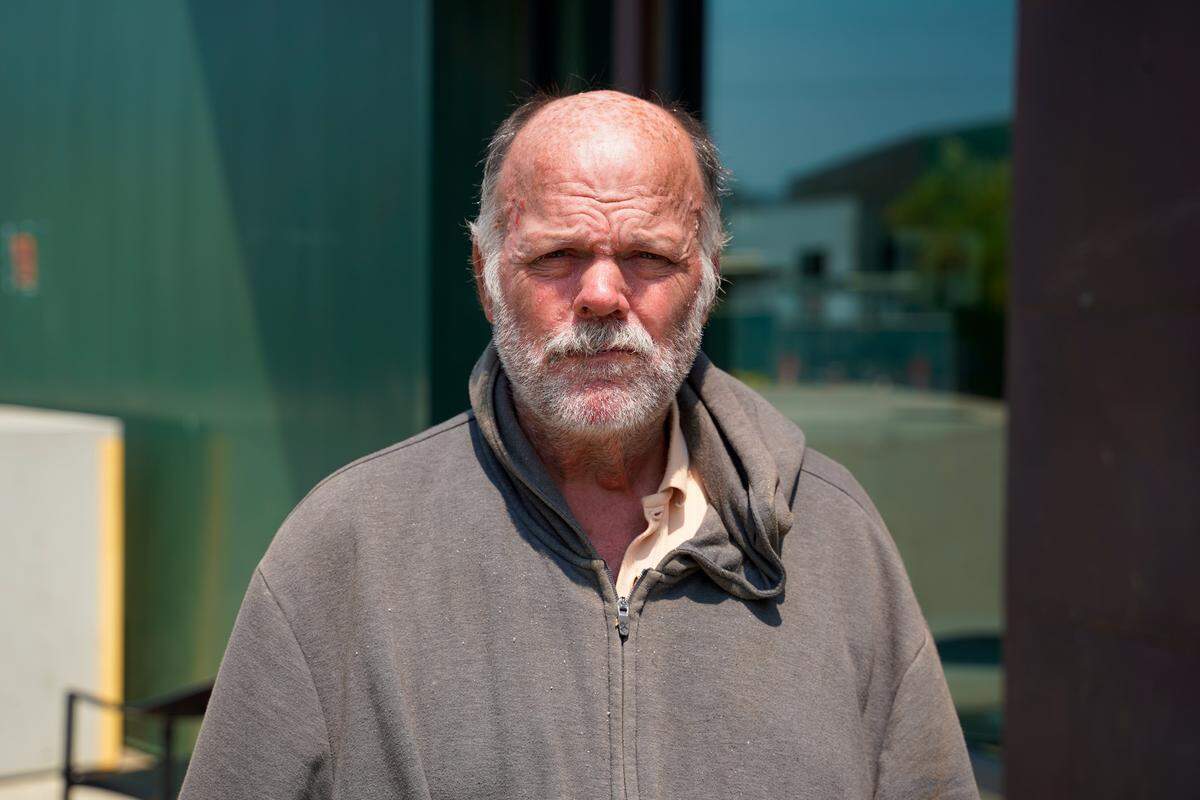
When Timothy Monaghan went to the El Camino Homeless Organization’s shelter in Paso Robles earlier this year suffering from MRSA, he was given the same guidance many homeless individuals with active health issues are given: Head for 40 Prado Homeless Services Center in San Luis Obispo.
“They sent me down here, I tried it and I was amazed with the system,” Monaghan said.
While he was being treated for MRSA, tests conducted by medical staff at 40 Prado revealed that Monaghan was also suffering from hepatitis B and Valley fever — both conditions that he would have never known he had, let alone gotten treatment for, were it not for the shelter’s help, he said.
Like the 10 to 20 homeless individuals who typically seek medical care from 40 Prado every day, Monaghan was treated by the shelter’s integrated health clinic operated by the Community Health Centers of the Central Coast.
For the past two years, homeless clients of 40 Prado have there been able to seek medical care, which was integrated into the clinic from its opening day in 2018 but was inaccessible between 2020 and 2023 during the COVID-19 pandemic.
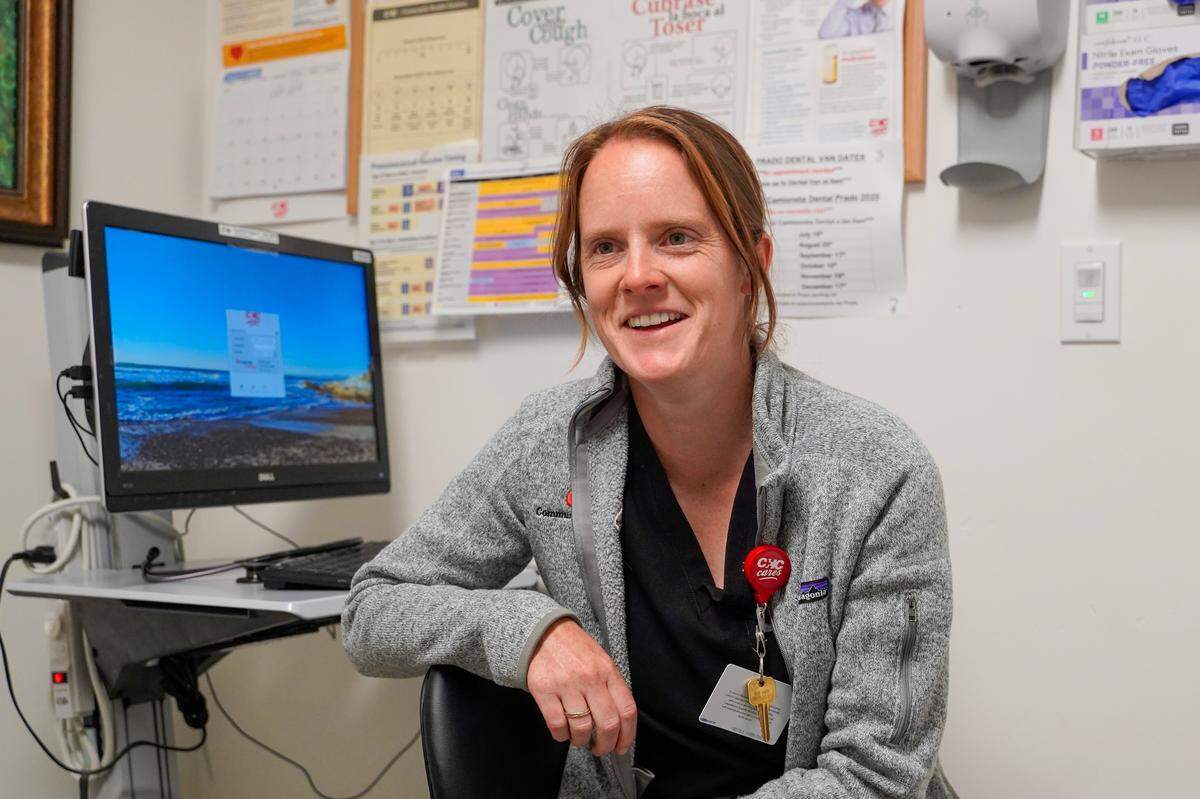
Family nurse practitioner Liz Benko, who’s worked at the clinic since 2023, said the integrated clinic bridges a critical gap in medical care for homeless individuals who may have few options and few resources, if any.
“So often, unhoused patients get treated poorly by emergency departments in hospitals because of all these biases that people have,” Benko told The Tribune. “I really want this clinic to be a safe space where they don’t feel like othered when they come to access what they need.”
CHC program provides primary and urgent care
Benko said CHC’s partnership with the Community Action Partnership of San Luis Obispo predates the opening of 40 Prado, starting out as a mobile van clinic prior to the shelter’s 2018 opening.
Community Action Partnership of San Luis Obispo homeless services director Jack Lahey said the program was forced to reduce its availability down to just one physician for one day a week during the COVID-19 pandemic, but has since added enough staff to provide care five days a week.
“It really changed how we approach our medically vulnerable clients and how we can manage Prado with more medically vulnerable folks, because we had a four-day-a-week embedded medical resource,” Lahey said. “At the same time, our clinic, which does sexual health, reproductive health and women’s health care ... started coming on Fridays, so right when Liz came on, we went from having health care one day a week to five days a week.”
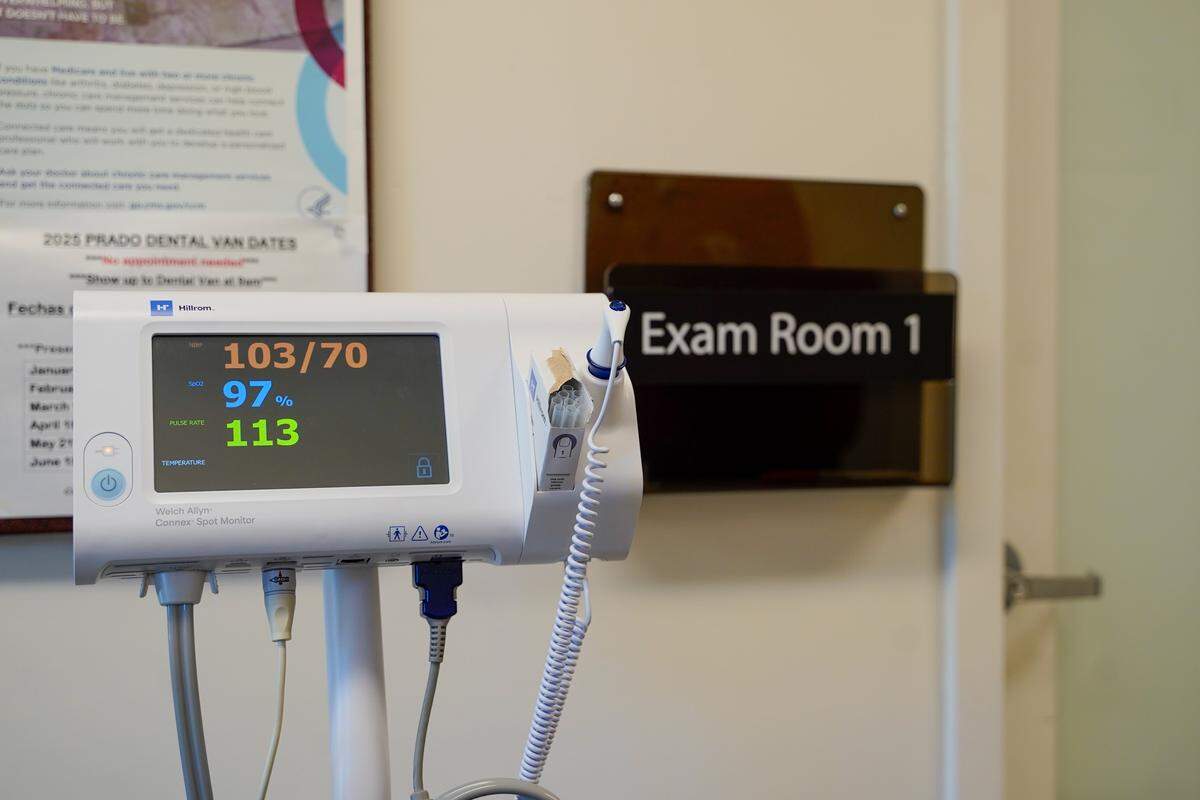
Since reopening in 2023, the clinic has resumed its full suite of services, which start when a shelter client requests medical aid at the front desk, Benko said.
A CHC receptionist will take their insurance information — most commonly CenCal — and make an appointment based on how urgent the client’s needs are, and medical assistants will start the appointment by taking a patient’s vitals, asking what they need and starting any tests that need to be conducted, Benko said.
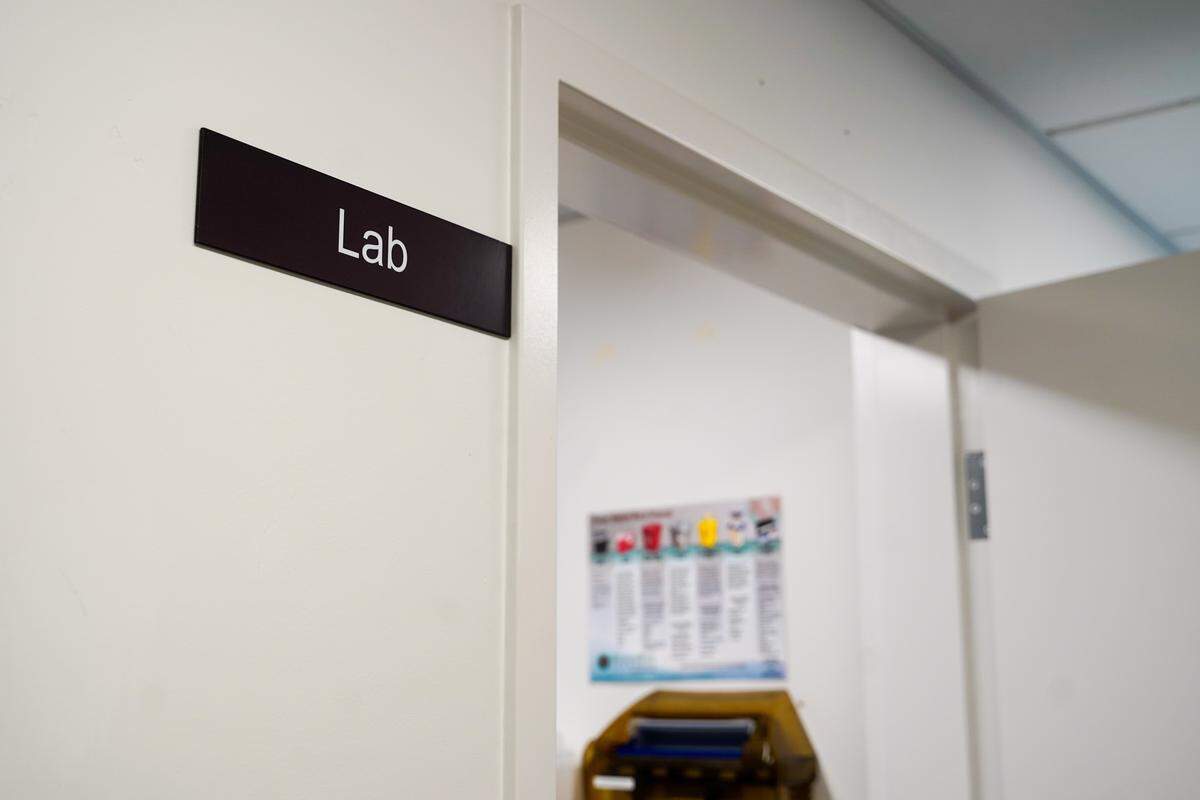
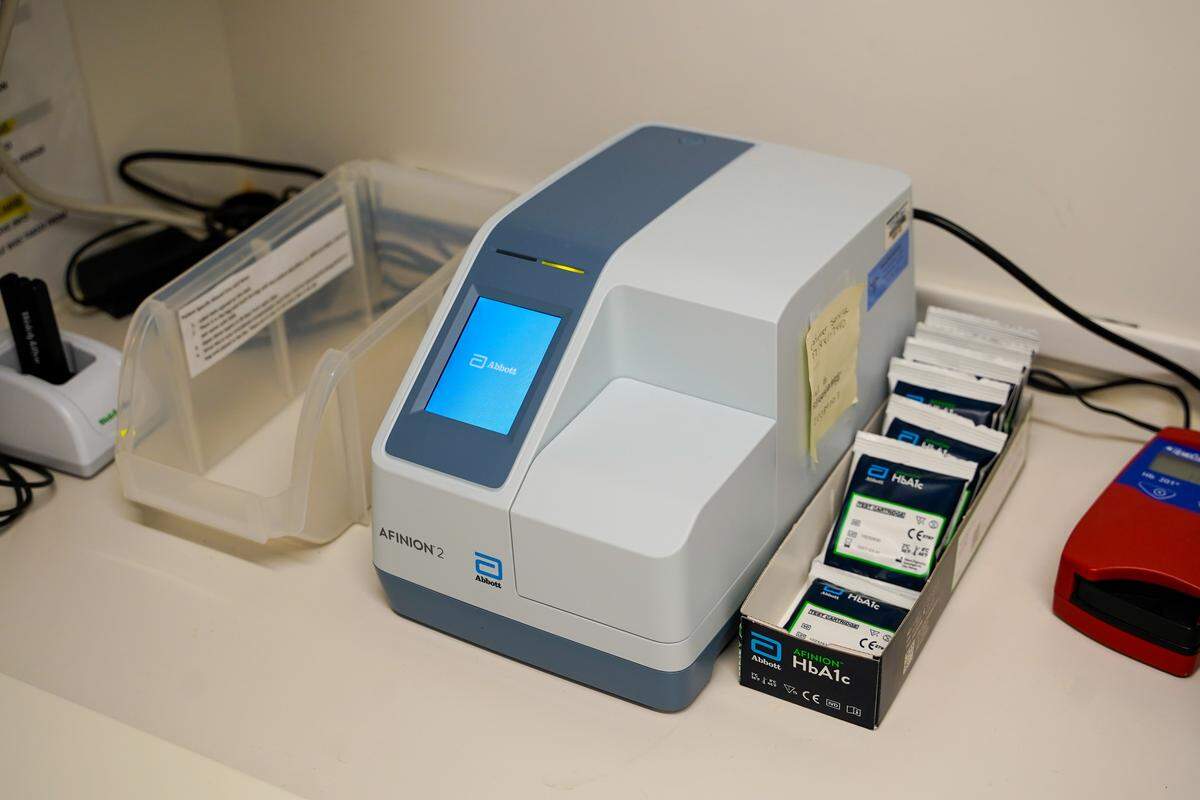
Many conditions can be screened for in-house using a small lab that fits into a janitor’s-closet-sized room, packed with equipment that can analyze urine samples and test for pregnancy, strep throat, flu and COVID-19, Benko said.
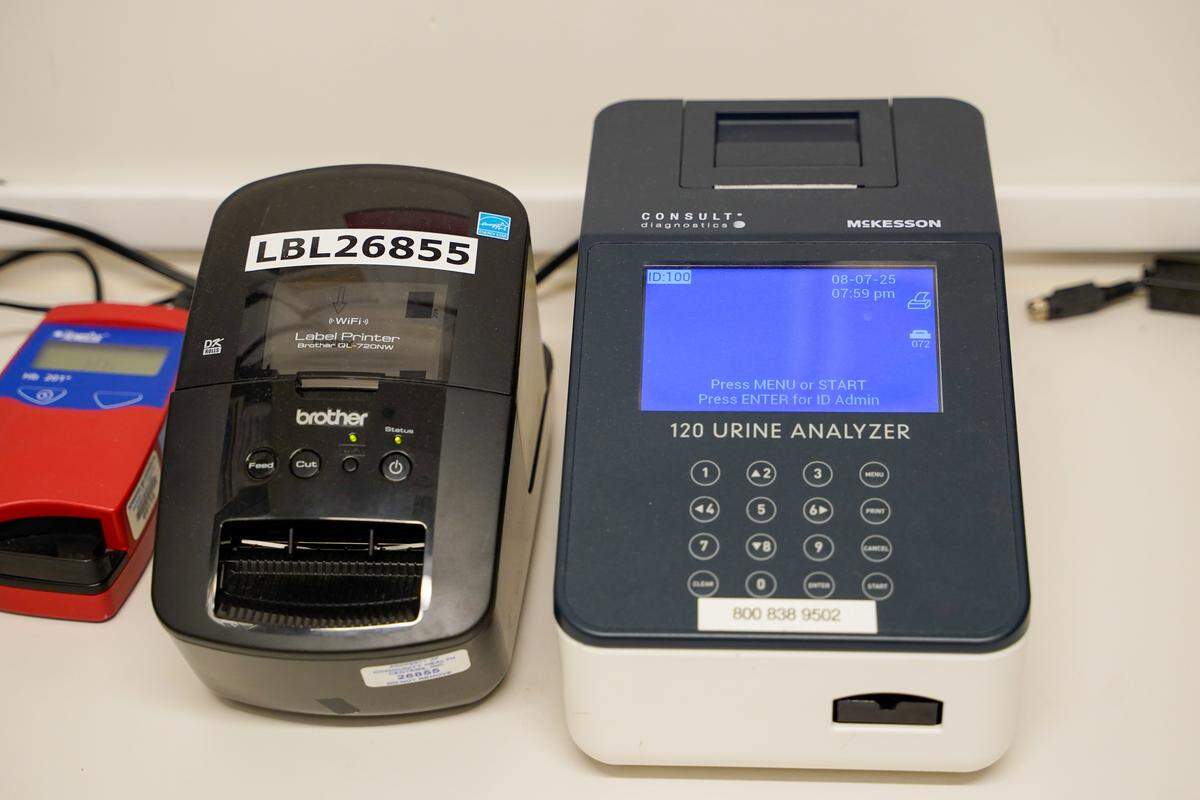
Things that can’t be analyzed in-house — including some swabs and wound infections — are set out to a larger pharmacy, which can finish up any necessary screenings, Benko said.
Most importantly, the small clinic is stocked with a set of pharmaceuticals that can be prescribed based on urgent need, including antibiotics — a resource that “gets wiped out frequently” due to the prevalence of conditions that require antibiotics, she said.
The clinic’s ability to make prescriptions and dispense medication on a routine schedule is critical to its long-term success as a primary and urgent care option for under-resourced homeless clients, Benko said.
“Someone comes in with an acute infection in their leg, and they need antibiotics, but they have no car and they can’t walk because their leg is infected — what are they going to do?” Benko said. “We can pull antibiotics from our little pharmacy and dispense them to the patient.”
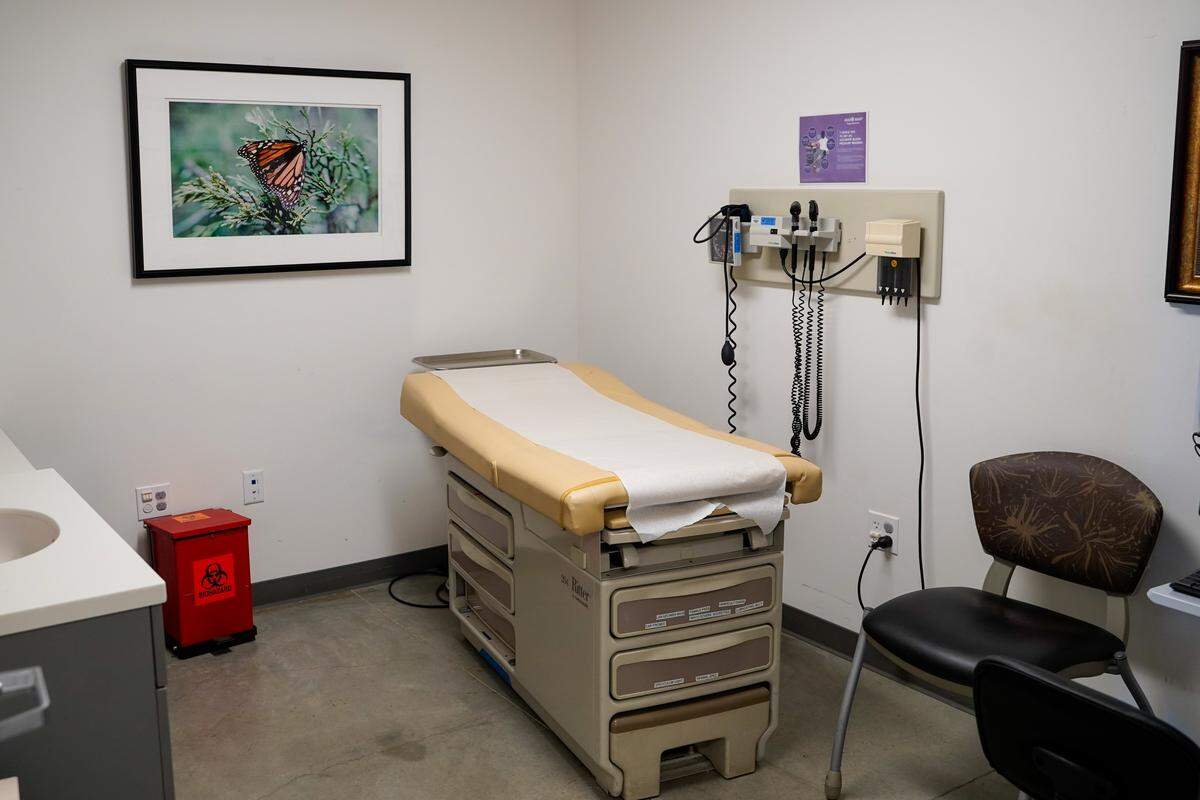
From there, if a patient is not well enough to leave the clinic’s care or doesn’t have a safe spot to sleep and recover, they can be offered a spot in one of 40 Prado’s recuperative care beds, she said.
Case managers in the recuperative care program can help patients with medication management, medical appointment scheduling and monitoring for the most vulnerable clients, Benko said.
Though CHC doesn’t operate the shelter’s recuperative care program, which is funded by CenCal, the ability to give a patient a place to recover without fear of infection or re-aggravation of an injury or illness is a key part of the clinic’s care, Benko said.
Lahey said the close integration of the CHC clinic with the recuperative care program has led to more use of the shelter’s recuperative care beds, with 32 individuals housed in the program last year and 56 individuals using it in 2025 already.
CHC, CAPSLO work together to deliver medical care
Lahey said CHC’s clinic is supported by a combination of a federal grant from the Department of Health and Human Services and CenCal insurance billing for the clinic’s services, which also financially covers Prado’s recuperative care program.
That $1.2 million grant, the Heath Care for the Homeless Program, established by the McKinney Homeless Assistance Act of 1987, provides funding for community health centers to care for more than a million homeless individuals regardless of insurance status across around 5.6 million clinic visits in 2019 alone.
CHC director of outreach services Jose Guzman said despite the uncertain state of some federal funding streams, CHC has been fortunate that the Health Care for the Homeless grant has emerged from recent cuts unscathed.
“CHC does not see any immediate threats to its Healthcare for the Homeless Funding, and continues to work hard at remaining compliant with all federal requirements,” Guzman said in an email. “CHC continues to encourage community members to reach out to your senators, members of Congress and state representatives to advocate for the work of Health Centers.”
Lahey said without those funds and the clinic’s ability to care for shelter clients in-house, homeless individuals will be forced to seek care in a medical system that can often carry stigmas against helping them.
“I think it’s hard for normal, able-bodied, housed, working adults to seek medical care on a normal basis,” Lahey said. “Multiply that by all the tenfold issues that people are experiencing homelessness deal with, and then say, ‘Oh, and by the way, go by your primary care and get that checked out,’ — it’s impossible.”
Though the clinic is “small but mighty,” Benko said she feels that it’s well suited to the level of need at the shelter and sees it as an essential component of getting homeless individuals back on their feet.
“I personally think no matter why, no matter what reason someone ends up unhoused, society has failed that person in some way,” Benko said. “I think it is our responsibility as people who work in a service industry to make up for that and offer what they need in return.”
This story was originally published August 25, 2025 at 2:49 PM.