
Cal Poly team unearths artifacts from family forced into Japanese internment camp
AI-generated summary reviewed by our newsroom.
- Cal Poly team excavated Yoshida family homestead, revealing pre-WWII artifacts.
- Recovered items and oral histories featured in SLO museum's new exhibit.
- Exhibit highlights lives disrupted by internment and celebrates family legacy.
Artifacts buried beneath decades of soil and injustice were unearthed by a Cal Poly archaeology team last year — and they’ve now made their way to the History Center of San Luis Obispo County to help shed light on the local impacts of Japanese American internment camps.
The new exhibit centers around the Yoshidas — tenant farmers who lived on the Central Coast near what is now Montaña de Oro State Park starting in 1928.
The parents raised 10 children in their homestead near Point Buchon, where they cultivated bush peas, artichokes and lettuce, according to a Cal Poly news article. The children ate fresh seafood, played with marbles and toys and dabbled in music during their childhood on the Pecho Coast.
That is, until the family was forcibly relocated to Japanese internment camps at the start of World War II, after they had moved to a nearby property.
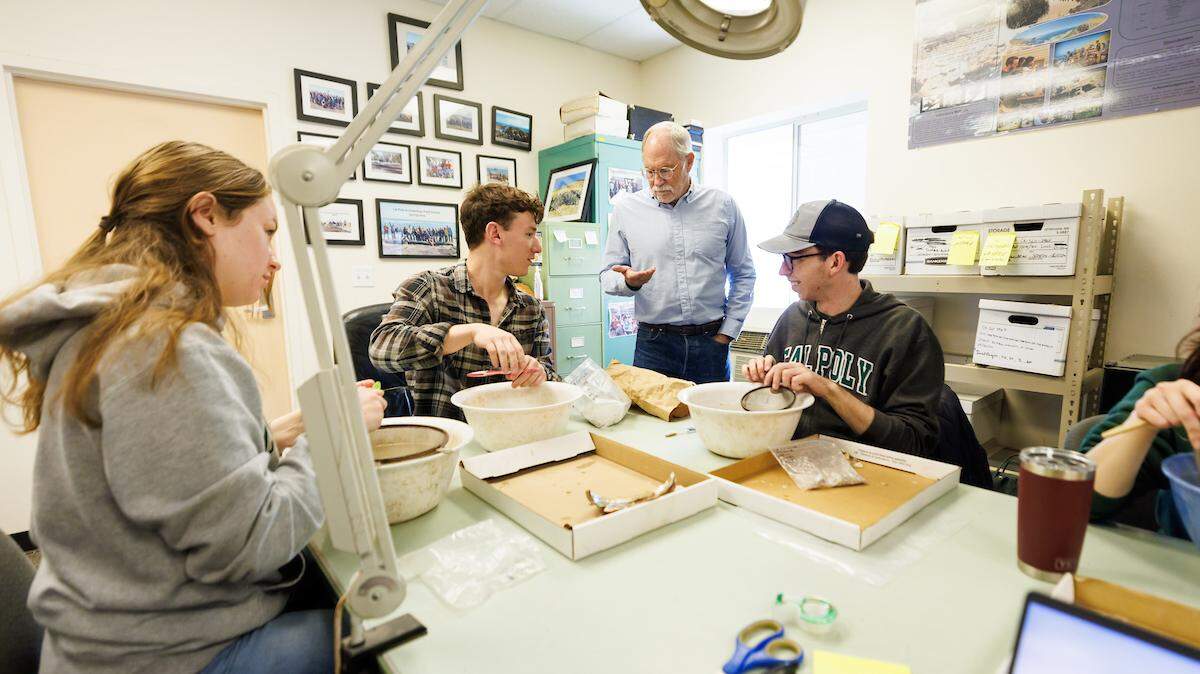
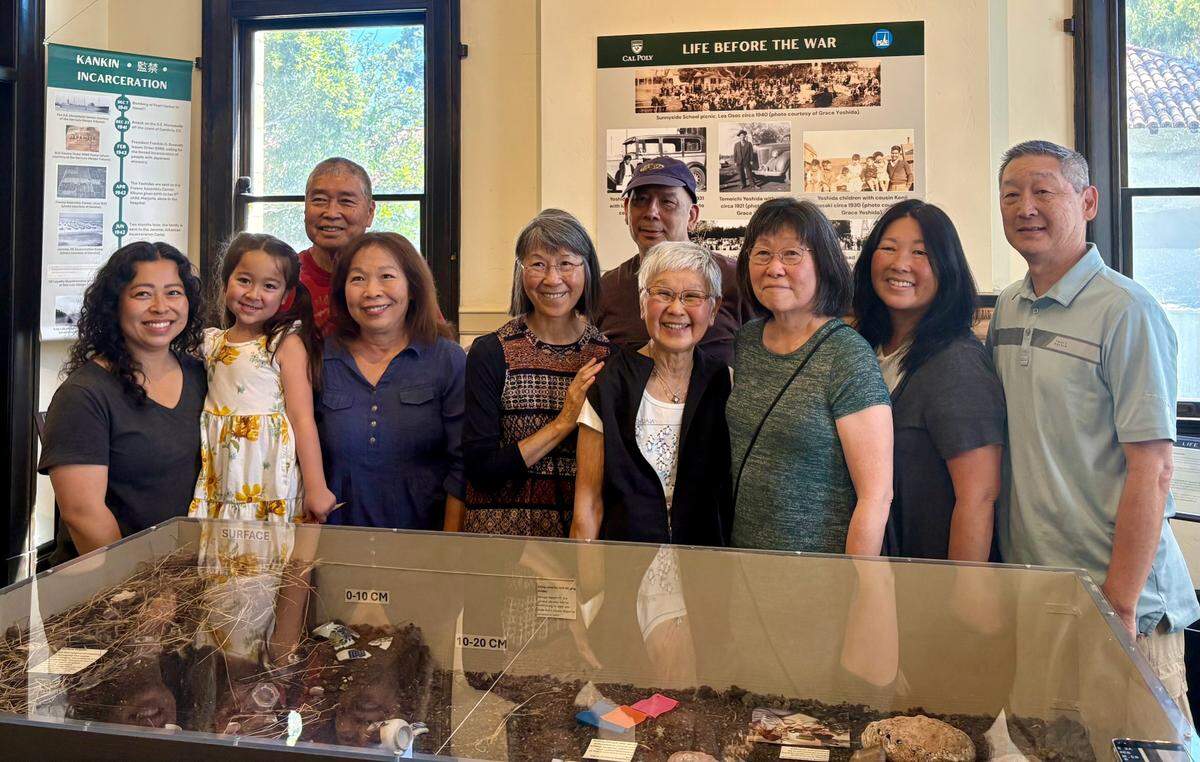
Their home and belongings were lost to history until their original homestead was rediscovered in the 1980s and then excavated by a team of archaeologists and Cal Poly students in 2024. They were joined by 33 members of the Yoshida family who got to see the family’s history revealed in real time over the four-day excavation.
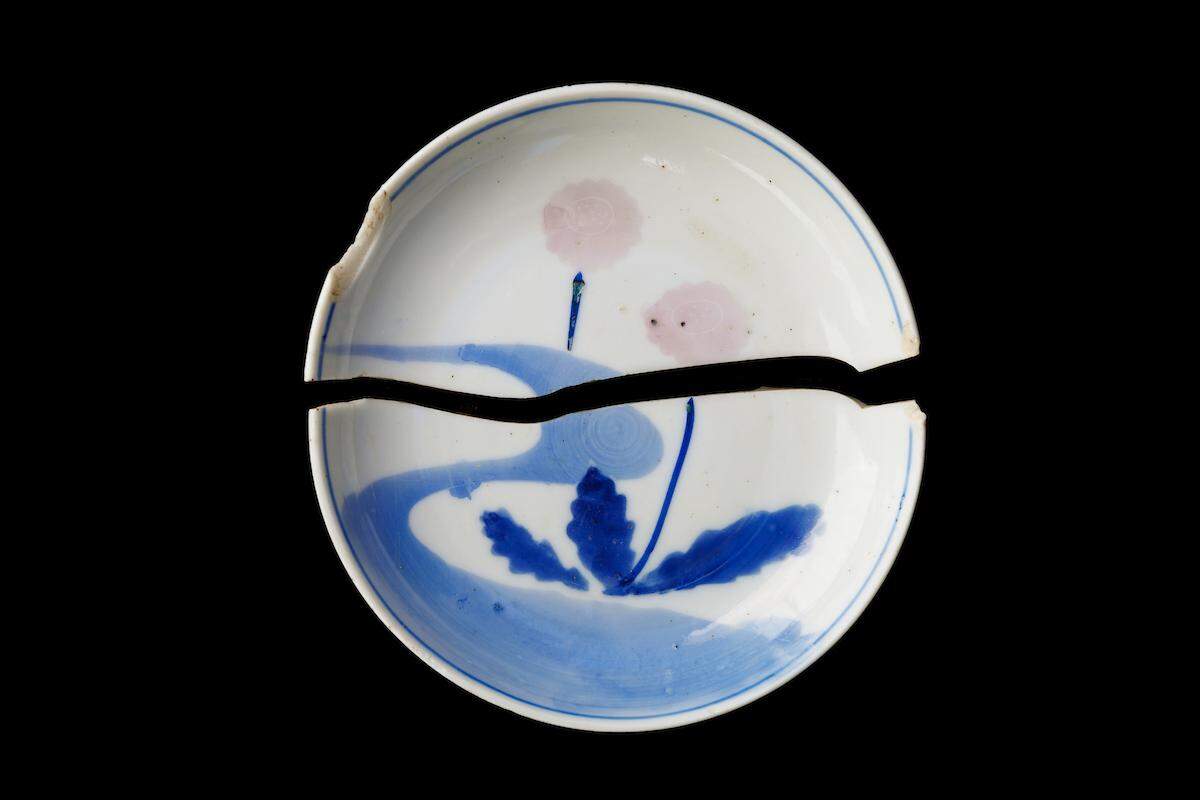
The items found during the excavation — including old dishes, toys and mealtime remnants left behind as the family was relocated in 1942 — were then cleaned, itemized and paired with oral histories to create the “A Dream Interrupted” exhibit at the History Museum that debuted on Friday.
The exhibit will remain at the museum through August, according to a Cal Poly news release.
Family sees artifacts debut in SLO museum exhibit
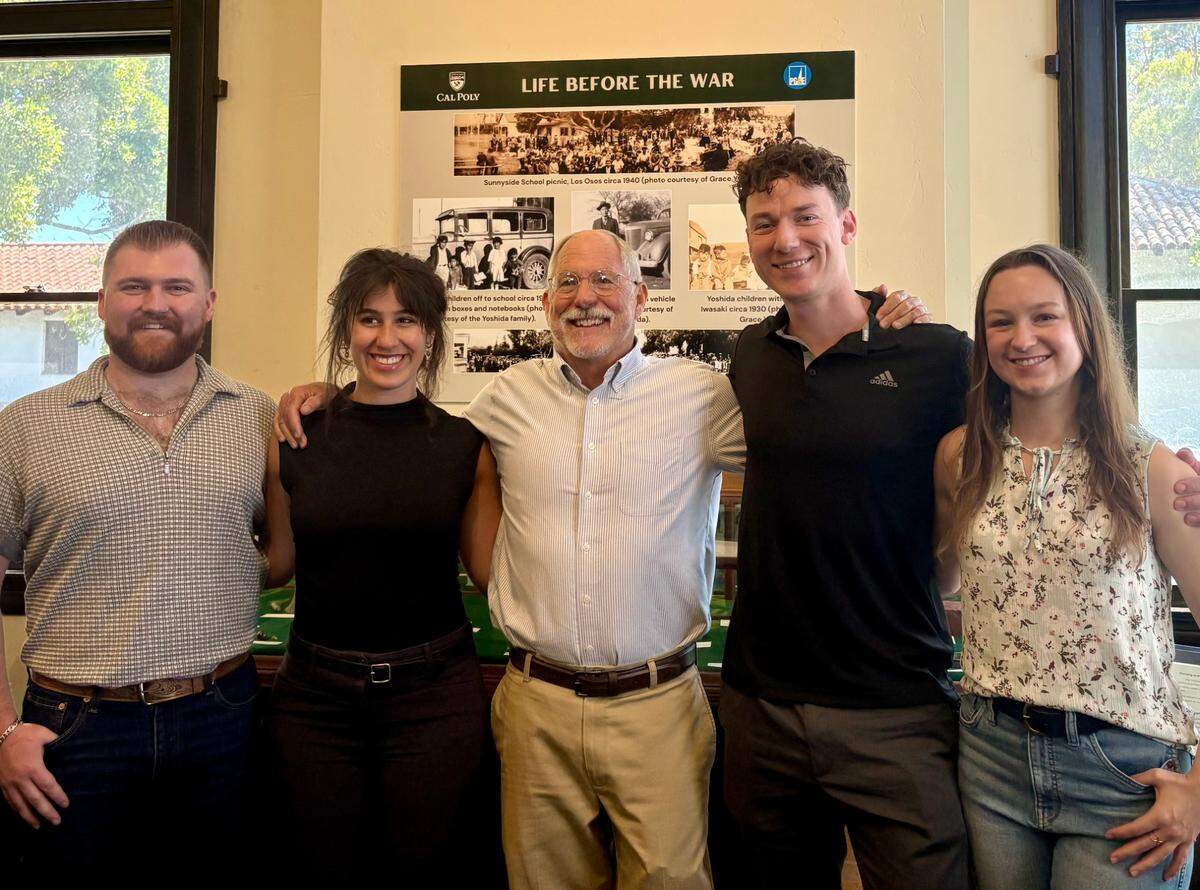
Members of the Yoshida family were invited to see the museum exhibit Friday morning ahead of an opening reception Friday night. Cal Poly archaeology professor Terry Jones was present at the event, alongside four students who participated in the excavation and have followed the project since then.
The exhibit highlights various artifacts left behind that show how the Yoshidas lived before their relocation.
One museum case highlights fish hooks, red abalone shells and Pismo clam shells, giving insight into the family’s diet, Jones said. The team also found the bones of fish and other animals, including some the Yoshidas raised themselves and some they may have bought in town.
“They had an interesting mix of store-bought foods and then things that they were foraging from the coast, right out there,” Jones said. “Really, really fascinating.”
Another case shows marbles and other small toys, showing what the children were interested in during their youth.
Jones’ favorite artifact was a small harmonica piece recovered from the trash deposit on the site. He told The Tribune that the Yoshidas’ second-oldest boy had tried to learn the harmonica, according to his daughters, who were present at Friday’s event.
“It seems like, he tried to learn the harmonica, maybe wasn’t that successful, and it wound up in the trash and we, 100 years later, we recovered it,” Jones said.
Irene Yoshida, one of the daughters, told The Tribune she recalled her father learning to play the harmonica later in his life. She also remembered him telling stories about asking his parents to bring back marbles from town.
Cal Poly anthropology and geography student Emma Bowman said her favorite artifact was also related to the children who lived at the homestead.
“It’s the little firefighter toy,” Bowman said. “I did find that in my unit, so ... I feel a special connection to it.”
Some tears were shed when the toy was found, Bowman added.
“Just thinking about, like, the actual lived experiences, especially of the children that lived there, and seeing, like, their footprints in what has been left,” she added.
Both Jones and Bowman said the project was impactful.
“I feel really honored to be part of this since the beginning, from planning, getting to the site, to actually digging at the site, through cleaning and now curation and actually seeing the gallery come together as a real thing,” Bowman said.
Jones added that being able to honor the Yoshidas through this project has been “very meaningful.”
“This family, after they lived at this place, went through this dark period in American history where they were unjustly and shamefully removed to internment camps,” Jones said. “And so I think that there is real value in remembering the lives of these people and in some ways, really honoring their perseverance after suffering through that.”
He continued: “Their family members that are here today are a testament to the fact that they did persevere, despite the fact that they suffered through this tremendous injustice, and being able to make direct connections to the family with the objects has been — it’s been very powerful for all of us.”
.JPG)