SLO, builder face lawsuit over tiny-home development at site of historic adobe
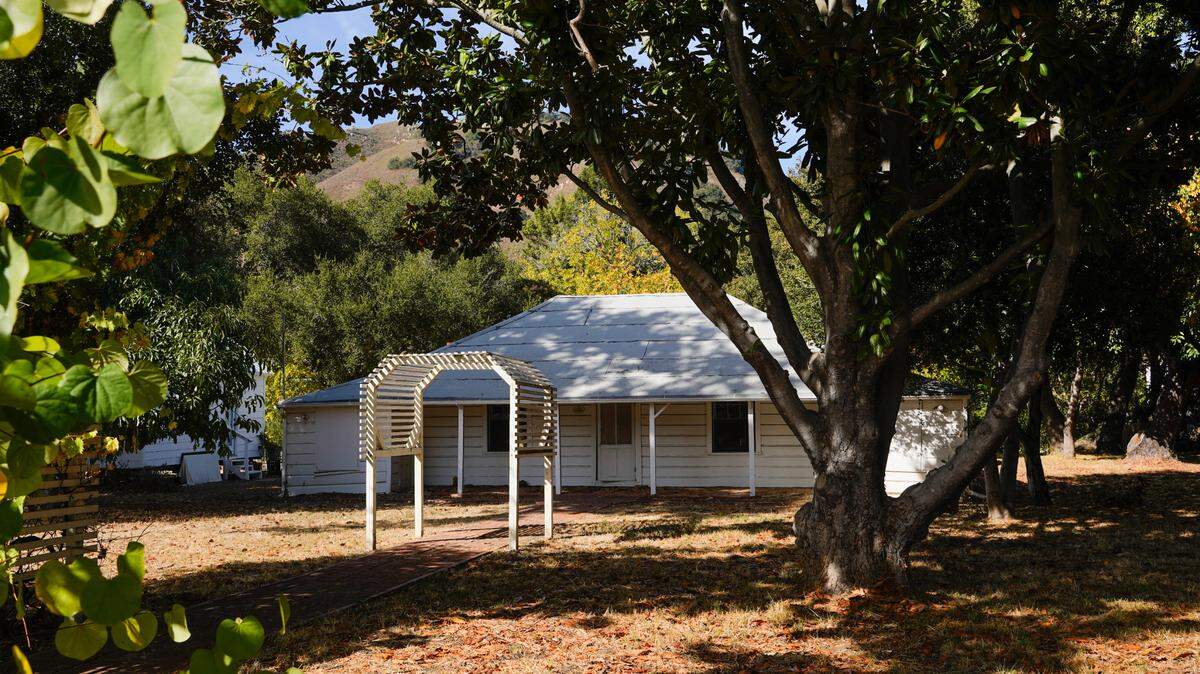
The city of San Luis Obispo and a tiny-home developer are facing a lawsuit for last month’s approval of an affordable housing village proposed around one of the city’s oldest adobes.
According to an April 3 lawsuit filed by San Luis Obispo attorney Saro Rizzo on behalf of the San Luis Obispo Property and Business Owners Association and organizer Leslie Halls, the city of San Luis Obispo and developer Smart Share Housing Solutions broke a condition of the 1989 donor deed that placed the Rosa Butrón de Canet Adobe at 466 Dana St. under the city’s protection when the City Council sided with Smart Share’s proposal for a 20-unit tiny affordable village that would encircle the adobe.
After gaining the San Luis Obispo Planning Commission’s approval in December, the San Luis Obispo Property and Business Owners Association appealed the project to the City Council in March, when the project was permitted to move forward with unanimous approval.
The group’s appeal looked to stop Waterman Village in its tracks and see the property returned to the extended family of previous property owners Mary Gail Black and her partner, Mildred Waterman. Now, with procedural options exhausted, the project’s opponents are seeking legal recourse.
“The courts traditionally in California have really backed up the true intent of the donors, because you want to encourage people to work with the city, give things and not have the city change its mind 35 years later,” Rizzo told The Tribune.
What does the grant deed say about the adobe’s future uses?
When Black — who worked as a reporter for the San Luis Obispo Daily Telegram for much of her life — granted the property to the city in 1989, she requested that it preserve the adobe and the trees as a public park or for recreational purposes in addition to seven conditions for future use, including naming the project for Waterman.
Previously, San Luis Obispo city attorney Christine Dietrick said there’s a distinction in Black’s grant deed to the city that separates the land use request from what the city is obligated to do.
While the grant deed does include a request “that the adobe and two adjoining wings that make up the old house, and the trees on that property be maintained by the city for park or recreational purposes, and that Mildred Waterman’s name be included in any name that the city gives to this park area,” that doesn’t mean it was part of what the city legally agreed to do when it took ownership of the property, Dietrick said.
Black’s request is not included under the seven legally binding conditions that the city agreed to, which requires the city to cover water and sewer service, insurance, maintenance of structures and property taxes and to allow ingress and egress through the driveway for residents of the neighboring property, city housing coordinator David Amini said ahead of the appeal.
“In the event of failure to comply with any of the covenants and conditions herein contained, said City, and any successor thereof, shall forfeit all title to said real property and, in the event of any such forfeiture, title to said real property shall revert to Grantor,” the final condition of the 1989 grant deed read.
That final condition formed the basis for the appeal, which claimed that by approving a use not permitted by Black’s request, the city would need to forfeit the property and turn over possession to descendants of Black and her partner Mildred Waterman, the project’s namesake.
Rizzo told The Tribune that the lawsuit makes no request to forfeit the property, instead seeking an injunction against what opponents see as future breaches of the grant deed’s conditions.
The plaintiffs’ lawsuit contends the city’s interpretation that Black’s request and conditions included in the grant deed are separate is wrong, and runs against Black’s intention when she signed off on the grant deed, Rizzo said.
“You have an offer for park and recreational purposes, and you have an acceptance for park and recreational services, so the acceptance and the grant deed are read together,” Rizzo said. “Once they did that, (Black) went ahead and signed the grant deed, knowing that what she requested was accepted.”
What do the city and developer make of the lawsuit?
While the city and Smart Share have largely dismissed the San Luis Obispo Property and Business Owners Association’s claims about the property’s conditions of use, Smart Share has also argued that the project checks the boxes of both the request and the seven conditions of the original grant deed regardless of the planned housing uses.
During the March City Council appeal, Smart Share executive director Anne Wyatt said even if the grant request was legally binding, the project already meets all of its conditions because the project preserves most on-site trees, will restore the adobe itself, carries the name of Waterman and will provide a small public park at the front of the property.
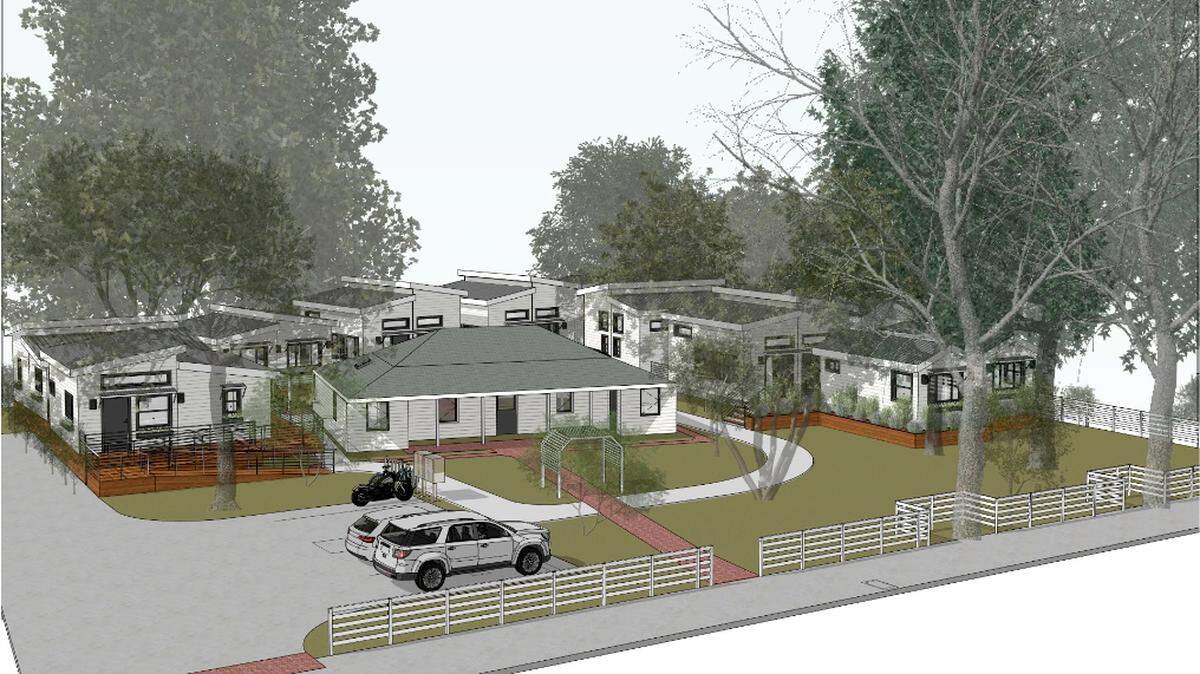
As part of its approval, Smart Share agreed to rehabilitate the adobe before starting work on the 20 tiny homes, which would stand on raised pier foundations to accommodate 100-year flood plain requirements.
Part of that restoration work also includes the demolition of some non-historic components of the adobe, along with the removal of 12 trees currently growing on the property.
In an email, Wyatt said Smart Share and the city are on the same page with their view of the lawsuit and its effects but did not comment on whether the lawsuit could pose any delays to the project’s groundbreaking.
“We saw no issues raised in the suit that have not been previously aired and addressed through lengthy and detailed public review,” Wyatt said in an email. “In layman’s terms, same as what Christine said: The plaintiffs’ assertions that the property can only be used for a public park with no other allowed uses in addition to the proposed park are not supported by the facts.”
Attorney Ty Green, who represents Smart Share in the case, said in an email that the opponents’ position is “not supported by the facts and not supported by the law.”
“They are asking the court to ignore the plain language of the grant deed and create some type of restriction that simply doesn’t exist,” Green said in an email. “The city’s action is entirely consistent with the clear and intentional language of the grant deed. We are confident this will be quickly decided in our so that a much-needed project can proceed.”
This story was originally published April 14, 2025 at 1:55 PM.