SLO council denies appeal of tiny home village at historic adobe. Will city get sued?
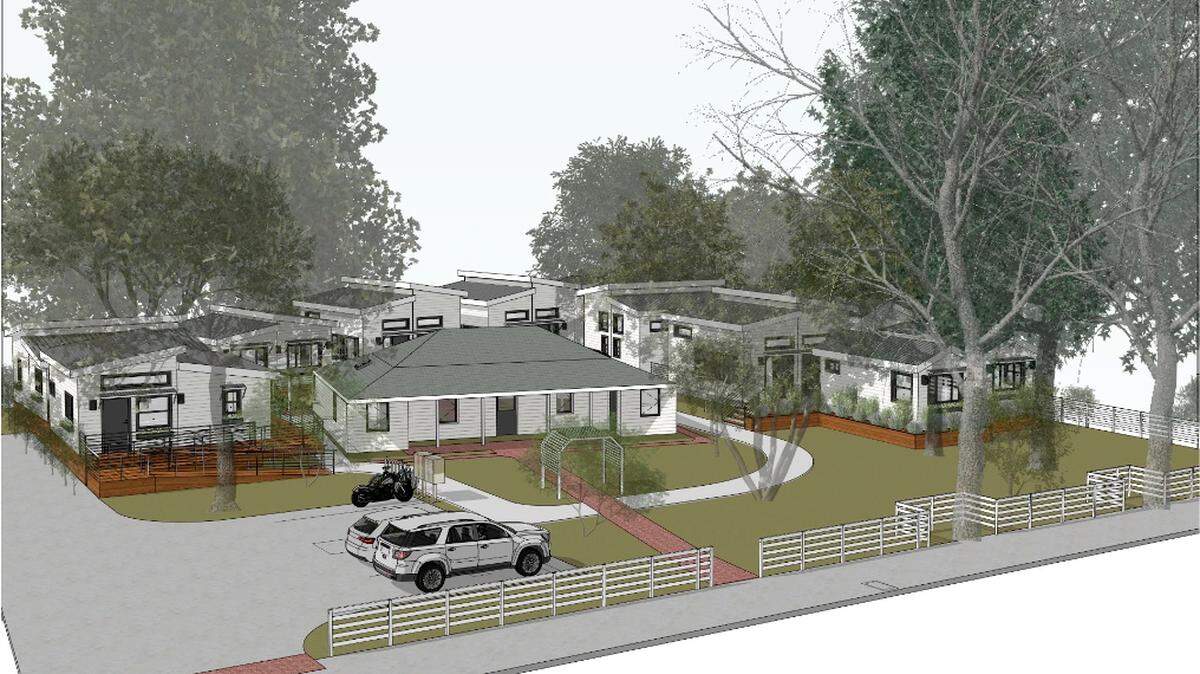
An attempt to block a tiny home village proposed around a historic San Luis Obispo adobe fell short Tuesday evening, opening the door for the final steps of the project approval.
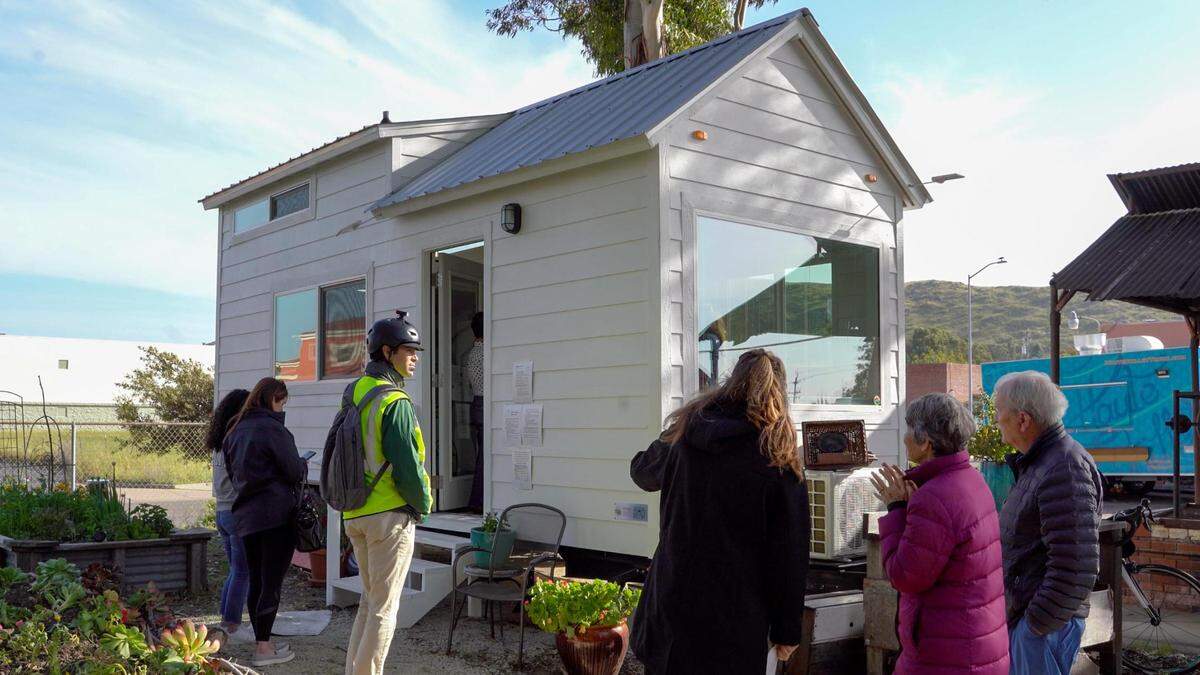
Waterman Village, a 20-unit tiny home project intended for very low- and low-income households and built around the Rosa Butrón de Canet Adobe on Dana Street, faced an appeal from neighbors and business interests in the area, but emerged from Tuesday’s San Luis Obispo City Council meeting with the council’s unanimous denial of the appeal.
The appeal was launched by the San Luis Obispo Property and Business Owners Association and nearby property owner Steve Barasch in December on the grounds that the project violates one of the terms of the 1989 grant deed that gave the Canet Adobe at 466 Dana St. and the surrounding lot to the city. It looked to stop Waterman Village in its tracks and see the property returned to the extended family of previous property owners Mary Gail Black and Mildred Waterman.
Sally Waterman Aiken, a grand-niece of Waterman, said by allowing the project to move forward, the city is betraying the wishes of Waterman and Black, who bequeathed the property to the city with the request that it be turned into a publicly accessible park and recreation space.
“My aunt would be turning over in her grave right now if she knew what you were contemplating,” Waterman Aiken said. “I am telling you, this is not what she wishes.”
Anne Wyatt, executive director of affordable housing developer SmartShare Housing Solutions, said the property was being challenged to protect the interests of the appellants, not honor the wishes of Black and Waterman.
“It hasn’t come up explicitly, but because we’re being challenged here, the appeal is signed by the SLO Property and Business Owners Association, and most of the people, a lot of them we’ve heard from, are not residents on the block, but property owners,” Wyatt said. “I think there’s a feeling of threat to property values, but the studies that we have, including one from the National Association of Realtors, shows that property values go up, if anything, in local neighborhoods with well-built affordable housing.”
City denies appeal on interpretation of grant deed
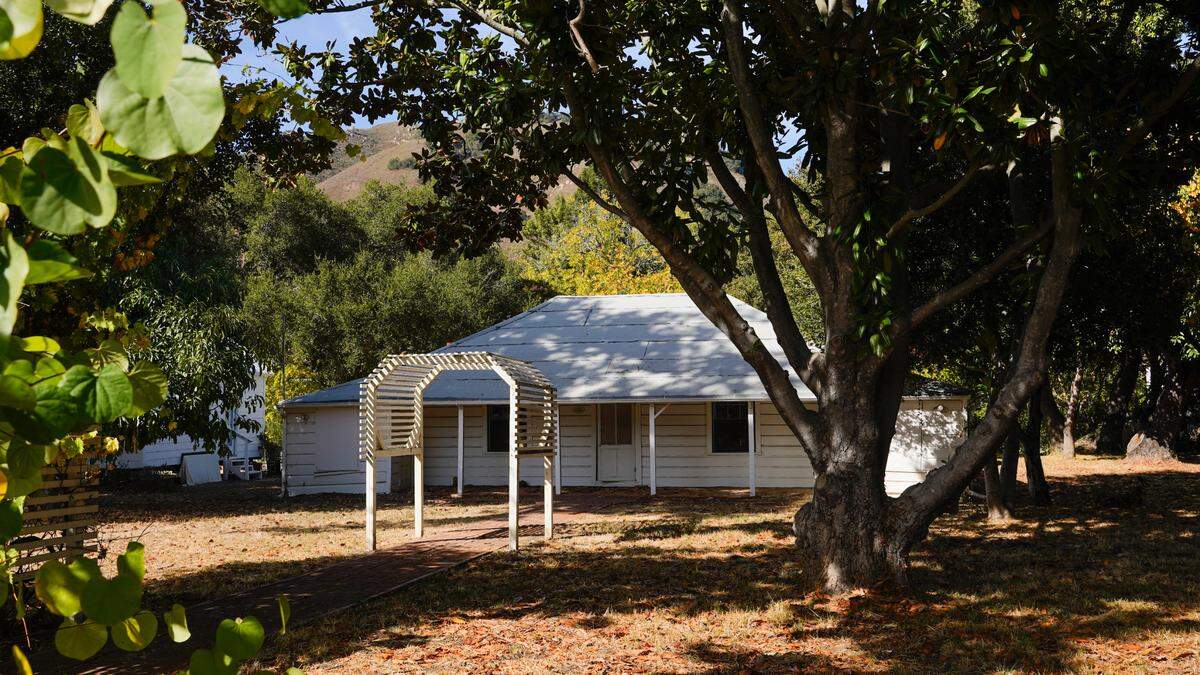
When Black, who worked as a reporter for the San Luis Obispo Daily Telegram, granted the property she’d owned for about 60 years to the city in 1988, she requested that it preserve the adobe and the trees as a public park or for recreational purposes.
However, city attorney Christine Dietrick said that while Black’s grant deed to the city does include a request, that doesn’t mean it was part of what the city legally agreed to do when it took ownership of the property.
Black’s request is not included in the seven legally binding conditions that the city agreed to, which requires the city to cover water and sewer service, insurance, maintenance of structures and property taxes and to allow ingress and egress through the driveway for residents of the neighboring property, Dietrick said.
Appellant attorney Saro Rizzo said the city is trying to get around the covenant by essentially applying the letter and not the spirit of the grant deed’s intent to the property.
“I think this is a good project, but the old saying is, we’re ... attempting to put a square peg into a round hole,” Rizzo said. “This project anywhere else would be fine, but not here.”
Barasch, who owns rental properties near the adobe, said the presence of housing on the property ignores Black’s intention when she gave the property to the city.
“It’s crystal clear that her intent was that this be made as a public park, and the definition of a park in 1988 isn’t that much different of a park in 2025; a park is a park,” Barasch said. “It’s used for public use. It’s not used for private use.”
Appellant Leslie Halls, who does not live near the project, said the City Council’s decision will only kick the can down the road for a “battle of lawyers.”
“Quite honestly, I think it’s about the city saying, ‘We messed up for 35 years, this place is a mess, it’s going to cost a fortune to fix this adobe, and we don’t want to deal with it,’” Halls said. “I really think it has nothing to do with low-income housing at all.”
Ultimately, the City Council sided with developer SmartShare Housing Solutions’ argument that the request in the grant deed was just that — a non-legally binding request not included in the covenants and conditions of the property deed.
Several City Council members pointed out that parts of the property including the adobe, several older trees and the front space of the lot would be renovated and made accessible for public use, meeting Black’s request in some respects.
“I feel a little bit mixed, because I want to always, of course, create affordable housing, especially when it comes to low-income and very low-income,” Mayor Erica Stewart said. “Those are two areas which we are really struggling with in this community, and quite honestly throughout California, and I hear the concerns around a park and what we would picture a park to be.”
Will a lawsuit put project in jeopardy?
Following the hearing, Rizzo said that while the appellants have yet to decide how to proceed, legal action is not off the table.
“We’re looking at all our alternatives right now — I think there’s strong grounds for a legal challenge,” Rizzo said. “I think that the law favors public trust, and there’s many cases supporting the public trust to honor the wishes of the grantor.”
SmartShare executive director Wyatt said her team is “thrilled” by the outcome of Tuesday’s hearing and was similarly uncertain about whether the project would face a legal challenge down the line.
If the project proceeds without legal challenges, the next step toward breaking ground will be moving from the existing exclusive negotiating agreement to a long-term property lease with the city, which will be agreed to at a future date.
This story was originally published March 5, 2025 at 11:07 AM.