Could neighborhood opposition derail SLO’s plans for a 20-unit tiny home village?
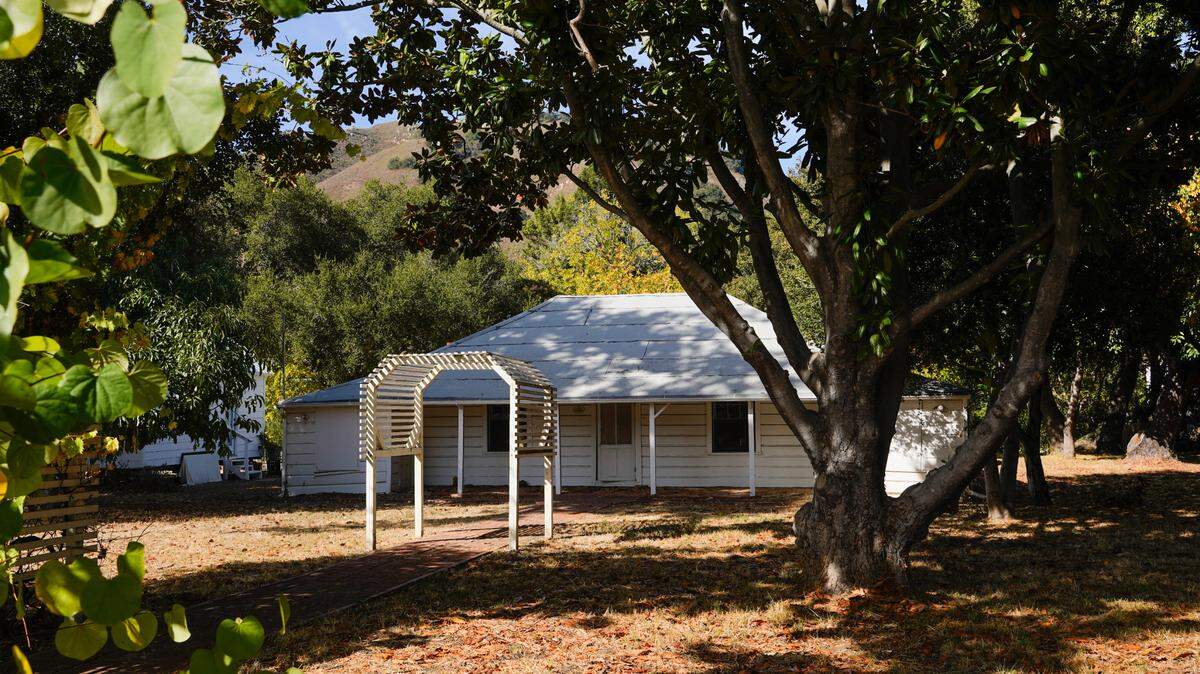
Neighbors of a San Luis Obispo tiny home project designed to surround a historic adobe are taking action against the development with claims that the city could lose ownership entirely if it’s approved by the City Council.
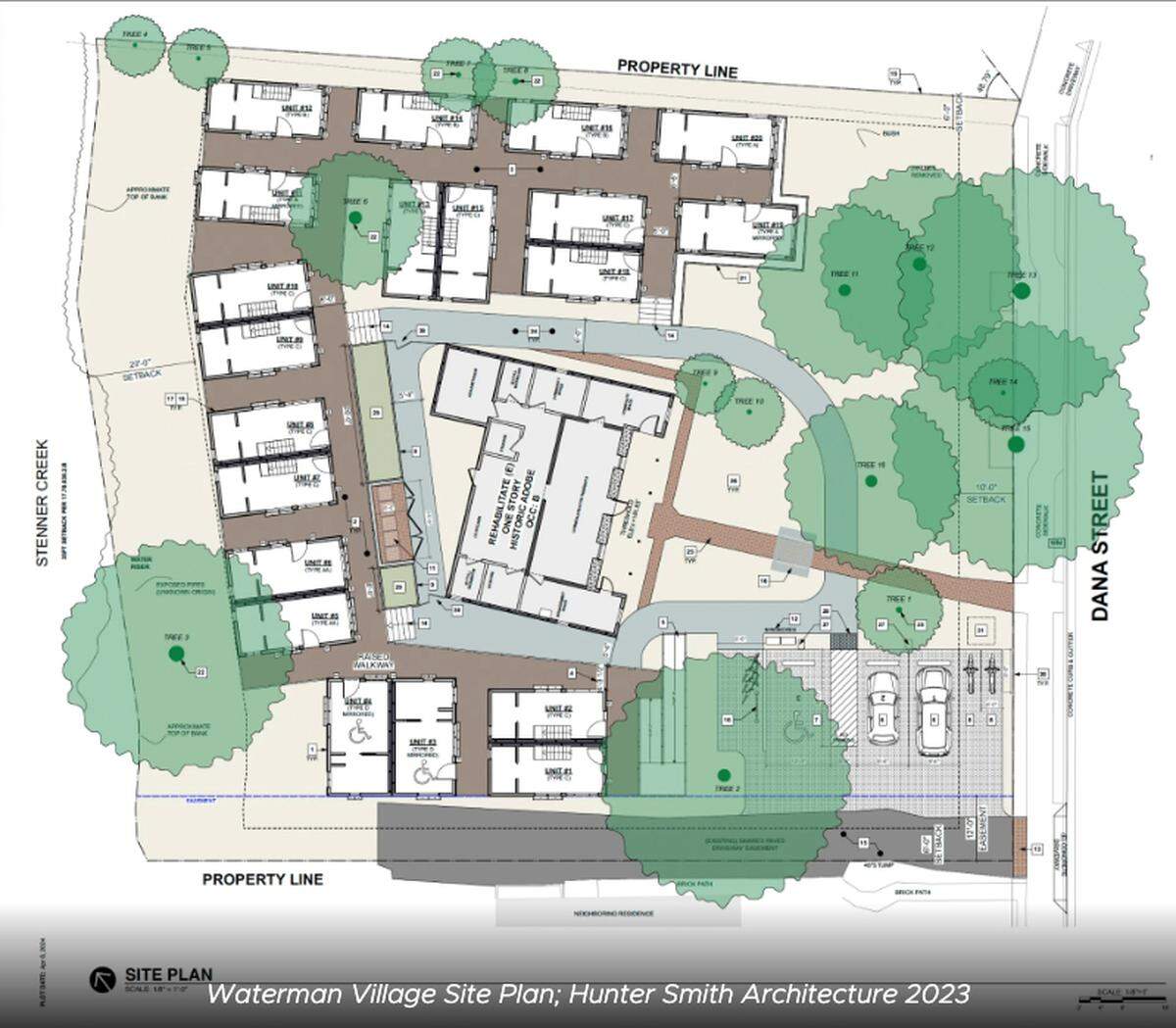
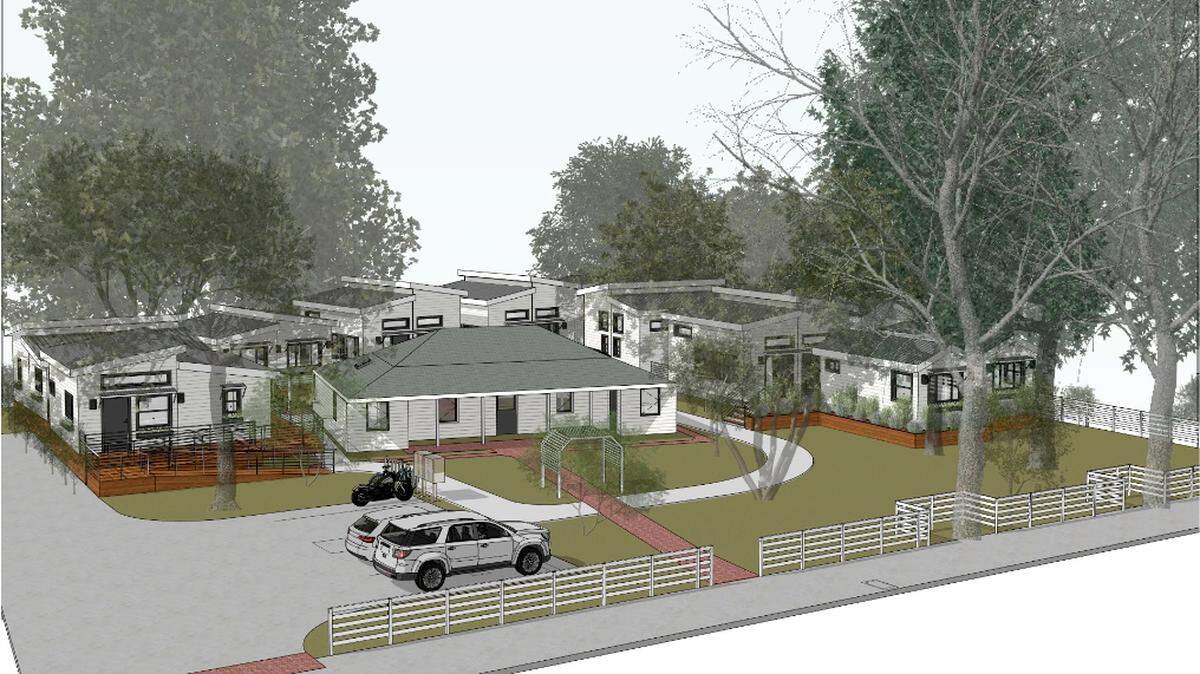
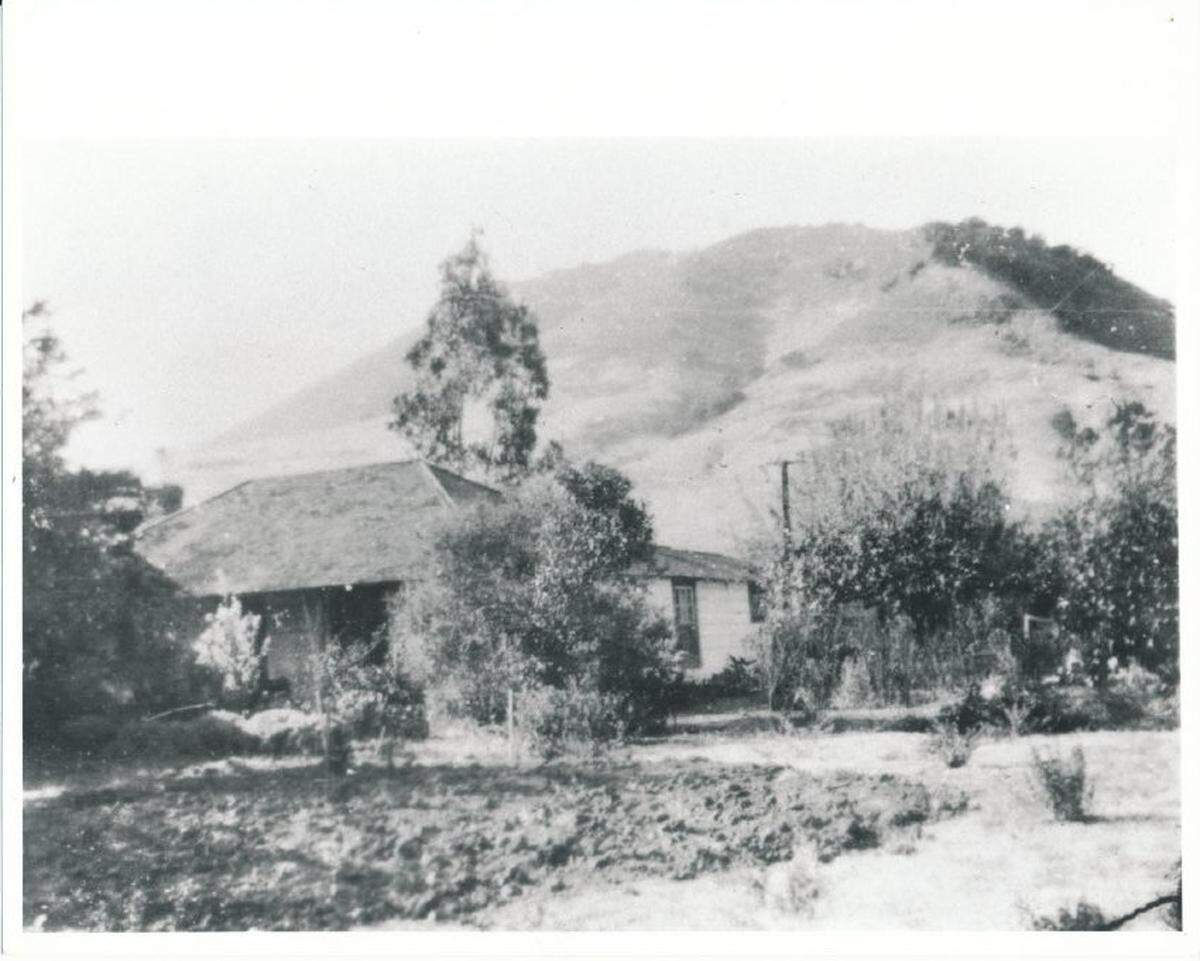
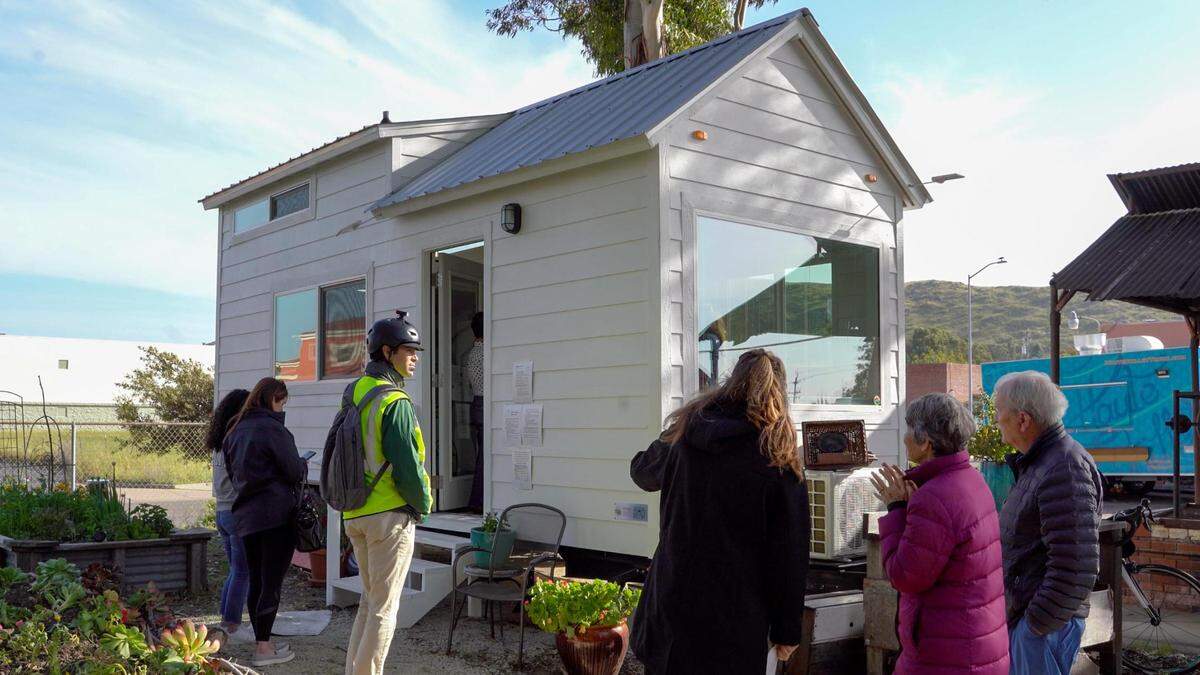
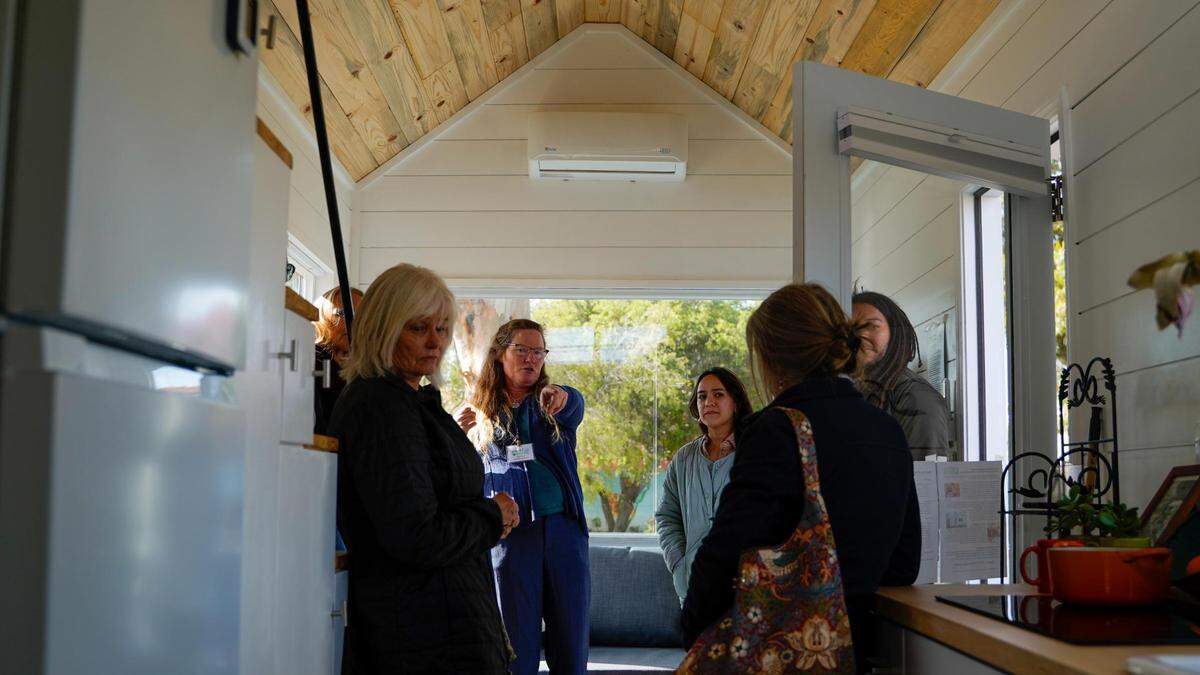
At its March 4 meeting, the San Luis Obispo City Council will hear an appeal of the Waterman Village project at 466 Dana St., a 20-unit tiny home village arranged around the historic Rosa Burton de Canet Adobe, with the future of the project hanging in the balance.
According to the Dec. 17, 2024, appeal, a handful of neighbors including adjacent property owner Steve Barasch, the San Luis Obispo Business and Property Owners Association and descendants of the most recent private occupants of the adobe are asking the City Council to reject the project entirely, based largely on a claim that the village does not meet the conditions of the 1988 donation agreement that brought the property under the city’s ownership.
However, the appeal’s claims are less cut-and-dry than they appear on paper, according to city officials and project applicant SmartShare Housing Solutions executive director Anne Wyatt.
“The appeal has no merit,” Wyatt said in an email. “SmartShare’s Waterman Village development team has worked in good faith from project inception to meet all requests of the generous donation from Mary Gail Black to the city.”
The Tribune took a closer look at the Waterman Village appeal as part of its Reality Check series.
What does the donation agreement require?
When Black, who worked as a reporter for the San Luis Obispo Daily Telegram, granted the property she’d owned for about 60 years to the city in 1988, she requested that the city preserve the adobe and the trees as a public park or for recreational purposes.
San Luis Obispo community development department housing coordinator David Amini said that while Black’s grant deed to the city does include a request, that doesn’t mean it was part of what the city legally agreed to do when it took ownership of
the property.
In fact, Black’s request is not included in the seven legally binding conditions that the city agreed to, which requires the city to cover water and sewer service, insurance, maintenance of structures and property taxes and to allow ingress and egress through the driveway for residents of the neighboring property, Amini said.
“In the event of failure to comply with any of the covenants and conditions herein contained, said City, and any successor thereof, shall forfeit all title to said real property and, in the event of any such forfeiture, title to said real property shall revert to Grantor,” the final condition of the 1988 grant deed read.
What does the appeal claim?
That final condition forms the basis for the appeal, which claims that the city would need to forfeit the property and turn over possession to descendants of Black and her partner Mildred Waterman, the project’s namesake.
San Luis Obispo Business and Property Owners Association president Leslie Halls said while she does not live near the project, she and members of her association are concerned about the impact the project will have on nearby property managers such as Barasch, who helped coordinate the appeal, along with those managers’ tenants.
Halls said she and other appellants were frustrated with the project’s low number of parking spaces compared to the number of tiny homes planned, and said they would have an impact on parking availability on Dana Street.
“There aren’t that many adobes around anymore, and once it’s gone, it’s gone — if you can imagine, this little 0.5-acre lot where the front is going to be just plain, and they’re going to put all these houses around it and in the back with four parking spaces,” Halls said. “Even the poorest people I know have cars.”
Halls said the will “trumps whatever the state says you can do,” and added that the city may be exposing itself to legal risk if the appeal is denied.
Referring to potential legal action, she said the appellants would “cross that bridge when we come to it,” but noted that they have brought on attorney Saro Rizzo, who helped the Business and Property Owners Association successfully sue the city in 2017 over its rental inspection ordinance.
“Everybody had lawyers, and they all signed off on this,” Halls said. “To me, it’s pretty clear that the city accepted this property with the covenants, conditions and restrictions that it would become a park and the adobe would be restored and used for recreational purposes.”
Though The Tribune was unable to contact other appellants such as Barasch and the members of Waterman or Black’s extended family who signed the appeal, another relative of Waterman offered a different view.
Kara Castro, a San Luis Obispo resident and great-grand-niece of, said she thinks the project would fulfill the wishes of Waterman and Black, noting that they were “ardent feminists” who would support a project that’s intended to benefit low-income senior women.
Castro also pointed out that the word “descendants” is an interesting choice in this situation; Waterman and Black were gay, had no children, and the family members who signed onto the appeal are not directly descended of either of them.
“From what I understand of the appeal, it seems like the way it’s written the people that are appealing it are just looking for something or somebody to give them good reason to appeal it,” Castro said. “It reads like, ‘Let’s find some family members and make it sound like the city is not doing what they’re supposed to with it and see if they want it back.’”
City, project applicant confident that village will stand
In an email, San Luis Obispo city attorney Christine Dietrick said the reasoning provided by the appellants will not hold up against the wording of the deed or under legal scrutiny.
“It is the City’s analysis that there is no circumstance related to the park use of the property (the subject of the appeal) under which the City could lose the property; but, if the appeal were upheld, that would mean that the project would be denied, thus mooting the objections to the proposed project use — in other words, the use to which the appellant objects as violative of alleged deed restrictions would not occur, so there would be no use that could be alleged to be in violation of the deed that would trigger any risk of loss of the property,” Dietrick said in the email.
Wyatt said SmartShare is expecting the City Council to deny the appeal, which is the city staff’s recommendation included in the March 4 meeting agenda.
Because the project preserves most on-site trees, will restore the adobe itself, carries the name of Waterman and will provide a small public park at the front of the property, even if the grant request was legally binding, the project already meets its terms, Wyatt said.
On the issue of parking, which opponents have cited as a concern during public comment at previous hearings on the project, Wyatt said those fears are unfounded. She added that the traffic engineer who performed a parking analysis for the project rated Dana Street as having some of the most underutilized parking in the downtown area.
“The adjacent property owner, Steve Barasch, who signed the appeal, has enjoyed decades of good fortune to benefit from not having to share a shared driveway and of his tenants being allowed to park for free on this adjacent underutilized City property,” Wyatt said in an email. “It is understandable that he may seek to continue enjoying these private benefits.”
Wyatt said she took issue with the appellant’s description of the project as “transient housing” in their appeal; the homes are intended to be long-term solutions for low-income people.
“It’s frustrating to see false information being spread, whether that’s due to sloppiness or bad faith,” Wyatt said.
Interested community members can tune in to the San Luis Obispo City Council’s hearing on the appeal at its Tuesday, March 4, meeting at 5:30 p.m. via YouTube or in person at 990 Palm St.
This story was originally published February 28, 2025 at 10:00 AM.