SLO Planning Commission OK’s tiny home project that includes renovation of historic adobe
San Luis Obispo’s first dedicated tiny home village is moving forward at a historic city site after winning approval from the Planning Commission.
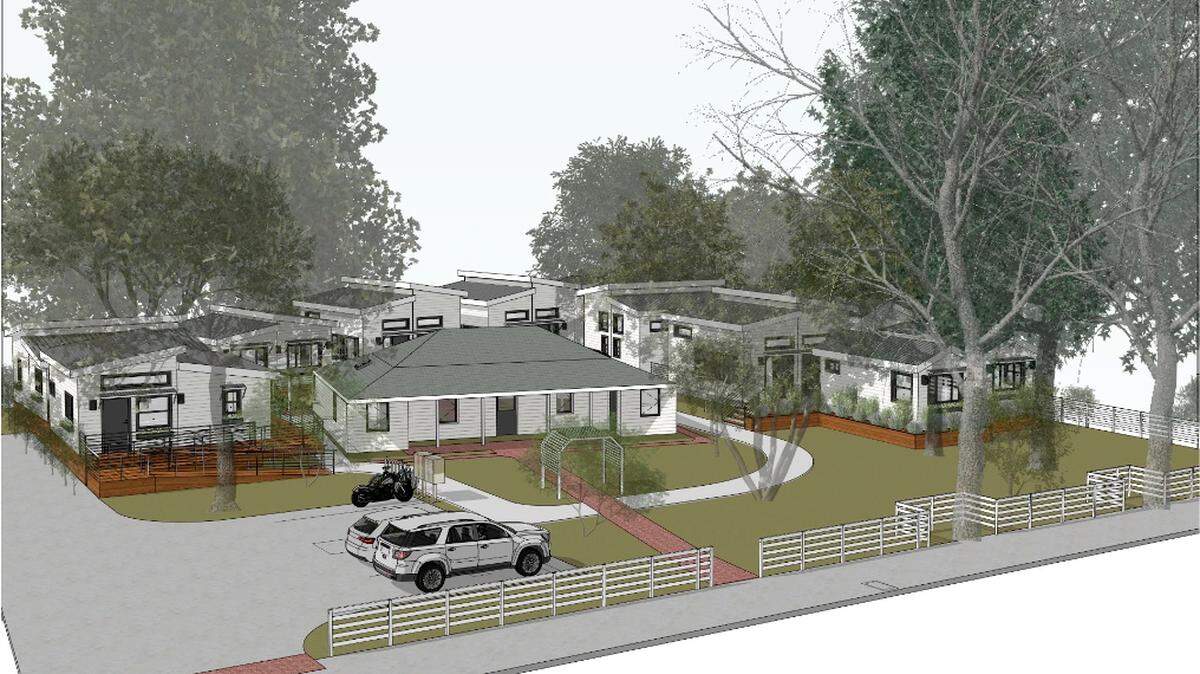
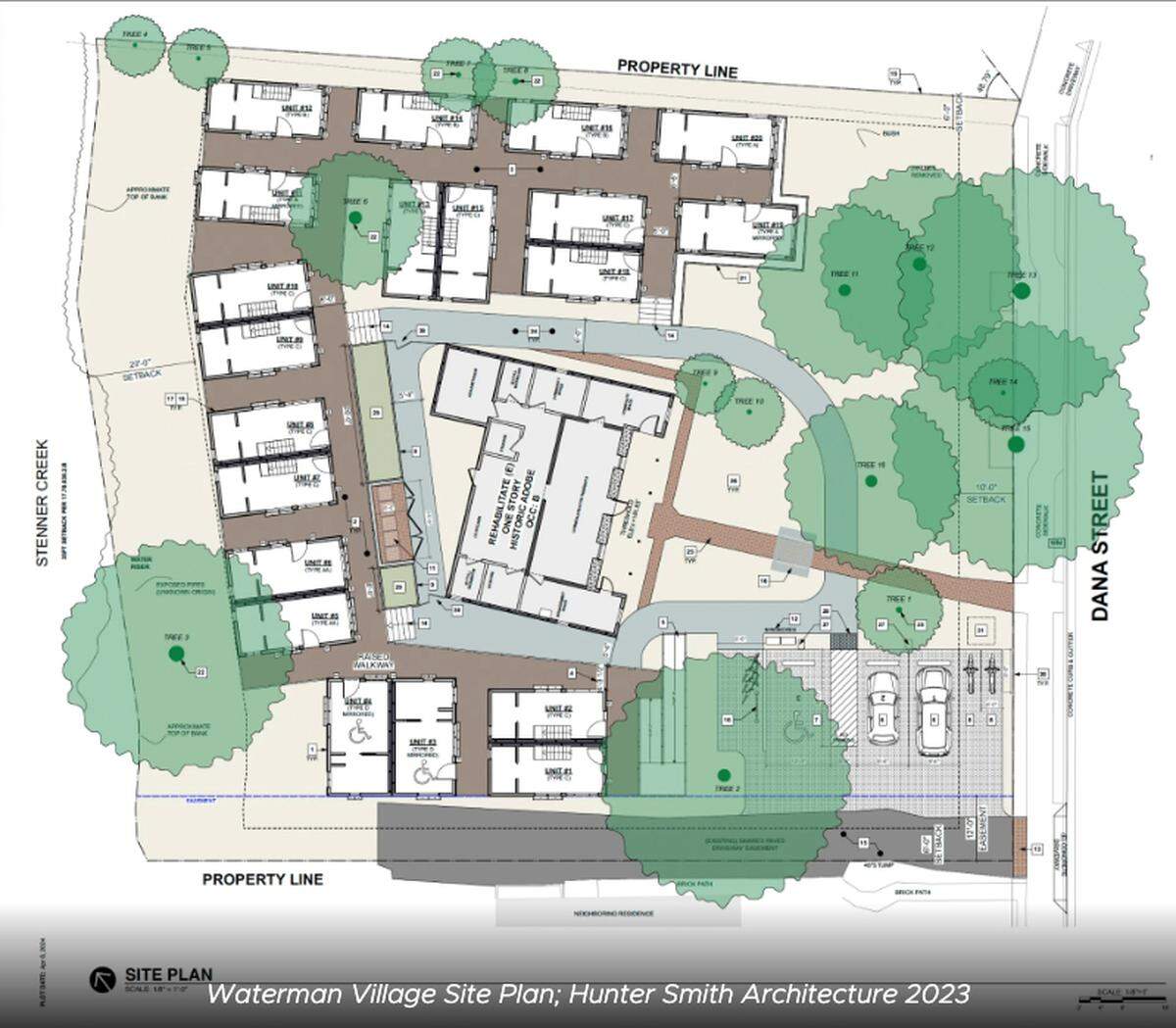
Waterman Village, a 20-unit tiny home project at 466 Dana St. proposed by Smart Share Housing Solutions, got the green light from planners at Wednesday’s meeting.
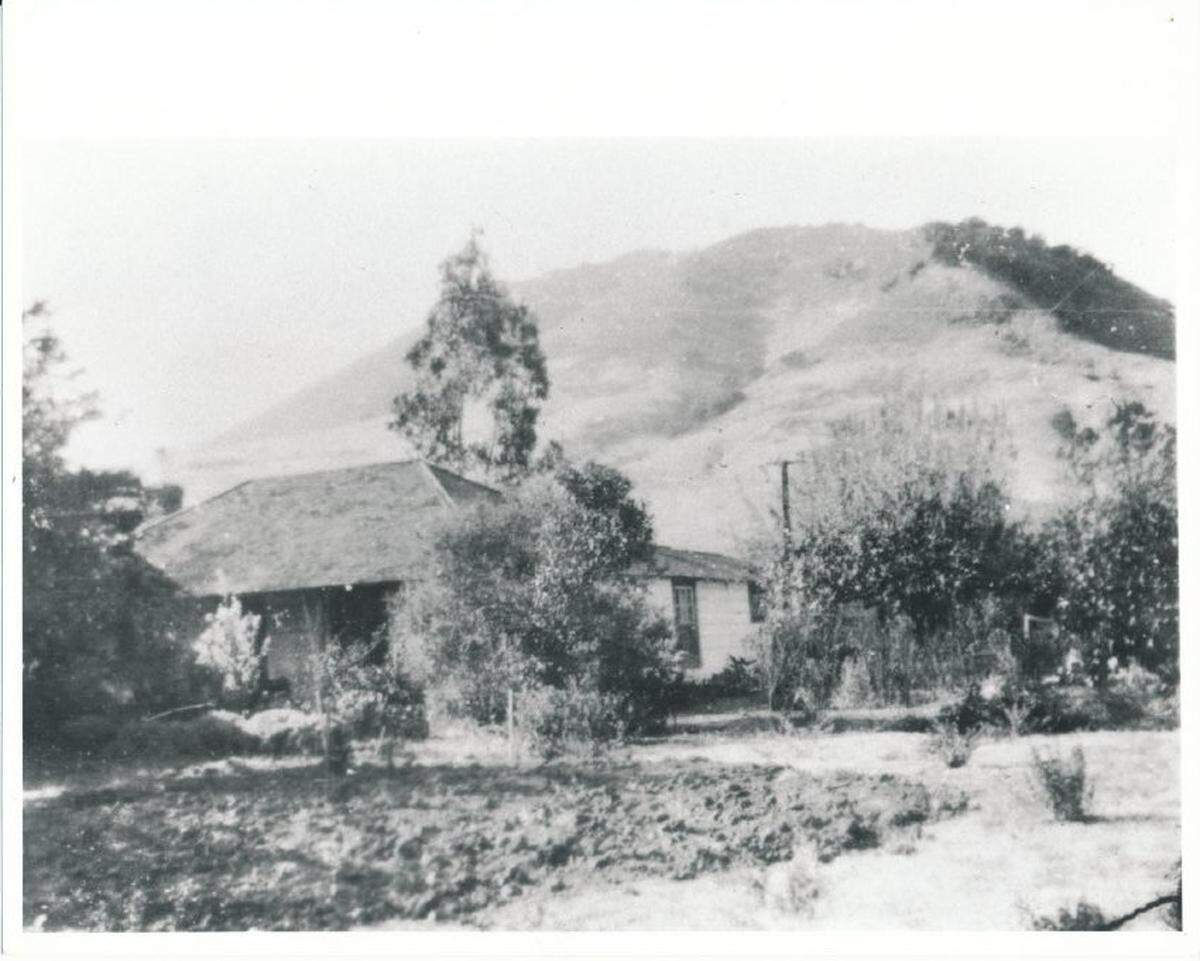
The Dana Street location has been out of public use for the past three decades despite being home to an adobe that is at least 150 years old and dates back to the mid-1800s.
Donated to the city in 1989 by its most recent private owner Mary Gail Black upon her death, the project site was originally intended by Black to be restored for public use with the trees onsite preserved and named after her late partner Mildred Waterman.
Now, with the Planning Commission’s unanimous approval, the site will serve as a home for 20 low-income households, and the long-neglected Rosa Butron de Canet Adobe will take on a new life as a community center for the incoming village.
During public comment, multiple residents said they were excited by the prospect of adding more dense, less expensive housing.
Susan Stewart, 75, said that she’s still working full-time due to high housing costs, despite living in San Luis Obispo since the age of 12. She said Waterman Village offers an inroad toward solving the city’s ongoing housing crisis.
“We must number in the hundreds, if not the thousands, and we have all been searching for ways to survive here for many years now,” Stewart said. “I love the Smart Share Waterman Village mission statement — safe, secure, permanent and affordable housing in a sustainable cottage cluster — who could possibly object to that?”
What will Waterman Village look like?
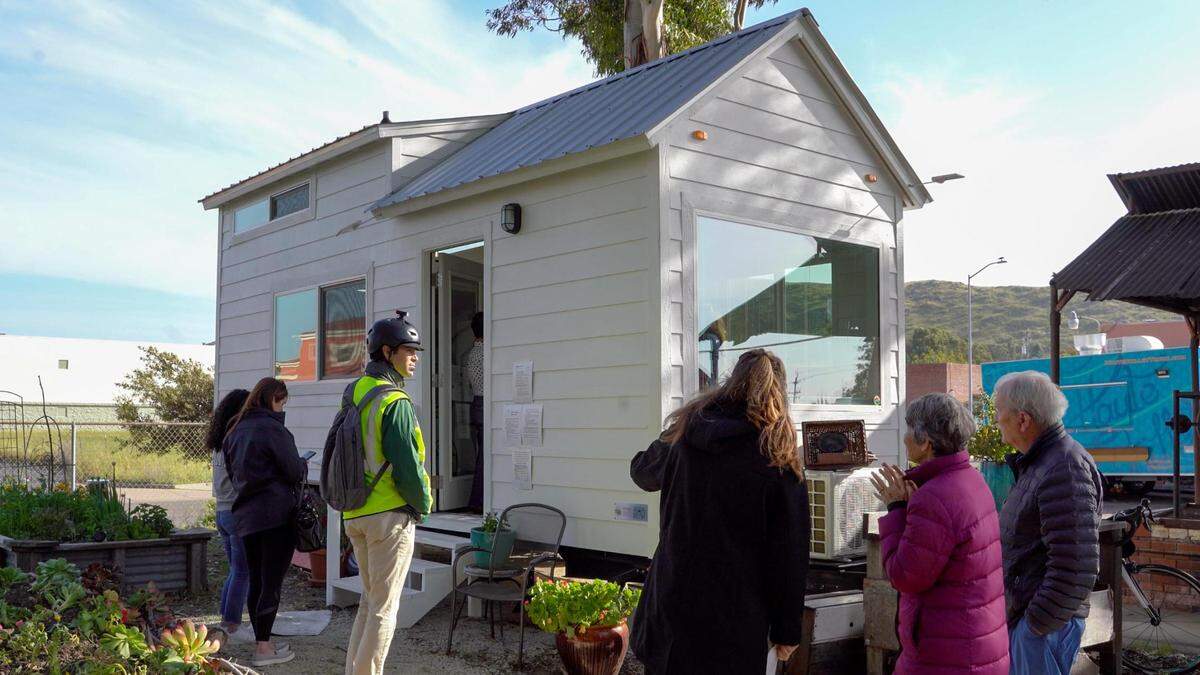
Smart Share Housing Solutions’ plan for the project site involves adding 20 tiny homes on raised pier foundations that can withstand 100-year floods, clustered around the sides and back of the adobe.
Those prefabricated tiny homes range in size between 220 and 264 square feet, and will likely lease to low- and very low-income tenants at around $860 to $1,400 a month depending on income, Smart Share executive director Anne Wyatt said.
Non-historic additions to the property will be removed, along with 12 trees, while the adobe itself will undergo rehabilitation to repair many of the issues with the structure.
Once repairs are complete, the adobe will be used as a community gathering area and administrative space for the on-site property manager, according to the staff report.
Just four parking spaces will be provided for the units due to a density bonus law that allows developers to request exceptions to parking rules, rather than the 29 that would be required for a project with this many residences. The project will also get two street parking passes, and developers expect residents with cars to purchase monthly passes for the new Nipomo Street parking garage half a block away, Wyatt said.
What do neighbors of the project think?
That parking setup was at the crux of many public comments from neighbors.
James Cooley, the owner of eight apartments near 466 Dana St., said he was concerned that the project’s low parking requirement would clog streets with more vehicles than it can handle.
Cooley said he was frustrated to see his efforts to add two more units to his property denied due to a parking restriction while Waterman Village was able to get a parking requirement reduction based on its affordable and high-density status.
He said he’s not against development but is opposed to making concessions that could affect existing neighbors, asking that the Planning Commission limit the number of street parking permits available to Waterman Village.
“I have Section 8 tenants and a number of very low-income tenants in my single-bedroom apartments — they all have at least one car, and the couples have two cars,” Cooley said. “These are not wealthy people. Cars are a reality for most people to be able to make a living, and it is the rare exception that anyone can live without a vehicle in San Luis Obispo.”
San Luis Obispo resident Leslie Halls questioned the validity of the project under the original agreement between Black and the city, reading the agreement aloud and warning that the city could be on the hook legally unless “the adobe and two adjoining wings that make up the old house and the trees on that property be maintained by the city for park or recreational purposes.”
“Now, I don’t see anywhere in there where it says we’re going to put low-income housing or any kind of housing or offices or anything else around it,” Halls continued. “It also mentions that we need to preserve the trees, which are going to be chopped down. I just do not feel like this proposal in any way, shape or form, however well intended it is, does not comply with the terms of the will which the city actually accepted.”
Wyatt said she understands the neighbors’ concerns about parking, but said the property will try to bring in car-free tenants where possible.
“Neighbors have pointed out an equity issue with parking, but indeed no one else on the block has deed-restricted, 100% affordable housing,” Wyatt said. “When a neighbor suggests that it’s not fair because he didn’t get a parking concession, I would say he would have an equitable option to get a parking concession if he offered his property as 100% affordable deed-restricted more or less in perpetuity, so that equitability is built into the system, and it’s not apples to apples there.”
What happens next at 466 Dana St.?
Though the project now has the go-ahead to move forward, Wyatt said it will take some time to see changes come to fruition.
The project costs for the tiny homes is not yet known, but rehabilitation of the adobe will cost an estimated $2 million, and Wyatt said she expects construction to get underway in early 2026.