Residents of SLO County Safe Parking site react to news of closure: ‘It’s a bad idea’
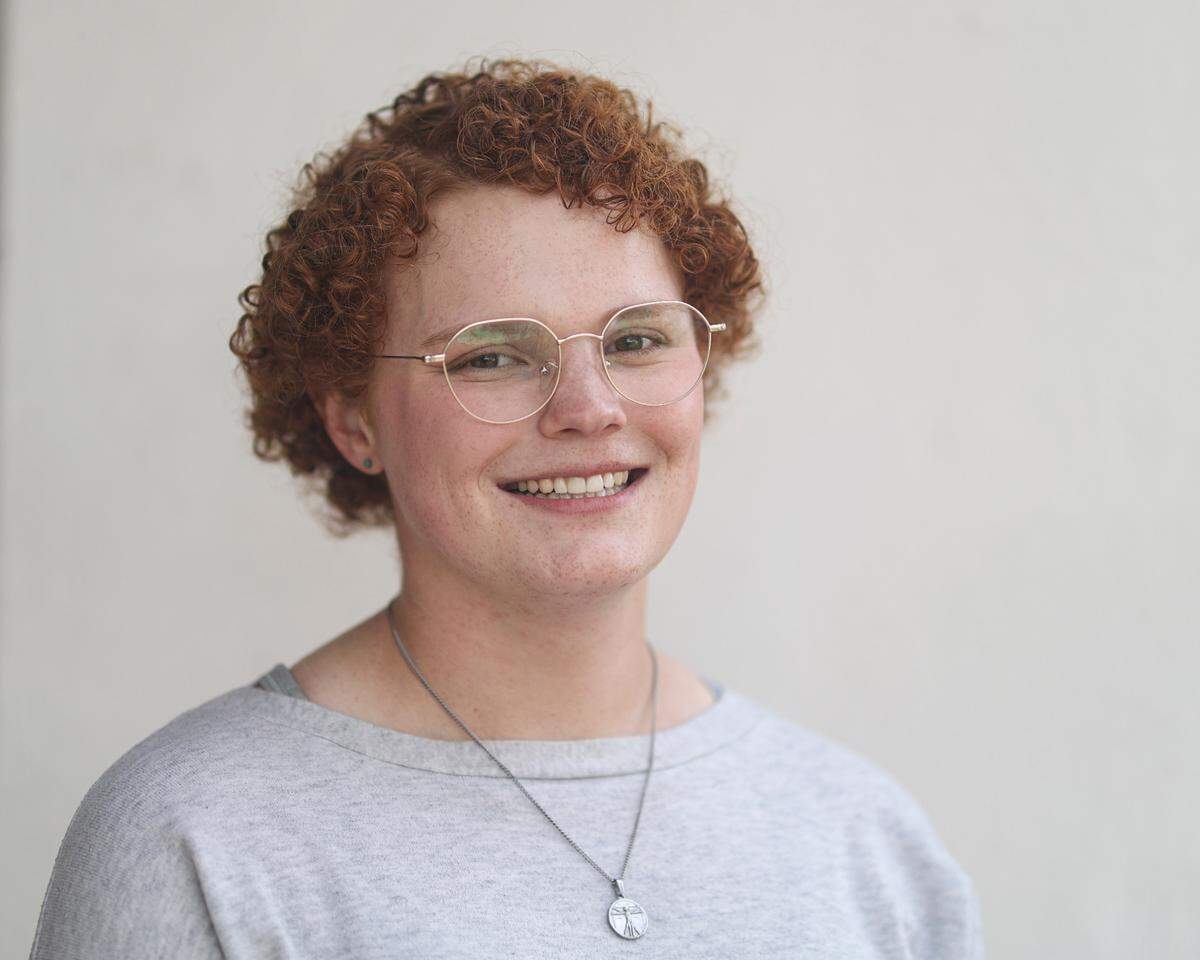
When Mallory Mejia and her family moved into their San Luis Obispo apartment in late December, it marked the end of a year and a half of homelessness.
The Mejia family — Mallory, her husband Juan and their five children — spent about 16 months living at the Kansas Avenue Safe Parking site, which is located along Highway 1 just north of SLO.
They left the San Luis Obispo County-operated pilot program with the help of the Family Housing Association, which found them a permanent place to live.
The county announced Monday that its safe parking program will come to an end in the next few months.
According to SLO County Administrator Wade Horton, the county will no longer accept new people as it begins moving current residents through case management services and off the site.
“I think it’s a bad idea that they’re closing it, to be honest,” Mejia said. “I really don’t believe that the people out there are going to get what they need to be successful. It’s been open for a year and a half and very few people are actually getting case management.”
What is SLO County Safe Parking site?
Kansas Avenue, sometimes called Oklahoma Avenue, opened in August 2021 as part of an emergency response by the county to the growing population of local unhoused residents.
The goal of the site was to be a temporary landing place for homeless community members as they transition into other housing, either temporary or permanent.
However, Horton told The Tribune on Monday, the program hasn’t accomplished that.
“We wanted to provide an opportunity for people to transform their lives, and we weren’t meeting the objectives that we initially thought we would,” he said.
For instance, he said, the county failed to identify a homeless services provider to take over site operations after its initial launch.
Although there was no permanent, full-time site management at Kansas Avenue, the Community Action Partnership of San Luis Obispo functioned as the primary case management provider for the site’s residents, a duty that included finding housing and helping residents navigate the local network of care providers.
The county also struggled in its efforts to encourage existing residents to see Kansas Avenue as a transitional housing solution as opposed to a permanent community.
Many residents see the site as their permanent home, Juan Meija said.
About four dozen site residents formed a union in November to advocate for more services from the county and CAPSLO.
The union initially sought to take over the site’s security, gain water, sewage and electricity hookups for RVs and form a governing body made up of residents to run the site.
Kansas Avenue residents fear return to homelessness
Treva Kathary, who has lived at the safe parking site since it opened, said Kansas Avenue began with good intentions.
As stays that were meant to be temporary stretched on, the process of matching Kansas Avenue residents with care services and housing resources “stagnated,” she said.
“A lot of these people out here (at the site) seem like they’re perfectly okay with this place, like they would be perfectly fine living here for the rest of their lives,” Kathary said.
However, Kathary said, the site could have been run better.
“The problem has been mostly lack of services, because CAPSLO really hasn’t done much in that area,” she said.
Issues with site security, unequal enforcement of site rules and a lack of structure for residents all played a role in altering residents’ expectations, she said.
“I think that if there would have been a little bit more rules ... maybe people would have been progressing a little better, Kathary said, adding that “you can’t make people participate.”
A lack of resources and capability may have hurt CAPSLO’s ability to move people through the site quickly, Juan Meija said.
Lorena Keller, another longtime resident of the Kansas Avenue site, described living conditions there as harsh.
She lives in her recreational vehicle without electricity because she cannot afford to run a generator.
Keller said she’s open to case management and housing aid, but doubts the effectiveness of the county’s plan to shutter the site — calling the idea “ridiculous.”
“(CAPSLO) staff hasn’t done much of anything with the people there,” Keller said. “Either they ignore me or they lie to me. (They) tell me they’ll get back to me, but they never do.”
Meija also expressed concerns about the county’s plan to close Kansas Avenue.
“I don’t see how it’s going to solve anything,” Mejia said. “It’s going to put the homeless back on the street, and they don’t want that. Homeless are an eyesore for people with money.”
What’s next?
The next phase of the Kansas Avenue site will consist of a surge of case management and service outreach to the 70 to 80 residents currently living there, Horton said.
These services will look different for each resident based on their individual needs, the county said.
They may require assistance finding a home, need help with paying rent or want aid filling out the right paperwork to apply for affordable housing. In some cases, finding housing may not be the resident’s goal.
Horton said tiny home villages may be the county’s next attempt at creating transitional housing.
Unlike safe parking sites, where residents live in their own vehicles, residents of tiny home villages, residents don’t own the buildings where they live.
Residents often voluntarily enter a tiny home program with the understanding that the program is a transitional step toward stability in sobriety, mental health care, employment or permanent housing.
“If there was a tiny village where people could go instead of being in a temporary pilot program, I think it could be successful,” Mejia said, avoiding some of the pitfalls of the Kansas Avenue site.
The county will go before the San Luis Obispo County Board of Supervisors in April with the finalized version of the transitional plan for the remaining Kansas Avenue residents, Horton said.
This story was originally published March 1, 2023 at 5:30 AM.