Residents of SLO County Safe Parking Site just joined a homeless union. Here are their demands
Residents of a San Luis Obispo County safe parking site have joined the California Homeless Union in an effort to improve life for unhoused people living in the county
The new chapter, SLO County Local, currently represents about four dozen homeless community members living at the Oklahoma Avenue parking site as well as on the streets, organizers said in an Oct. 14 news release.
The California Homeless Union, which has 25 chapters in communities across the state, advocates for the rights and protection of unhoused people.
Located off Highway 1 just north of San Luis Obispo, the Oklahoma Avenue site opened in August 2021 and provides temporary parking spaces for unhoused people who live in their cars or recreational vehicles.
Many residents have expressed dissatisfaction with living conditions at the safe parking site near the San Luis Obispo County Jail.
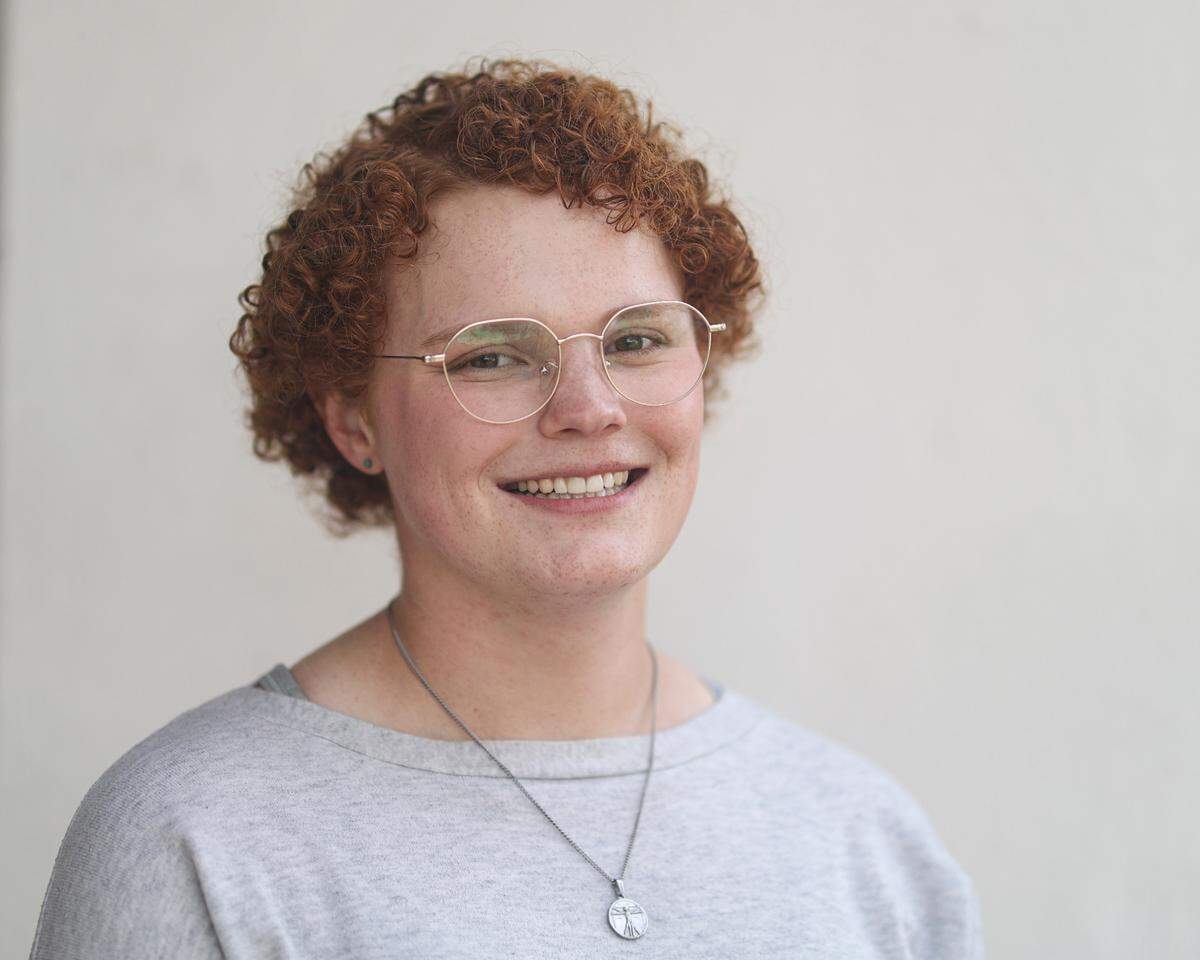
Local union chapter president Mallory Mejia, who lives at the Oklahoma Avenue parking site, said unionizing is a necessary step toward improving relationships between site residents and administrators.
“(Unionizing) makes us feel like we’re not just people living inside of a fence,” Mejia said.
Instead, she said, “We’re outside, helping and being as productive as possible in this situation.”
What are homeless union’s demands?
Oklahoma Avenue parking site residents have been talking about forming a union chapter or representative body for around a year, Mejia said.
That only truly became a priority when they felt San Luis Obispo County and Community Action Partnership of San Luis Obispo, which oversee the site, failed to live up to their goals, she said.
“Honestly, I think that (the site administrators) had an idea that something was gonna happen,” Mejia said. “There were a lot of people out here that mentioned to CAPSLO, to the county, that things weren’t getting done.”
In the release, the SLO County Local chapter made a list of demands to county and CAPSLO administrators, focusing on self-governance, security and an expanded role in management of the parking site.
While the union chapter has members living in areas other than the Oklahoma Avenue site, its first priority is to improve the quality of life for residents living onsite.
Safety is among the union members’ greatest concerns. While the Safe Parking Site is surrounded by chain link fencing and patrolled by security guards hired by the county, residents have expressed concern over the way security has been run.
Mejia said the security team has done a poor job in forming relationships with the parking site’s residents, leading to distrust and lapses in security.
“Security is a huge issue out here,” Mejia said. “They don’t know who is and who isn’t supposed to be coming out here.”
Mejia said Oklahoma Avenue residents aim to act as an auxiliary security team until site administrators transfer the responsibility for the site’s safety entirely to the residents.
In addition, whenever a site resident interacts with CAPSLO employees, the SLO County Local chapter wants the right to have another resident present as a means of support.
“A lot of times it can be a one-sided conversation when it comes to CAPSLO,” Mejia said.
The union chapter is in the process of instituting its own code of conduct, Mejia said, in an effort to provide a process for settling disputes between residents, including the terms of removal from the site.
For Oklahoma Avenue residents, union chapter vice president Deena Clarke said, joining the California Homeless Union is ultimately about improving the quality of life at the site.
“We’re human beings,” said Clarke, who lives at the safe parking site. “We have rights. We have constitutional rights. This is inhumane — there’s no electricity or water. We’re just trying to make it better.”
In that capacity, Clarke said the union intends to hold CAPSLO and county site administrators to the contract governing the rules of the parking site, which she feels have not been upheld by the site’s administrators, pointing to unreliable water, gas and electric services onsite.
Union members are hopeful a recent change of leadership will be conducive to change, Mejia said, as they feel new San Luis Obispo County Homeless Services Division manager Joe Dzvonik will be more responsive to the residents’ needs than previous administrators.
Dzvonik, who started in his new role in August, said he wants to be receptive to the needs of the site’s residents.
Because only around 50% of the people living at the Oklahoma Avenue site have signed on with the union, he said, theirs will not be the only voices he listens to.
“I met with (union organizers), and they gave me the list of what they feel the union is going to do,” Dzvonik said. “I don’t really recognize the union in any formal way; I simply see all of them out there.”
Dzvonik said plans to change security protocols or implement self-governance at the site are in the “early stages,” and need to be explored further before he accepts the union chapter’s proposals.
“They all got there in different ways,” Dzvonik said, referring to the site residents. “They’re all looking for different ways to get out of it, and while they’re there, they just simply want to be heard. They want to have representation to address some of their own problems in a way that they feel that can be addressed, and that’s as simple as I see it.”
How does unionizing help unhoused people?
Anthony Prince, lead organizer and general council to the California Homeless Union, said unionization provides benefits beyond legal representation.
Prince has been a part of the California Homeless Union since it was founded eight years ago.
While the union’s 25 chapters across the state have filed and won lawsuits involving policies governing homelessness, he said, their main focus is getting housing for its members.
The right to “pursuing and obtaining safety” is protected under the California Constitution, Price said, meaning that access to housing is a constitutional right.
“How can you be safe if you don’t have a decent house to live in?” Prince said. “We feel there’s a firm obligation on the part of the state — in all its political subdivisions — to provide housing, which has become unaffordable to millions of Californians.”
Across California, Prince said the cost of housing has become “prohibitive” to most low-income and homeless individuals.
“The question of housing cannot be cannot be left to the market,” Prince said. “The market operates in such a way that the investment goes where they can get the highest return, and unfortunately, that is not in providing affordable housing.”
Prince said the union generally prefers to establish dialogues and working relationships with local authorities over litigation.
“We’re a union, so we’re about collective bargaining, (and) we’re about getting agreements that will enshrine rights that already exist and add to those rights,” Prince said. “We’re very much focused on due process, on people knowing their rights, on safety, on free speech and people having a say in what happens to them.”
Often, third-party beneficiaries such as the site residents in contracts such the one signed by CAPSLO and SLO County to operate the parking site do not have legal representation, Prince said.
At the Oklahoma Avenue parking site, Prince said the relationship between residents and site administrators is “complex,” and the union will give residents more equal legal footing when issues over contracts arise.
This story was originally published November 11, 2022 at 7:00 AM.