
Central Coast museum returns thousands of Chumash remains, artifacts: ‘The right thing to do’
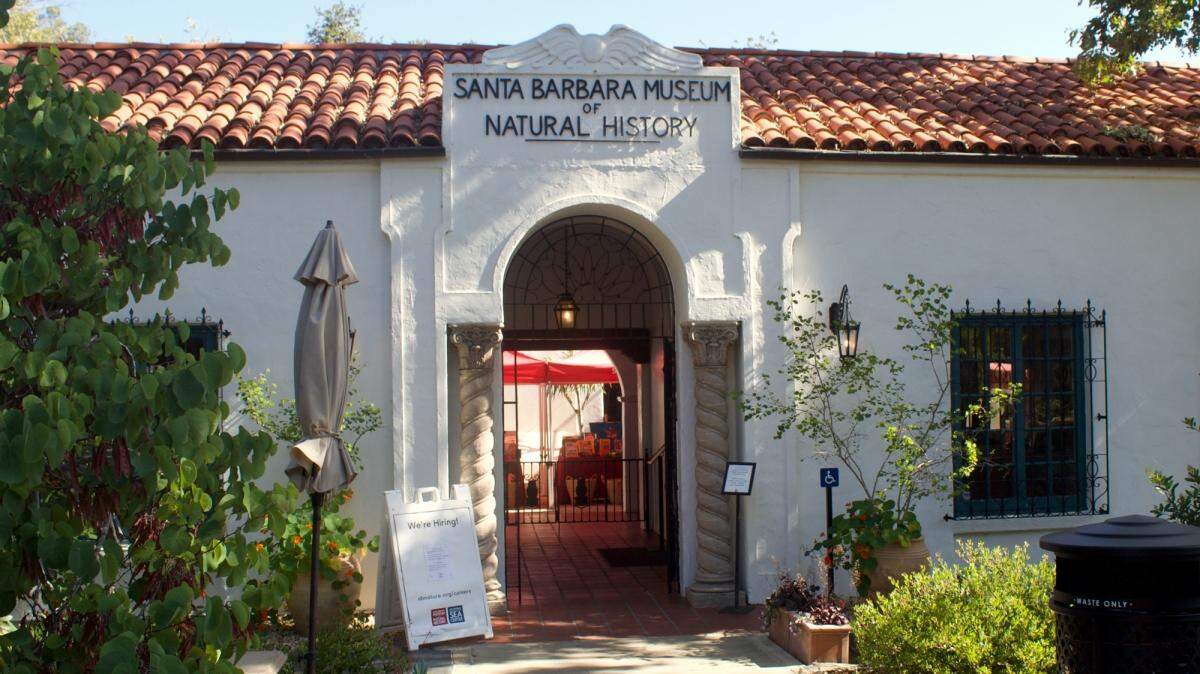
The Santa Barbara Museum of Natural History recently returned thousands of Chumash remains and funerary objects to the Santa Ynez Band of Chumash Indians under the Native American Graves Protection and Repatriation Act.
The federal Native American Graves Protection and Repatriation Act of 1990 provides a process for federal agencies and museums to repatriate and transfer Native American items — including human remains, funerary objects, sacred objects, and other objects of cultural patrimony — to lineal descendants, Indian tribes, Alaska Native Corporations and Native Hawaiian organizations.
The museum and the Santa Ynez Band of Chumash Indians have been collaborating for about six months — with the museum receiving the NAGPRA claim last October — to return the requested items to the tribe.
“These items have come home to our tribe, and it allows us to do the important work of repatriation and reburial,” Kenneth Kahn, tribal chairman for the Santa Ynez Band of Chumash Indians, said in a statement. “We continue to have a close working relationship with the Santa Barbara Museum of Natural History and consider it to be a collaborative partner in the community.”
Most of the items have been at the museum since the 1920s and 1930s, after the museum’s anthropology department was established in 1922 to conduct research and excavate items on the Channel Islands and the Santa Barbara coast.
The Santa Barbara Museum of Natural History stopped its excavation practices in the 1970s when “heightened cultural sensitivities began to call this kind of activity into question,” the museum said in a statement.
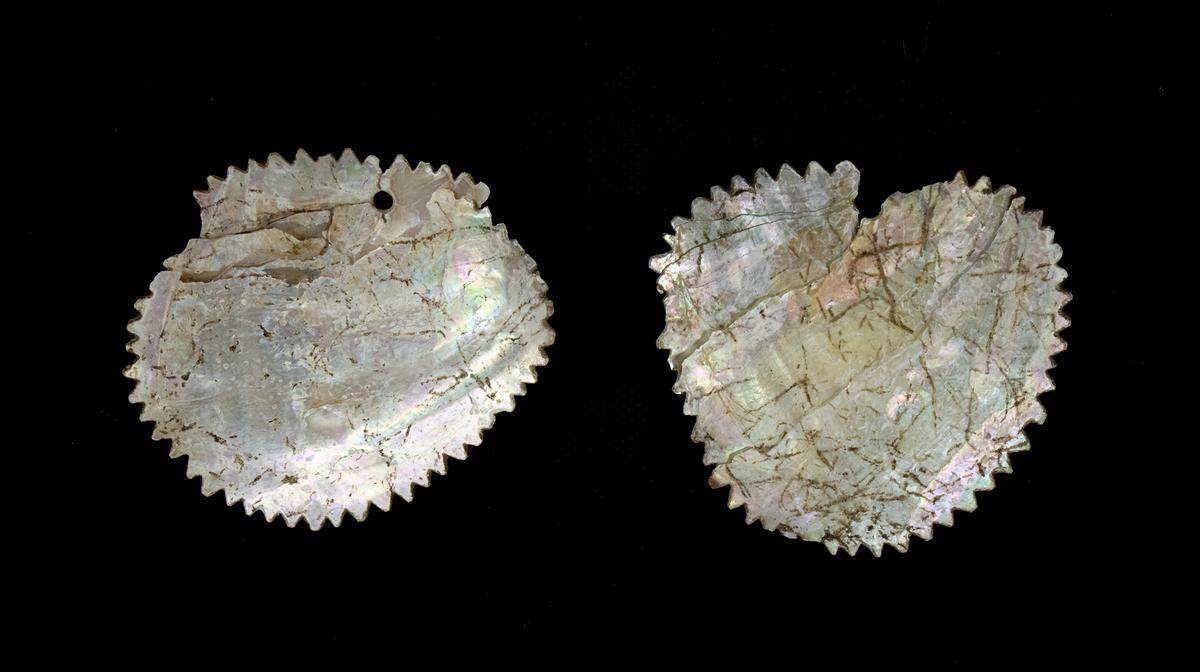
Among the excavated remains and objects returned to the Santa Ynez Band of Chumash Indians are the oldest human remains found in North America — three human bones of the Arlington Springs Man, discovered on Santa Rosa Island by museum archaeologist Phil Orr in 1959.
The remains, which include a human femur, were exposed because of erosion when Orr was excavating nearby. The bones have since been radiocarbon dated to be about 13,000 years old, meaning the Arlington Springs Man lived during the late Pleistocene era.
“The museum’s honored to have worked with the Santa Ynez Band,” museum spokeswoman Briana Sapp said. “It was the right thing to do, and we’re very happy that (the remains and items) are home where they should be.”
The Santa Barbara Museum of Natural History now only conducts scientific analysis with permission from the Chumash band with which the remains and artifacts are associated. The museum also established a California Indian Advisory Council in 1989, comprised of local tribal members to advise on collection, research, exhibition, and education related to Chumash culture.
“The museum has been honored to care for this important cultural heritage for many years and now finds it deeply satisfying that we can transfer custody back to the Chumash community,” museum President and CEO Luke Swetland said about the recently returned Chumash remains and items.