SLO County gets $14 million to turn Paso Robles motel into homeless shelter, housing
Three San Luis Obispo County nonprofit organizations are teaming up to turn a Paso Robles motel into a long-awaited homeless shelter after previous plans to build a city facility fell through.
California Gov. Gavin Newsom on Friday announced the state will award about $14 million to the Housing Authority of San Luis Obispo (HASLO), Peoples’ Self-Help Housing and the El Camino Homeless Organization (ECHO) to convert the Motel 6 on Black Oak Drive into a homeless shelter and low-income housing facility.
On Tuesday night, the three organizations asked the Paso Robles City Council to provide an additional $920,126 in state Homeless Emergency Aid Program (HEAP) funds that were awarded to the city in 2019 to build a new shelter.
The newly awarded dollars come from the state’s Homekey program, which allocated $550 million in federal coronavirus aid relief funds and $50 million from California’s general fund to help residents “experiencing homelessness who are at high risk for serious illness from COVID-19,” according to a news release from Newsom’s office.
“Paso Robles has no emergency shelter, and also has a higher proportion of non-white residents than the county as a whole, and a disproportionate number of COVID-19 cases,” a news release from the state Governor’s Office announcing the award. “This project will provide both emergency shelter and permanent units.”
Nearly 40% of Paso Robles residents identify as Hispanic or Latino, compared to about 23% of the countywide population, according to U.S. Census Bureau data.
The coronavirus pandemic has hit Paso Robles harder than any other city in San Luis Obispo County. As of Wednesday, a total of 1,024 Paso Robles residents have tested positive for COVID-19 since March, according to ReadySLO.org.
Paso Robles struggles to deal with homelessness
Paso Robles has been trying to build a homeless shelter for more than a year, since the county awarded the city and ECHO about $1.5 million in state funds. The city proposed a shelter near the Salinas River and the wastewater treatment plant off Sulphur Springs Road, but those plans fell through.
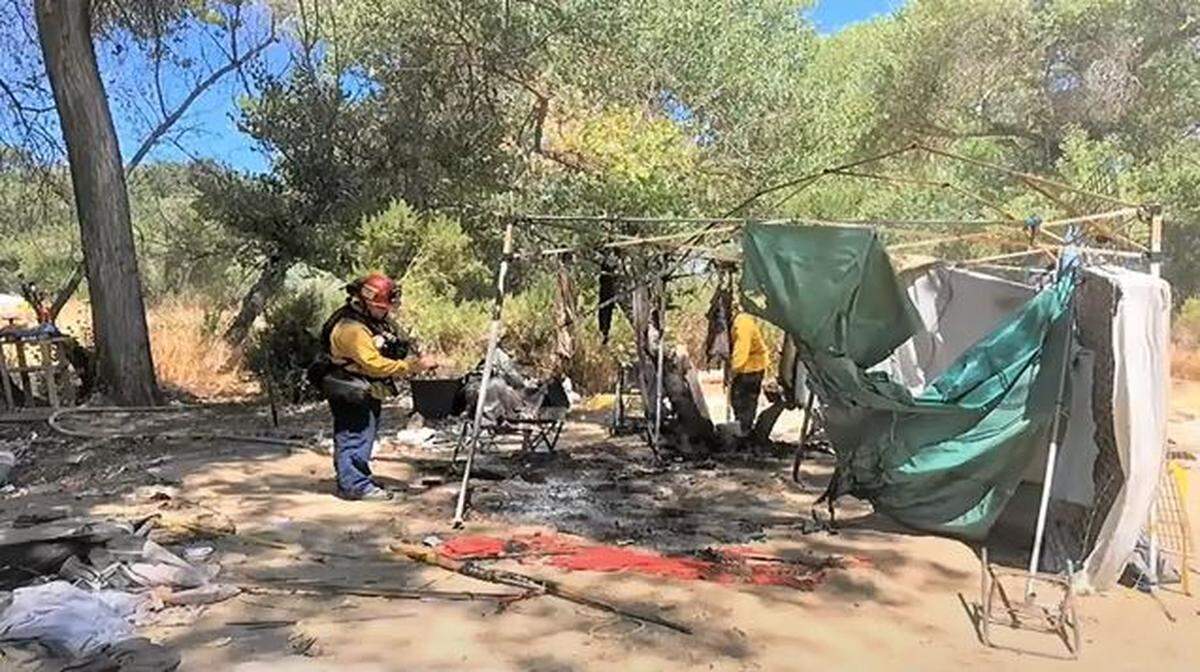
While the city was looking for a new site, homeless communities continued to live in the Salinas Riverbed, which has functioned as Paso Robles’ de facto shelter for years.
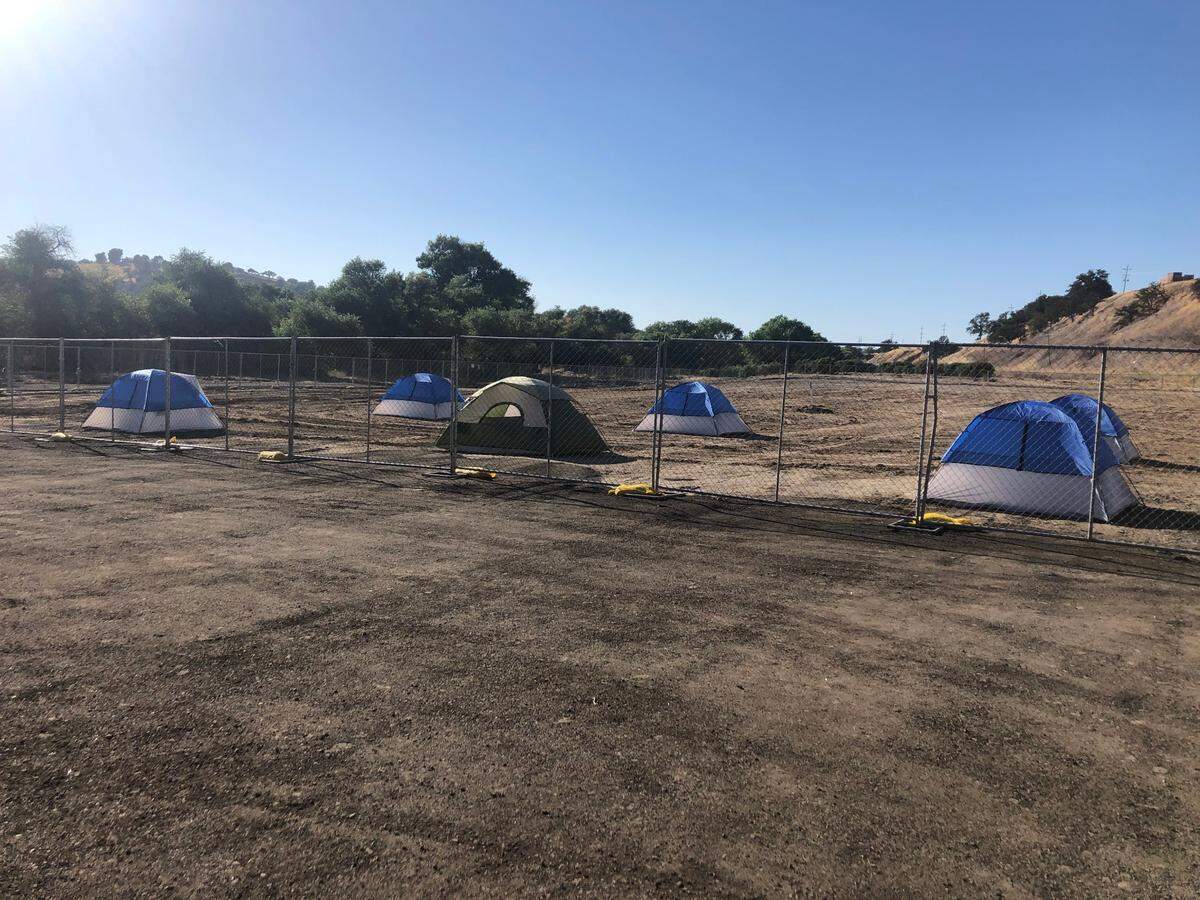
This summer, the city began clearing the riverbed to reduce the risk of fires, and staff started directing residents to a city-run camp at the 10-acre Borkey Flats site north of the 24th Street Bridge.
But homeless residents told The Tribune of their reservations about the site, saying the winding road to reach the camp was too narrow for bicyclists and the lack of police and lights made them feel unsafe about staying there overnight.
A brick-and-mortar shelter is an especially important resource for the city during the cold, rainy winter months, when the camp will close and the city will need to find another place for homeless residents to stay.
Motel 6 property to become shelter
HASLO, ECHO and Peoples’ Self-Help plan to use about $12.4 million of the Homekey funds to purchase the Motel 6 property, which the organizations will close on during early November.
The HEAP funds and the remaining Homekey money would go toward renovating the motel and operating the facility for two years. The state will also match about $800,000 in local contributions if the City Council decides to transfer its share of the state HEAP funds it was given last year.
The motel revamp would involve converting 50 rooms into spaces for emergency shelter beds and medical and mental health support. HASLO will provide property management services and renovate the additional 63 rooms into low-income apartments for individuals or small families, complete with kitchenettes for cooking.
Wendy Lewis, president of ECHO, said the homeless shelter part of the facility will include “the full program of homeless services” the organization offers at its Atascadero site, including case workers, showers and a meal program.
“We really see this as adding a resource in the homeless services realm,” Lewis said.
The Motel 6 property is located in an area that’s already frequented by homeless residents, Lewis said. It’s down the street from the 24th Street and Riverside Avenue site where ECHO and Paso Cares currently serve nightly meals, and it’s accessible to residents coming from different areas of town.
Lewis said she hopes the existence of the shelter can help area businesses, and residents transitioning out of homelessness could potentially even find entry-level work in the area.
When asked whether she expected pushback from area business owners, Lewis said ECHO has a good reputation for cultivating strong community relationships.
“I do think once we start engaging with our neighbors, we will get to a good spot,” she said.
‘What we need in Paso Robles is to help the homeless’
The Paso Robles City Council discussed the project at its Tuesday meeting, and council members will likely decide whether to transfer the HEAP funds to the shelter by Nov. 3.
City manager Tom Frutchey said the state has been in discussions with Motel 6 owners to provide shelter housing for homeless residents, as using hotel rooms instead of a traditional, dormitory-style setup would help isolate people from each other during the COVID-19 pandemic.
The state also pre-empted local planning authorities and state environmental processes, including the California Environmental Quality Act (CEQA), to fast-track the use of the motels and the funding.
The City Council cannot prevent the project from moving forward, but council members could choose not to transfer the funds previously allocated to build a shelter.
“Essentially, the placement of a Project Homekey facility in any city is a ministerial decision based on building codes,” Frutchey said. “There is no discretionary authority by the city at either the staff level, Planning Commission or council level to either approve or deny such a use.”
HASLO and the other housing organizations kept the funding application quiet due to a request from the Motel 6 corporate office, which didn’t want to inform employees the hotel might be sold until the sale was closer to being finalized, Frutchey said.
Project details must be finalized by Nov. 10 for the partners to receive state funding.
At Tuesday’s meeting, some council members expressed unhappiness with the short timeline and limited opportunities for public outreach, but others were supportive of the project.
The money would come with a set of stipulations, including security measures, low barriers to entry for homeless residents and a pledge that the facility would be economically self-sufficient for at least five years after the motel is converted to a shelter.
Councilman John Hamon, who expressed some hesitations about the Motel 6 project and its potential impact on the surrounding neighborhood, pushed for an additional stipulation that would require city leaders to review calls for police and fire services in the area after a year.
Mayor Steve Martin offered his support for the shelter, as did Councilman Steve Gregory.
“What we need in Paso Robles is we need to help the homeless,” Gregory said. “We may not be able to help all the homeless, but we can help the homeless. And the No. 1 thing about homelessness ... is homeless need housing, whether it be temporary or permanent.”
“Here we have the rarest of opportunities to have all three kinds of housing,” Gregory continued. “Emergency shelter, program shelter and low-income housing with three incredible partners that are financed for five years to keep that portion of the cost out of our city coffers.”
This story was originally published October 22, 2020 at 5:00 AM.