Paso Robles wants homeless camps out of riverbed — now a temporary shelter is in the works
Paso Robles leaders trying to prevent fires from starting in the Salinas Riverbed will relocate hundreds of homeless people living in the dry waterway and send at least some of them to a new temporary shelter.
They will also spend more than a quarter of a million dollars to clear overgrown brush as part of a rapid reaction to a June fire that destroyed and damaged nearby homes.
On Wednesday night, City Council members voted 5-0 to approve a multi-pronged plan that will involve spending $278,000 on equipment and contractors to remove vegetation from the riverbed.
They also approved a proposal to clean up large riverbed homeless camps and build a temporary shelter made of tents and trailers. Paso Robles has no homeless shelter, and the closest facility is the El Camino Homeless Organization (ECHO) in Atascadero.
“We do have a public health and fire safety emergency constituted by human encampments,” Mayor Steve Martin said during the special meeting. “I think that is the driving force to take care of emergency action right now as we secure that interim action in the future.”
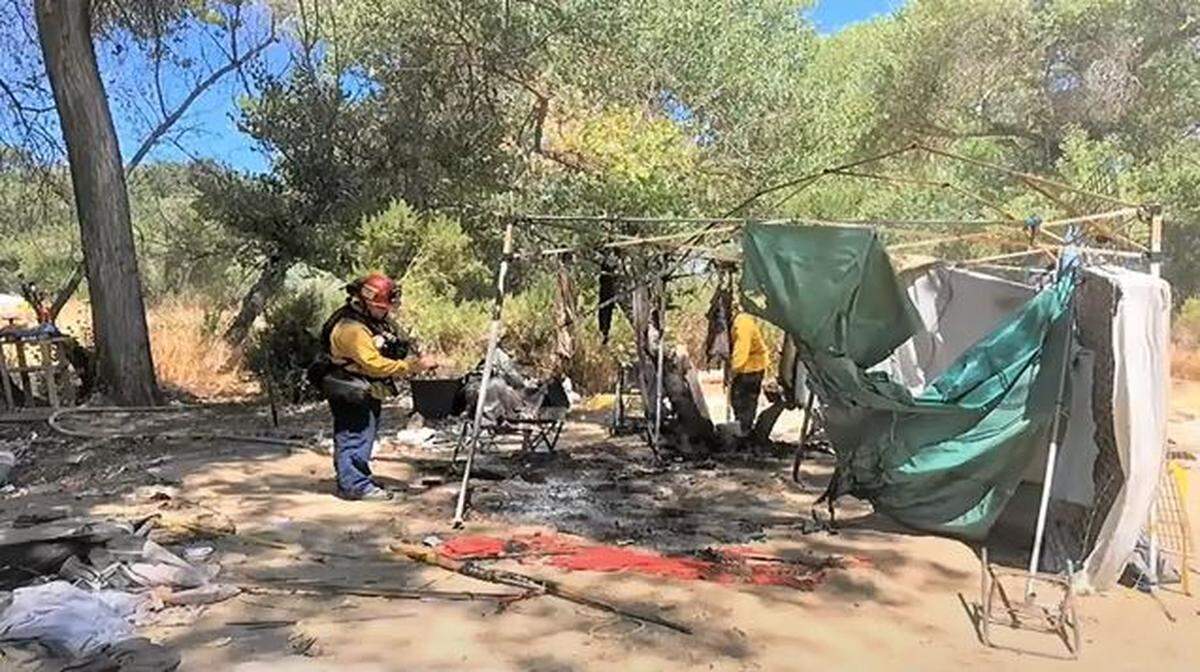
Clearing riverbed homeless encampments
The city has spent the past year trying to figure out how to deal with the increasing fire hazard the riverbed poses during summer months, when it’s dry, sandy and filled with overgrown brush and trees. Last year, the city spent about $361,000 clearing brush, grass and downed trees and creating fuel breaks.
But the riverbed continues to pose a fire risk to Paso Robles.
The Fire Department has responded to 474 fires within city limits since January 2017, 303 of which started in the riverbed, according to Fire Chief Jonathan Stornetta.
On June 22, a fire that sparked in the waterway destroyed two Paso Robles homes and damaged nine others. Since that time, city leaders’ efforts to control the fire risk have become increasingly urgent.
Without a shelter, Paso Robles homeless communities have flocked to the riverbed for years. But, recently, city leaders have begun to take steps to push homeless residents out of the waterway, citing concerns about campfires that can spread to vegetation and burn out of control.
Council members and city staff on Wednesday also discussed the dangers of human waste and other contaminants leaching through the riverbed and into the the city’s groundwater below.
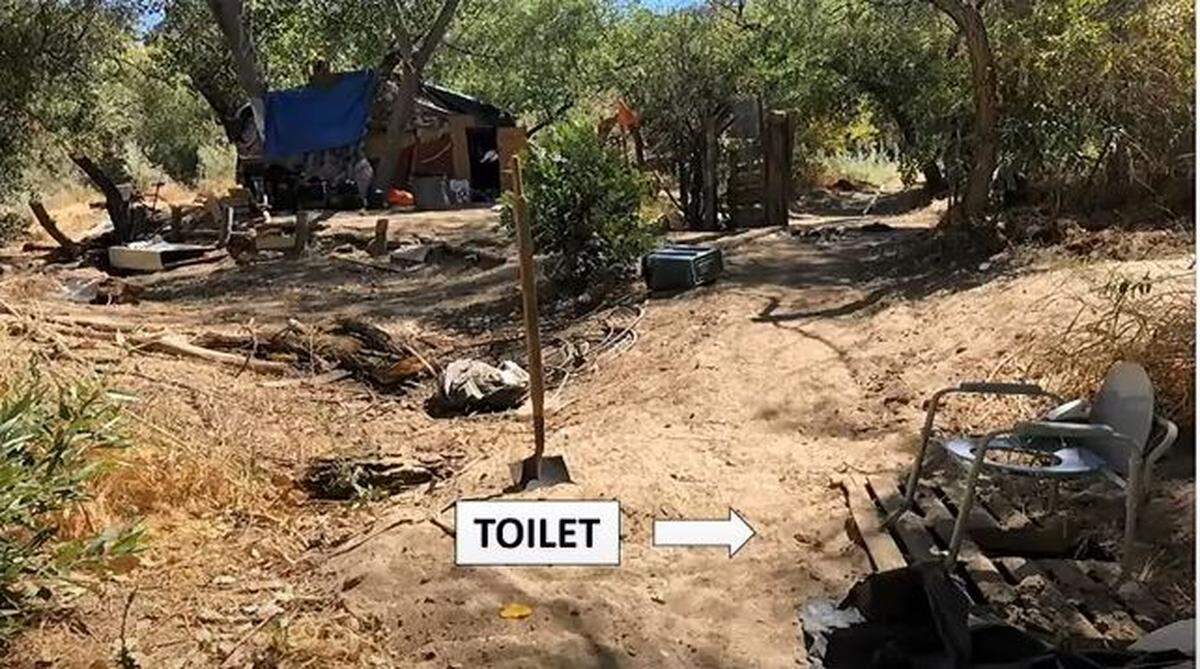
“Folks that are just tuning into this issue may have one idea about what homeless encampments are, but that probably doesn’t include latrines, barbecues and dammed-up rivers,” Martin said.
Last year, Paso Robles created a three-member police Community Action Team (CAT) to help deal with the city’s homeless population. The city has been trying to find a location for a permanent shelter and is working with ECHO in Atascadero to care for homeless residents.
But council members are frustrated at the city’s inability to keep homeless people out of the riverbed.
“You wouldn’t find, in the Sierras, somebody allowing camping in a vegetated area like that that was so prone to fires,” Councilman John Hamon said. “It’s just so ridiculous that we have not been able to take action. Frankly, (I’m) pretty ashamed of our leadership in handling the matter, because we’ve bent to Sacramento’s direction that we could not do it. If we get challenged, I’m ready to fight for it.”
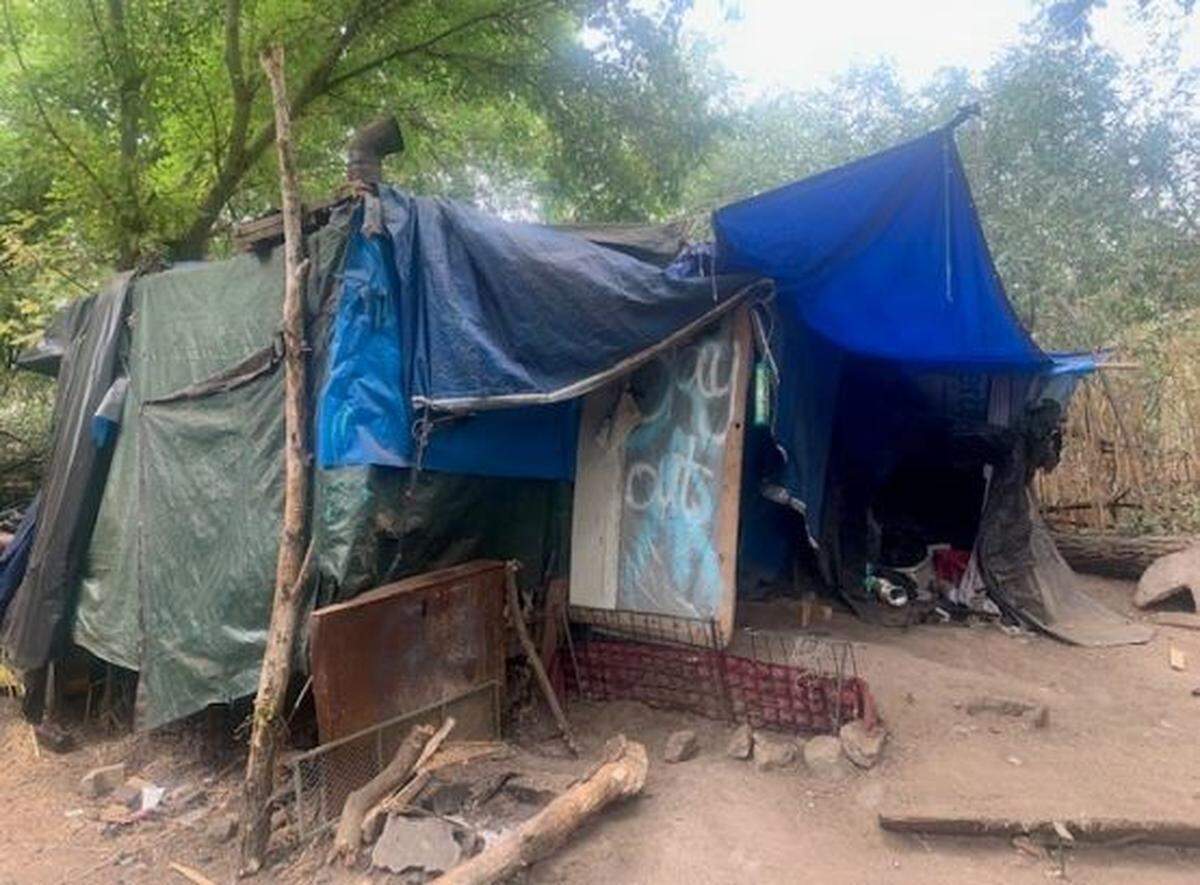
Building a temporary homeless shelter in Paso Robles
Court cases decided during the past two years prohibit jurisdictions from clearing homeless encampments without providing unsheltered residents with alternative places to go. If leaders want to clean up the riverbed camps, they’ll have to create shelter space elsewhere in the city.
And that’s what Paso Robles council members plan to do.
The City Council on Tuesday will select a location in the city where ECHO will set up a temporary shelter. Homeless residents will be given 72 hours to leave their encampments and move somewhere else. The city is preparing to provide units to store some residents’ belongings.
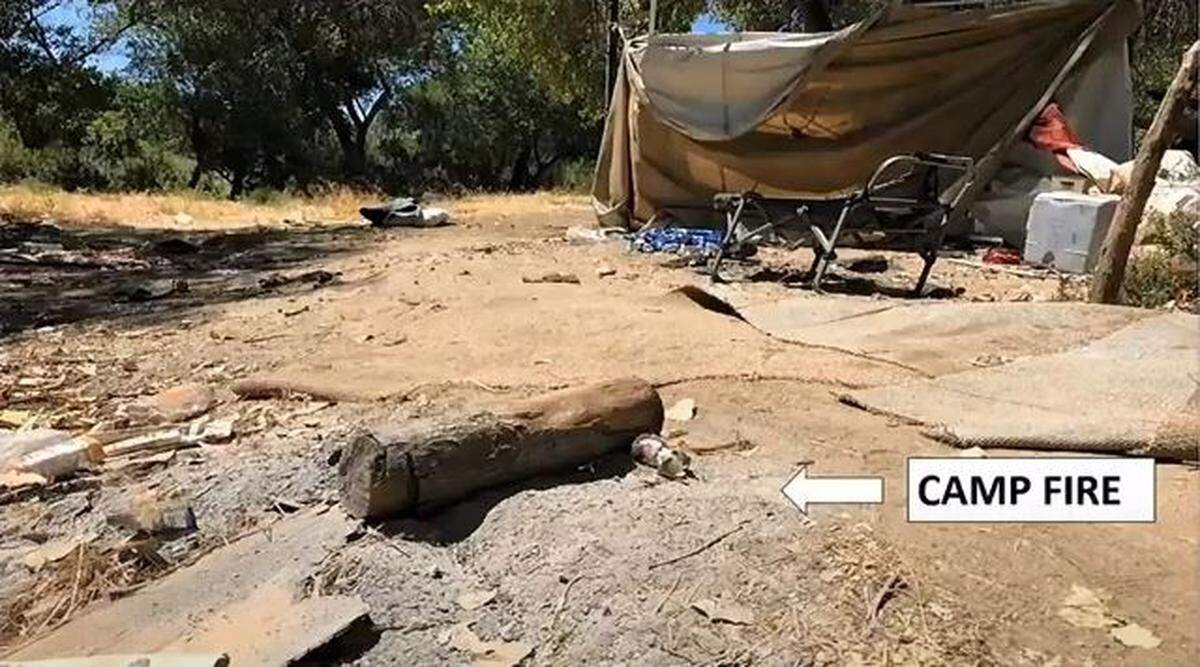
ECHO’s 50-bed shelter likely will be constructed out of event tents or mobile trailers, said Jeff Al-Mashat, Paso Robles director of homeless services.
The nonprofit would use federal Coronavirus Aid, Relief and Economic Security (CARES) money to create the temporary shelter, which would operate during evening and nighttime hours for six months, Al-Mashat said.
Creating the temporary shelter would be a “major undertaking,” Al-Mashat said. There’s not an estimate for the total number of people currently living in the riverbed, although Stornetta mentioned there might be up to 200 people in the encampments.
Martin told The Tribune there are likely more than 50 people staying there.
“It becomes an issue of overall public health, rather than temporary accommodations for the homeless,” he said of the riverbed.
After the council selects a location for the shelter, Martin said he expects to construct it within two weeks to two months.
“This is a start,” he said of the temporary shelter. “We have to do something to start moving on this.”
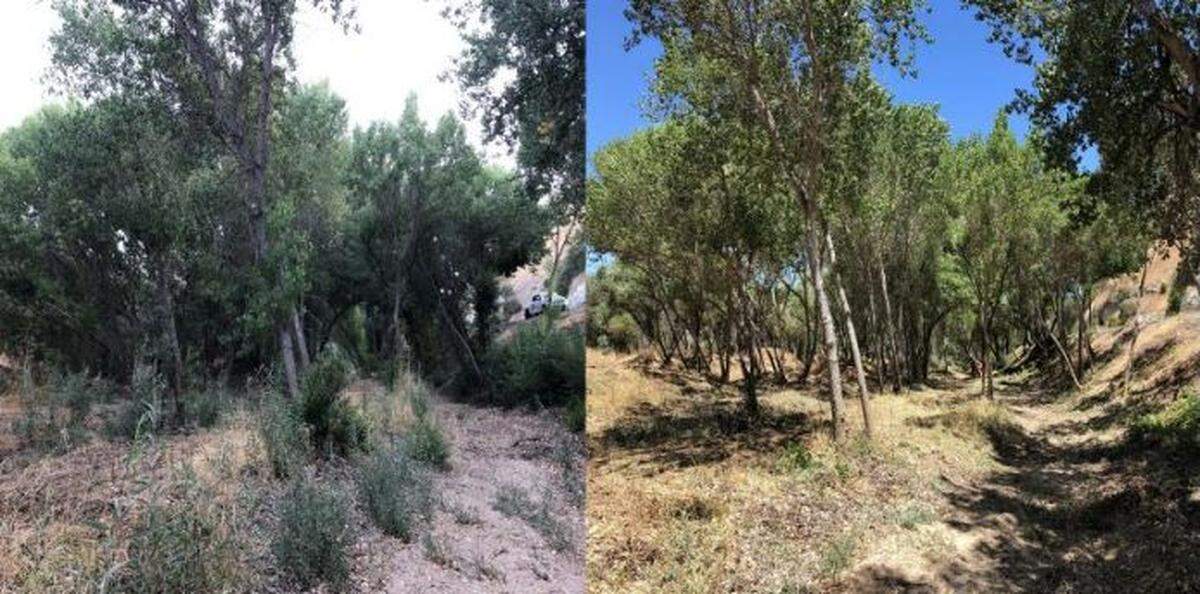
Clearing Salinas River vegetation
In addition to cleaning up the homeless encampments, the city will remove vegetation that’s creating fire hazards throughout the riverbed.
In the aftermath of the June 22 fire, Martin and other council members, along with Assemblyman Jordan Cunningham, sharply rebuked the Central Coast Regional Water Board and other agencies that have placed limitations on brush-clearing in the riverbed.
The water board on June 30 approved an emergency plan to clear 142 acres of vegetation in “emergency mitigation areas,” according to a city staff report. The city also plans to conduct ongoing routine maintenance on 39 acres of the riverbed.
The city has received $180,000 in grant funding to help pay for fuel reduction. Council members agreed to provide an additional $278,000, for a total of $458,000 to pay for equipment and contractors.
Clearing brush will make the riverbed less of a hazard, but it won’t completely eliminate fires in the waterway, Stornetta said.
“This does not mean that we’re not going to have fires down there,” he said. “The vegetation will just be hopefully a lot lower to the ground, which will kind of stop the crowning of the fires, which promotes the ember casting, which causes the fire to jump the road and things like that.”
“By taking these mitigation actions, we’re trying to minimize the size of our fires,” Stornetta continued. “But in no way is this going to prevent our fires.”
This story was originally published July 17, 2020 at 10:04 AM.