‘Immediate action now.’ Leaders call for Salinas Riverbed cleanup after Paso Robles fire
Following a fire that leveled two Paso Robles homes and damaged 9 others, local leaders are frustrated with their inability to clear vegetation growth in the Salinas Riverbed — which they say is a major hazard that threatens the city.
Assemblyman Jordan Cunningham, Mayor Steve Martin and Supervisor John Peschong all signed a letter Wednesday demanding the city be allowed to use mechanized equipment to clear vegetation around the riverbed, which the Central Coast Regional Water Board and other state agencies have historically prohibited.
“As we saw earlier this week, the board’s total failure to act after years of requests by the city has resulted in an extremely dangerous and combustible situation that poses risk to tens of thousands of residents, businesses, and visitors,” the letter reads. “The board’s inaction is totally irresponsible, borders on criminal and civil negligence, and will inevitably result in further catastrophic damage to the lives and property of local residents.”
But the Water Board says the city has yet to submit the long-term maintenance plan the agency requested last year after leaders declared an emergency and trimmed vegetation without a permit.
“The Water Board and city staff have been working on this issue since the fires last summer,” Matthew Keeling, executive officer of the regional Water Board, wrote in an email. “This is when the city first reached out to us about the need to remove vegetation for fire suppression; this has not been going on for years as stated in Assemblymember Cunningham’s letter.”
Salinas Riverbed as a fire hazard
This is not the first time city officials have tried to figure out how to deal with the multi-pronged fire hazard the Salinas Riverbed poses.
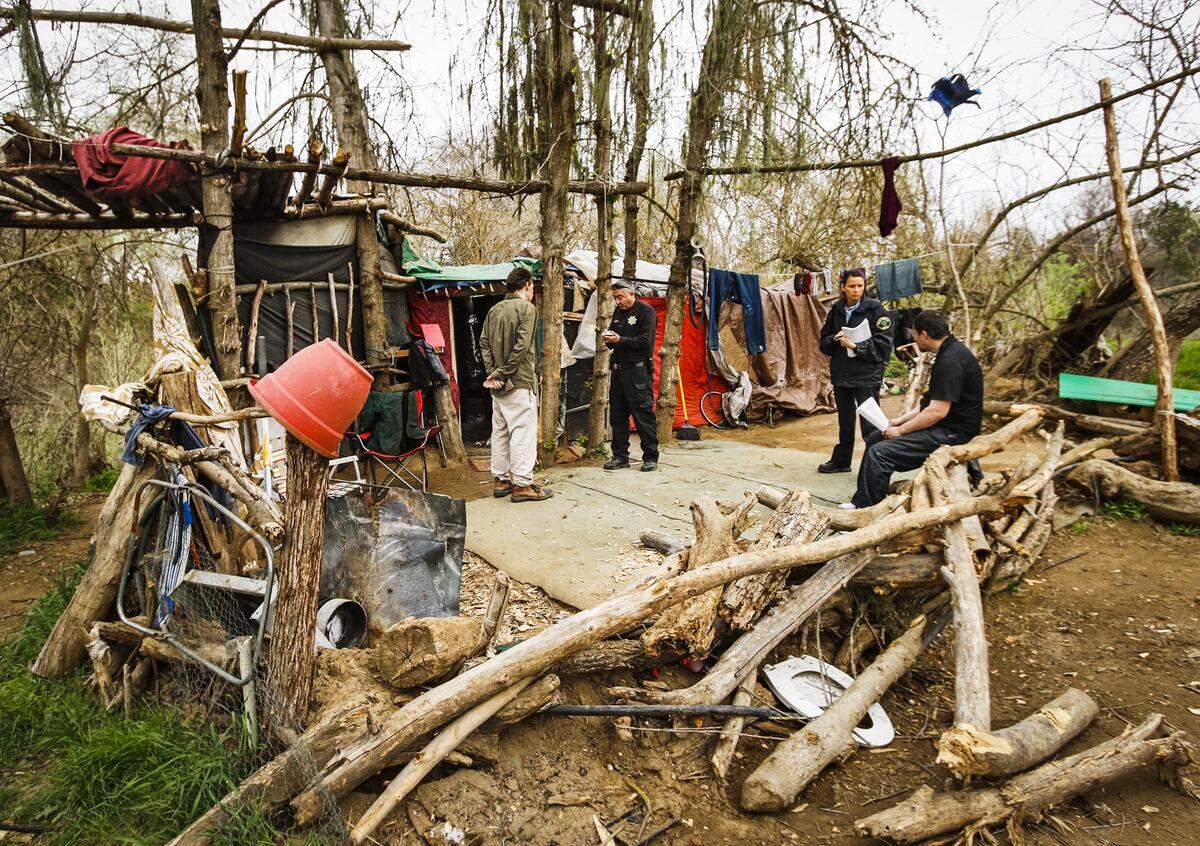
About 425 fires have sparked in the riverbed since 2017, and the city has been trying to work out the best way to prevent fires in the area since that time, said Fire Chief Jonathan Stornetta. The area is a popular place for homeless people who form encampments there, as the city has no shelter.
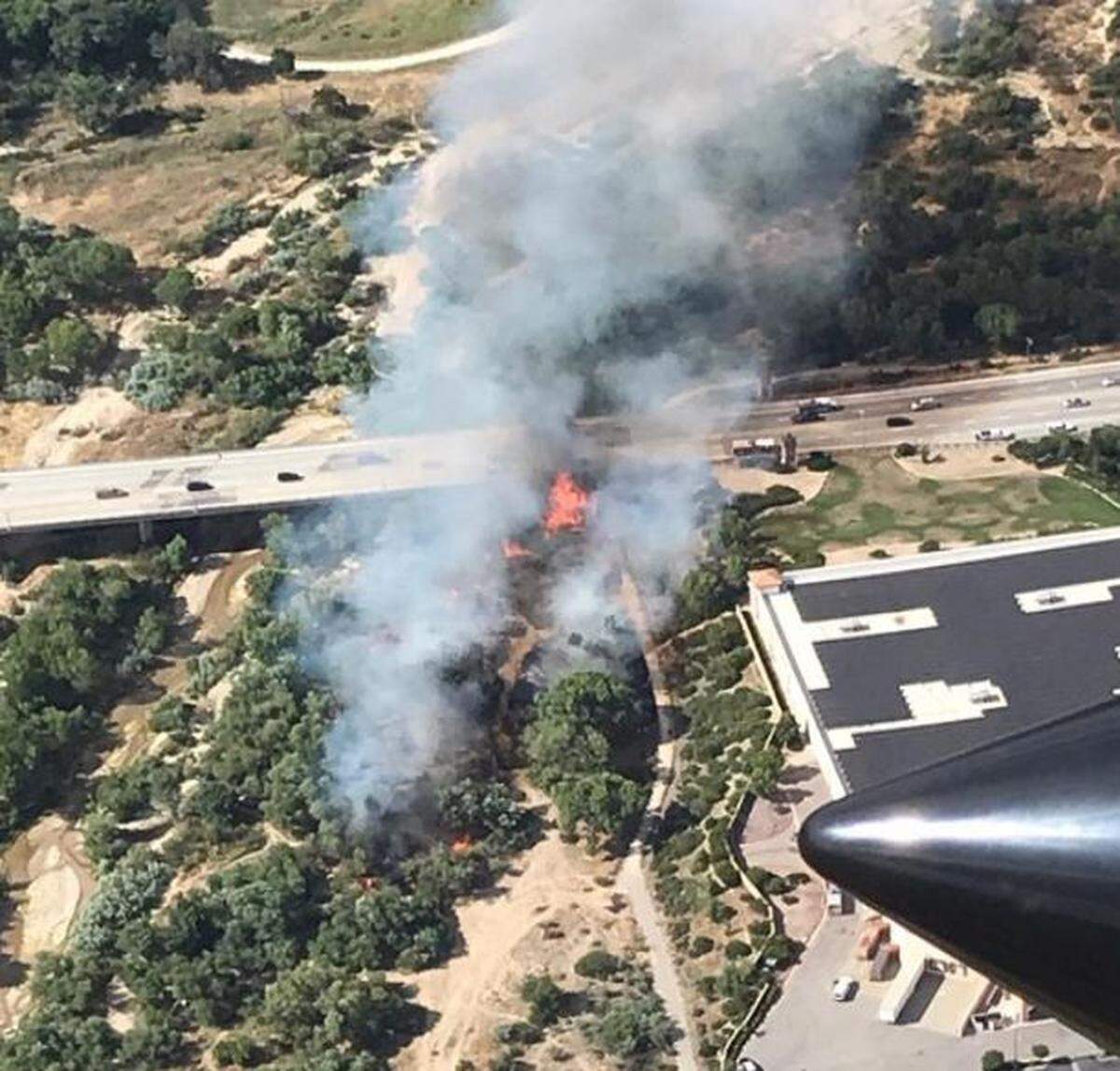
The riverbed can flood during heavy winter downpours, but during the summer it’s typically dry and sandy. Brush and other vegetation grow along the banks, which can easily catch fire and spread flames throughout the city — especially in hot and windy weather as occurred on Monday.
In 2019, the city declared a local emergency in the riverbed and spent more than $350,000 to clear brush, grass and downed trees and create fuel breaks along 85.6 acres.
As part of last year’s cleanup, leaders also created a police Community Action Team to interact with the homeless individuals living in the riverbed. The city is in the midst of using state funds to create a shelter, as the only two in the county are in Atascadero and San Luis Obispo.
The Water Board also acknowledged homeless encampments in the riverbed are an issue that need to be addressed.
“Homeless encampments were reportedly the source of the fires last year and the city is going to need to address this issue in a compassionate and comprehensive way in conjunction with their vegetation removal projects,” Keeling wrote.
Local leaders want to clean up the riverbed
After Monday’s River Fire — which sparked in the riverbed and burned 15 acres, mostly in residential areas — officials want the Regional Water Board to allow crews to use mechanized equipment to clear areas of the riverbed.
“Frankly, we dodged a major, major bullet on Monday,” Cunningham said. “That fire could’ve been much, much worse if not for, again, the heroic actions of our firefighters. But this riverbed situation demands immediate action now.”
Officials also want the Water Board to expedite the city’s application for a long-term maintenance plan and recognize the Public Safety director’s emergency declaration in the riverbed.
The agency threatened legal action if the city declared another emergency and conducted additional vegetation management in 2020, according to the letter.
“The powers that be didn’t like that,” Martin said at a Thursday press conference. “They were more concerned about the sand in the riverbed.”
Martin compared trimming the vegetation around the riverbed without mechanized tools to mowing the lawn with a pocket knife.
Stornetta said the Water Board prohibits vegetation management before the end of June due to bird-nesting season. They’re also hesitant to allow machines to be driven across the vehicles because they would disturb the soil.
The ultimate cleanup plan the city would like to undertake will cost $800,000 to $1 million, Stornetta said.
“We can’t continue to have these restrictions,” he said.
After the 2019 cleanup, the Water Board asked the city to “prepare and submit a long-term plan for our review and approval so a permit could be in place to implement fuel reduction work prior to subsequent fire seasons,” Keeling said.
The Water Board anticipated getting the plan earlier this year, but have not yet received it, Keeling said.
“The permitted plan would have allowed them to implement more comprehensive and ongoing actions starting this spring instead of having to respond to future emergencies like the most recent fire this Monday,” he wrote.
“We anticipate another emergency plan from the city in the next day or so and will very likely allow them to do this work again without a permit with the hope that they submit a long-term plan to us for our approval so we are not in this same situation next spring and summer, like we are again now.”
This story was originally published June 25, 2020 at 4:51 PM.