There’s a new COVID variant. Here’s what we know about Omicron
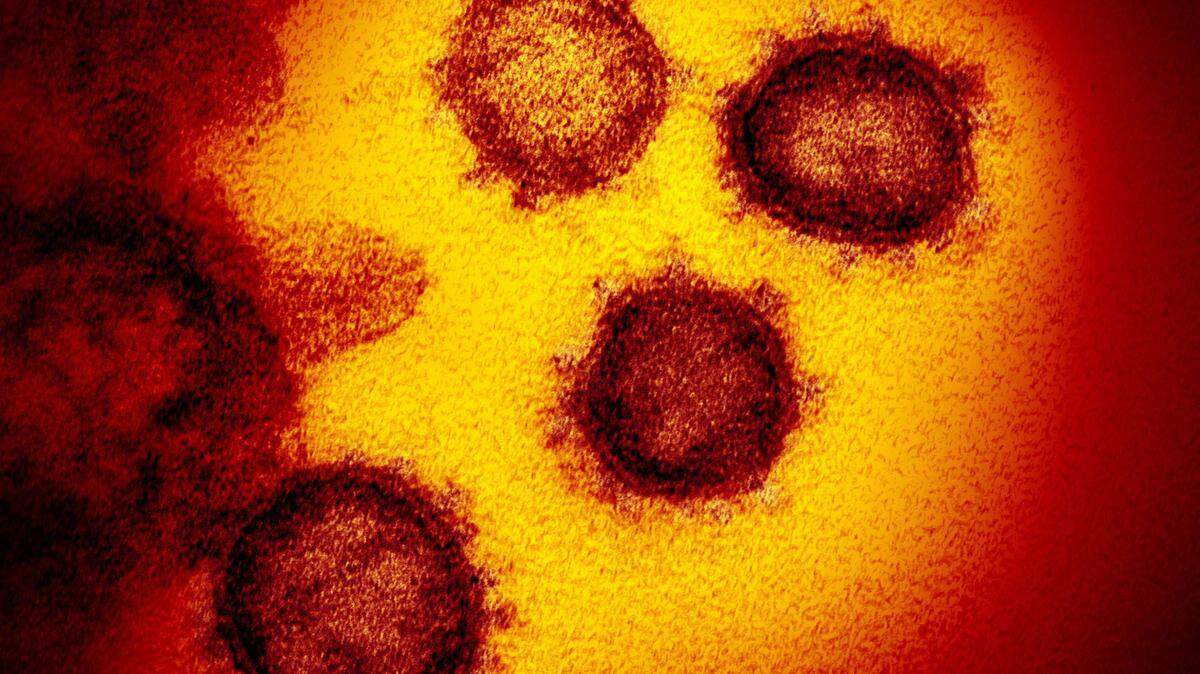
Californians were grappling with an increase in coronavirus cases and bracing for a wintertime surge when the World Health Organization announced that scientists in South Africa discovered a new variant of COVID-19.
The discovery of the new variant, called Omicron, created a ripple effect worldwide — leading to travel restrictions and causing stock markets to reel.
Although coronavirus cases involving the new omicron variant haven’t been reported in California or the United States yet, health officials warn the variant will eventually reaches the Central Coast.
Scientists are still investigating omicron, but early evidence points to the variant being more transmissible and possibly having a higher risk of reinfection, according to a statement by the World Health Organization (WHO).
Since the omicron variant was discovered in South Africa on Nov. 9, the number of COVID-19 cases tied to the variant has been increasing across the country, according to the WHO.
So far, however, scientists do not know if Omicron leads to more severe COVID-19 illness or if it may impact prevention and treatment options, according to a statement by the California Department of Public Health (CDPH).
“Although there are no known cases of omicron in SLO County or in the state, our local Public Health Laboratory does have capacity to detect this variant,” Michelle Shoresman, spokeswoman for the San Luis Obispo County Public Health Department, wrote in an email.
The latest county public health data shows the COVID-19 variant most dominant in San Luis Obispo County is the Delta variant. That variant is associated with a roughly 200% increase in transmission, according to the CDPH.
What is the best way to protect myself against coronavirus?
The California Department of Public Health outlined four ways people can protect themselves from a COVID-19 infection: Get vaccinated, wear a face mask, get tested when symptoms present and stay home when sick.
In the wake of the discovery of the new variant, the Centers for Disease Control and Prevention (CDC) expanded its guidance for booster shots.
Now, the CDC recommends anyone over the age of 18 get a booster shot if they are six months out from a Moderna or Pfizer-BioNTech vaccination series, or two months out from their Johnson & Johnson vaccine.
Previously, the CDC recommended booster priority be given to high-risk groups.
“I strongly encourage the 47 million adults who are not yet vaccinated to get vaccinated as soon as possible and to vaccinate the children and teens in their families as well because strong immunity will likely prevent serious illness,” Dr. Rochelle Walensky, CDC director, said in a statement. “I also want to encourage people to get a COVID-19 test if they are sick. Increased testing will help us identify omicron quickly.”
What is a COVID-19 variant?
Viruses mutate and new variants of the Sars-CoV-2 virus, which cases COVID-19, are expected, according to the CDC.
As of November, the WHO had designated five variants as “variants of concern”: Alpha, Beta, Gamma, Delta and now, Omicron.
The WHO considers a variant to be one of concern if the variant is more transmissible, more virulent or otherwise will lead to a detrimental changes to the disease’s epidemiology or clinical presentation.
Another reason a variant may be classified as a variant of concern is if existing public health and social measures, as well as available diagnostics, vaccines or therapeutics are less effective against it, according to the WHO.
There are still a lot of unknowns regarding the epidemiology and clinical impacts of the Omicron variant — questions scientists are actively investigating, according to the CDPH.
Scientists are also researching whether existing vaccines are effective against this variant, Walensky said.
Health officials urge Californians to get vaccinated
The Omicron variant is emerging when roughly 67.5% of California’s population is fully vaccinated, although only 28.9% of Californians have received booster shots, according to data from the CDPH.
Vaccine distribution in San Luis Obispo County reflects that of the state of California.
County health data show 62.3% of San Luis Obispo County residents are fully vaccinated against the coronavirus as of Nov. 15.
In an interview with health news publication Stat, Ali Ellebedy, an immunologist at Washington University School of Medicine in St. Louis, said that the people most vulnerable to the new variant are those who have not received the vaccine or who did not have a strong immune response to the vaccine.
The CDC said the best way to prevent the spread of new variants is to take measures to prevent the spread of COVID-19, such as wearing masks indoors and getting vaccinated against the virus.
Where to get a COVID-19 test and schedule a vaccine appointment
Free coronavirus testing is available at clinics in San Luis Obispo, Grover Beach, Paso Robles and Morro Bay. To make an appointment, visit emergencySLO.org/testing or call 888-634-1123 to register by phone.
To make an appointment for a COVID-19 vaccine or booster, visit MyTurn.ca.gov or call 833-422-4255. The county Public Health Department is also administering vaccines and boosters on a walk-in basis at clinics in San Luis Obispo, Paso Robles and Grover Beach. To find shots at pharmacies near you, visit Vaccines.gov.
The clinics are open Monday and Wednesday, Thursday, Friday from 8 a.m. to 5 p.m. (closed noon to 1 p.m. for lunch), and Saturdays for vaccines only from 8:30 a.m. to 4 p.m.
The San Luis Obispo clinic is located at 2191 Johnson Ave., the Grover Beach clinic is located at 286 South 16th St. and the Paso Robles clinic is located at 800 Pine St.
For more information, visit RecoverSLO.org/en/when-and-where-can-you-get-vaccinated.aspx.
This story was originally published November 30, 2021 at 11:27 AM.