California school one of smallest in US to experience gun violence. How did shooter get in?
READ MORE
Butte County school shooting
Our reporters are on the ground in Oroville and Sacramento covering the aftermath of the shooting at Feather River Adventist, a school in rural Butte County. Read the latest coverage here.
Expand All
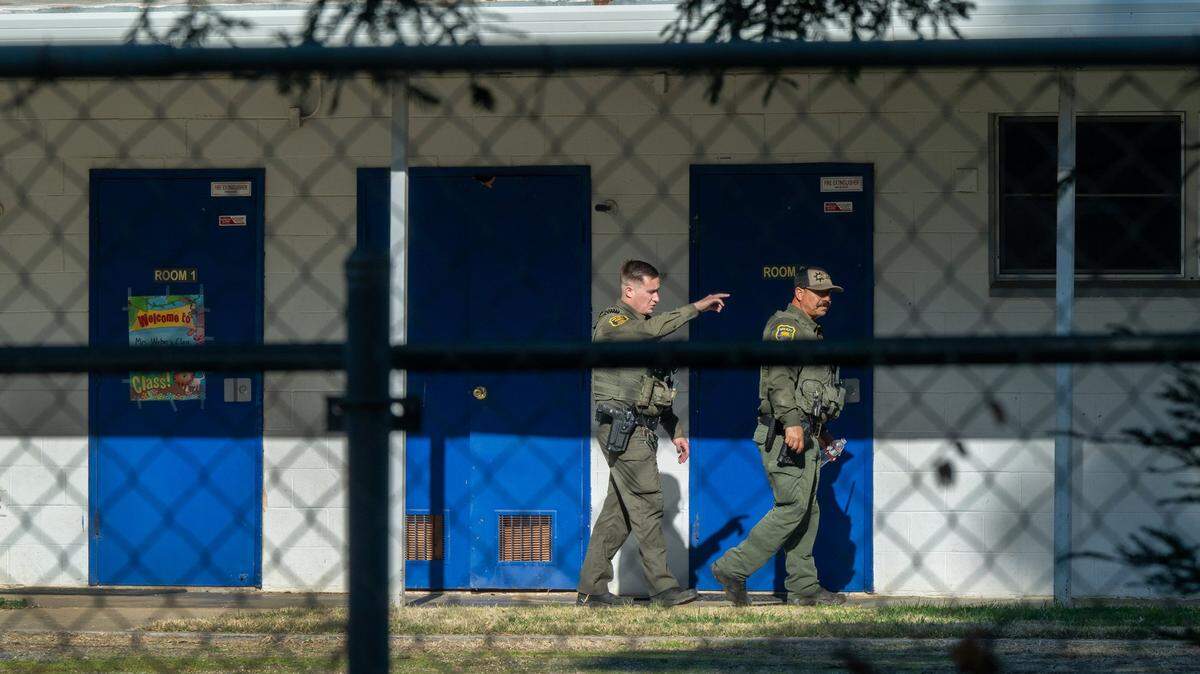
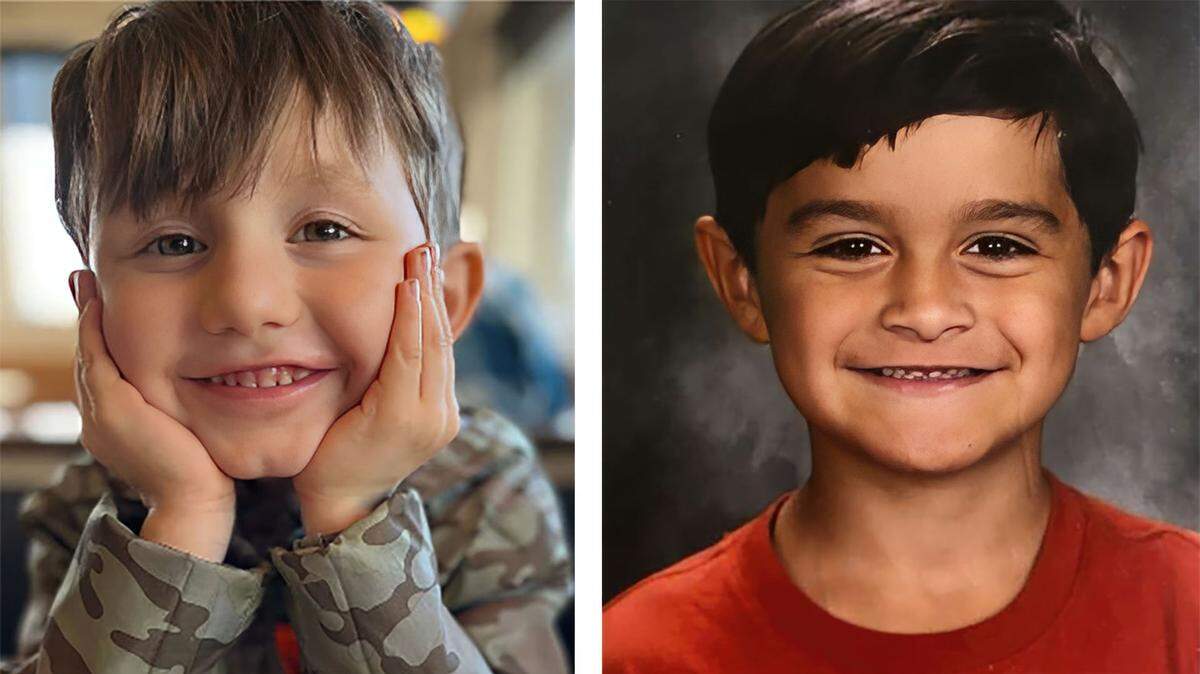
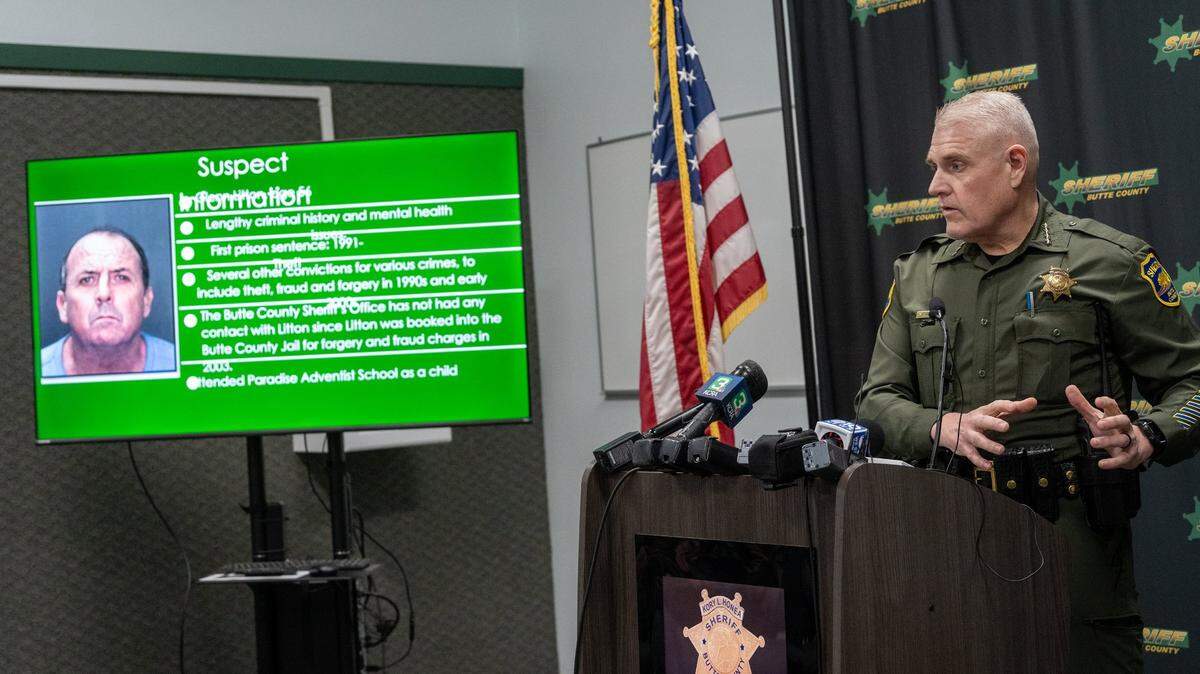
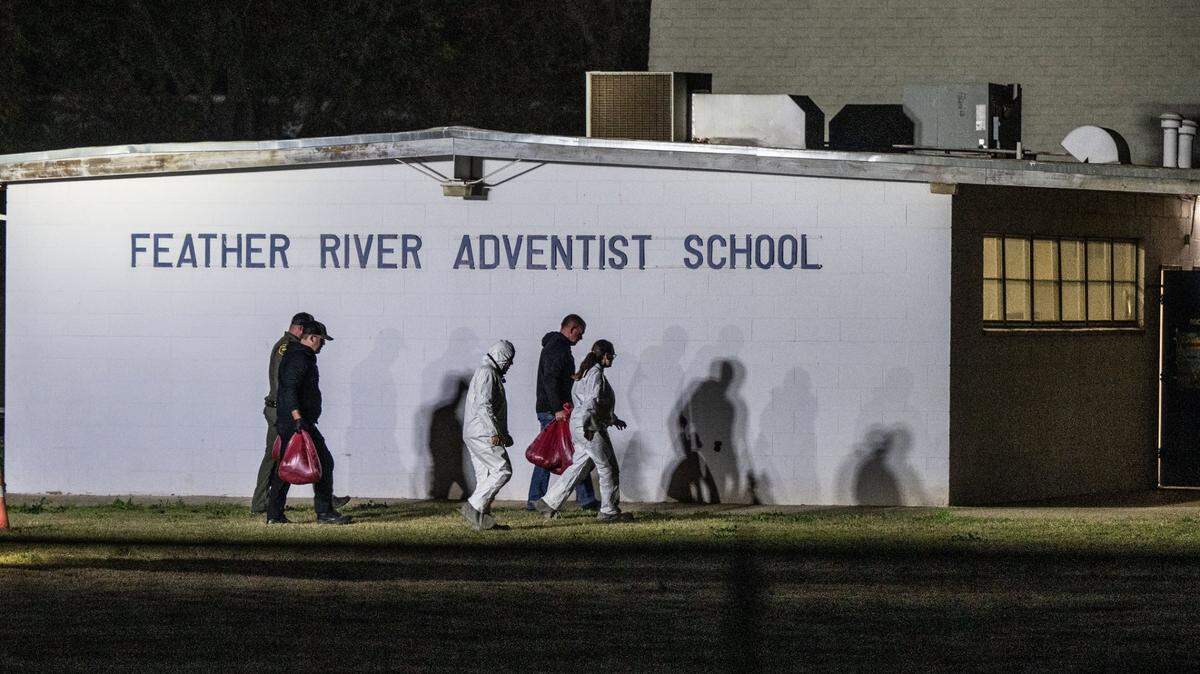
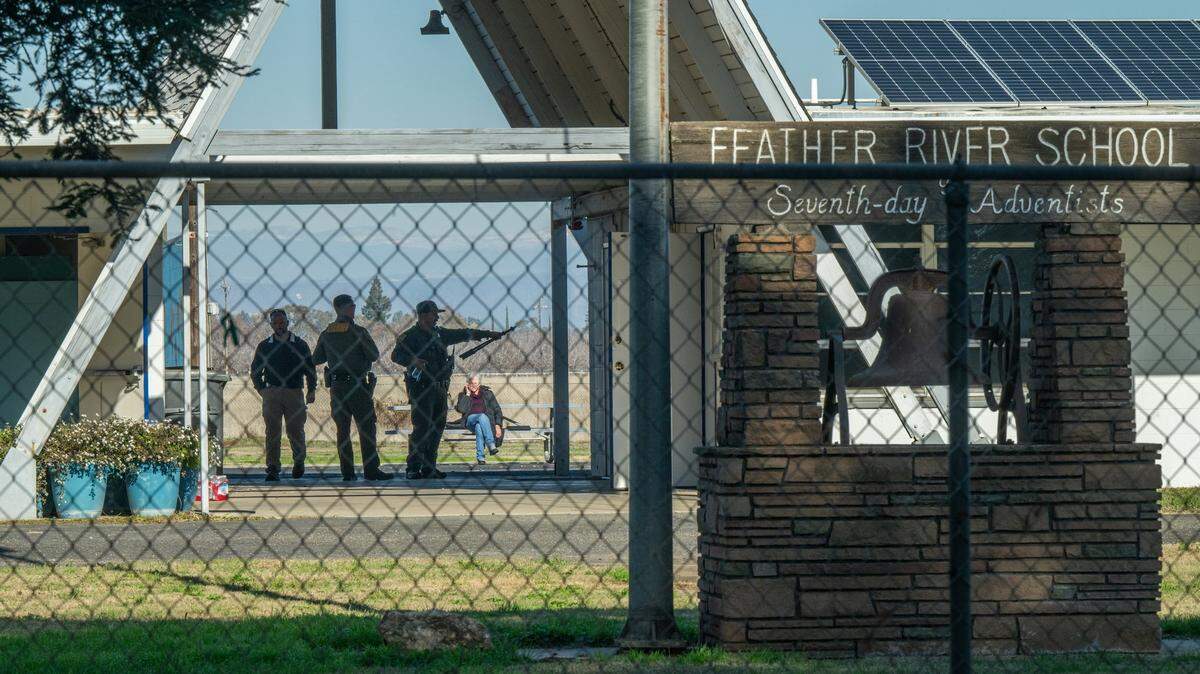
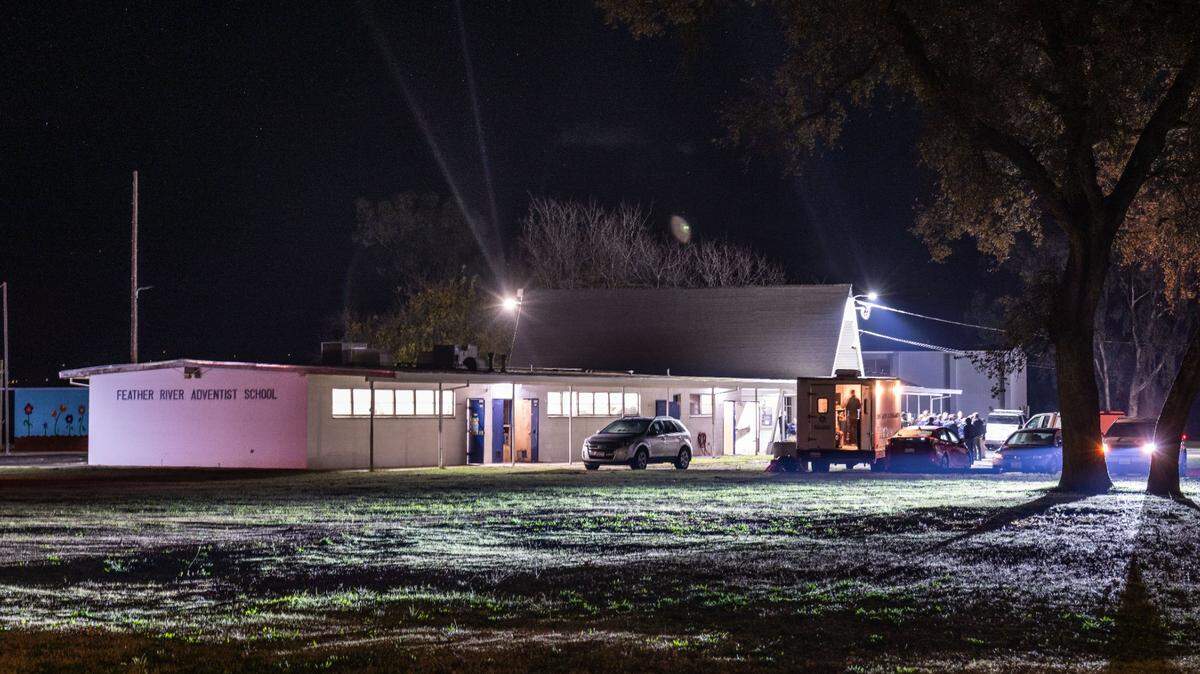
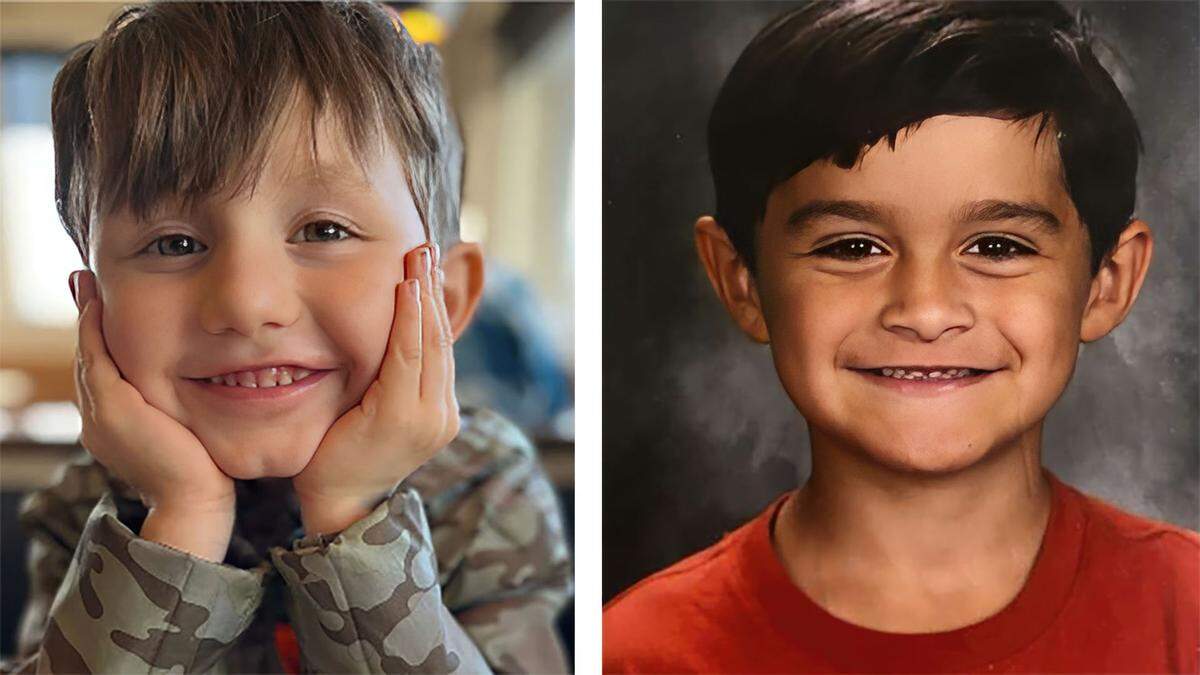
Feather River Adventist School in Oroville remained closed Thursday following a shooting that left two kindergartners, Roman Mendez and Elias Wolford, suffering from critical wounds. Butte County Sheriff Kory Honea noted during a news conference that the two boys will have “a long road ahead of them” in terms of recovery, and that the boys will likely need to undergo a number of surgeries.
Mendez and Wolford were two of only 37 students in the faith-based K-8 school, associated with the Oroville Seventh-Day Adventist Church.
This school shooting appears to be an anomaly — the small, rural school could not be more different than the large, urban, public schools that have been shown to be much more likely to be affected by gun violence.
Research has shown that private schools experience gun violence at a lower rate relative to public schools. Of 417 schools affected by gun violence recorded by the Washington Post in the past 25 years, 22 were private schools, or about 5%. It is estimated that 10% of American students attend private institutions, the majority of which are religious.
However, half of the instances of gun violence at private schools dating back to 1999 took place in the past five years.
Feather River Adventist is the third smallest school nationwide to experience gun violence since 1999, according to data gathered by the Washington Post. The two smallest schools were also faith-based private institutions, including the West Nickel Mines School shooting at an Amish one-room schoolhouse in Pennsylvania during which 10 girls were shot and six died.
How the shooter accessed the school
Targeted school shootings often bring about the question of what improved security protocol in schools looks like. Would having a surveillance system prevent or deter violence? Metal detectors? School resource officers?
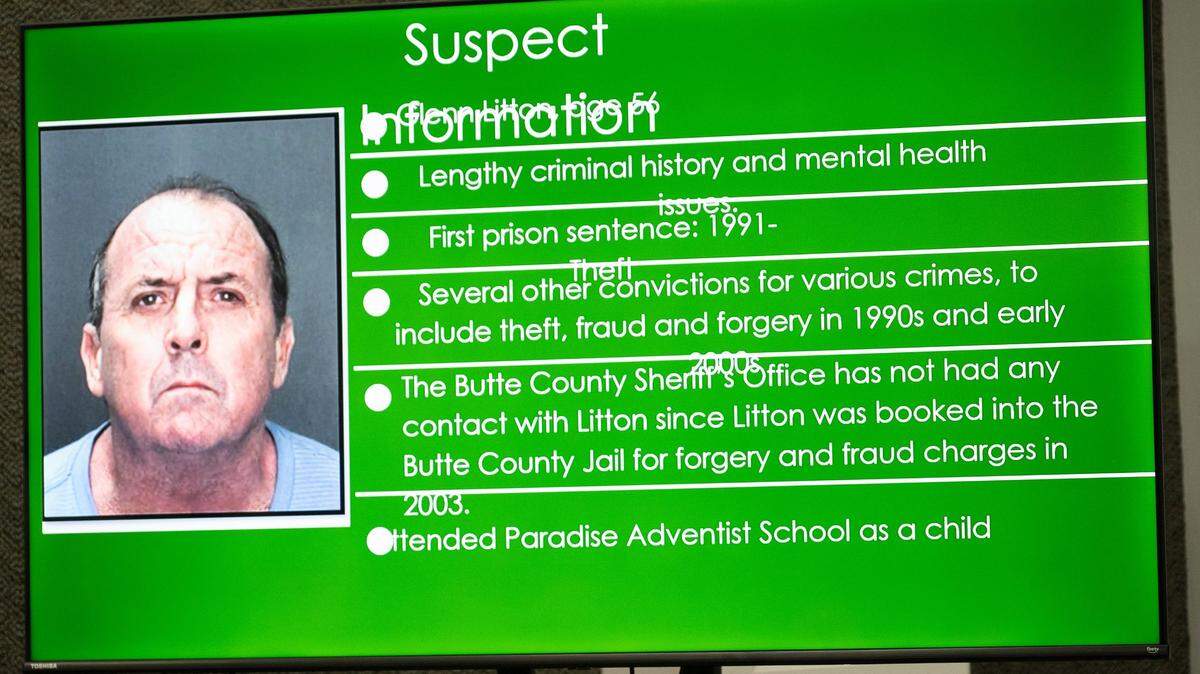
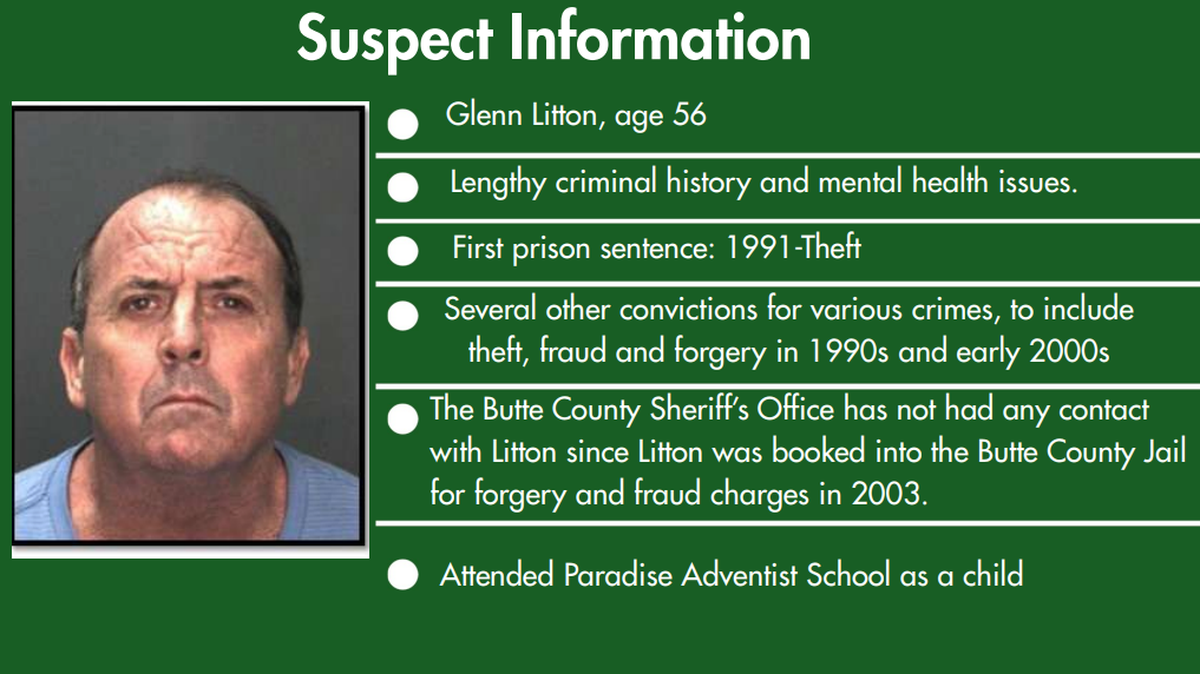
The Feather River Adventist shooter, identified as 56-year-old Glenn Litton, obtained access to the school not through violence, but by posing as a grandfather interested in enrolling his fictitious grandson in the school, according to Honea.
Sandy Becker, a former teacher at Feather River Adventist, said that these types of visits with prospective families were typical.
“It’s not unusual for people to come to school to ask about enrolling — most of them came after school, but a lot of people would come and we would take them around and introduce them to whoever might still be there.”
Litton opened fire on students after leaving the meeting with the principal. He then fatally shot himself.
Honea responded to a question about whether making Litton present an ID would have helped prevent the shooting.
“I think it’s important for school administrators to certainly know who they are talking to, but I also want … I want security procedures to be meaningful, and if the intent is to engage in an active shooter scenario, the presentation of an ID, fictitious or otherwise, isn’t necessarily going to prevent that,” he said.
Amanda Klinger, the director of operations for the Educator’s School Safety Network, is a nationally recognized school safety and crisis management expert who advises schools on how to adopt effective, but focused security solutions. They echoed Honea’s sentiment that a determined attacker would have likely bypassed something like an ID or background check.
“I would be hesitant to say the school should have done this, this or this,” Klinger said.”If someone wants to perpetrate violence in a school badly enough, they’ll do it. They’ll crash their car into the school, they’ll shoot their way in.”
After violent events like the shooting at Feather River Adventist, Klinger recommends school administrators take a balanced approach toward implementing safety measures so that communities can maintain a welcoming school culture and while improving security. This is often especially important to small, private, parochial schools like Feather River Adventist, they said.
“We try to be really cognizant and thoughtful around what it looks like to be better prepared for all risks and hazards without falling into a trap of making the school feel like a prison,” they said.
School resource officers are often floated as a potential solution to school violence following a shooting. Assemblymember Bill Essayli, R-Corona, reintroduced legislation Thursday that would require an armed officer on every school campus in California in response to the news out of Oroville.
“Yesterday, two innocent children were shot in cold blood at school,” Essayli said in a statement. “This is not a time for empty rhetoric, it is a time for action. Accordingly, today I introduced AB 68 to mandate every school in California have an Armed School Resource Officer on campus during school hours. As elected officials we have a sacred duty to protect our most vulnerable citizens from harm, this includes our children at school.”
The proposed law would only apply to public schools, not private institutions such as Feather River Adventist. Earlier this year, the Assembly Education Committee voted down similar legislation.
Feather River Adventist, like many small schools, did not have any security guards or school resource officers on campus, but studies show that the presence of armed guards does not reduce fatalities during school shootings. An armed guard or police officer stopped a school shooting in only a few documented cases.
Klinger said that even though the efficacy of school resource officers in preventing gun violence is inconclusive, people shouldn’t pitch any one thing, including the hiring of armed guards, as a “magical solution.” They encourage parents and families advocate for security measures that have a positive influence on school safety and don’t bring unintended consequences.
“My hope is that in the wake of that tragedy, that they don’t over-correct into security measures and heavy surveillance, security, authoritarian things, because those things have a negative impact on school culture and academic achievement,” Klinger said. “My hope is that (Feather River Adventist), and all the other schools nationwide who have faced violence, can find a healing path forward that is thoughtful and nuanced and not reactionary or over-reactionary.”
Other gun safety experts have advocated for improved physical security measures that keep shooters off of campus and secondary measures, such as internal door locks, which enable teachers to secure doors from the inside of the classroom.
School districts have been boosting security in response to on campus violence or threats in recent years. All eight school facilities bonds on the ballot in Sacramento County in 2024 listed improving safety and security systems as one of the key uses of prospective bond funding, and 38% of parents of school-aged children in the US said that they fear for their children’s safety at school in 2023.
This story was originally published December 6, 2024 at 5:00 AM with the headline "California school one of smallest in US to experience gun violence. How did shooter get in?."