
Risks of dangerous bacteria increase during COVID. What California agencies are doing about it
READ MORE
The threat of Legionella | The State Worker
California state workers returning to offices after working remotely during the COVID-19 pandemic could face heightened risks of contracting another dangerous respiratory infection: Legionnaires’ disease.
Expand All
Few California state agencies regularly test their buildings for legionella, but several reported that they carry out routine maintenance aimed at preventing bacteria from collecting in water pipes.
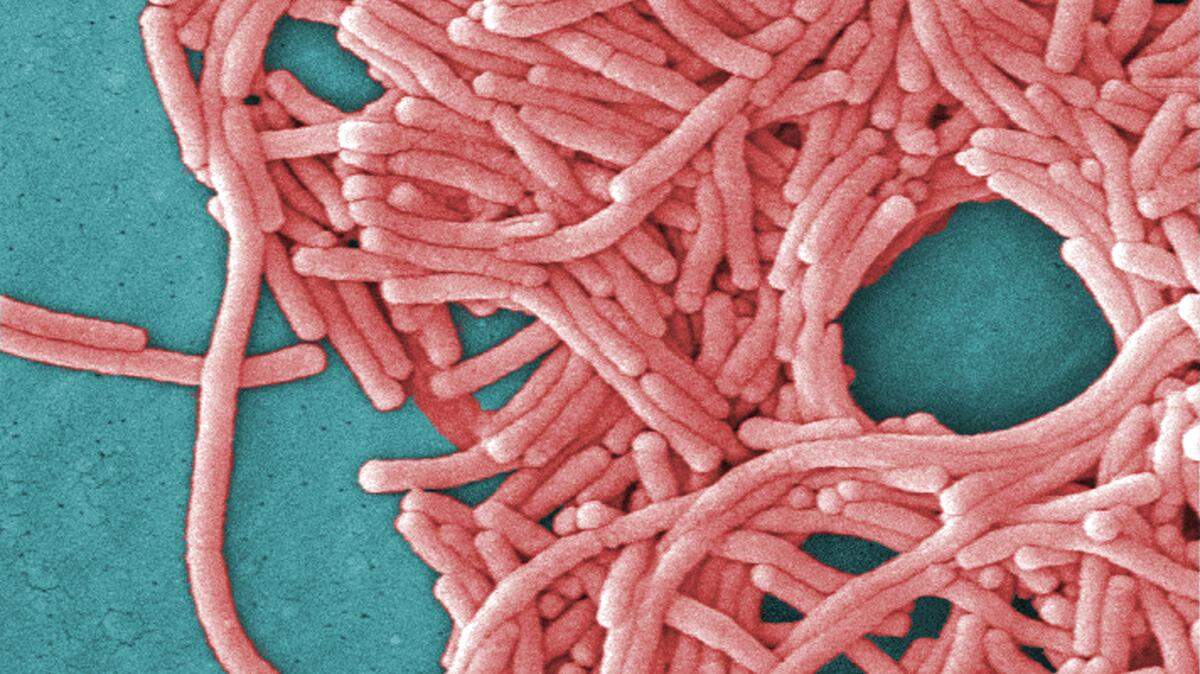
Legionella, a bacteria that can cause a severe form of pneumonia known as Legionnaires’ disease, can grow in water that is between 77 and 113 degrees, according to the Centers for Disease Control and Prevention.
Illnesses result from inhaling the bacteria in water droplets. Warm-water fixtures such as showers and faucets carry more risk than toilets, drinking fountains and other cold-water fixtures.
The bacteria has been found at the California Public Employees’ Retirement System, California State Teachers’ Retirement System and a state prison outside Stockton called California Health Care Facility.
Each of those agencies has taken steps to try to minimize the bacteria in pipes and to keep it from reaching people, including installing filters on drinking fountains and showers and, at the prison, providing bottled water to inmates.
CalPERS expanded its water plan after hiring a certified industrial hygienist to manage its response.
CalPERS tests potable water each quarter, taking two water samples at each tap, and records water temperatures and residual chlorine levels, CalPERS spokesman Wayne Davis said in an email.
The pension system performs regular weekly flushes along with monthly 140-degree flushes, he said. The system has begun storing its water at 140 degrees, has added point-of-use filters at certain sinks and showers and has increased chemical treatments and testing at cooling towers, he said.
CalSTRS also stores hot water at 140 degrees, performs regular flushes of its water system and regularly disinfects ice machines. After the system identified small amounts of legionella in ice machines in June, it increased the duration of flushes and changed filters to keep water chlorinated all the way to the consumer, spokesman Thomas Lawrence said in an email.
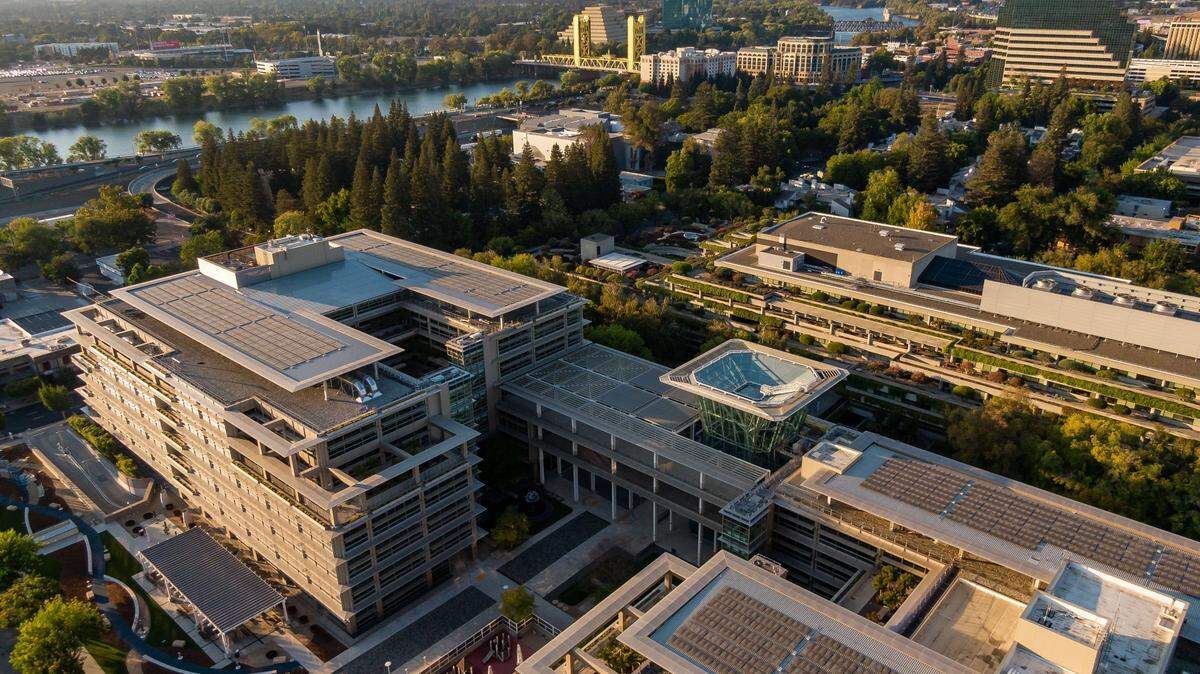
The Department of General Services manages most state government buildings in Sacramento. It is drafting plans to bring employees back to offices after the coronavirus pandemic sent most state workers home to telecommute over the past 18 months. So far, the department’s reopening plans do not specifically address legionella.
Several other departments that manage their own buildings outlined their water management protocols:
The Department of Motor Vehicles installed “additional equipment which distributes the appropriate chemicals for the prevention of bacteria buildup,” spokeswoman Anita Gore said in an email.
The department doesn’t test for legionella, and stores its water at 108 degrees, Gore said in the email. The department has decommissioned water features, she said.
The California Environmental Protection Agency doesn’t test its drinking water for the bacteria, but it measures residual chlorine levels. When sufficient chlorine is present, the bacteria can’t survive.
The California State Lottery tests the water used for heating and cooling its Sacramento headquarters building monthly. That water is legionella-free, spokesman Jorge DeLaCruz said in an email. The department stores potable water between 130 and 140 degrees and monitors residual chlorine levels in the water, DeLaCruz said.
The City of Sacramento has warned all building owners about heightened bacteria risks following prolonged closures, Utilities Department spokesman Carlos Eliason said.
Eliason said building owners should consult a reopening guide published online by the CDC, and added they can call the city’s water lab with questions at 916-808-3737.
This story was originally published September 22, 2021 at 5:00 AM with the headline "Risks of dangerous bacteria increase during COVID. What California agencies are doing about it."