
In California state offices emptied by COVID-19, dormant pipes could pose new disease risks
READ MORE
The threat of Legionella | The State Worker
California state workers returning to offices after working remotely during the COVID-19 pandemic could face heightened risks of contracting another dangerous respiratory infection: Legionnaires’ disease.
Expand All
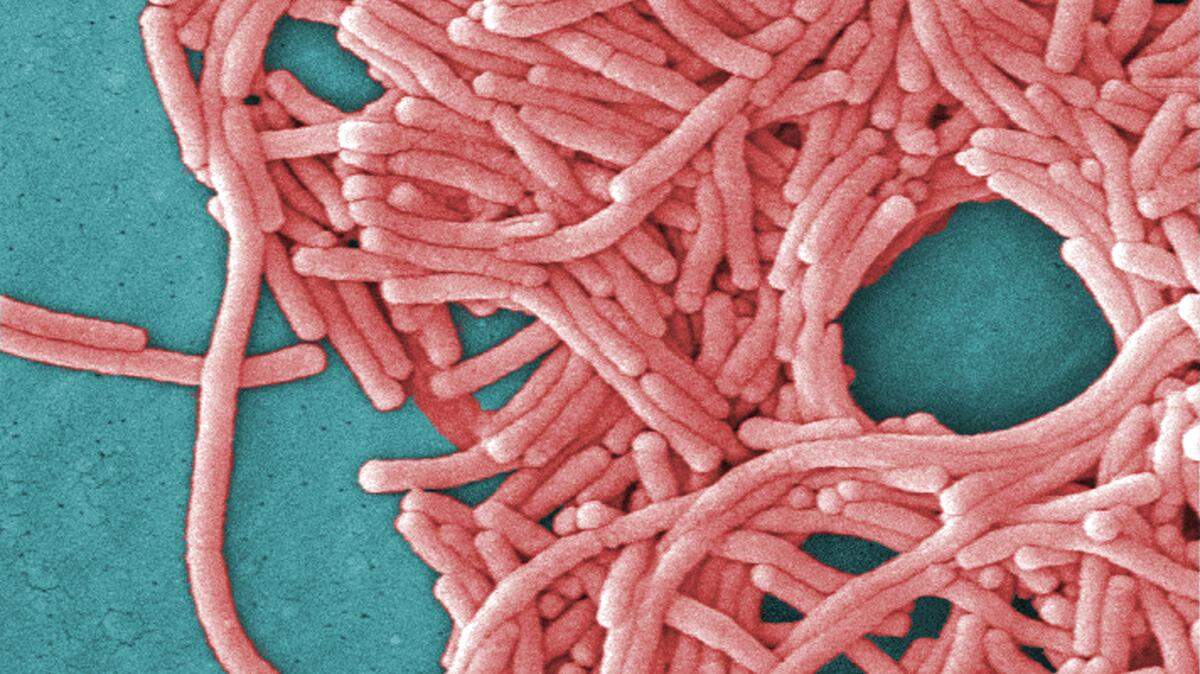

California state workers returning to offices after working remotely during the COVID-19 pandemic could face heightened risks of contracting another dangerous respiratory infection: Legionnaires’ disease.
Public health authorities warn that the disease — a severe form of pneumonia that comes from inhaling bacteria in water vapor — is on the rise in the U.S., and they say office reopenings could be to blame.
The heightened risk is another consequence of a COVID-19 pandemic that has disrupted work for state employees since early 2020. Buildings that were emptied out as workers shifted to telework sat vacant or partially vacant for months, potentially giving the bacteria new opportunities to take up residence in less-used water pipes, according to experts and studies.
Most California state government office workers shifted to remote work after March last year. Since November, most state offices have been about 25% occupied under orders from Gov. Gavin Newsom. State workers at several departments have been told they will need to start returning to offices in the next few weeks that have been partially occupied for nine months or more.
Caitlin Proctor, an assistant professor of environmental and ecological engineering at Purdue University, published a paper in American Water Works Association last June warning about the risks of reopening buildings after weeks or months of dormancy.
“I’m going to be more concerned about contracting delta than anything else,” Proctor said. “Maybe legionella second.”
Recent developments have provided more cause for concern. Legionella-related illnesses are spiking in some states, with dozens of abnormal cases recently reported in New York, Michigan, North Carolina and elsewhere, according to state and federal data.
Here, the Department of General Services, which manages most California state offices, doesn’t have a plan yet to address the bacteria risks upon reopening. It isn’t testing buildings’ water for it, either, department spokeswoman Jennifer Iida said in an email.
The delta variant and delays in launching a state testing program have delayed some reopenings, but several state departments are planning to require all employees to start appearing in offices at least once or twice a week over the next six weeks. The Department of Health Care Services and the State Treasurer’s Office anticipate requiring in-office appearances in the beginning of October, and the Franchise Tax Board anticipates a Nov. 1 return date.
The Centers for Disease Control and Prevention and the City of Sacramento have warned that building owners should take steps to minimize risks.
While the connections between water test results and risks of getting sick are not understood to a precise degree even to experts, CDC guidelines say there is “no known safe level of legionella in building water systems.”
‘If you test, you’ll find it’
While rare, Legionnaires’ disease infections can present serious health risks, including death, to people who are over 50, who smoke or who have compromised immune systems. About 10% of those infected die from the disease, according to the federal Centers for Disease Control and Prevention.
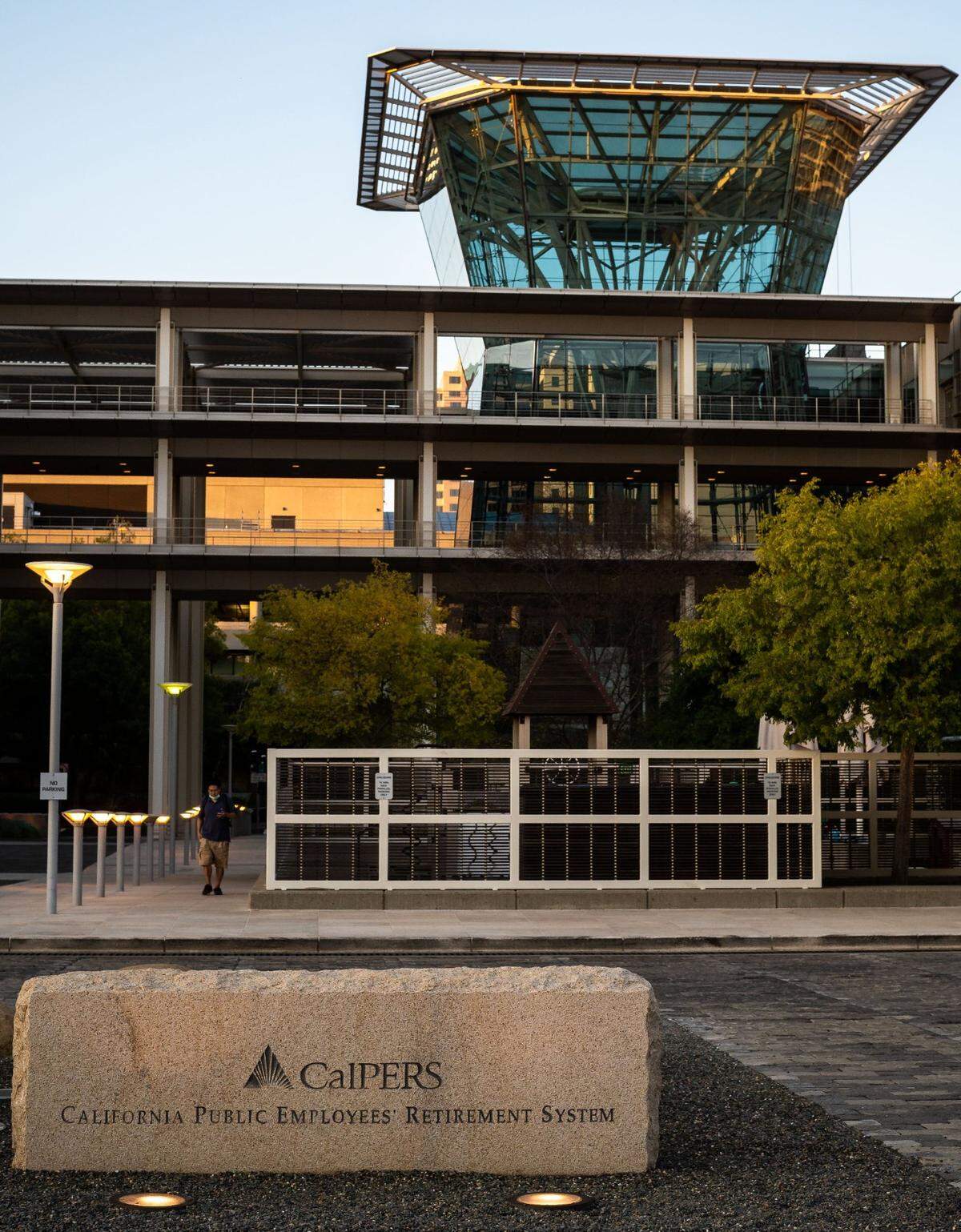
One California state agency found the bacteria in its water before the coronavirus arrived. The California Public Employees’ Retirement System found early this year that legionella had been in the water at its Q Street headquarters since 2019.
A CalPERS contractor happened to test for the bacteria as part of an environmental certification process, and found it at significant levels in water fixtures throughout the pension system’s two headquarters buildings. Most state departments don’t test their drinking water for the bacteria.
“The thing is, if you test, you’ll find it,” Purdue’s Proctor said. “Whether or not someone actually gets sick from that is a whole extra step, and uncertain at this point.”

No one reported getting sick at CalPERS, even those who used a gym with a shower head that tested positive for legionella at 148 times the concentration considered safe.
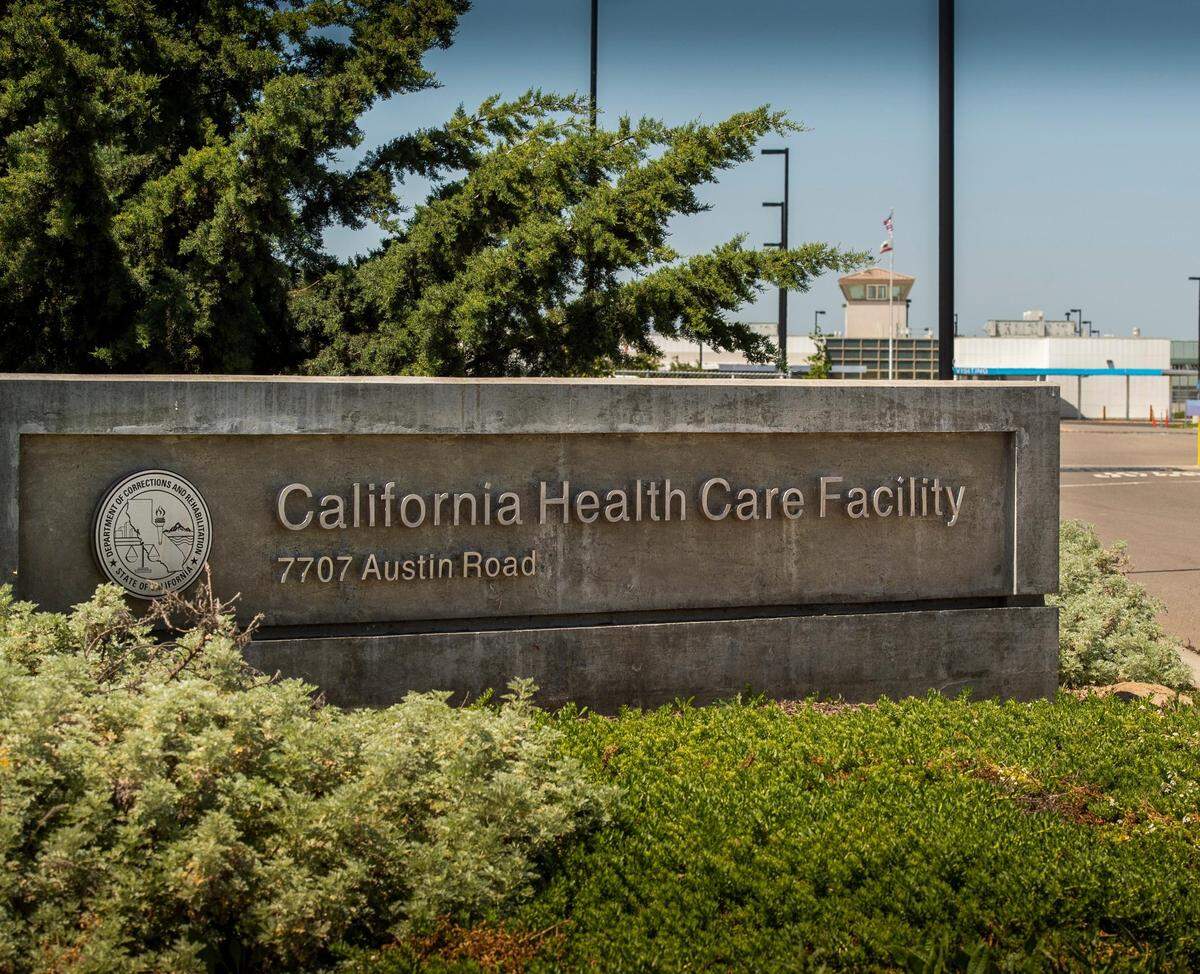
The Department of Corrections and Rehabilitation discovered legionella in the water at California Health Care Facility in Stockton after an inmate who died in March 2019 tested positive for the bacteria.
Neither CalPERS nor the prison has managed to eliminate the bacteria from their water systems.
Legionella testing is not required in California, and testing is rare outside hospitals and nursing homes. Proctor said even with the potential for increased risks, testing might not be advised.
“The big question is if you test, and you get a positive, what are you going to do with that? If building owners want to test, they have to have a plan for what does that mean,” she said.
Legionella can grow in water that is between 77 and 113 degrees, according to the CDC. Illnesses result from inhaling the bacteria in water droplets one-tenth the width of a human hair. Warm-water fixtures such as showers and faucets carry more risk than toilets, drinking fountains and other cold-water fixtures.
Concerns already existed
Pennsylvania-based legionella specialist Tim Keane has consulted on some of the most deadly Legionnaires’ disease outbreaks in the U.S. He said 25% occupancy carries significant risks.
Even at standard occupancy levels, he said, too little water flows through most U.S. water pipes to scour them clean.
At CalPERS, building maintenance contractor Colliers International found legionella while testing water as part of a common environmental certification process known as LEED two years ago. Water quality testing is not mandatory for the certification, but Colliers included it.
Other state buildings in Sacramento are LEED-certified, but few test their drinking water for the bacteria, according to emails and responses to information requests from The Sacramento Bee.
The California State Teachers’ Retirement System, an exception, tests twice a year for the bacteria.
The system found small amounts of legionella bacteria in two ice dispensers in its most recent samples, according to June 8 test results provided to The Bee in response to a Public Records Act request. Earlier samples, going back to Sept. 2019, were bacteria-free.
After identifying bacteria in the ice dispensers, the system increased the duration of its ice dispenser flushes, introduced a new disinfectant and swapped out filters that removed chlorine for filters that allow the chlorine through, extending its protection “all the way to the user,” spokesman Thomas Lawrence said in an email.”
The system retested the dispensers twice more, and samples taken July 21 came back clear, according to the results.
The results the system provided didn’t include the building’s showers or drinking fountains. Lawrence said those fixtures would be tested starting in November.
The California Environmental Protection Agency tests its cooling towers but not its drinking water. The agency found no legionella in this year’s results, spokeswoman Erin Curtis said in an email.
Carlos Eliason, a spokesman for Sacramento’s Utilities Department, said its water experts grew concerned about legionella related to building shutdowns last year and warned building owners they should consult the CDC’s guidance for reopening.
For the state, the Department of General Services manages many of the large office buildings in Sacramento, including offices for the Franchise Tax Board, the Attorney General’s Office and the departments of Education, Health Care Services, and Rehabilitation. Some departments manage their own buildings.
Iida, the Department of General Services spokeswoman, said the agency is still finalizing reopening details.
“The state’s efforts to ensure a safe working environment for employees returning to the workplace are a matter of ongoing policy planning and negotiation with employee representatives,” Iida said in an email. “We will have more to say about this when the details are finalized.”
Bacteria at CalPERS, prison
The most common prevention methods involve storing and circulating water at 140 degrees where possible and maintaining steady levels of a disinfectant, such as chlorine, in the water.
CalPERS expanded its water plan after hiring a certified industrial hygienist — Rocklin-based ENTEK Consulting Group — to manage its response.
“We’re taking proactive, aggressive steps, and we’ll be ready whenever employees return to campus,” spokesman Wayne Davis said in an email.
The bacteria persists at significant levels in several drinking fountains, restroom sinks, soda machines and a day care spray feature, according to July test results CalPERS provided.
CalPERS tests potable water each quarter, taking two water samples at each tap, and records water temperatures and residual chlorine levels, Davis said. The system has shut down drinking fountains and, after a recent test found high levels of bacteria at a day care water feature, shut down the feature, Davis said.
The pension system performs regular weekly flushes along with monthly 140-degree flushes, Davis said. The system has begun storing its water at 140 degrees, has added point-of-use filters at certain sinks and showers and has increased chemical treatments and testing at cooling towers, he said.
The Department of Corrections and Rehabilitation discovered legionella in water throughout the California Health Care Facility after inmate John Cook died of pneumonia in March 2019. One other inmate with pneumonia tested positive for the bacteria. The prison houses some of the state’s most severely ill inmates.
A multimillion dollar effort to eradicate the bacteria failed, and the prison now monitors bacteria levels and puts restrictions in place when test results show an increase, spokeswoman Vicky Waters said in an email.
The prison has installed filters on drinking fountains, ice machines and showers, and it provides bottled water to inmates, Waters said in the email.
The prison spends about $4.3 million per year managing the bacteria, according to a budget document.
Cases on the rise
In addition to Legionnaires’ disease, the bacteria can cause the less-severe, flu-like Pontiac Fever. Abnormal clusters of legionella-related illnesses have recently popped up in New York, Michigan, North Carolina and elsewhere.
In the first two weeks of July, the Michigan Health Department reported 107 cases of Legionnaires’ disease in 25 counties, a 569% increase from the same time a year earlier. Rhode Island’s Health Department reported 30 cases in June and July, three times the average for those months.
Isolated outbreaks were reported last month in Central Harlem in New York City, where at least 12 people got sick with Legionnaires’, and at Duke University, where 80 people were being treated for exposure to the bacteria after attending an adult basketball camp.

Authorities don’t know yet how many of the cases came from newly reopened buildings, but health department officials in Michigan and Rhode Island cited reopenings as potential factors.
“That’s the assumption, that it’s in the buildings,” said Keane.
Cases have also increased in Illinois and in Canada, said Andrew Ward, senior technical advisor at NSF International, an organization formerly known as the National Sanitation Foundation that works on public health standards and certification programs.
“These are not going to be the only states that report an increase in Legionnaires’ disease,” Ward said.
He cited studies showing the disease has been on the rise for 15 to 20 years, and said risks are higher in newly reopened buildings and in buildings without water management plans.
As of Sept. 11, California had reported 176 cases of legionella-related sickness for the year, up from 136 at the same time last year, according to data reported to the CDC. The Sacramento County Health Department received reports of 29 cases over 2019 and 2020, according to spokeswoman Samantha Mott.
In a slight twist, drought conditions reduce legionella risks, since the bacteria can’t grow as well in dry soil, said Dr. Xiang-Yang Han, a professor in the Department of Laboratory Medicine at the University of Texas’ MD Anderson Cancer Center.
Still, Dr. Han said, the risks from reopened buildings should be taken seriously by people who are most susceptible.
“For most folks, younger folks in particular, we’re not very susceptible to Legionnaires’ disease,” he said. “But for folks 60 and above, with diabetes in particular, and if the person is also a smoker, for example, those people need to be careful. The risk is a lot higher.”
This story was originally published September 22, 2021 at 5:00 AM with the headline "In California state offices emptied by COVID-19, dormant pipes could pose new disease risks."