
SLO County animal shelters struggle as adoption rates drop. ‘Money is our biggest issue’
Want to adopt a kitten?
San Luis Obispo County animal shelters are struggling amid an influx of rescued animals, with shelters and foster homes filled to capacity. Organization leaders say they need community donations to keep up with medical costs and expenses for food, litter boxes, building costs and more.
The groups spay, neuter, vaccinate and treat animals for medical issues before giving them up for permanent adoption. Their work helps to save critters from homelessness, illness and potential euthanization.
But as COVID-19 restrictions have lifted, local pet adoption rates have dropped, local leaders say. Fewer people are willing to adopt pets as they return to offices and embark on summer vacations.
Plus, it’s kitten season, meaning that more cats are giving birth to unwanted young.
“During the pandemic, we didn’t have much trouble finding (cats) a home,” said Elaine Genasci, co-founder of Feline Network of the Central Coast. “We’re hoping when people come back from their trips, they can take an animal in.”
Here’s how local animal rescue groups are struggling to keep up with demand.
Cal Poly Cat Program
Cal Poly’s Cat Program, a student-run nonprofit organization that started as a senior project in 1992, now offering trapping, adoption placement, shelter, and socialization services, lining up vet care when needed.
The Cal Poly Cat Program, which has about 10 volunteers on staff, currently has about 40 cats at its shelter with 40 more in foster care. The on-campus shelter space, which the program rents from the university, is at full capacity.
“We’ve really had to manage our budget and vet bill funds carefully,” said outgoing student director Andrea Brkic, adding that the Cal Poly Cat Program spent about $87,000 on medical expenses in 2020. “We’ve blown through our reserves. Money is really our biggest issue and where we need the most help.”
As a nonprofit, the program doesn’t receive university funding, explained Brkic, a recent Cal Poly graduate who majored in animal science. She’s leaving for veterinary school.
It’s become harder to get grant money due to COVID-19, she said, and the Cal Poly Cat Program has had trouble maintaining its usual budget levels.
“At times, I have worried about the program’s future,” Brkic said.
“Now is absolutely the right time for people to get involved and help out as a volunteer, adopt a cat, or donate,” Brkic said. “We can’t keep up with the demand and we’ve had to turn some cats people want to give to us away.”
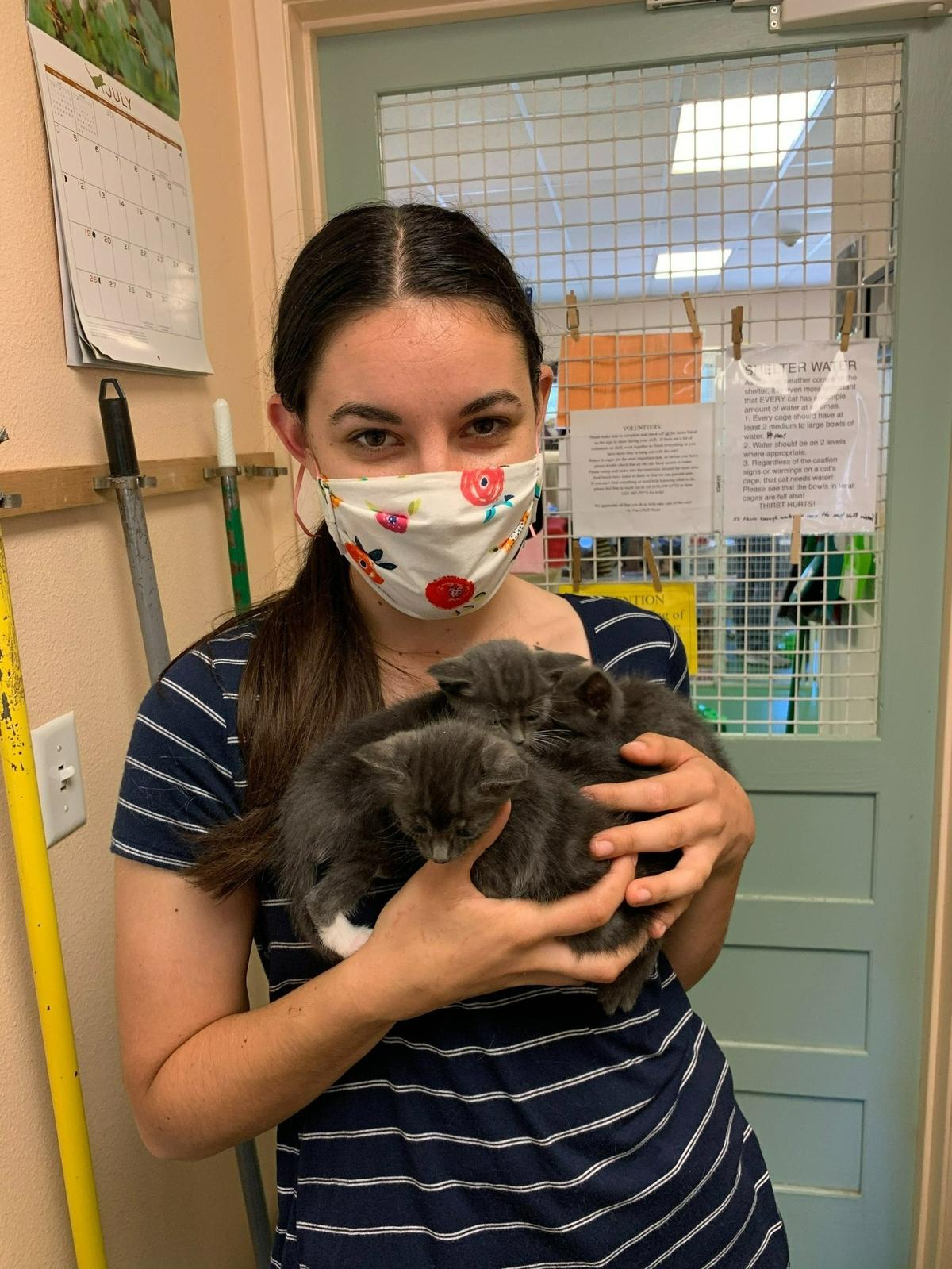
The shelter’s furry tenants mostly come from off-campus locations in the San Luis Obispo area, Brkic said.
Good Samaritans often bring in stray cats or abandoned felines, which the Cal Poly Cat Program registers with San Luis Obispo County’s Animal Services Department, Brkic said.
In addition, program volunteers trap stray cats on and off campus using safety protocols.
Brkic said the Cal Poly Cat Program even takes in animals that were brought to veterinarians to be euthanized without medical needs.
For more information go to catprogram.calpoly.edu.
Woods Humane Society
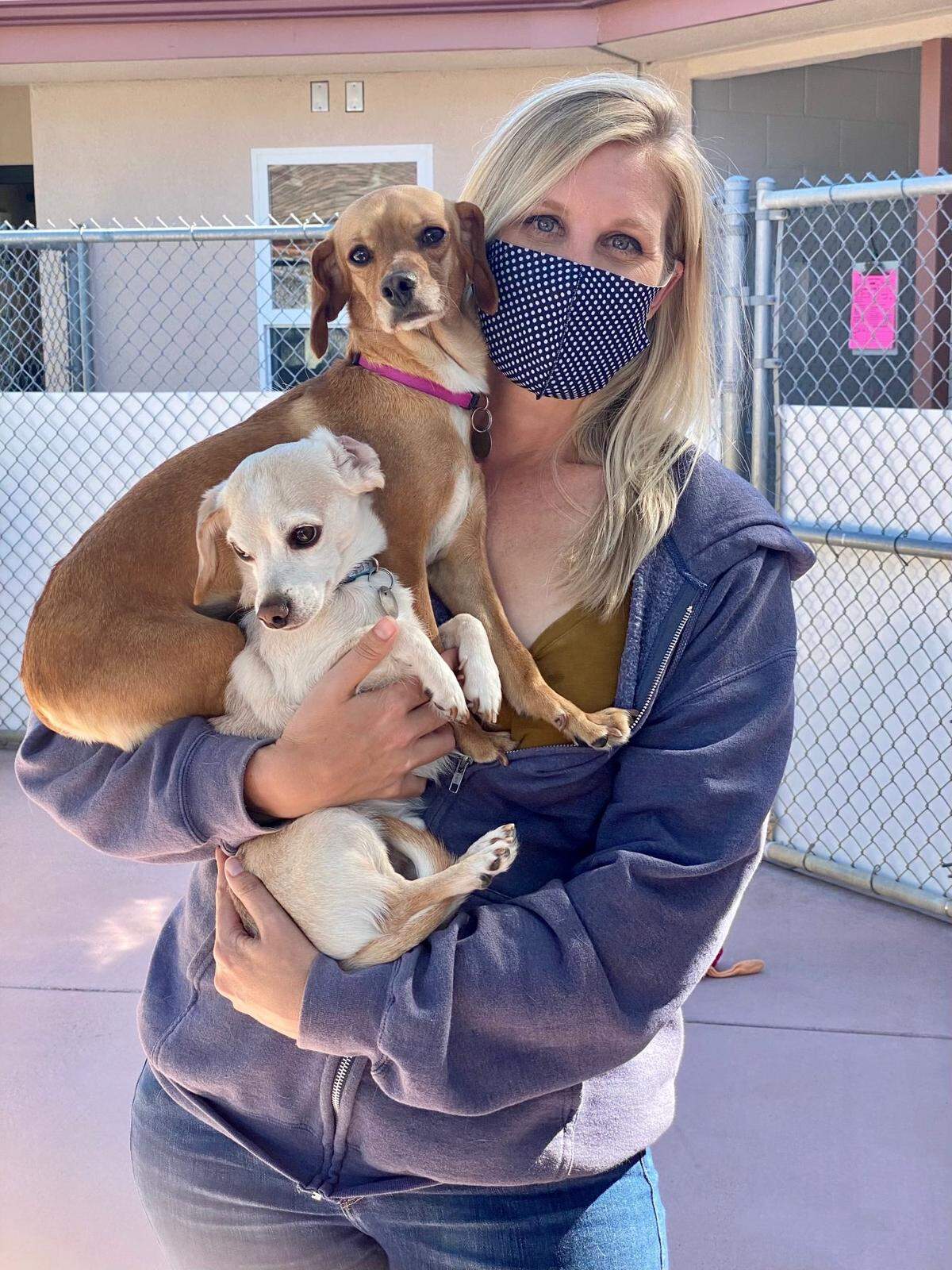
Woods Humane Society, which houses homeless and unwanted cats and dogs, has a two- to three-week waiting list to take in new animals, according to Dani McKinsey, the San Luis Obispo-based nonprofit’s intake and adoption coordinator.
“We’ve had some more adoptions of late, but as soon as we find them a home, we have more need to fill,” McKinsey said.
As of Tuesday, the organization was sheltering or housing in foster 193 dogs and cats through its various services, McKinsey said.
Woods has facilities in SLO for cats and dogs, as well as a cat and kitten operation in Atascadero, caring for over 3,000 animals each year in both locations, according to its website.
Woods Humane Society, which has served San Luis Obispo County since 1955, spays and neuters its dogs and cats. Animals are also implanted with microchips for easy identification.
“COVID was a rough year for donations, but it’s picking back up as of April,” McKinsey said.
For more information, go to woodshumanesociety.org.
Feline Network of the Central Coast
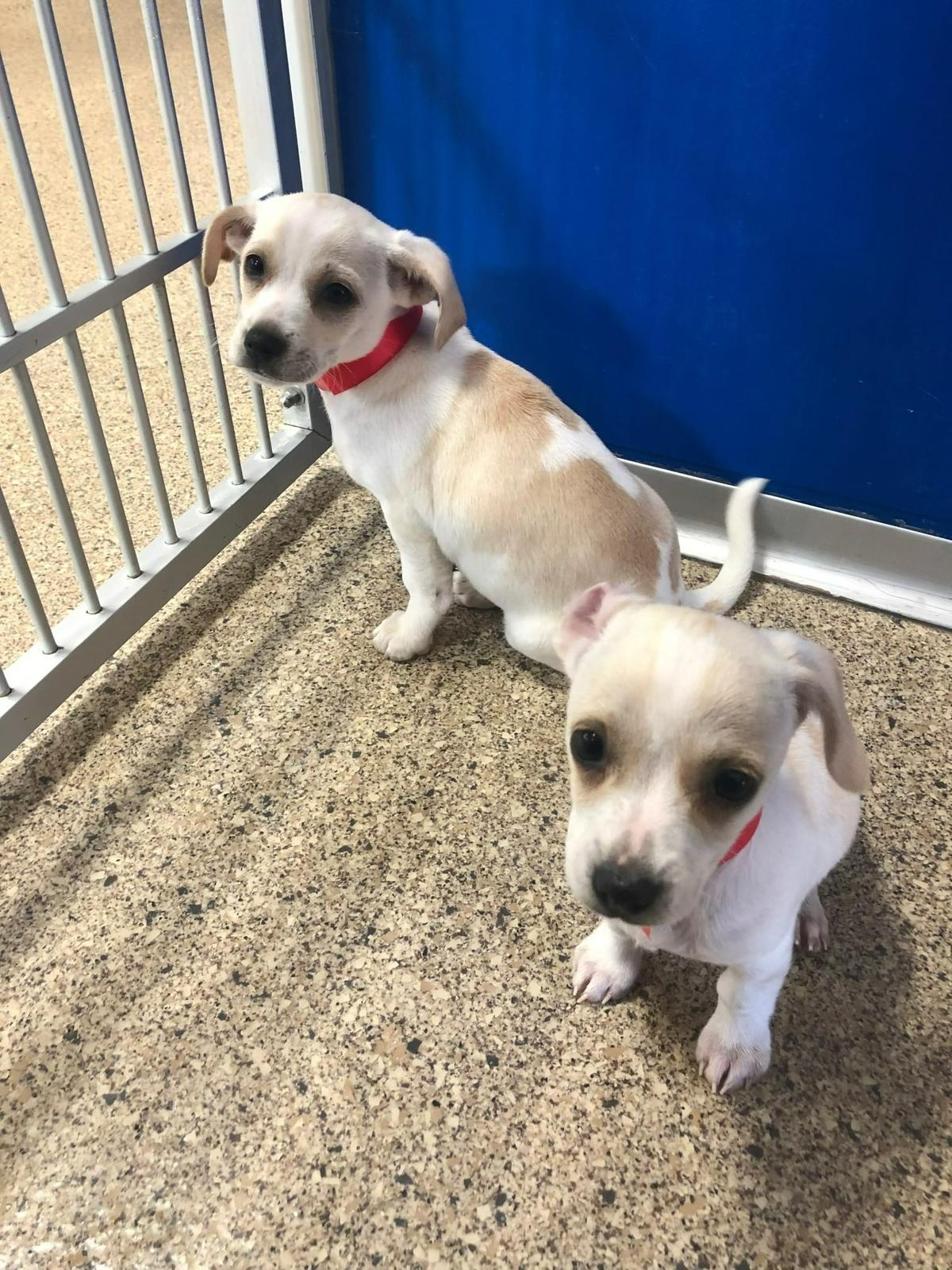
Genasci said Feline Network of the Central Coast traps and neuters or spays about 1,400 to 1,500 cats per year, adding that kitten season has the organization “slammed” at the moment.
The organization, which has been in operation since 2002, serves mostly the San Luis Obispo and South SLO County, with limited work in the coastal communities.
Due to an influx of kittens and a lower adoption rate, Genasci said the nonprofit’s 20 dedicated volunteer foster homes are maxed out with fluffy guests. Genasci has taken in six cats at her home.
Feline Network of the Central Coast was impacted by higher costs for veterinarian care during the pandemic, when fewer vets were available, Genasci said.
“We’re entirely dependent on donations, and always encouraging people to support us,” Genasci said.
For more information, go to felinenetwork.org.
North County Paws Cause
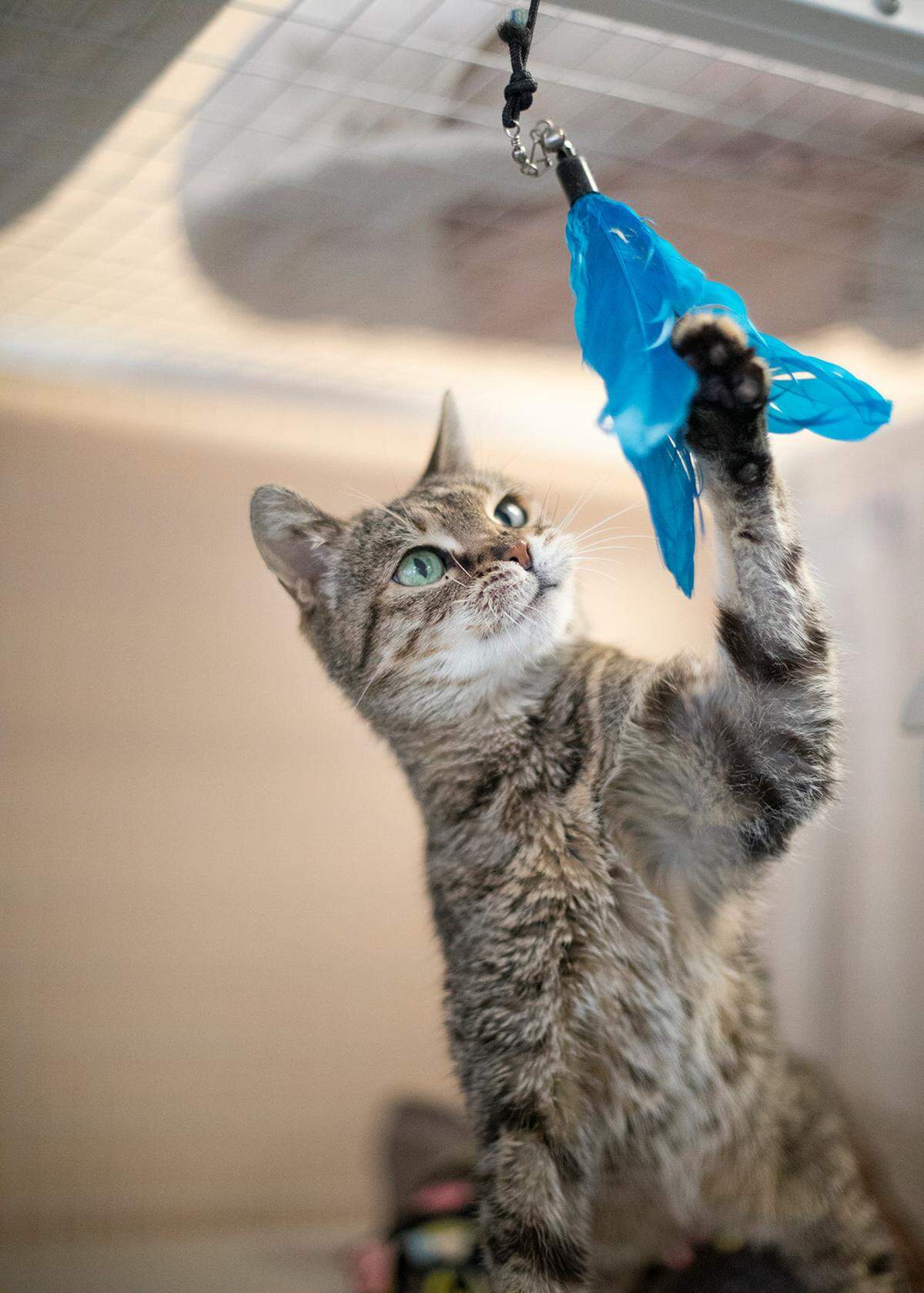
North County Paws Cause has also seen a surge in kittens as it advocates for “healthier colonies and preventing the birth of so many homeless kittens,” according to its website.
“We’ve had more of a need of late because kitten season,” said Laura Hughes, the Paso Robles-based program’s director. “Over the next few weeks, we could fill all of our foster homes though.”
North County Paws Cause houses a total of about 100 cats in its foster homes, according to its website.
The all-volunteer based group seeks to spay and neuter as many feral and domestic cats through trapping and community involvement as it can to reduce the number in local animal shelters.
For more information, go to northcounty-pawscause.org.
Homeless Animal Rescue Team
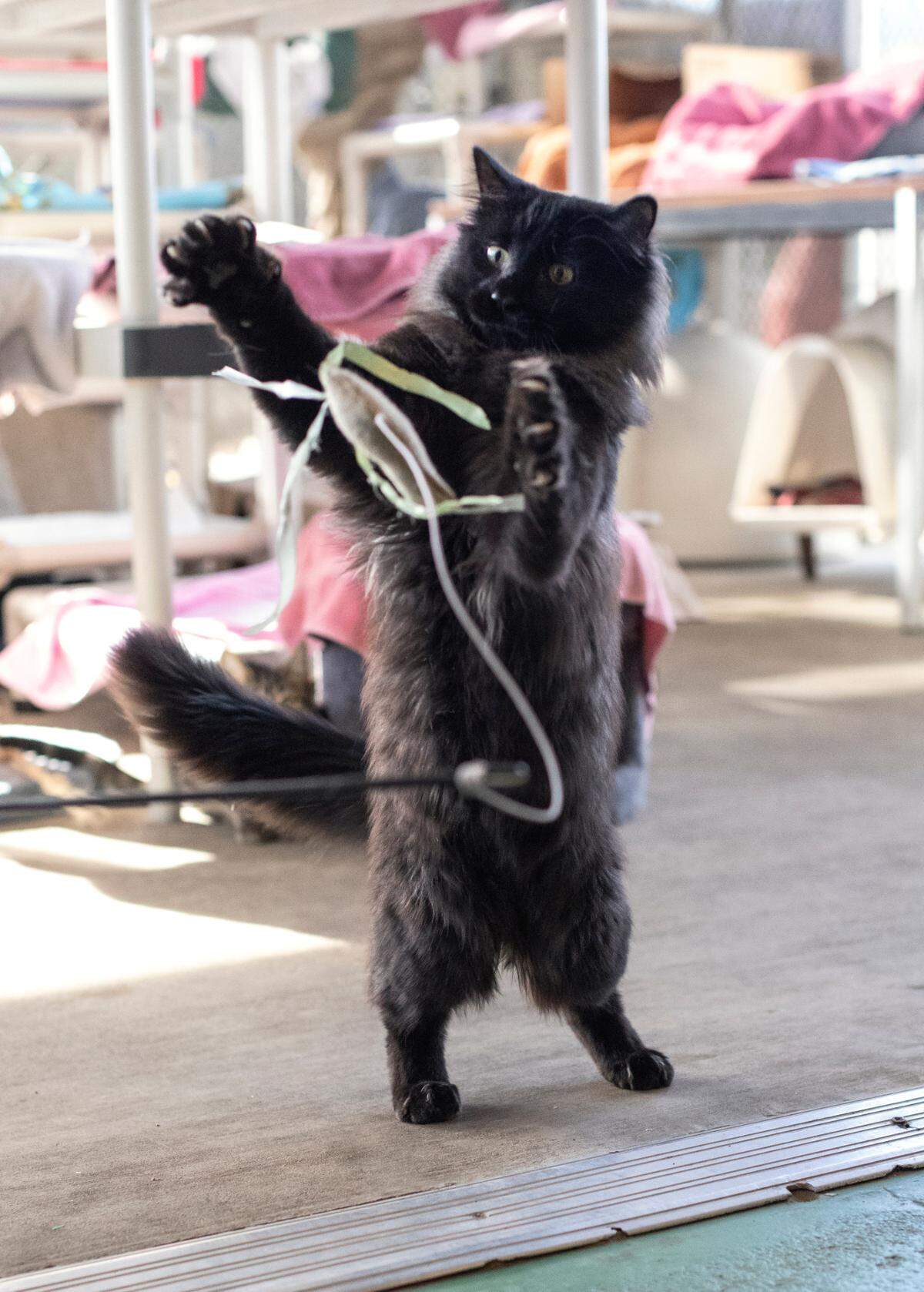
The Homeless Animal Rescue Team (HART) shelter in Cambria is at full capacity, and cat numbers have been capped to prevent overcrowding, said Evelyn Zanella, the organizations medical director
Between its foster and shelter programs, HART has about 100 cats, which require spaying, neutering, vaccines, food and supplies.
The nonprofit takes in cats for adoption from Cambria and beyond, accepting felines from as far away as the Central Valley and Los Angeles.
Zanella said HART’s vet bills typically range from about $200 to $2,000, adding that the group is fortunate the clinics it works with offer discounts.
“This year has been difficult to budget,” Zanella said. “What we’re finding is food costs, too, have skyrocketed.”
For more information, go to www.hartcambria.org.
SLO County Animal Services
Most nonprofit animal rescue groups in San Luis Obispo County have no-kill missions, while the county’s Animal Services department and local veterinarians may euthanize animals when needed if their quality of life is deteriorating or they’re chronically ill.
According to Genasci, the work of nonprofit groups across San Luis Obispo County help keep euthanizations down.
“I know other counties have much higher kill rates than ours does and that’s because of a caring and dedicated community and network of organizations,” Genasci said.
Eric Anderson, county Animal Services manager, said his organization typically euthanizes between 300 and 700 animals per year, but it’s only had to put down 26 animals between Jan. 1 and July 1.
But San Luis Obispo County’s save rate hovers in the 93% range, he said.
“More than nine out of 10 animals that come to the shelter are going back home to their owners, or getting placed with a new adoptive owner or rescue,” Anderson said.
Anderson said that, during the pandemic, the shelter had a relatively number of animals — which can include dogs, cats, rabbits, snakes and guinea pigs.
Anderson said the shelter’s intake significantly decreased during the period of time when more people were at home, able to provide responsible pet care and secure gates and fences to prevent animals from escaping.
As of Friday, the Animal Services shelter had about 18 kittens, two guinea pigs and a rabbit available for adoption.
Normally the agency has dogs available as well, but two puppies were recently adopted, Anderson said.
For more information, go to slocounty.ca.gov/Departments/Health-Agency/Animal-Services.aspx.
This story was originally published July 14, 2021 at 5:00 AM.
%20Cropped.jpg)