
It’s time to start planning for tomatoes in your SLO County garden. What to know
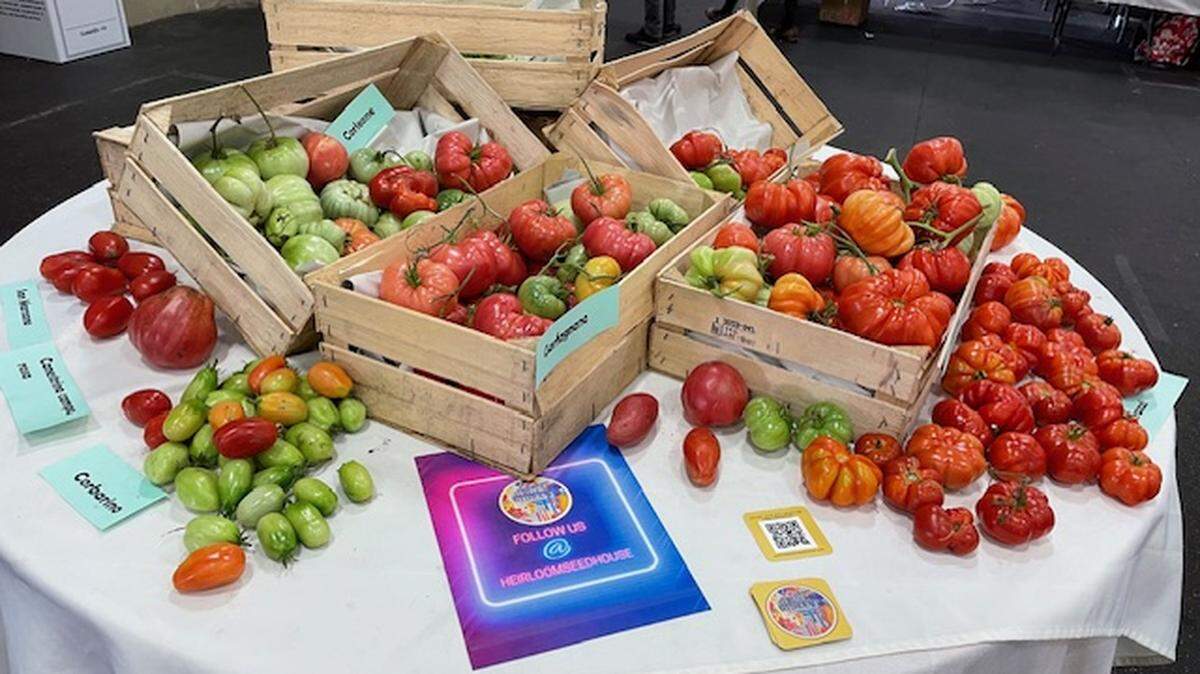
No summer garden feels complete without tomatoes.
But tomatoes (solanum lycopersicum) are more than a summer favorite: They are a crop with deep history, fascinating biology and a few persistent myths.
History and industry
Tomatoes originated in western South America and were domesticated in Mexico before being carried to Europe in the 1500s.
The known wild tomatoes were blueberry size and originated 7,000 years ago. There was an even older tomato, cherry size, from Ecuador, about 80,000 years old.
Once considered ornamental — and even poisonous — tomatoes gradually became a culinary staple.
Today, tomatoes are one of the most widely grown vegetables worldwide. California leads United States production, especially for processing tomatoes used in sauces, paste and canned products.
Biology basics
Tomatoes are warm-season plants in the nightshade family.
They are technically a perennial but are grown as annuals. Flowers are self-pollinating, and fruit development depends on consistent temperatures, adequate nutrients and moisture.
Cultivars and what to grow
Tomato varieties fall into two main types: determinate (compact, with fruit ripening all at once) and indeterminate (vining, producing fruit over a long season).
Heirlooms offer exceptional flavor and diversity, while hybrids often provide disease resistance and higher yields. Choose cultivars based on your climate, space and intended use — slicing, sauces or eating fresh.

Starting from seed
Start seeds indoors 6–8 weeks before the last frost date.
Use sterile seed-starting mix, plant seeds ¼ inch deep, and keep soil warm (70–75°F).
Provide good light to prevent leggy growth. Harden off seedlings gradually before transplanting.
Myths and misnomers
A common myth is that tomatoes love extreme heat; in reality, fruit set declines above 85°F.
Another misconception is that removing all “suckers” improves yield. Selective pruning is helpful, but excessive removal can reduce production.
Diseases and challenges
Common tomato diseases include early blight, late blight and various wilts.
UC Master Gardeners emphasize disease prevention, which is achieved with crop rotation, proper spacing, resistant varieties and by avoiding overhead watering.
Healthy soil and good airflow are your first line of defense.
For more information
Plant some tomatoes this year in your garden, and find tips for added success with the information from our upcoming workshop, “All About Tomatoes.”
This free program will take place Saturday, Feb. 21 from 10 a.m. to noon, at 2156 Sierra Way, San Luis Obispo. See our website below for more information or to register. In addition to the workshop, we’ll have a plant sale featuring landscape plants propagated by our chapter volunteers.
Visit our YouTube channel at San Luis Obispo County UC Master Gardeners for more informative gardening videos.
Visit our website at ucanr.edu/sites/mgslo or email questions to anrmgslo@ucanr.edu.
At our UC Master Gardener Helpline offices, volunteers are available to help answer plant questions at three locations in the county:
UCCE Master Gardener Helpline offices:
- San Luis Obispo: 805-781-5939 (Monday and Thursday, 1 to 5 p.m.)
- Arroyo Grande: 805-473-7190 (Wednesday 10 a.m. to noon)
- Templeton: 805-434-4105 (Wednesday 9 a.m. to noon)
This story was originally published February 15, 2026 at 5:00 AM with the headline "It’s time to start planning for tomatoes in your SLO County garden. What to know."