
Worried about invasive plants, pests in your SLO County garden? What to look out for
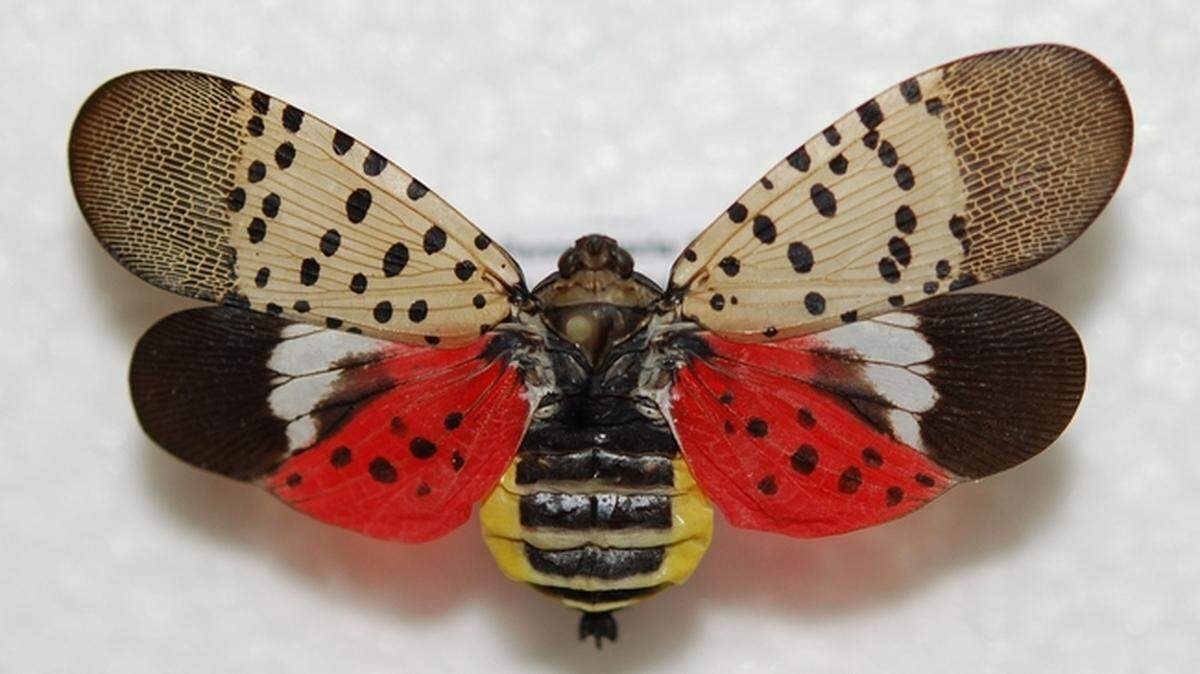
Invasive pests are non-native species of plants, diseases, insects or animals that spread rapidly, outcompeting native species and disrupting ecosystems.
These species are often very adaptable, exhibit aggressive growth patterns and lack natural predators. Their presence can significantly alter landscapes, reduce biodiversity and cause economic and environmental harm.
One key trait of invasive plants is their ability to reproduce quickly, often through both seeds and vegetative propagation. Many produce vast numbers of seeds that remain viable for long periods, while others spread through underground rhizomes or creeping stems. These mechanisms allow them to colonize new areas rapidly.
Invasive species are successful because they are highly adaptable to different environmental conditions.
They can tolerate a wide range of temperatures, soil types and moisture levels, which enables them to out-compete less adaptable species.
Invasive plants and insects can have a detrimental impact on ecosystems by outcompeting native species essential resources such as food and shelter. They can stress native populations, leading to reduced food sources and habitat for native wildlife.
This loss of biodiversity weakens ecosystems, making them less resilient to environmental changes.
Many invasive plants and insect pests have had negative economic impacts on agriculture, forestry, home landscapes and recreational areas.
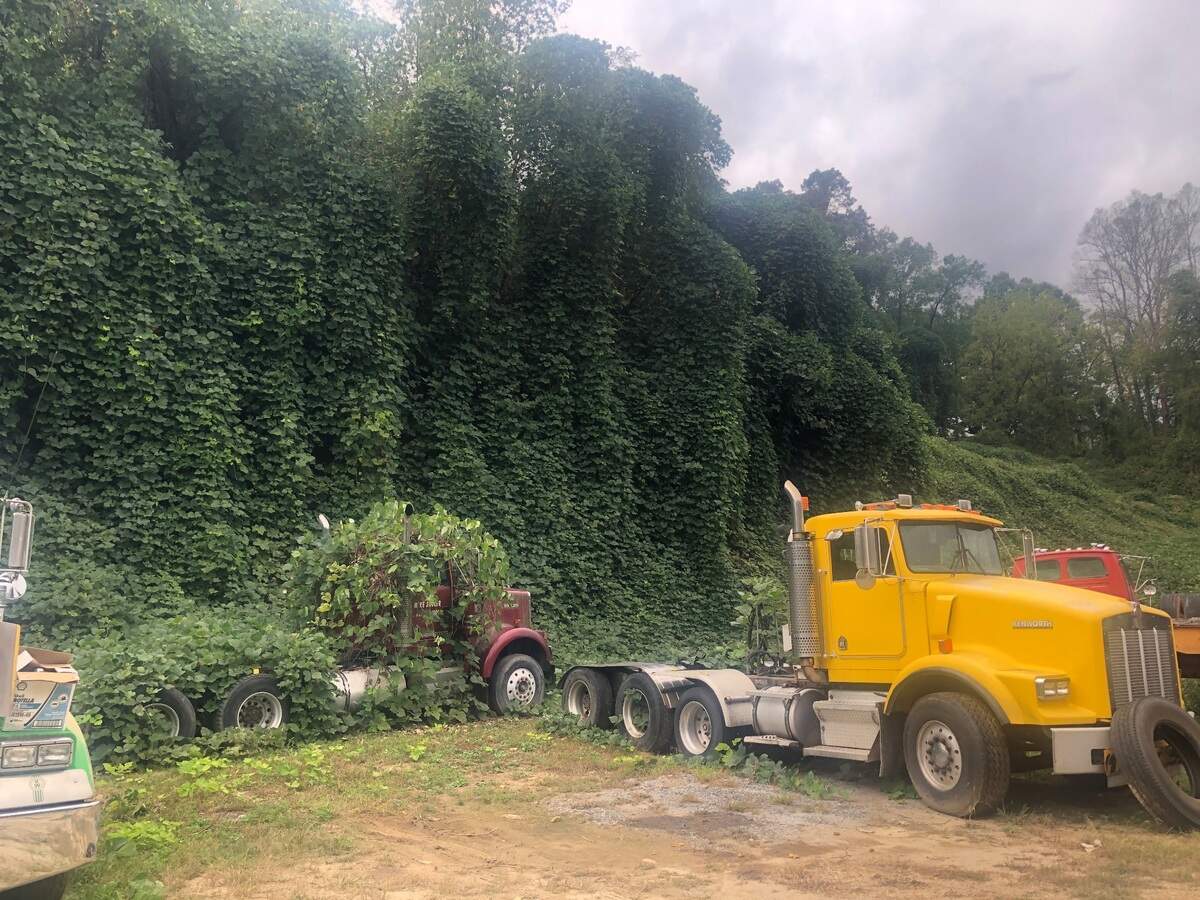
Invasive plants can decrease crop yields and increase labor costs, while invasive insects such as the spotted lanternfly can actually kill crop plants. In forest systems, kudzu — a highly invasive vine in the United States — grows rapidly and smothers trees and structures, leading to costly removal efforts.
Controlling invasive plants and insects requires public education campaigns, early detection, concerted exclusion efforts and eventually eradication efforts. By understanding the characteristics of invasive species and their potential impacts, we can take steps to protect the natural balance of our ecosystems.
For more information
The UC Master Gardeners of San Luis Obispo County next Advice to Grow By workshop on invasive plants and pests will be March 15 at 2156 Sierra Way in San Luis Obispo. Please check our website for more information.
Visit our You Tube channel at San Luis Obispo County UC Master Gardeners for more informative gardening videos.
Visit our website at ucanr.edu/sites/mgslo/ or email questions to anrmgslo@ucanr.edu.
UCCE Master Gardener Helpline offices:
- San Luis Obispo: 805-781-5939 (Monday and Thursday, 1 to 5 p.m.)
- Arroyo Grande: 805-473-7190 (Wednesday 10 a.m. to noon)
- Templeton: 805-434-4105 (Wednesday 9 a.m. to noon)
This story was originally published March 9, 2025 at 5:00 AM.