
How is Leo Leo Gelato made? Open Farm Days offers an inside look
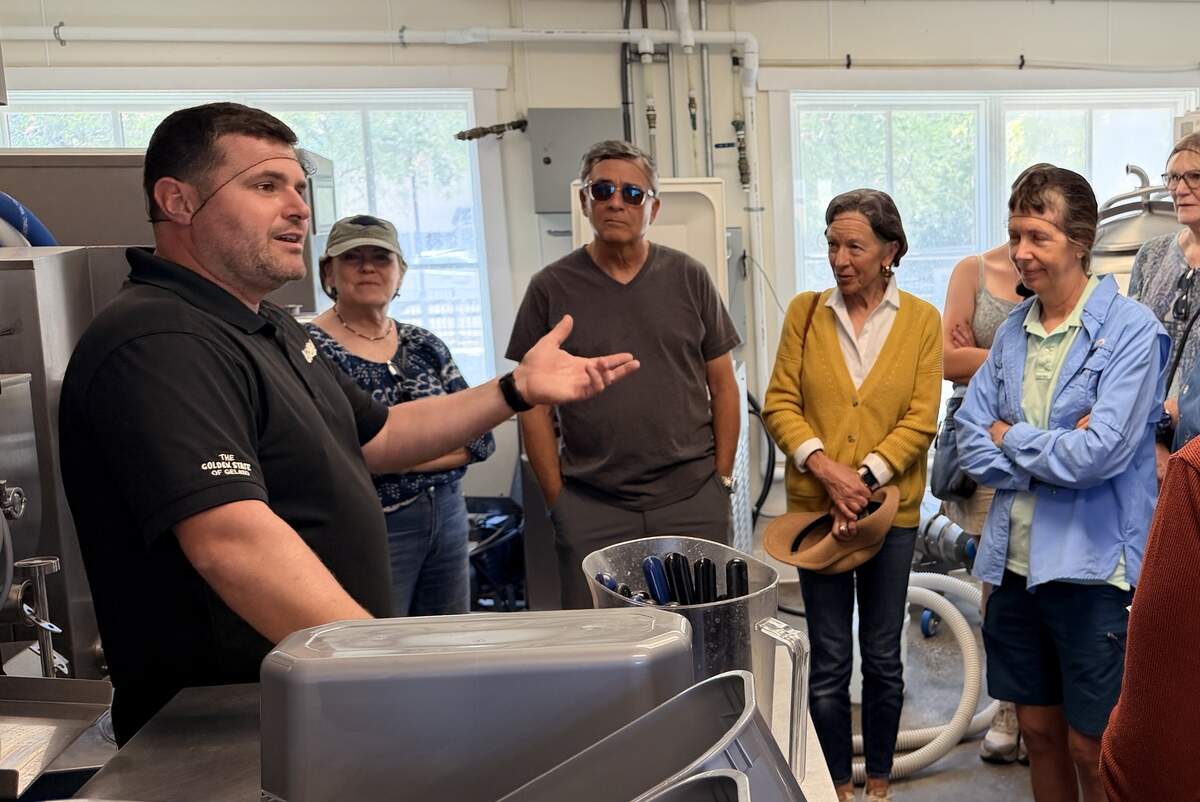
On a sunny Saturday, a small group of visitors got a behind-the-scenes look at how gelato is made, while learning about its locally sourced ingredients and how the product reaches its customers across California and beyond.
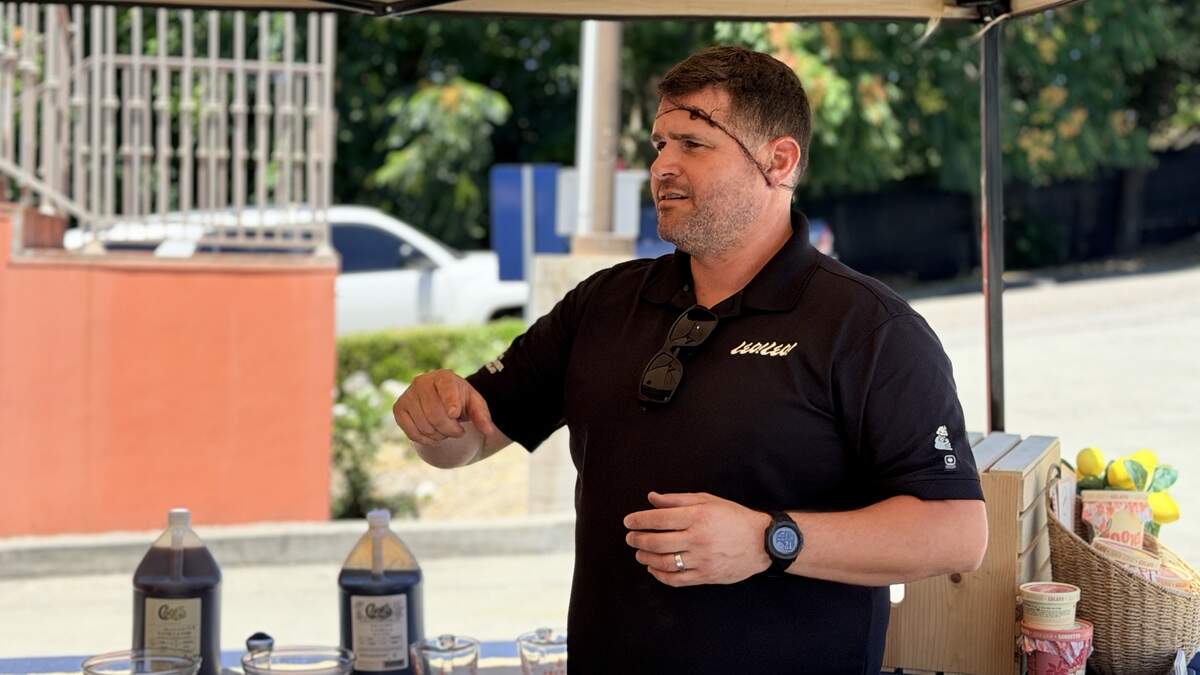
Along the way, Leo Leo Gelato co-founder Niccolo Lekai explained the company’s flavor experimentation, production methods and expansion into new markets.
The inside look was part of the Open Farm Days Weekend that invited people to tour local producers across San Luis Obispo County.
FARMstead ED, the nonprofit group that put on the sixth annual SLO County Farm Trail event, said more than 2,500 people turned out to tour farms, ranches, orchards, vineyards and artisan producers throughout the county, beginning with the Marketplace at Paso Robles City Park event on Friday, where hundreds got to meet growers and makers and sample their products.
At Leo Leo Gelato, the experience unfolded inside a two-story terracotta building about a half-mile from the business’s scoop shop at Paso Market Walk.
For Lekai, the weekend was a chance to open his doors to the public, sharing the roots of his operation and the future of the company he launched in Paso Robles in 2010. “We make 40 flavors and turn out about 400,000 pints of gelato per year,” Lekai said, as he shared his story with a group of about 15 visitors.
How Leo Leo Gelato sources locally
Raised in northern San Luis Obispo County, Lekai grew up surrounded by agriculture and developed an early appreciation for the connection between farms and food. That connection remained central to Leo Leo Gelato’s identity.
The company sources ingredients from throughout SLO County and elsewhere in California, creating partnerships with local growers and producers while showcasing regional flavors in unexpected ways.
Those partnerships reflect the interconnected nature of the region’s food economy, where growers, producers and specialty makers often benefit from one another’s success, both creatively and financially.
Leo Leo’s flavor lineup reflects that spirit of experimentation and place. When the Lekais dream up a new flavor, they test it out at their Paso scoop shop before deciding whether to produce it further.
Among its offerings are flavors made with local olive oil, seasonal fruit, products from Big Sur Salts, Cook’s Vanilla, Sierra Honey Farm and Paso Almonds. Another flavor incorporates ingredients from Mighty Cap Mushrooms, including its Wild Candy mushroom variety.
During the tour, Niccolo’s wife Keri Lekai passed around a jar of the dried mushrooms, which smelled remarkably like maple syrup.
Even the most important ingredient — the milk — is locally sourced, coming from Cal Poly’s dairy.
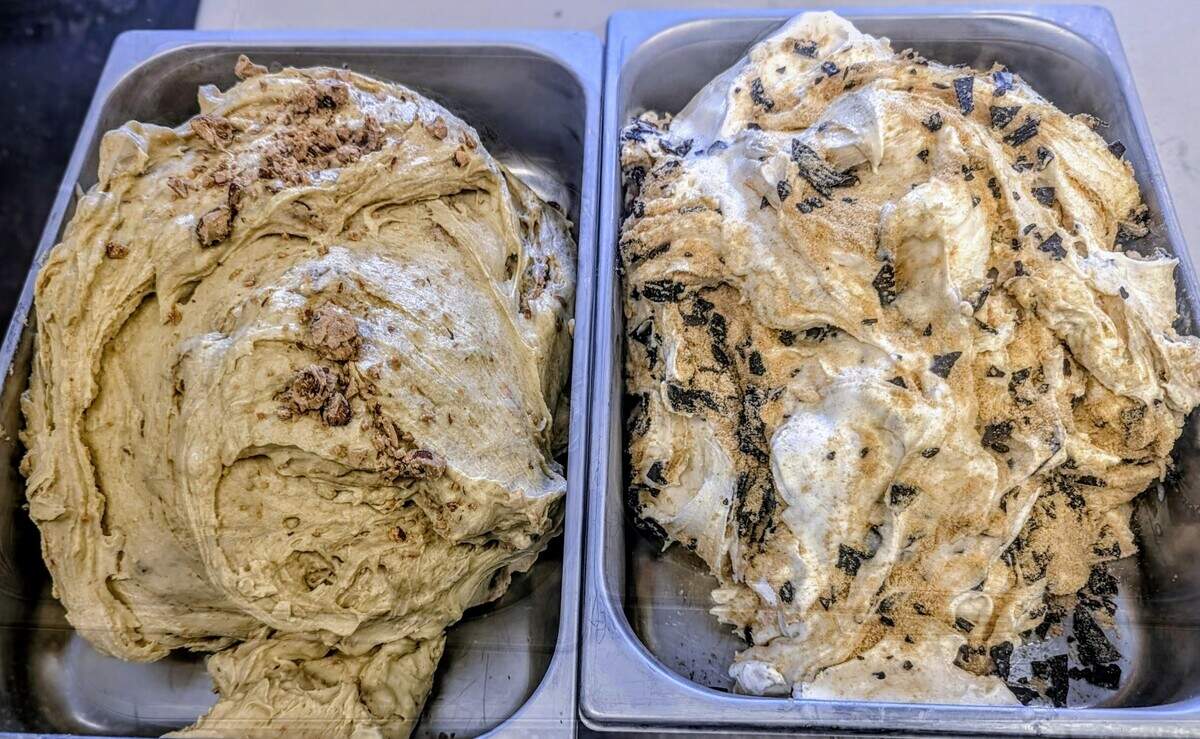
During the noon tour, one of three offered on Saturday, visitors learned how those ingredients moved from farms and specialty producers to the production floor before becoming gelato served in scoop shops and sold through retail partnerships.
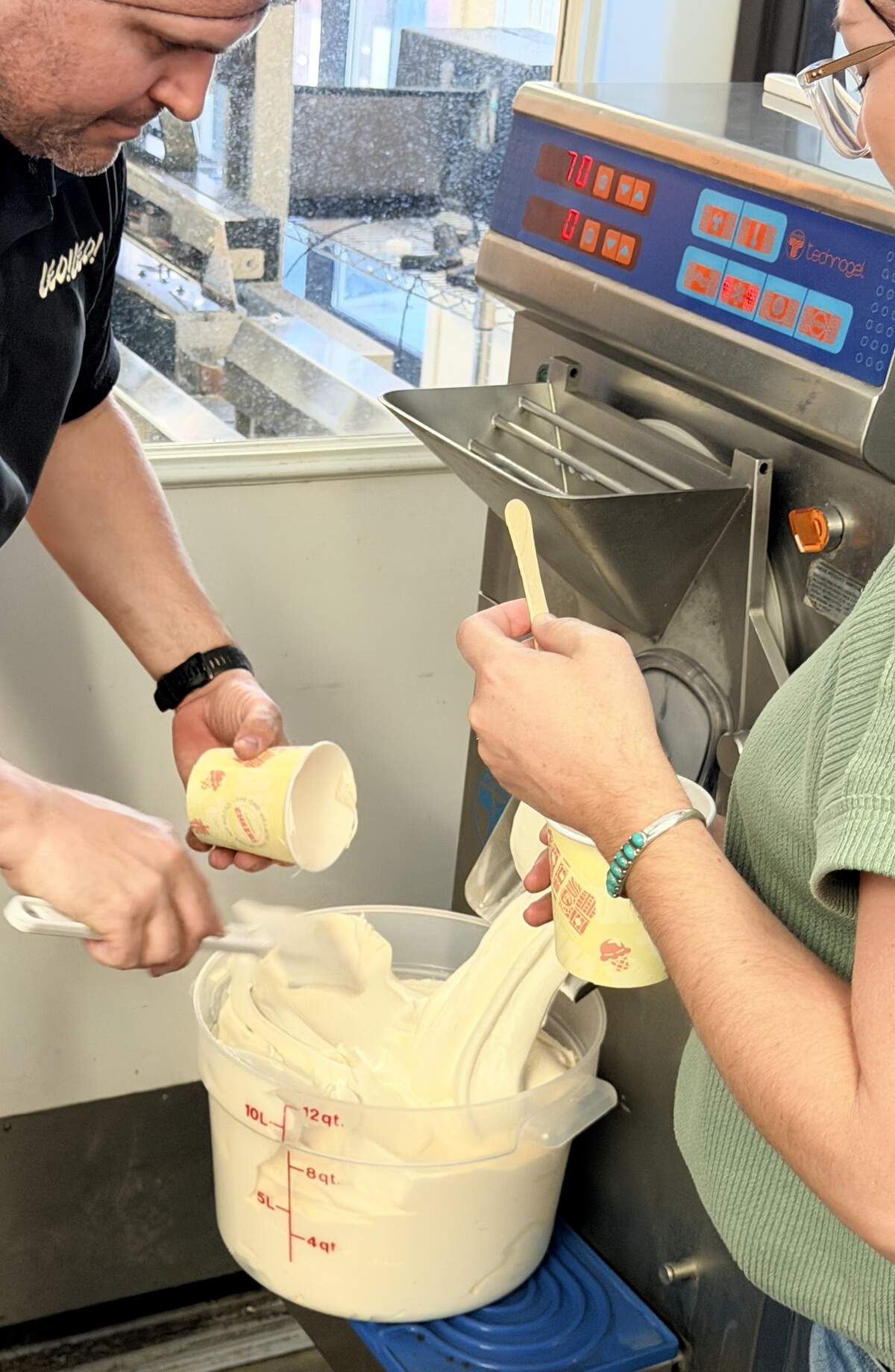
The experience offered a closer look at a process many customers never see, in a small room where a fast-freeze machine can turn a bucket of flavored milk into gelato in six minutes.
Guests watched batches emerge from production equipment in luxurious ribbons before being packaged for distribution.
As visitors moved through the facility, Lekai alternated between explaining production equipment, discussing ingredient sourcing and answering questions about the company’s growth beyond California.
Lekai was quick to credit a $405,000 USDA-funded grant that helped automate portions of the operation and dramatically expand production capacity.
Gelato company has plenty of capacity to grow
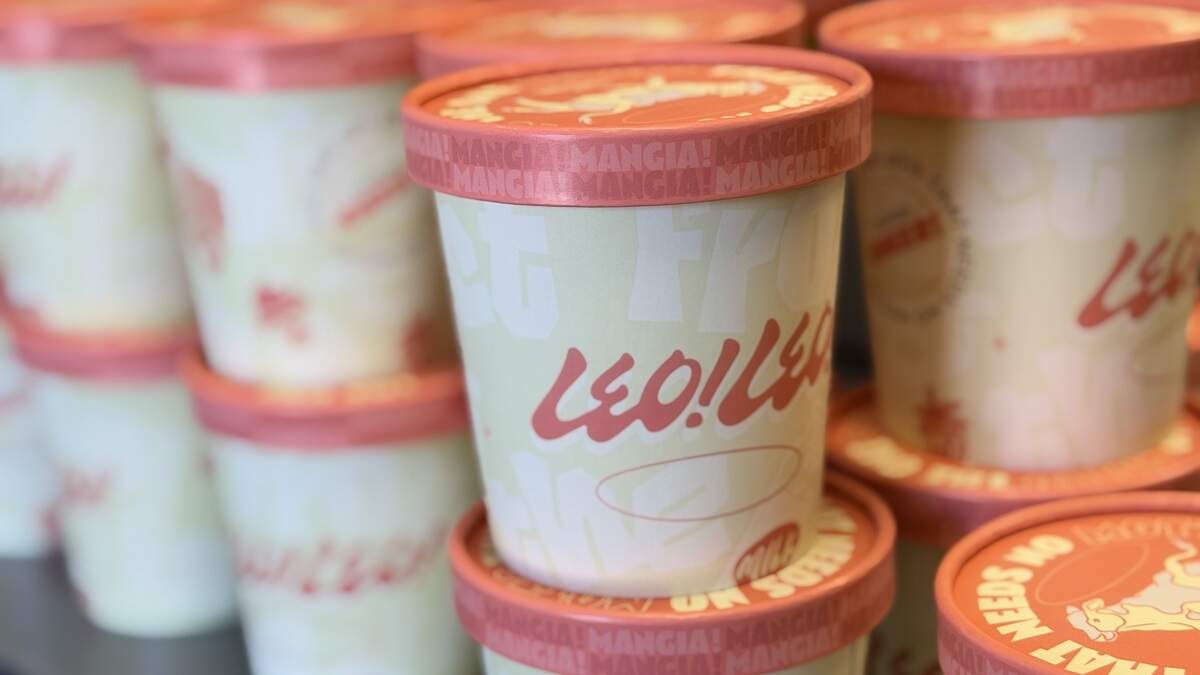
Today, Leo Leo products are distributed beyond California, reaching markets in Washington, Nevada and Utah. Gone are the days when Lekai made weekly deliveries around California and neighboring states.
Even so, Lekai said the facility is operating at roughly 20% to 30% capacity, leaving ample room to grow.
Even as the business grows, maintaining connections to local agriculture remains a priority.
In addition to industry food shows, small-group tours at the Paso Robles facility give Lekai an opportunity to connect directly with local residents and visitors alike.
“When you’re supporting small outfits like ours, you can see the work we put into our product,” Lekai said. “We like to educate people because we’re all in this together.”
California produces more milk than any other state in the nation, and dairy is the state’s leading agricultural commodity, generating approximately $8.1 billion in cash receipts in 2023, according to the California Department of Food and Agriculture.
For Leo Leo, that connection begins with milk and extends to the growers, producers and specialty makers who contribute to the company’s flavor lineup. By combining those agricultural roots with a hands-on visitor experience, the company has created a model that blends food production, tourism and community connection.
Today, Niccolo and Keri Lekai are raising two young sons, ages 5 and 7 months, while building a home in the same Adelaida area where he grew up and preparing for the next phase of a business whose reach now extends into multiple states.
For visitors, the result is more than a scoop of gelato.
It’s a chance to see how a Paso Robles company turns local ingredients, agricultural traditions and entrepreneurial ambition into gelato that continues to reach new audiences far beyond the Central Coast.
Leo Leo Gelato can be found at its scoop shop at Paso Market Walk, 1835 Spring St., and on menus in restaurants, including Les Petites Canailles, Grace & Rose and Cello Ristorante & Bar in Paso Robles. It’s also sold at SLO Sweets near City Park in Paso Robles and in San Luis Obispo, Valley Fresh Market in Atascadero and Spencer’s Fresh Markets in Morro Bay.
All told, Open Farm Days Weekend gave visitors access to more than 20 farms and producers around the county.
“Our goal when starting FARMstead ED nearly 13 years ago, and the SLO County Farm Trail six years ago, was to introduce folks to our locally grown and made,” said Lynette Sonne, founder of FARMstead ED. “This weekend did exactly that. Expectations were exceeded, and our hearts filled seeing so many people eager to learn about local agriculture and connect with the farmers, ranchers, and makers who feed and sustain our communities.”