
Beloved garden became a burden for SLO retiree. Here’s how she found help
I’ve been an avid gardener my entire adult life.
Dinners in our home featured fresh-picked produce. The pantry was stocked with pickles, applesauce and jams.
Over the past few years, however, the garden has become a burden.
Arthritis in my hands makes digging and clipping painful. Pruning fruit trees has felt overwhelming.
I began dreading activities I once took delight in.
I had no interest in planting cover crops this past October.
When I begrudgingly transplanted seedlings in the spring, I vowed, “I’m not doing this again.”
As the year progressed, I became more despondent, even depressed.
Fruit started ripening in the orchard and I faced the daunting task of getting rid of hundreds of apples.
Like many home orchardists, I had far more fruit than I needed.
I could share a few bags with friends and neighbors, but no one wanted the pounds and pounds of fruit still hanging on the trees.
I had to face my new reality. The garden had to change.
I could plow everything under, or I could somehow redefine the process and make it work for me now.
I started by deciding which aspects I could manage and which I had to let go.
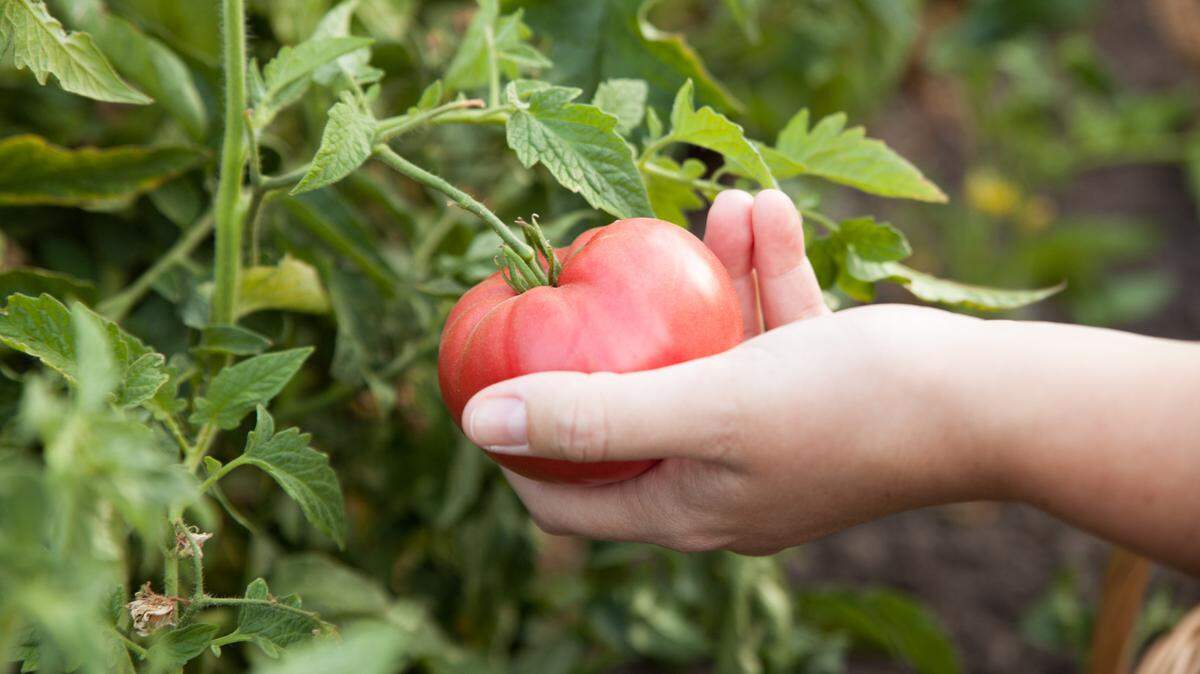
Then I pared the list of plants I would raise down to a few easy favorites: three raised beds of lettuce, a couple of tomato plants and blackberry vines. No more pumpkins, zucchini, cucumbers or green beans.
Then I asked for help.
I now pay a Cal Poly student who comes on a regular basis, and I have an intern who works for free but wants to learn more about gardening.
Yes, I inwardly grimace when I ask them to perform chores I once did easily. However, this is my new reality.
I’ll also hire someone to prune the fruit trees this winter.
I’ve already located a qualified arborist. He’ll take the trees down to the correct size and dispose of all the branches.
Finally, I contacted the SLO Food Bank and invited the organization to glean my excess fruit.
It was hard watching others take over, but they were professional and kind.
Also, the food bank put the food to great use.
They even left me a sign that reads, “My garden feeds hungry families.” That means a lot to me.
I can’t believe how much better I already feel. Just a few changes have made a huge difference. Approaching the problem was daunting. I won’t downplay the numerous steps it took to get things under control.
The garden is a microcosm of other issues that I’ll face in the upcoming years.
As my life and circumstances evolve, I’ll reevaluate my needs and adapt.
I’m also aware that the solutions I came up with are temporary.
This is what works today. Tomorrow? Who knows. I’ll deal with it then.