
Mentoring Cal Poly student offers self-esteem boost for SLO retiree
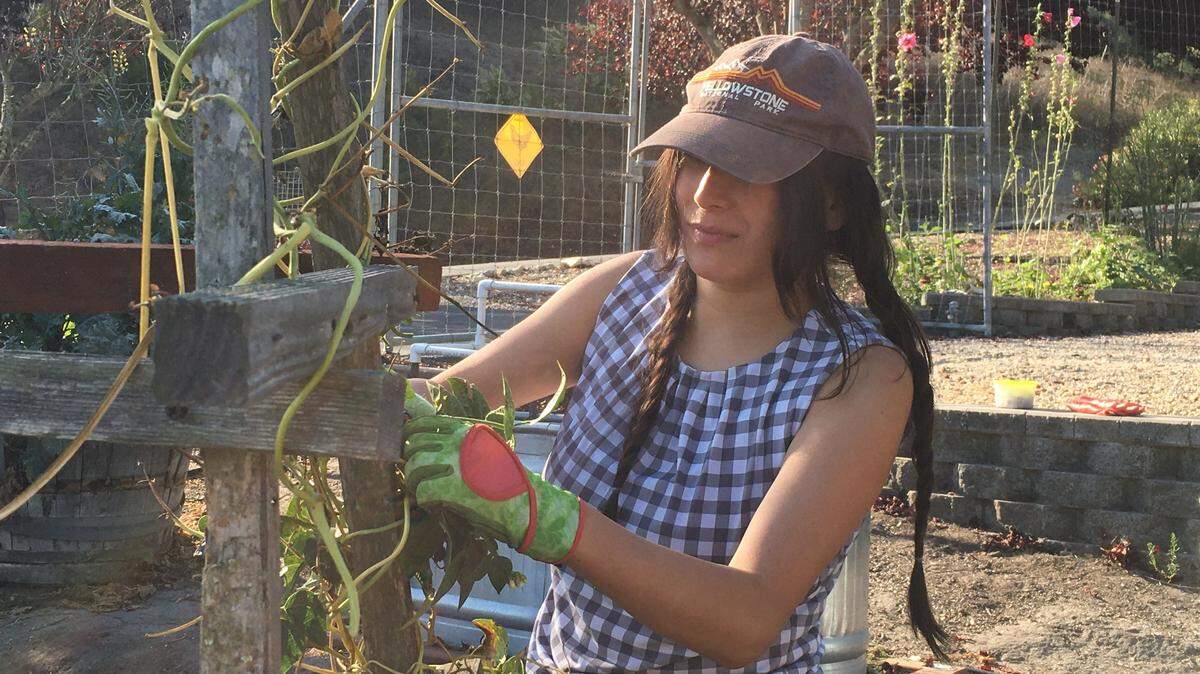
We all know the benefits that mentors bestow on young people.
Research repeatedly shows that boys and girls who have mentors have increased rates of high school graduation, decreased likelihood of starting drug use, enhanced self-esteem and improved behavior, both in school and at home.
But we often overlook the role that mentoring plays for the mentor, especially when that person is a senior citizen.
Dictionary.com defines a mentor as “a wise and trusted counselor or teacher,” or “an influential senior sponsor or supporter.”
That definition hints at the pleasant, helpful bond that develops between both participants in a mentoring relationship. But the advantages run much deeper.
For instance, mentoring allows the mentor to share their body of knowledge or experience with a person who is actually interested in receiving the information.
Too often, family members or close friends turn a deaf ear to our expertise or skills. They’ve heard our stories countless times. They want to pursue their own life paths, not follow along in ours.
Mentoring is unencumbered by underlying, negative emotions.
Both parties are eager to participate. Neither is being forced to take a required class that doesn’t interest them or practice an instrument that they hate.
As a result, participants in mentorships are on equal footing.
By definition, one member has more information or experience than the other. But there is no perceived or actual hierarchy.
Neither party is beholden or subservient. No one is assigning a grade or threatening to fire the other if a standard isn’t met.
Participants meet because they want to, for the mutually satisfying chance to impart and receive knowledge.
Mentors are different than role models. I may consider Michelle Obama a role model and admire her from afar. I may even try to incorporate some of her attributes into my personal repertoire. But we will likely never be in a one-on-one relationship where she passes information on to me.
I’ve had the pleasure of mentoring a Cal Poly landscape architecture student in my garden for the past few months.
Nelly Rodriguez answered an ad I’d placed at the San Luis Obispo university. I was looking for help with routine gardening chores that had once been easy but were becoming increasingly difficult.
I was immediately impressed by Nelly’s work ethic and eagerness to learn.
She showed up for our first session with her own, pre-sterilized clippers. And she watched a YouTube video I had made for UCCE Master Gardeners of San Luis Obispo County that pertained to the task we’d be tackling that day.
Now we work side-by-side planting cover crops, thinning seedlings, treating apple trees for woolly aphids and pruning blackberries. I look for activities that Nelly can learn from and allow her to do much of the actual task.
Both of us value our time together. She constantly asks me questions. I revel in her fresh perspective and the opportunity to share with her what I know.
I also love learning about her classes and projects.
Of course, I still pay Nelly for the work she performs. Her hours of shoveling and clipping are invaluable.
Equally important is the boost to my esteem, and the chance to feel important and useful once again.