
SLO County has perfect climate for citrus and avocado. What to know to grow them
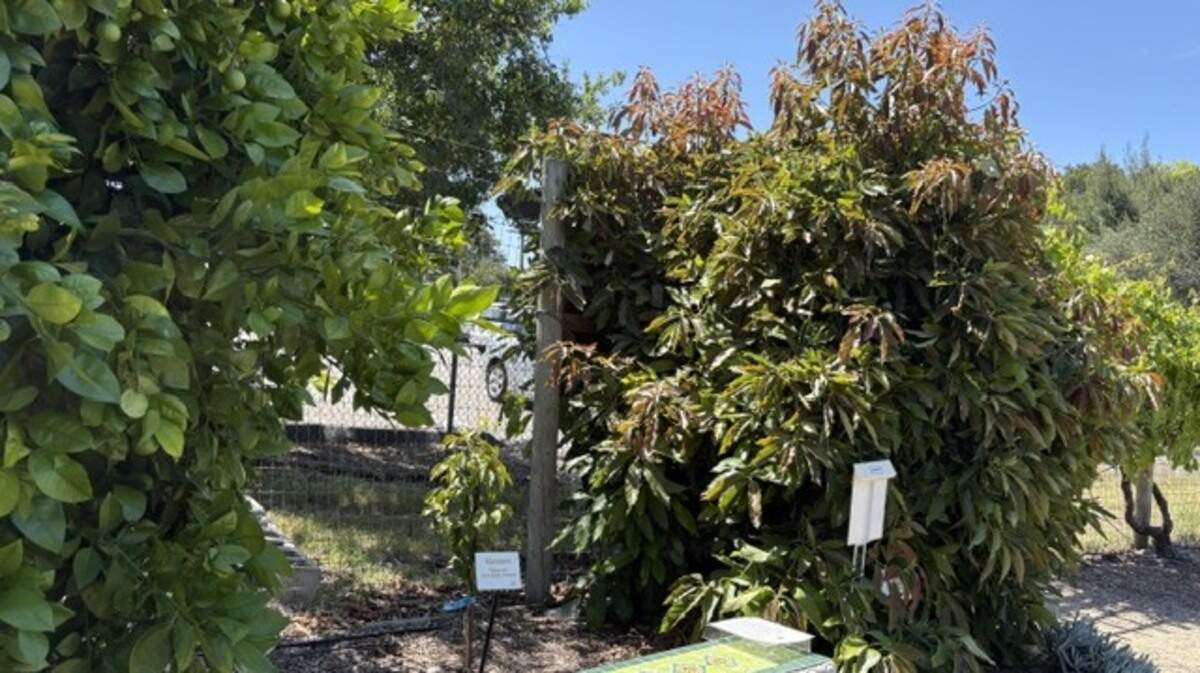
On the Central Coast, we’re fortunate to have a climate in which both avocados and citrus trees can thrive, with proper care.
To grow avocados and citrus successfully in San Luis Obispo County, it is important to understand the region’s unique microclimates. We have the coastal influence, inland heat, frost pockets, wind exposure and variations in soil drainage depending on soil type. All these factors play major roles in tree health and fruit production.
It is essential to select varieties well-suited to local conditions. If winter frost is likely, choose cold-tolerant avocado varieties such as Bacon, Mexicola or Duke. Areas with warmer winters can successfully grow Hass, Reed or Lamb Hass.
Citrus choices also vary by climate. Kumquats, mandarins, lemons, and some oranges, such as Washington navels, grow well in many SLO County locations. Oro Blanco grapefruit is also a good choice for the county.
Consider planting dwarf varieties in pots if you’re in a colder region of the county. Potted citrus can be moved indoors or placed in another sheltered, frost-free spot. Local nurseries familiar with county microclimates can help gardeners select the appropriate varieties.
Avocados and citrus thrive in full sun, with well-drained soil, and protection from strong winds. Both require irrigation in the dry season but can also be damaged by overwatering.
Water management is one of the most important factors for success. Both require deep but infrequent watering. Overwatering can lead to root diseases, while drought stress reduces fruit quality and tree vigor and can halt fruit production completely. During hot inland summers, trees will require additional irrigation, especially young trees still establishing their root systems.
Avocados are especially sensitive to wet soil and excessive watering because their roots are near the soil surface. UC research recommends planting avocado trees slightly above soil grade or on a mound in heavy clay soils to improve drainage.
Citrus are more tolerant of differing soil conditions, but they can also suffer root damage from overly wet soil. Mulching in the summer with coarse woody material helps conserve moisture and regulate soil temperature.
Be sure to keep mulch several inches away from the trunk to prevent crown rot.
Monitor your trees regularly for signs of pests and diseases.
Ants are particularly problematic for citrus trees because of their mutualistic relationship with aphids, mealybugs and various scale insects that feed on phloem (aka plant sap). These phloem-feeding insects excrete a sticky sugary substance called honeydew that attracts ants. The ants, in turn, protect the phloem-feeders from predators.
Asian citrus psyllid (ACP) is a pest that vectors the deadly citrus disease huanglongbing (HLB). The county Agriculture Department has a trapping program that places and monitors sticky traps in trees throughout the county to monitor for ACP and other invasive insects.
The most common insect affecting avocados is the persea mite, which feeds on the undersides of avocado leaves. High populations of persea mites can cause leaf drop, leaving the fruit vulnerable to sun and wind damage. Persea mites are most active during warm, dry conditions in late spring and fall. Regular monitoring and proper cultural care are often sufficient, thereby reducing the need for chemical treatments.
The Master Gardener helpline can help identify these and other insects and offer guidance for managing them.
To get started with planting citrus and avocado, attend the UC Master Gardeners Citrus and Avocado workshop. This free program will take place Saturday, June 20, from 10 a.m. to noon, at 2156 Sierra Way, San Luis Obispo. See our website below for more information or to register.
In addition to the workshop, we’ll have a plant sale featuring a variety of landscape plants propagated by our chapter volunteers.
For informative gardening videos, visit our YouTube channel at San Luis Obispo County UC Master Gardeners.
For more gardening information and to register for our monthly programs, visit our website at ucanr.edu/sites/mgslo or email questions to anrmgslo@ucanr.edu.
Our UC Master Gardener Helpline volunteers are available to help answer gardening questions at three locations in the county:
- San Luis Obispo: 805-781-5939 (Monday and Thursday 1 to 5 p.m.)
- Arroyo Grande: 805-473-7190 (Wednesday 10 a.m. to noon)
- Templeton: 805-434-4105 (Wednesday 9 a.m. to noon)