
Planning to grow herbs in your SLO County garden? Here are some tips and tricks
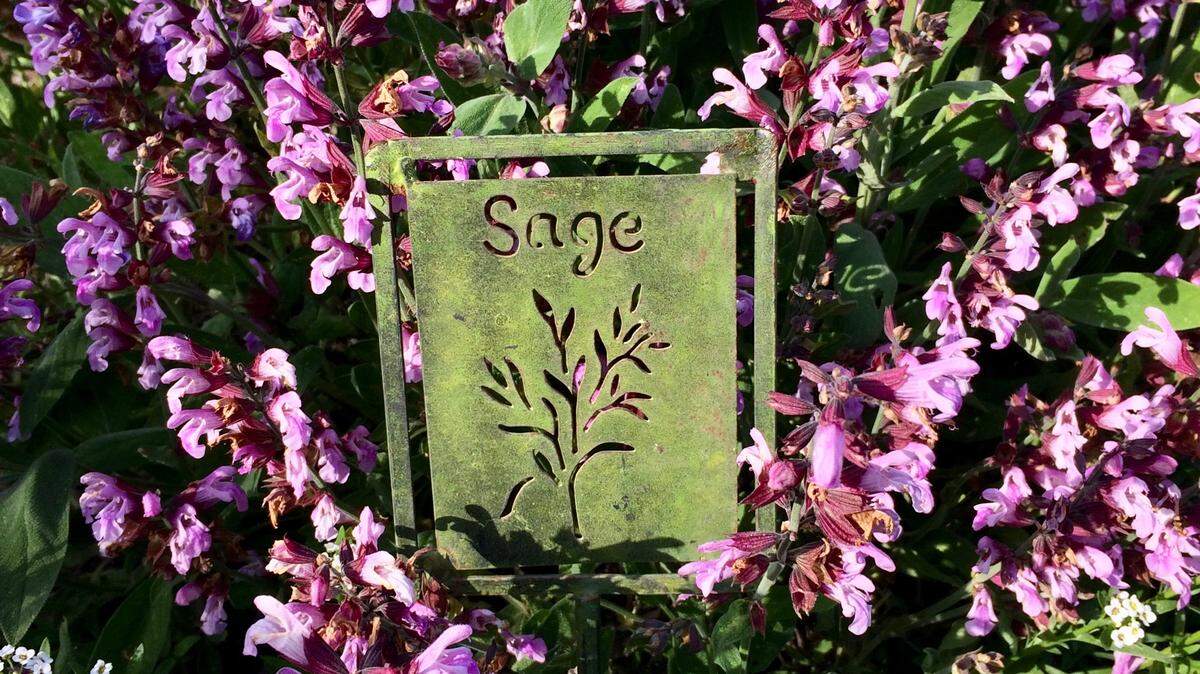
How do you use your herbs? Do you allow them to flower to attract pollinators? Or do you use them to enhance your landscape or your culinary creations?
“Herb” is generally defined as a plant without permanent, woody stems, and more broadly includes many flowers, vegetables, grasses and other plants.
They can provide color, height and leaf texture when planted in a vegetable garden, landscape, formal herb garden, or container. Pollinators, hummingbirds and butterflies are attracted to herbs with clusters of small flowers such as cilantro.
Herbs may grow as annuals, biennials or perennials. Annuals grow for a single season only, such as basil, and must be replanted. Biennial plants have leaves and shoots that grow the first year; flower and seed the second year. Dill is one example. Perennials grow for many years and bloom each year, such as sage or rosemary.
Herbs can be started from seeds sown directly into the soil, started in small containers and transplanted into the ground, or purchased as established potted plants.
Before making any purchases, first decide which herbs fit your microclimate and your taste buds. If planted outdoors, most herbs need at least six hours of sun. Five hours of bright light is needed for herbs grown indoors. Either way, herbs need well-drained soil.
Water needs differ by plant type, location and ground versus container planted. Many prefer a Mediterranean climate, but a few, like basil, do not tolerate frost. Others, like mint, aggressively spread, but can be easily managed in a container.
Common pests of herbs include aphids, thrips, snails/slugs and powdery mildew. Avoid pesticides to encourage pollinators and other beneficial insects. Instead, monitor your plants regularly and consider manually removing or squishing pest insects.
To minimize the occurrence of powdery mildew, avoid dense plantings to allow sufficient air flow and irrigate in the early hours of the day. Doing so allows the leaves to dry with the warmth of the sun.
For more information on selecting, growing, and preserving herbs, join us for a collaborative workshop on “How to Grow and Preserve your Own Herbal Bounty”. The UC Master Food Preservers will be joining Master Gardeners, and together we will discuss how to grow, harvest, and preserve herbs.
Join us on Saturday, May 16, from 10 a.m. to noon at the Garden of the Seven Sisters, located at 2156 Sierra Way in San Luis Obispo. The workshop is free, but advance registration is strongly recommended.
See our website for more information and to register. In addition to the workshop, we’ll have a plant sale featuring a variety of landscape plants propagated by our chapter volunteers.
Additional resources:
- Herbs as Houseplants: ucanr.edu/blog/real-dirt/article/herbs-houseplants-0
- Culinary Herb Profile: ucanr.edu/sites/default/files/2018-07/116768.pdf
- Growing Information: ucanr.edu/site/uc-master-gardeners-san-luis-obispo-county/herbs-growing-information
For information about events and seasonal gardening topics, visit ucanr.edu/sites/mgslo or email questions to anrmgslo@ucanr.edu.
You can visit our YouTube channel at San Luis Obispo County UC Master Gardeners for informative gardening videos.
At our UC Master Gardener Helpline offices, volunteers are available to help answer plant questions at three locations in the county:
- San Luis Obispo: 805-781-5939 (Monday and Thursday 1 to 5 p.m.)
- Arroyo Grande: 805-473-7190 (Wednesday 10 a.m. to noon)
- Templeton: 805-434-4105 (Wednesday 9 a.m. to noon)