DNA snared accused Golden State Killer. How were other infamous killers caught?
By Gabby Ferreira
DNA sleuthing helped crack the case of the Golden State Killer, police say, unveiling a man suspected to be the rapist and murderer whose crimes terrorized communities across California for about 10 years. From 1976 to 1986, the killer, also known as the East Area Rapist and the Original Night Stalker, terrorized both Northern and Southern California.
But the Golden State Killer wasn't the only serial killer operating in California — or the West — around that time, or years after. Here is a look at the most infamous serial killers in California, and how they were finally caught.
Kenneth Alessio Bianchi and Angelo Anthony Buono Jr.
Also known as: The Hillside Stranglers
Dates: 1977-1978
What they did: They were convicted of kidnapping, torturing, raping and killing 10 women. Their moniker came because many of their victims were found dumped on hillsides in the Los Angeles area.
In this photo provided by the California Department of Corrections and Rehabilitation, inmate Richard Ramirez, the notorious serial killer known as the Night Stalker, is seen in 2007 in San Quentin. AP
Richard Ramirez
Also known as: The Night Stalker
Dates: 1984-1985
What he did: Ramirez would generally break into Los Angeles-area homes to murder and rape before ransacking the home. He used a variety of weapons.
What they did: The pair, who met at California Men's Colony in San Luis Obispo, got their moniker because the implements they used to torture and kill their victims were commonly found in a household toolbox. The men murdered their victims and discarded the bodies in the San Gabriel Mountains.Victims: Five victims; all teenage girls.
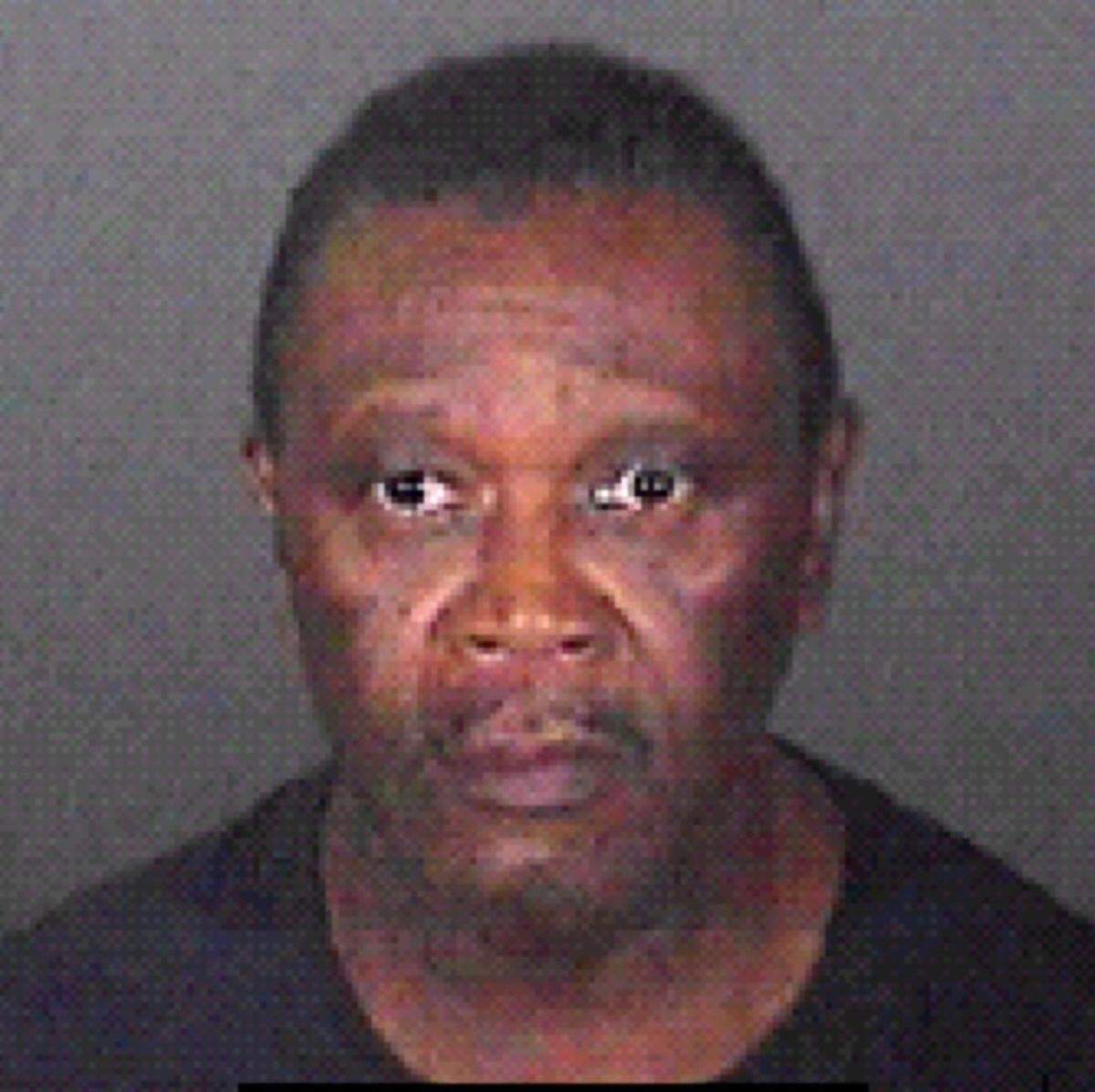
This photo released by the Los Angeles County Sheriff's Department, Thursday, April 30, 2009, shows suspected serial killer John Floyd Thomas Jr., 72, after he was arrested on March 31, 2009. Los Angeles County Sheriff's Department
What he did: He targeted women in an area known as the Figueroa Corridor, a section of Figueroa Street between Gage Avenue and 108th Street in South Los Angeles. At that time, the area was known for prostitution, drugs and violence. Many of his victims were raped and strangled.
Also known as: Scorecard Killer, Southern California Strangler, Freeway Killer
What he did: Kraft, who lived in Long Beach, raped, tortured and mutilated men in Southern California and Oregon. He got the "Scorecard" moniker from a coded list investigators found that referred to his victims. He's also known as the Freeway Killer because many of his victims' bodies were found near freeways.
William George Bonin, first California inmate killed by lethal injection, Feb. 23, 1996. California Department of Corrections and Rehabilitation
William George Bonin
Also known as: The Freeway Killer
Dates: 1979-1980
What he did: Bonin raped, tortured and murdered boys in Los Angeles County and Orange County. He received his moniker because many of his victims' bodies were found along freeways.
Victims: At least 21; all boys and young men. Bonin was convicted of 14 of the murders.
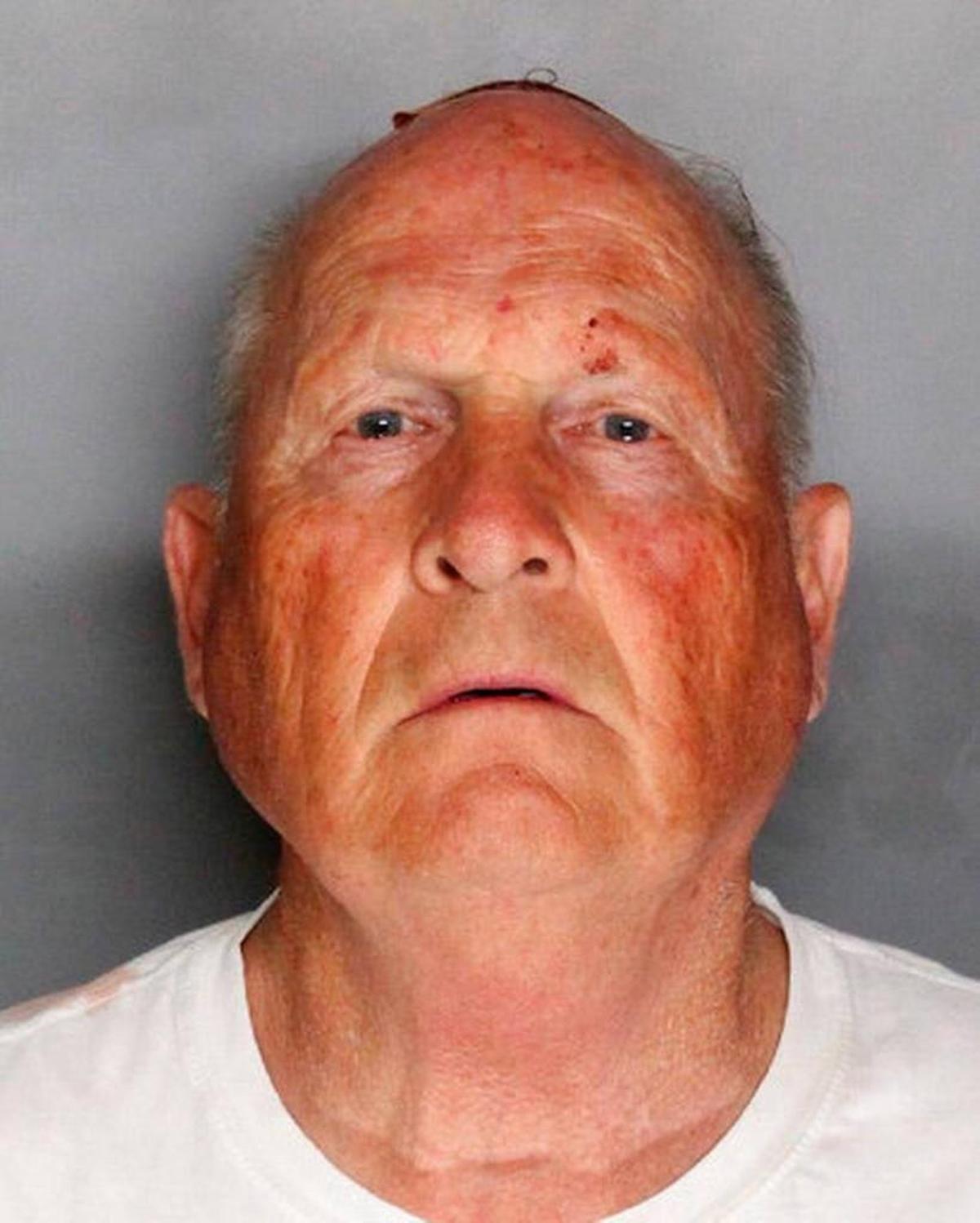
This undated law enforcement photo provided by the Sacramento County, Sheriff's Office shows Joseph James DeAngelo. DeAngelo, a suspected California serial killer who committed at least 12 homicides and 45 rapes throughout the state in the 1970s and '80s. DeAngleo was identified Wednesday, April 25, 2018, as a former police officer, an official said. Sacramento County Sheriff's Office via AP
Joseph James DeAngelo (suspected)
Also known as: Golden State Killer, East Area Rapist, Original Night Stalker, EAR/ONS, Diamond Knot Killer, Visalia Ransacker
Dates: 1976-1986
What he did: DeAngelo was arrested in April 2018 on suspicion of being the Golden State Killer — a name for the killer also known as the East Area Rapist, the Visalia Ransacker and the Original Night Stalker. The East Area Rapist operated in the Sacramento area and the Bay Area in the late 1970s; the Original Night Stalker raped and murdered victims in Southern California, in cities including Ventura, Dana Point and Irvine, from the late 1970s to the mid-1980s.
Victims: 12 murder victims, raped upwards of 45 women.
What he did: Stayner was a handyman at the Cedar Lodge motel in El Portal, just outside Yosemite National Park. Three of his victims stayed at the motel.
What he did: Corona hacked and stabbed farmworkers and buried them along the Feather River near Marysville.
Victims: 25 victims; all farm laborers.
Caught: 1971. A farmer who had contracted with Corona found a shallow grave in a peach orchard in Sutter County. Corona was arrested soon after, and authorities found evidence of the murders at his house.
Notes on other infamous California killers
This is the most recent photo of Charles Manson taken by the California Department of Corrections and Rehabilitation before he died. California Department of Corrections and Rehabilitation
Charles Manson is typically included as a serial killer for his role in the murders of seven victims, including pregnant actress Sharon Tate, in 1969. Manson orchestrated the killings, but did not take part; he directed his followers to murder. Manson and four of his followers were convicted in 1971. Manson died in 2017, while serving a life sentence at California State Prison in Corcoran.
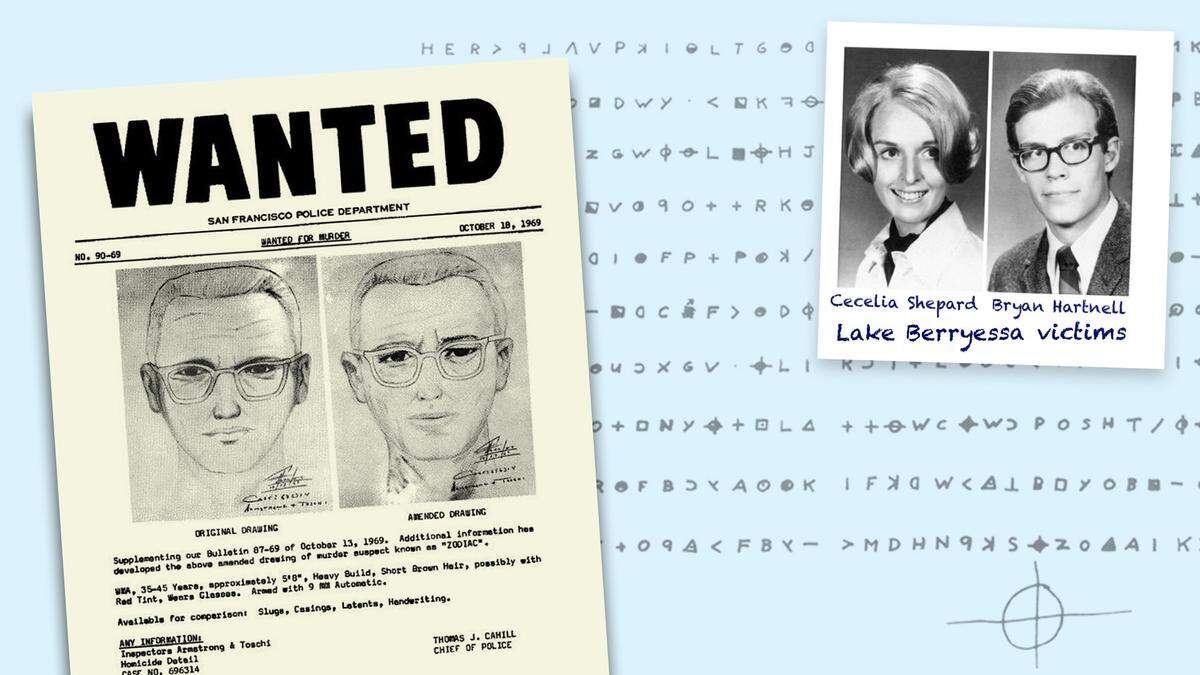
The Zodiac Killer was never caught. He is known to have attacked seven victims, killing five, in Benicia, Vallejo, Lake Berryessa and San Francisco. Two people survived, and the Zodiac claimed responsibility for many more deaths in letters, often signed with a symbol of a cross over a circle. Sacramento Bee photoillustration