
I teach Ethnic Studies in Paso Robles. It’s been a revelation
America’s difficulty in understanding the historic roots of inequality brings to mind David Foster Wallace’s story about the old fish who in passing asks the young fish “How’s the water?”
The young fish swims for a bit, thinks, and replies “What the hell is water?”
The most important truths are the ones that are invisible to us, and hardest to talk about. Racial discrimination in America continues to be one of those realities.
Recently, LA Times reporter Tyrone Beason wrote about efforts to build racial inclusion in Paso Robles. The Tribune also ran the article, highlighting in an editorial the praise and condemnation Beason’s reporting inspired. As subjects of Beason’s reporting, my students and I continue to be surprised by the misunderstandings swirling around the Ethnic Studies course at Paso Robles High School.
In 1831, Alexis de Tocqueville visited the U.S. and observed as an “outsider” the individualism, localism and religiosity of our young republic. He did more than sing the praises of an idealistic nation. He also lamented the “two great wounds” of America — the “eviction of the Indian Tribes” and the institution of slavery. Similarly, Beason, who travels the nation writing about matters of race, observed in Paso Robles what is invisible to many locals — that the idyllic charm belies a discomfort felt by many residents of color, who feel excluded and misrepresented in local decisions.
Clearly, Paso Robles is no outlier. So many communities in the U.S. have had to reckon with the ugly history of violence, segregation, antisemitism and explusion of Native Americans from their lands. The effects of racially restrictive housing policies and discriminatory hiring practices are still felt today. Discussions about Black Lives Matter protests, systemic racism and microaggressions toward people of color are not easy. We can’t ignore them and hope they go away. It will only continue the cycle of pain, protest and division.
Ethnic Studies is an important tool to both examine that painful past and seek ways to move forward. Ethnic Studies challenges the prevailing doctrine written by scores of historians before us that America is a nation of, by, and for white people. Ethnic Studies highlights the African-American, Latino, Asian and Indigenous stories that are just as much a part of American history. Ethnic Studies invites its students (and teachers) of all races and identities to explore our own individual identities within the unfolding story of this great nation, warts and all.
Last year, the Paso Robles school district grappled with how to teach a proposed Ethnic Studies course, with many board members expressing concern about the negative impact on white students and “un-American” ideas. A broad coalition of Paso Robles citizens, students and teachers advocated for the course, while others argued that it will teach “kids to hate their country and to hate each other.” The course was ultimately approved and has become an engine of positive change in student attitudes and campus culture.
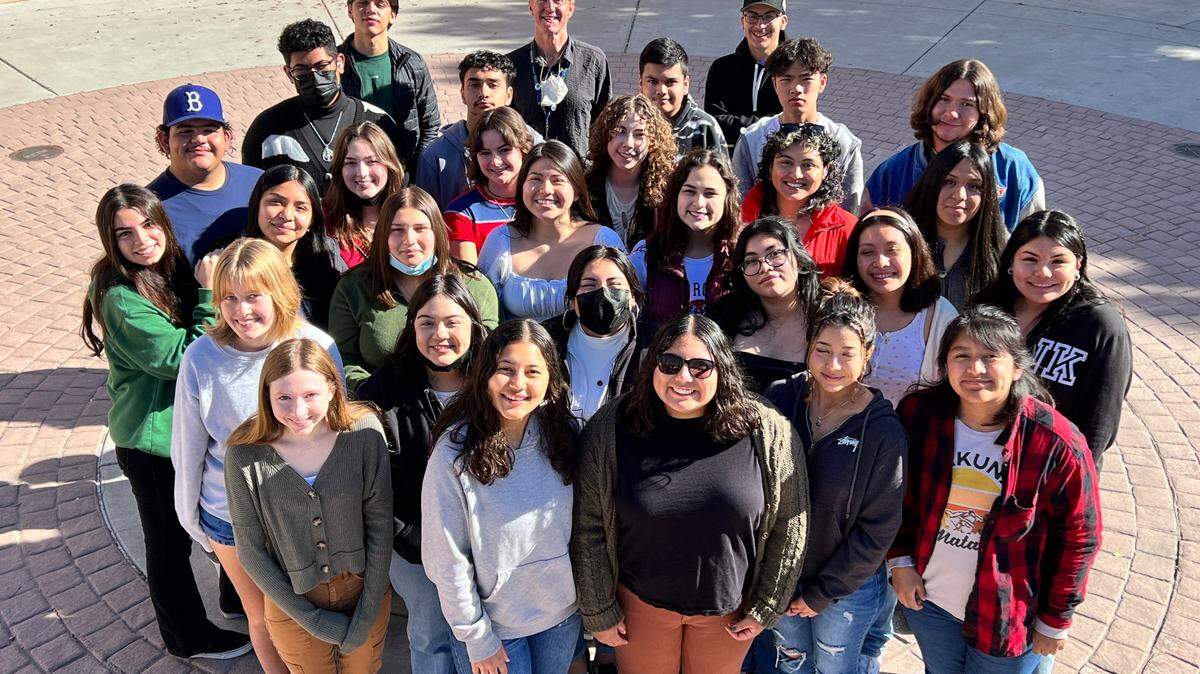
Teaching Ethnic Studies has been a revelation for me. When students see themselves and their future reflected in the curriculum, powerful learning occurs. We laugh, cry, argue, share poetry, plan cultural events, advocate for change and grapple with our roles within the arc of American history. We are partners in learning, working together to build a better future for ourselves and our country.
While some continue to be distracted by the threats of “Critical Race Theory” in our schools, at PRHS the Ethnic Studies class has brought new energy to campus. Students of all backgrounds have brought cultural events to the school, engaged with community leaders and advocated for more culturally diverse readings in their classes. They have created safe spaces for LGBTQ+ students, designed public monuments that honor Native Americans and celebrated their own multicultural identities. Their efforts are allowing marginalized students on campus to find a place, to be seen, and to be honored. It is transformational work, full of love and courage.
Beyond the high school, throughout SLO County, there are reasons for optimism as well. The Paso Robles Diversity Panel has been hosting community forums about racial justice. Celebrations surrounding Dr. Martin Luther King and Juneteenth are being expanded. Cuesta College is building a vibrant Ethnic Studies program and recently hosted its first annual Teach-in, organized by Professor Dr. Mario Espinoza-Kulick. Cal Poly’s Ethnic Studies Department serves as an important hub of resources for schoolwide efforts at research, education, inclusion and diversity. Statewide, California has approved a semester-long Ethnic Studies class as a requirement for all high school graduates starting in the fall of 2025.
Throughout our county, teachers and students are up to the task of examining the painful episodes from America’s past while maintaining an appreciation for America’s ideals. We see that inclusion of historically marginalized groups helps build community and challenges students to look beyond the textbooks.
My hope is that we — like De Tocqueville, Beason and the old fish — can make visible the invisible, and work to understand the roles of race, gender, ethnicity, class and sexual orientation in the formation of our communities. Ultimately, we must more actively support the beautiful and diverse cultures that exist here on the Central Coast. The greatness of our nation must rest on both its freedoms and a clear-eyed study of our multicultural and often racist past. The passion of our students and future leaders gives us hope for a more inclusive future and the “more perfect union” promised in our founding documents.
Geoffrey Land teaches Ethnic Studies, Government, and Dual Immersion World History at Paso Robles High School.
This story was originally published April 17, 2022 at 7:38 AM.