No public art honoring actual people? It’s our last chance to derail SLO’s flawed proposal
On Tuesday night, Jan. 21, the City Council will consider final adoption of a deeply flawed modification to the city’s Public Art Policy first proposed in July of last year.
I urge Tribune readers to contact their council member and/or the mayor to urge defeat, or at least delay, of this proposal.
This proposed change to the Public Art Policy would prohibit consideration of any public art project that honors an individual or actual person. The larger context of this proposal is, of course, the 2018 proposal by esteemed artist Paula Zima, supported by myself and several colleagues, to create the Theodore Roosevelt Conservation Legacy Grove in Mitchell Park.
Let us set aside any discussion of the merits or the flaws within our original proposal for the Roosevelt Grove to examine this proposal in terms of its impact on public art generally, and the way this community chooses to celebrate and honor our forebears. The mayor’s public art policy seeks to sanitize our landscape by banning any artistic representation that honors important people who have made significant contributions to our community.
For example, we now have a plaque with an engraved photograph of the late Ken Schwartz smiling upon us as we enter Mission Plaza from Chorro Street. Could such a representation be allowed under this policy? It’s doubtful.
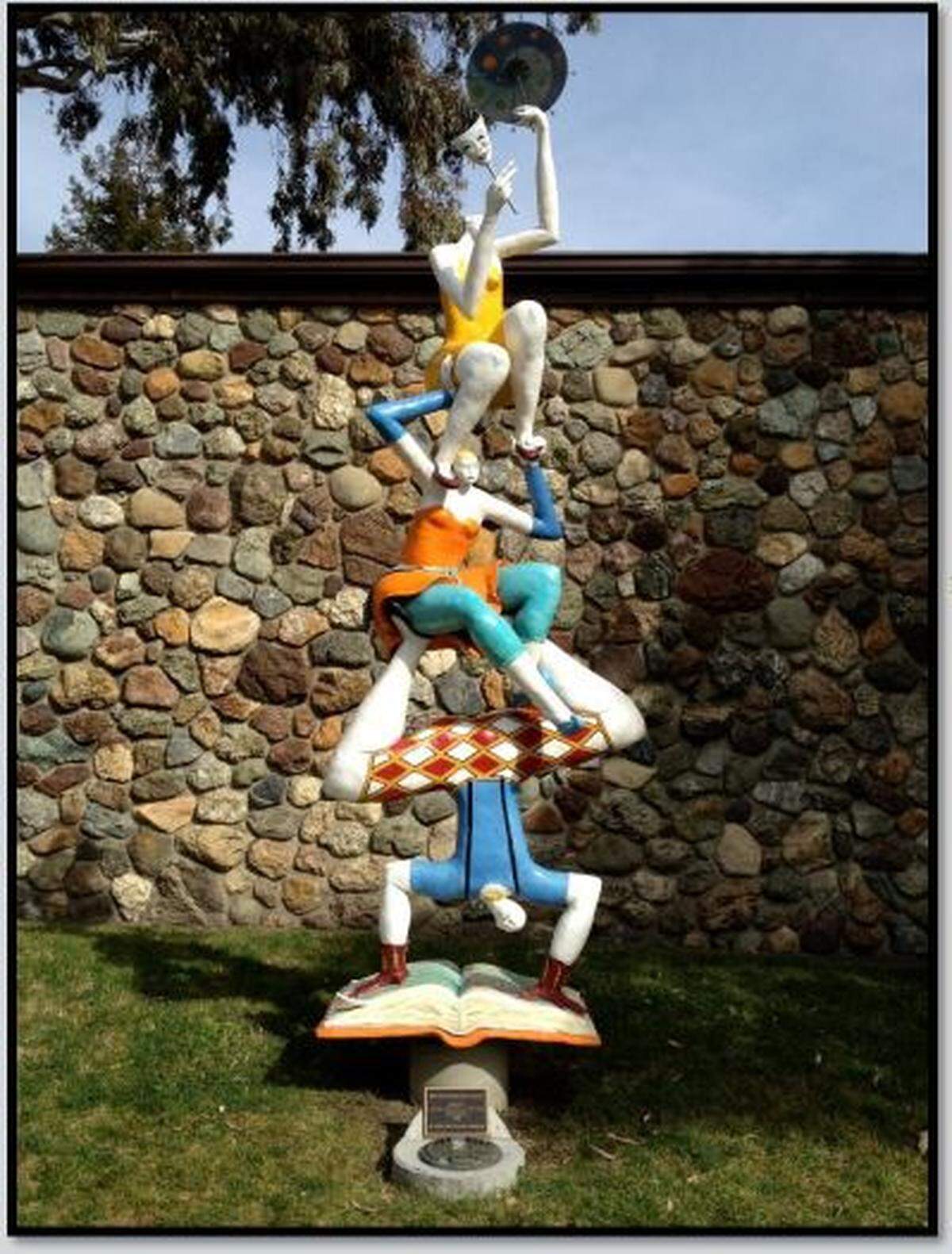
Strict application of the city’s proposed public art policy could also require removal of one of our most popular pieces of existing public art, BeeBee Works His Magic, installed in 2004 on the same block as City Hall in front of SLO REP theater to commemorate the life and work of the late Bill Beeson.
Bill was a tireless advocate for public art, and one of the founders our public art program in the early 1990s. You may not find Bill’s actual face in this fanciful sculpture by Stephen Plowman and Carol Paulsen, but you will certainly feel his spirit. And there’s little doubt that Bill Beeson would be spitting mad about this proposal to censor the free expression of this community’s artists.
Together with Dan Krieger, I have been working to bring to light — and to the city’s landscape — the story of our city’s courageous and longest-serving mayor, Louis Sinsheimer. In 1925, that Jewish elected official collaborated with the Catholic parish priest, Father Dan Keenan, and local Chinese merchant Ah Louis to combat the Ku Klux Klan, who had held a threatening rally with hundreds of hooded horsemen riding through Monterey Street. To counter the influence of the Klan, they organized the first La Fiesta and goosed the local mostly white, Protestant business community to pony up thousands of dollars — and the proceeds of their efforts went into the restoration of our Mission San Luis Obispo in the 1930s. La Fiesta itself continued to be celebrated throughout most of the 20th century.
Why should we not be open to a statue, a mural, a mosaic, or even a hologram of these three very diverse individuals somewhere in downtown San Luis Obispo? I would like to see that type of monument in the very heart of our community, Mission Plaza.
.jpg "John Ashbaugh (2).jpg")
It may well be that certain elements of the proposed policy change deserve support, including the idea that our public art should embrace the city’s commitment to diversity and inclusiveness. Such a change could win the endorsement of those who support our public art program, because public art should never be the exclusive property of the white, the wealthy, or the well-connected.
But we need ask our mayor and council members to avoid wreaking such dramatic change to our long-standing Public Art Policy. Among my concerns is the fact that the city has done little or nothing to engage the community in this proposal, a direct violation of the city’s own Public Engagement Policy. Instead, interested individuals and organizations were not notified of this proposed policy overhaul until Jan. 15, six days before the hearing. The did not even notify its own Art in Public Places Committee, nor the History Center of San Luis Obispo.
The proposed change to the city’s Public Art Policy does nothing to promote diversity and inclusivity for the community – in fact, it has the effect of diminishing the sense of community and the respect for individuality, achievement, creativity and public service that gives San Luis Obispo our unique vibe.
Please communicate your views about this proposed modification to the city’s public art policy by calling or writing the mayor and members of the City Council. Contact information is provided at the city’s website, https://www.slocity.org/government/mayor-and-city-council.
John Ashbaugh served four years on the SLO City Planning Commission and eight years on the City Council.
This story was originally published January 18, 2020 at 5:00 AM.