
Zoom meetings? Face masks? Handshake bans? What should carry over to a post-COVID world?
Finally, things are starting to feel sort of normal again.
We can eat indoors at restaurants (if we can get a reservation).
We can unmask among our (fully vaccinated) friends.
And we may soon be able to go to Disneyland (if we can afford it).
If this keeps up — and we don’t want to take that for granted, given the surges we’ve seen in the past — we can start rethinking some COVID customs, like buying toilet paper every time we go grocery shopping. Or giving side-eye to someone who sidles up just a little too close in line. Or worrying every time we cough or sneeze.
But we may not want to completely reverse course, because some changes — like hand sanitizer stations and curbside pickup — make sense, even for a post-pandemic world.
Here, in no particular order, are some COVID policies and practices worth keeping — and others we should absolutely ditch.
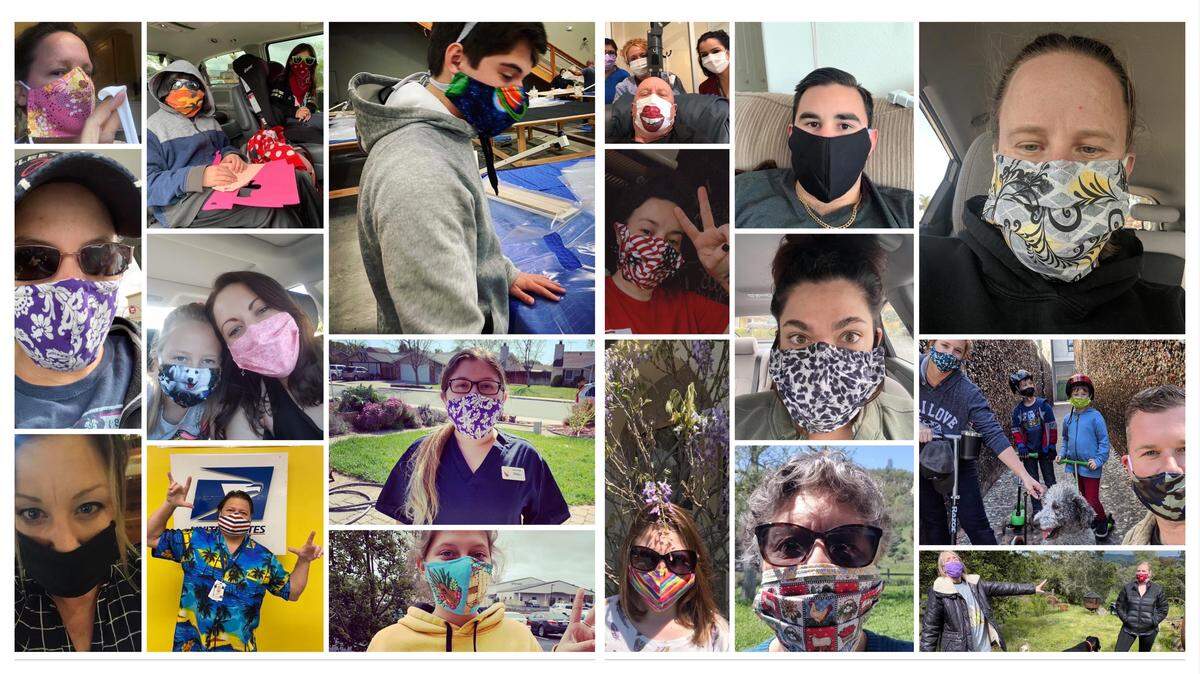
Face masks. Go ahead and burn, shred or otherwise mutilate any old, stinky, stretched-out face masks, after spending a moment or two appreciating the service they provided. If you have some never-been-used disposables, or cloth masks in decent shape, hang on to them.
Most of us now recognize that face masks aren’t the mark of a germophobe, but a courtesy we extend to others. There’s general agreement that frequent, year-round masking doesn’t make sense, but medical experts advocate their use during cold and flu season, especially if you’re feeling under the weather or someone in your family is sick. Masks also been shown to help people suffering from seasonal allergies.
Self-quarantining: If you’re sick with a communicable disease, STAY HOME. Showing up at work with a runny nose, hacking cough and a fever of 101 doesn’t make you a good employee. It makes you a threat to your fellow workers. And if schools haven’t already ditched those awful “perfect attendance” awards, now’s the time.
Elbow bumps. Awkward with a capital “A.” Ditch ’em. Not that we’re keen on bringing back the handshake. In fact, a Harris Poll conducted in December found that 54% of Americans “agree they would be happy to never shake someone’s hand again.” And at the beginning of the pandemic, Dr. Anthony Fauci famously said he doesn’t think we should “ever shake hands again.” We don’t expect handshaking to disappear completely, but maybe save if for truly worthy occasions, like sealing important business deals or meeting your potential in-laws.
Hoarding. Raise your hand if you actually cooked all those bags of dried beans you purchased early on. Or used up all three cases of spaghetti sauce. Or actually finished those 15 jigsaw puzzles. It’s time to stop buying in bulk, people.
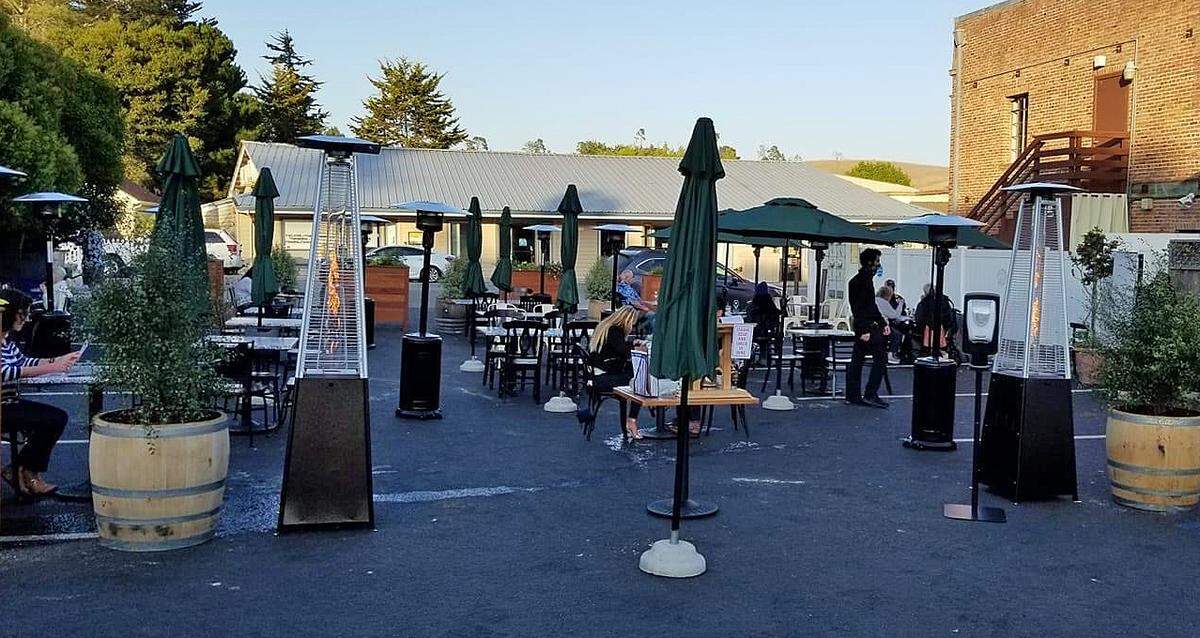
Outdoor dining. We had outdoor dining before COVID, but nothing like now. Impromptu dining rooms have sprung up in alleys, parking lots and even city streets. It isn’t so fun when the wind is blowing the napkins off the table and the staff can’t get the propane heater to light, but when the sun is shining and there’s an umbrella keeping the glare out of our eyes, it makes a great meal even better.
So let’s keep the sidewalk, patio, park (and parklet) dining wherever possible. And if those parklets are eating up too many precious parking spaces, the powers-that-be in local communities should consider adding off-street parking, because encouraging dining and shopping by providing plentiful parking not only helps local businesses, it also generates more tax revenue.
Curbside pickup. Absolutely, with one caveat. Could restaurants please, please, please ask us if we want utensils? The last thing our landfills need is a bunch of unused plastic sporks.
Cocktails to-go. These sound more impressive than they actually are. The allure of the restaurant cocktail isn’t just the alcohol, it’s also the presentation. Cocktails should be served in a real glass, with an impressive garnish of fresh fruit or maybe a sprig of lavender — not in a plastic to-go cup with a straw, unless you happen to be strolling around the French Quarter.
Limiting occupancy: From amusement parks to tasting rooms, many businesses now are requiring reservations in order to comply with COVID occupancy limits. It can put a crimp in spontaneity, but isn’t it nice not having to force your way through a wall of bodies to get a pour of chardonnay? If it makes sense from a business standpoint, we say keep the reservation system.
Travel in your own neck of the woods. For a while, Californians were advised to stay put, then the guidelines changed to allow trips of up to 120 miles. Now travel is starting to open up, but that doesn’t mean every vacation has to be to some exotic, far-away realm. According to the EPA, transportation accounts for 28.2% of greenhouse gas emissions, which makes it the single biggest polluter. Finding ways to limit it makes sense, given that climate change poses a far greater existential threat than the current pandemic.
Working from home. Another great way to reduce our carbon footprint. Plus, eliminating long commutes gives employees more free time to play with their pandemic puppies, though a steady diet of alone time can be soul-sucking. Going back to that Harris Poll, 66% of workers said they prefer a combo of in-office and remote work. How about it, bosses?
Zoom meetings. They can be long and painful and at times embarrassing, but if they cut down on vehicle miles traveled, they’re worth it for the sake of the environment. Also, family Zooms are a great way to stay in touch.
Mail-in voting. It took a pandemic to make it happen in California, but for the first time, every registered voter in the state got a mail-in ballot. Just look at the result: In 2020, California had the highest percentage of registered voters participate since 1952. And contrary to baseless rumors, there was no widespread fraud. Let’s make it permanent in all California counties.
“Virtual” everything: We ran virtual races, attended virtual wine tastings and went on virtual dates. The intentions were admirable, but some events are meant to take place in person. As soon as it’s safe, we need to get back to that.
Applause for essential workers: If we didn’t recognize it before, the pandemic brought home just how much we depend on health care and emergency service workers, for sure, but also on farmworkers, supermarket checkers, warehouse workers, delivery drivers, child care providers, cooks, gardeners, caregivers, social workers and a host of other employees who aren’t able to work remotely. While many of us hunkered down, safe in the confines of our homes, they put their own health at risk. It’s time to return the favor by supporting fair wages and working conditions throughout the pandemic and beyond.
Vaccination appreciation: COVID-19 vaccines are in the spotlight, but this is a good time to recognize the important role all vaccines play in keeping us safe from diseases that were once every bit as deadly as COVID. Ignore the anti-vaxxers and make sure you and your children are up to date on all your shots. Because as cliche and cringey as it sounds, we really are all in this together.
This story was originally published April 16, 2021 at 6:00 AM.