
I’m an older driver — and I want the DMV to bring back cognitive screening | Opinion
California is facing a growing and uncomfortable truth: Elderly drivers are increasingly involved in serious crashes on city streets, in parking lots and in other low‑speed environments where quick judgment and spatial awareness matter most.
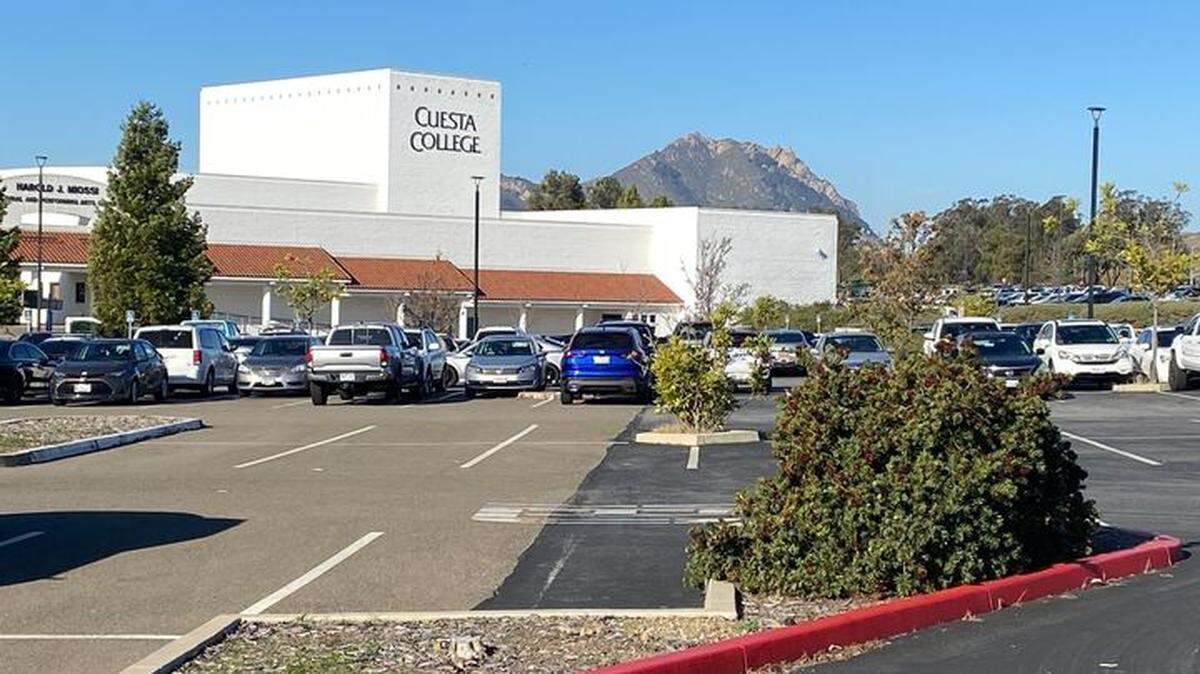
The recent case in San Luis Obispo County, where an elderly driver literally ran over a pedestrian in a parking lot, underscores how devastating these incidents can be even at slow speeds. According to news reports, the victim was struck and then run over by an older motorist who, witnesses reported, appeared confused and disoriented at the scene, a pattern that mirrors similar incidents across the state.
California’s demographic shift is accelerating this problem. The state now has more than 3.3 million licensed drivers aged 70 and older, a number expected to rise sharply over the next decade. While many seniors drive safely, age‑related declines in reaction time, depth perception and cognitive processing can make everyday driving tasks, especially navigating intersections, judging gaps or maneuvering in tight spaces, significantly more difficult. Research from the Insurance Institute for Highway Safety shows that older drivers are more likely to be involved in crashes at intersections and in parking lots, where misjudgment and pedal confusion are common factors.
California’s DMV policies, however, have not kept pace with these risks. The state requires drivers aged 70 and older to renew their licenses in person and pass a vision test, but does not require routine cognitive screening, even though cognitive decline is one of the strongest predictors of crash risk in older adults. The DMV outlines warning signs — getting lost in familiar places, difficulty judging distances, or frequent close calls — but these rely on self‑reporting or family intervention rather than systematic evaluation.
In 2024, California replaced the traditional written knowledge test with a no-fail online eLearning course, a change intended to reduce stress for seniors but that also removes one of the few standardized assessments previously required at renewal. The DMV still has the authority to require a behind-the-wheel test, but this occurs only when a specific concern is reported by a physician, law enforcement officer, or family member. In practice, this means many high‑risk drivers are never evaluated until after a crash occurs.
The legal framework further complicates matters. California cannot restrict or revoke a license based solely on age; the DMV must demonstrate that a driver is unsafe due to a medical or functional impairment. As legal analysts note, this leads to a cumbersome reexamination process involving medical forms, vision tests, and hearings — one that often suspends licenses for seniors who may still be safe drivers while simultaneously allowing others with unreported impairments to remain on the road.
The parking lot incident in Pismo Beach is not an anomaly. Across California, similar crashes have occurred in grocery store lots, school zones and residential neighborhoods. These are not high‑speed collisions but rather failures of judgment: hitting the accelerator instead of the brake, misjudging a turn or failing to see a pedestrian directly in front of the vehicle. These errors are precisely the kinds of impairments that vision tests cannot detect.
California needs a more proactive approach, one that balances safety with dignity. Routine cognitive screening for drivers over 70, short targeted road tests focused on intersections and low‑speed maneuvering and conditional licenses that limit driving to daylight hours or familiar areas could significantly reduce risk without stripping seniors of independence. Other states have already adopted such measures with positive results.
The goal is not to stigmatize older adults but to acknowledge reality: City‑street crashes involving elderly drivers are increasing, and the DMV’s current system is not designed to prevent them. The recent parking lot tragedy is a reminder that the cost of inaction is measured not in statistics but in human lives.
Jill Stegman is a 77-year-old resident of Grover Beach.