
High altitudes can wreak havoc on your cooking. Here are tips to avoid kitchen disasters
The higher the altitude, the lower the air pressure, and the greater the chance you will need to adjust the way you cook your favorite recipe, especially baked goods if you travel to or live in the high country.
Here is why.
Gravity accelerates trillions of air molecules toward the Earth’s surface and produces weight. The weight of the air is what we feel as pressure.
Imagine a square-inch column of air measured from the top of the atmosphere down to sea level — it would weigh about 14.7 pounds.
Typically, we don’t notice it because our bodies maintain an internal pressure that balances the external pressure. But swift changes in elevation can cause us to detect atmospheric pressure changes.
One local example can be found driving over the Cuesta Grade, which is 1,522 feet above sea level.
Maybe you have felt your ears “pop.” This is caused by your inner ear trying to equalize the pressure from the outside air.
The boiling point of water decreases as altitude increases. (The boiling point temperature of the water is when it changes its state/phase from liquid to gas.)
The boiling point of water is 212 degrees Fahrenheit or 100 degrees Celsius at the standard atmospheric pressure of 1013.25 millibars or 29.921 inHg.
At 2,000 feet of altitude, the boiling point drops to 208.4 degrees Fahrenheit or 98 degrees Celsius.
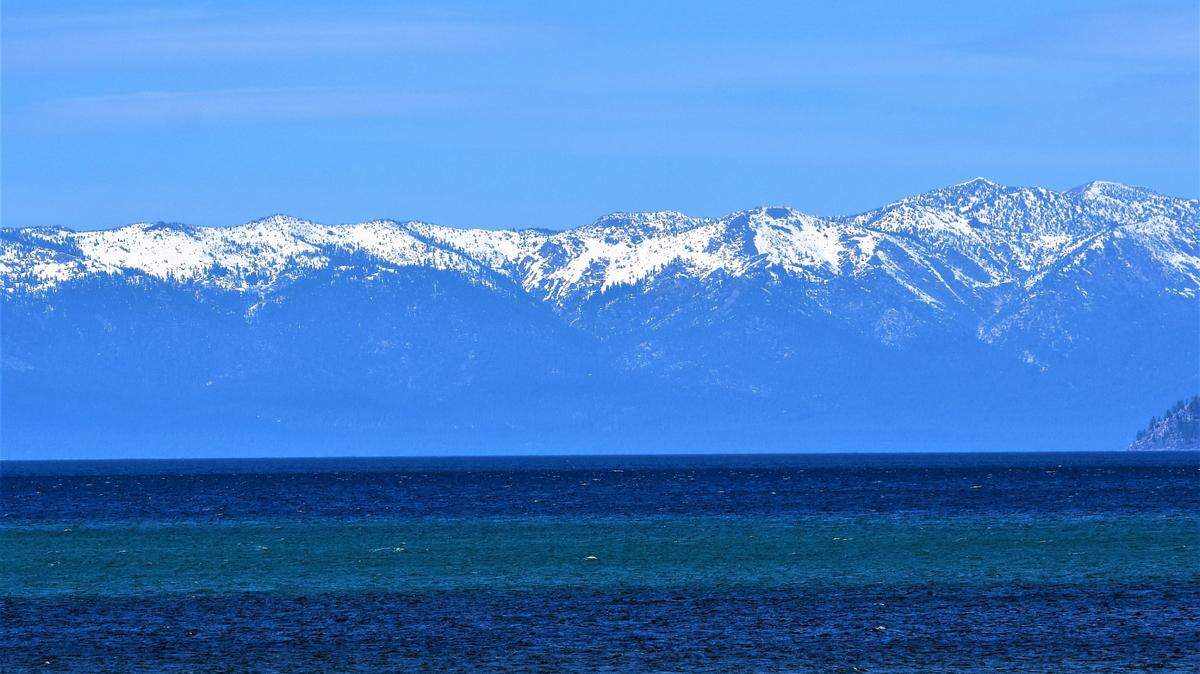
If you travel to Lake Tahoe, at about 6,200 feet above sea level, that temperature will decrease to 200.7 degrees. If, while at Tahoe, you decide to visit Heavenly Ski Resort with an elevation of 10,000 feet, the boiling point will lower to 193.6 Fahrenheit or 89.8 Celsius.
If you ever piloted an SR-71 Blackbird that could reach an altitude of around 90,000 feet, the boiling point is -37 degrees Fahrenheit or -38 degrees Celsius.
(By the way, the Fahrenheit and Celsius scales coincide at minus 40 degrees.)
Higher altitudes are excellent for athletic training, but they can play havoc with your recipes because of less air pressure.
Foods that you boil in water, will take longer to cook.
One of the distinct memories I have backpacking in the Sierra Nevada mountains as a teenager was how fast the water would come to a boil, but how much longer it took to cook the freeze-dried meals we carried in our backpacks.
Because of less air pressure, the gases (primarily carbon dioxide) in dough produced by leavening agents, such as yeast, baking soda, and powder, will expand more and rise faster than at sea level.
Cakes that look like they’re rising perfectly can abruptly collapse. The air at these higher altitudes typically has lower-relative humidity levels, which dries out the batter and dough faster.
Tips for cooking at higher altitudes
Here are some tips for cooking at higher altitudes, according to the Wheat Montana Bakery website.
- Oven temperature: Increase by 15-25 degrees Fahrenheit. Since at higher altitudes, evaporation happens faster, you’ll need to help your baked goods set up a bit faster in the oven by raising the temperature.
- Baking time: Decrease by 20% to 30%. This is to compensate for the increased oven temperature you’ll need at higher altitudes. A higher temp means a faster cook, so be careful not to overdo it.
- Flour: Increase by 1 tbsp at 3,500 feet, and by 1 tbsp per 1,500 feet. Adding flour helps to steady the rise of your baked goods and add structure to them as they grow in the oven.
- Sugar: Decrease by 1 tbsp per cup. Since liquids evaporate faster at higher elevations, the concentration of sugar goes up. Be sure to reduce to keep your cakes, brownies, and cookies from collapsing.
- Liquids: Increase by 1 to 2 tbsp per 1,000 feet, and 1 ½ tsp per additional 1,000 feet. It’s all about compensating for faster evaporation here — keep things from drying out and crisping up before they rise by adding a bit more liquid, whether it’s water, milk, oil or eggs.
- Baking powder/soda: Decrease by 20% above 3,500 feet, by 50% above 5,000 feet and by 75% above 6,500 feet. Reducing the amount of your leavening agents will help your baked goods to rise more gradually at higher elevations.
- Yeast: Decrease by 25% above 3,500 feet and account for a shorter rising time. Yeast breads will rise faster at higher elevations, but will collapse in on themselves if you don’t reduce the amount of yeast called for in the recipe.
PG&E has tips on how to plant safe trees
Planting the right tree in the right location helps promote fire safety, natural gas safety, reduces power outages and ensures beauty for years to come.
That’s why each year, PG&E likes to recognize and honor trees during California Arbor Week.
PG&E has many online materials, including free downloadable guides, with easy tips, charts and photos that help explain how, what and where to plant the safest trees for each area, located at pge.com/RightTreeRightPlace.
This story was originally published March 8, 2022 at 5:00 AM with the headline "High altitudes can wreak havoc on your cooking. Here are tips to avoid kitchen disasters."