
Here’s what Hawaiian trade winds can tell us about the future of Central Coast weather
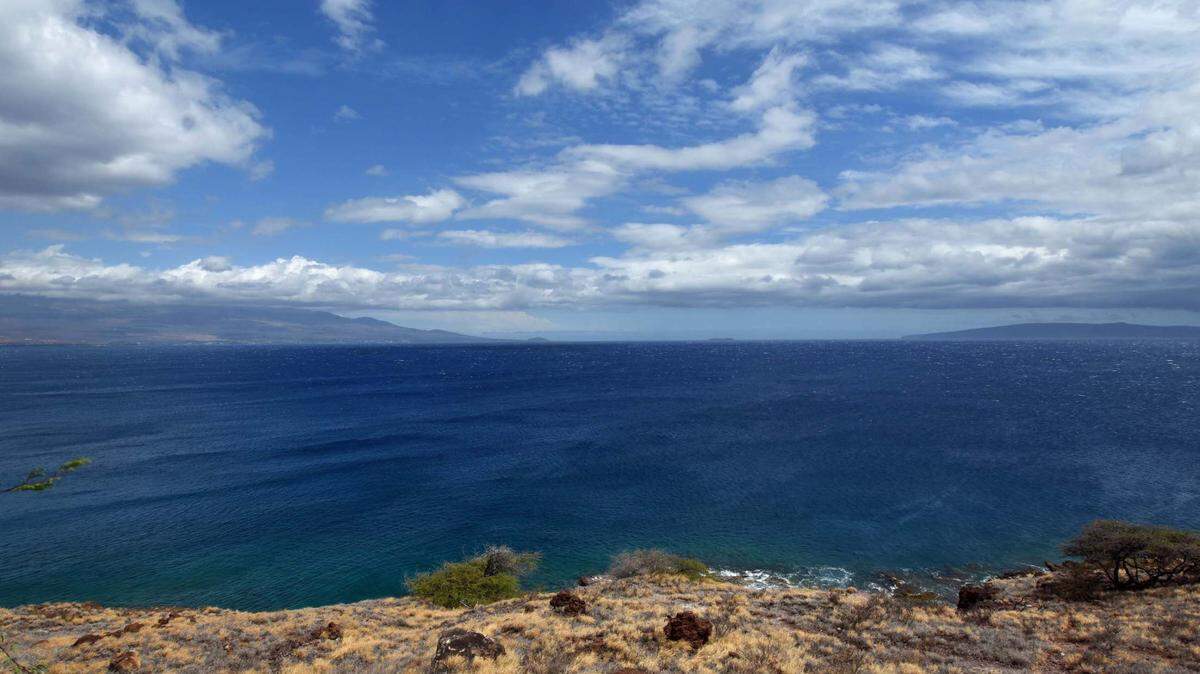
Our family visited the Hawaiian Islands earlier this month, and the easterly trade winds blew strong and continuously throughout the day and night.
These winds can provide an indication of a neutral or La Niña condition, and here is why.
The trade winds were named for their ability to quickly propel trading ships across the ocean.
Unlike the fickle winds of the Central Coast, where one day you may have Santa Lucia (northeasterly) winds during the morning, shifting out of the northwest in the afternoon or southerly winds before a cold front arrives, the trades blow continuously from one direction for months on end. In other words, they are highly predictable.
When these trade winds become weak or especially when they shift out of the west, it’s an indication of an El Niño event.
Typically, during non-El Niño years, lower pressure resides near Darwin, Australia. Meanwhile, about 5,000 miles to the east and on the other side of the dateline, higher pressure is present over French Polynesia.
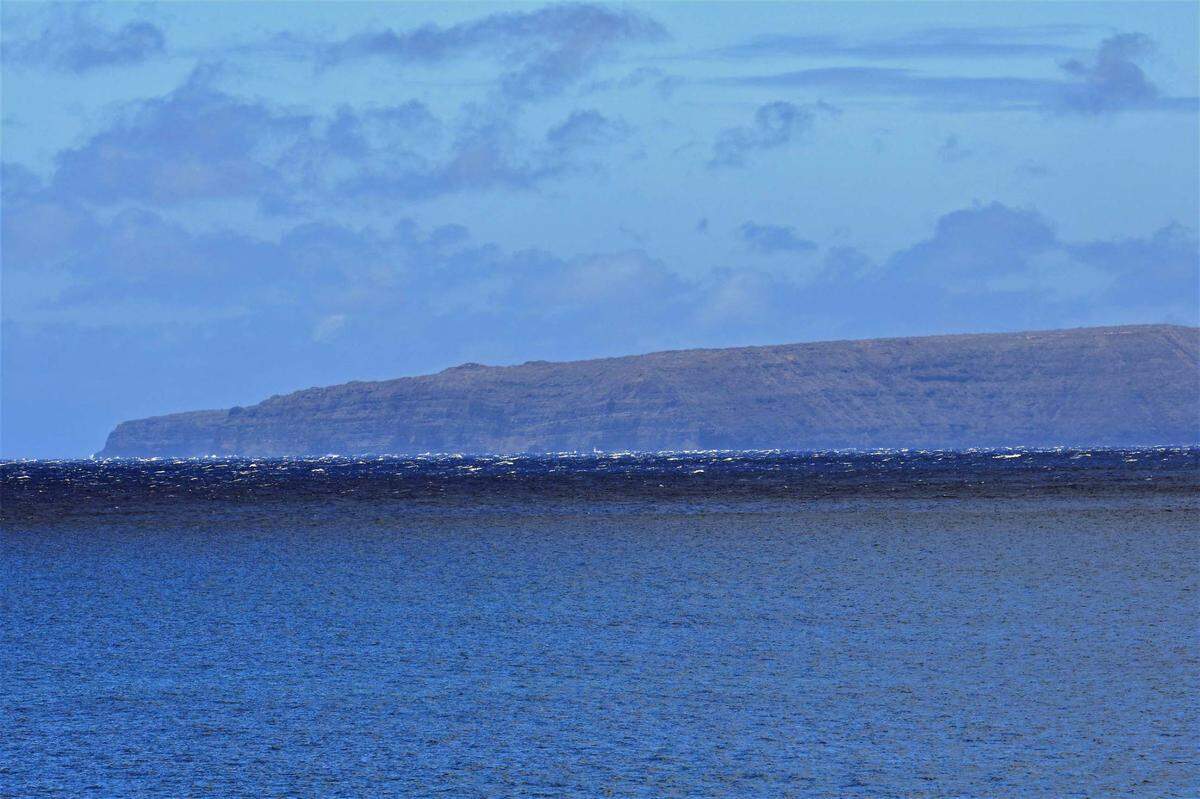
This condition, combined with the Coriolis effect, produces the easterly trade winds in the equatorial regions of the Pacific Ocean and pushes the warmer sea surface water to the west while creating upwelling and cooler seawater temperatures in the eastern basin of the Pacific.
For reasons that we don’t understand, the pressure difference between Northern Australia and Tahiti weakens.
This, in turn, causes the easterly trade winds to decrease or even reverse out of the west. Consequently, the near-surface ocean currents diminish or retrogrades eastward, producing warmer seawater temperatures along the western coast of South and Central America, and when strong enough, California.
Judging by the strength of the trade winds in Hawaii, it’s not all that surprising that the federal Climate Prediction Center issued a watch for La Niña in the heart of our upcoming rainfall season, November 2021 through March 2022.
What is La Niña?
So, what is La Niña? It is mostly ocean temperatures and the way the atmosphere responds to them.
Since 1950, the National Oceanic and Atmospheric Administration (NOAA) has used sea surface temperatures to categorize the amount of temperature that deviates from the average.
NOAA uses Niño 3.4, a region of sea-surface temperatures (SST) in the central equatorial area of the Pacific Ocean, as the standard for classifying El Niño (warmer- than-normal SST) and La Niña (cooler-than-normal SST) events.
The fortune-telling SST cycles in Niño 3.4 are categorized by the amount they deviate from the average SST over a three-month period.
The El Niño Southern Oscillation (ENSO) moves through El Niño, Neutral, or La Niña classification cycles on an approximately yearly frequency.
Neutral or weak La Niña and El Niño conditions typically do not produce reliable seasonal rainfall predictions along the Central Coast, but a moderate, strong or very strong Niño or La Niña classification does more times than not.
Overall, moderate or strong La Niña conditions typically produce lower-than-average winter rainfall. However, there have been a few La Niña years that have produced well above average rainfall amounts.
So how do these above- or below-average seawater temperatures in an area so far away have such a profound effect upon California’s weather?
The answer is in the winds, or, should I say, the upper-level winds.
During an El Niño, the warmer waters in the eastern Pacific produce a more considerable amount of evaporation.
As this water vapor ascends into the atmosphere, it often condenses into thunderstorms and releases tremendous amounts of latent heat, further decreasing the atmospheric pressure.
This area of low pressure changes the path of the southern branch of the polar jet stream, pulling it farther southward toward the Central Coast. This condition, in turn, brings the storms that produce precious rain and snow.
La Niña does just the opposite. It tends to drive the storm track further northward into the Pacific Northwest, leaving the Central Coast with fewer storms.
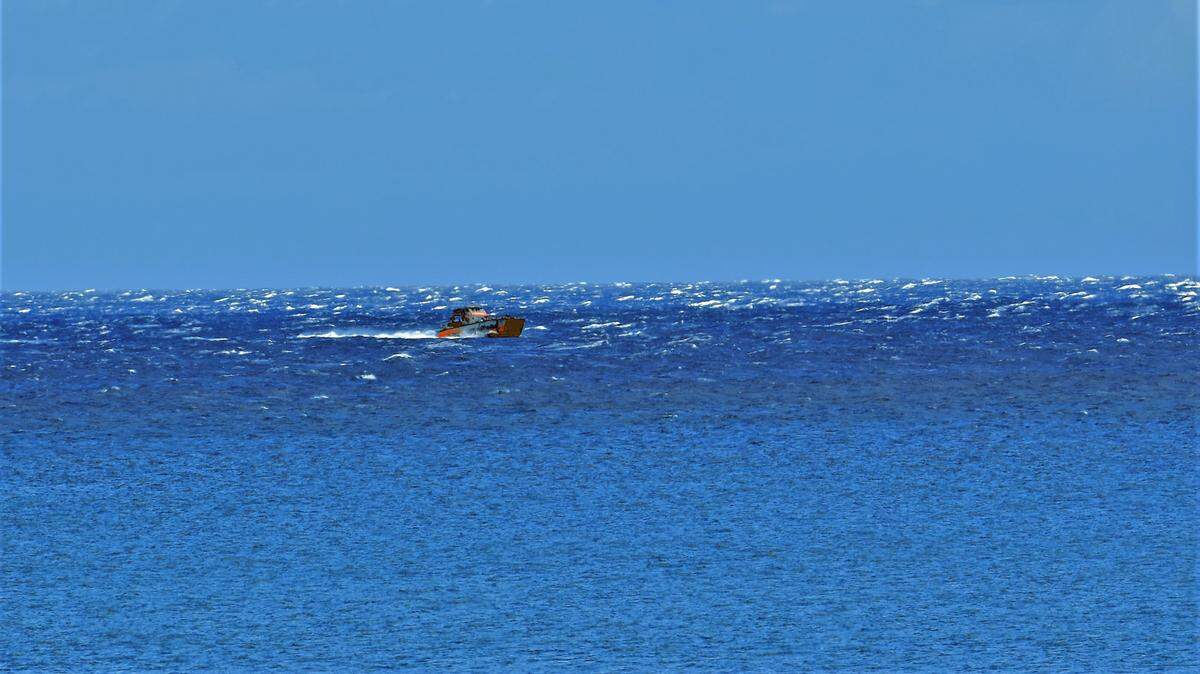
What about climate change?
How does climate change factor into ENSO?
First, many climatologists are surprised by the number of high-temperature records that have fallen despite being in a neutral or La Niña condition over the last few years.
La Niña produces a more significant amount of upwelling and acts as a gigantic air conditioner for the Earth.
Secondly, these warmer temperatures lead to the intensification of the global water cycle, which is hypothesized to produce more prolonged droughts, but more intense rainfall events.
As air warms, its capacity to hold water vapor increases, raising the threat of floods.
As bad as the current drought is, and it is terrible, I worry more about more extreme rainfall events and the floods they can produce. This was illustrated recently when unprecedented intense rainfall led to floods in Germany and Tennessee..
According to the National Weather Service, up to 17 inches of rain was recorded in 24 hours in Humphreys County, Tennessee, shattering the previous daily record for the sate by three inches!
PG&E message
The wheels on the bus still go ’round and ’round, but in several communities in Northern and Central California, school buses will soon be powered by clean electricity.
PG&E is helping school districts in its service area as they transition to electric buses, supporting cleaner air, lower maintenance costs and quieter rides.
Through its EV Fleet program, PG&E is working with more than 30 school districts adopting about 350 electric buses. To learn more, please visit pgecurrents.com.