Storm could bring flooding, thunderstorms to SLO County. When will rain start?
A significant winter storm will bring heavy rains, powerful winds and a chance of thunderstorms and flooding to San Luis Obispo County at the peak of the holiday season.
The atmospheric river-fueled system is set to soak the county through Christmas Day, according to the National Weather Service’s forecast discussion.
“Significant flooding issues are likely along with the potential for strong thunderstorms,” the weather agency said.
The storm could bring around 3 to 5 inches of rain in coastal valleys, with as much as 8 inches of rain in more mountainous parts of SLO County, the National Weather Service said.
Strong wind gusts could blow up to 40 mph in urban areas and up to 80 mph in wind-prone areas.
There’s also a chance of “weak, short-lived, tornadoes or waterspouts” while the storm is underway on Christmas day, according to the agency’s forecast discussion.
Flood watch, high wind warning issued in SLO County
The National Weather Service issued a flood watch in effect from 4 p.m. Tuesday through 10 p.m. Thursday, for all parts of the county.
“Significant and widespread flooding caused by excessive rainfall will be likely, with potential debris flow impacts across recent burn scars,” the Weather Service warned.
There’s also risks of major rock and mudslides and a rapid rise of rivers, streams and creeks during downpours, according to the flood watch.
High rainfall rates could potentially exceed one inch per hour during the height of the storm Tuesday night into Wednesday, the National Weather Service said.
The agency also issued a high wind warning for all of SLO County that will be in place from noon on Tuesday through 3 p.m. on Thursday.
Winds are expected peak Tuesday night into Wednesday with “damaging gusts” up to 70 mph, according to the wind warning.
“Widespread downed trees and power lines likely, as well as the potential for power outages and property damage,” the National Weather Service said.
The agency warned that holiday travel will be difficult and mountain roads will be particularly dangerous during the storm.
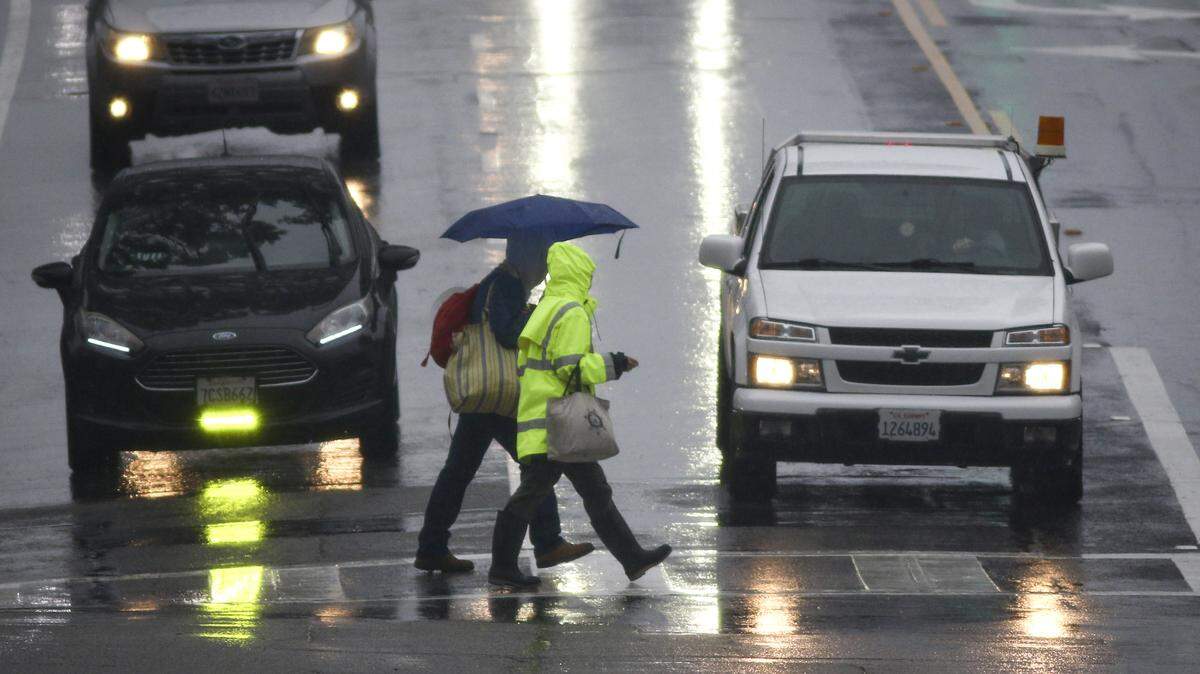
When will rain start to fall in SLO County?
According to the National Weather Service’s latest 7-day forecast for SLO County, rain is expected to start after 4 p.m. Tuesday with wind gusts reaching up to 45 mph.
Rain and thunderstorms are possible after 10 p.m. Tuesday night, with powerful winds up to 45 mph.
“Some of the storms could produce heavy rainfall,” with up to 2 inches of precipitation possible overnight, the forecast said.
There is a 100% chance of rain Wednesday with nearly an inch of rain likely during the day. Gusts of wind could reach up to 40 mph.
Christmas Day will also be rainy and windy, according to the forecast. Precipitation amounts could reach up to an inch and winds could blow up to 40 mph.
Rain will continue Friday before sunny conditions return to SLO County on Saturday, the National Weather Service said.

How to prepare for atmospheric river storm
Local officials called on SLO County residents to take precautions ahead of the atmospheric river storm.
The city of Paso Robles urged community members to review disaster plans and prepare supply kits, as well as avoid any unnecessary travel.
“Allow extra travel time,” the city said in a news release. “Never drive through flooded roads, watch for debris and poor visibility, delay travel if unsafe.”
Residents should prep their homes for the storm by clearing gutters and storm drains, securing outdoor items and charging batteries and phones, the city said.
Paso Robles also has sand available at the City Streets Yard, 1220 Paso Robles St., it said in a Monday news release.
Sandbags help “form a temporary sturdy barrier to divert water away from vulnerable areas,” the SLO County Office of Emergency Services said in a social media post.
PG&E advised Californians to never touch downed wires and to use generators safely during the storm, it said in a news release.
The utility company also said people should use flashlights instead of candles to reduce the risk of fires.