
SLO County weather forecast: Foggy at the beach and warm inland
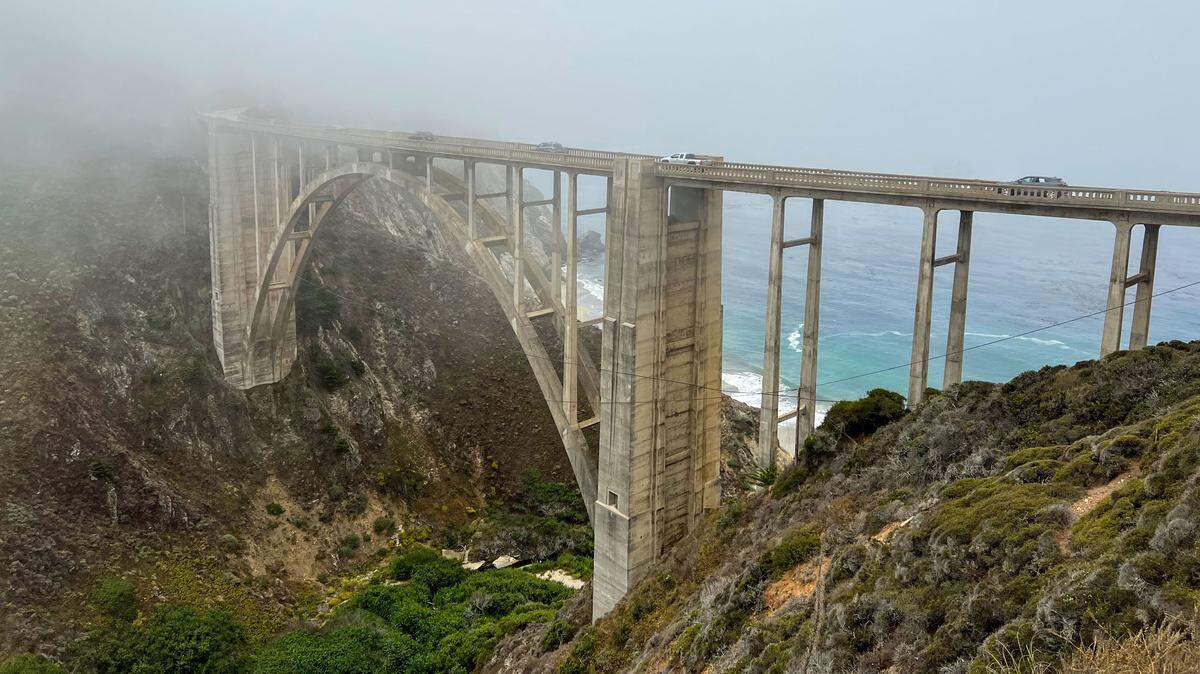
The Central Coast can expect lower-than-usual temperatures and an abundance of low, coastal clouds through next week. In other words, the weather pattern is beginning to resemble Groundhog Day — gloomy weather on repeat.
The 2024-25 rainfall season officially ends on Monday, and it brought disappointing rainfall totals for much of the Central Coast.
In classic La Niña fashion, many Central Coast areas received only 50% to 65% of their average seasonal rainfall.
Two notable exceptions stood out: Rocky Butte, in the northwestern corner of San Luis Obispo County, reached 87% of normal rainfall, while the Santa Barbara Municipal Airport lagged far behind with just 41%.
A dry May and June further depressed overall seasonal totals. By the end of June, here’s how rainfall totals looked:
- Paso Robles Municipal Airport: 7.1 inches (57% of average)
- San Luis Obispo County Regional Airport: 11.9 inches (65% of average)
- Santa Maria Public Airport: 7 inches (51% of average)
- Santa Barbara Municipal Airport: 7 inches (41% of average)
Meanwhile, the broader atmospheric pattern remains stuck. High pressure continues to dominate east of the Rocky Mountains, fueling hot and humid conditions with daily thunderstorms and potentially severe weather.
In contrast, a trough of low pressure anchored along the California coast will continue to generate moderate to fresh (13 to 24 mph) northwesterly afternoon winds, which will ease overnight and into the morning.
This condition will support the development of the marine layer each night, bringing areas of fog and occasional drizzle along the beaches and coastal valleys. Many beaches will remain mostly overcast, with only limited afternoon clearing.
Slightly below seasonal temperatures are expected this week. Inland valleys like Paso Robles will warm into the high-80s and low 90s, while coastal valleys such as San Luis Obispo will range between the high 60 to low 70s. Most beaches will see highs in the high 50s to low 60s.
Looking ahead, long-range models indicate continued dry weather through at least the first week of July. Inland regions can expect significantly warmer temperatures, while the coast will likely remain socked in with widespread marine low clouds for the Fourth of July weekend.
Surf report
A 3- to 5-foot northwesterly (290-degree deep water) swell (with an 8- to 11-second period) is forecast along our coastline through Wednesday morning, increasing to 5 to 7 feet with the same period on Wednesday afternoon through Thursday. This northwesterly swell will further increase to 7 to 9 feet (with a 9- to 12-second period) on Friday.
A 1- to 3-foot southern hemisphere (210-degree deep water) swell (with a 15- to 17- second period) will arrive along our coastline on Thursday and will remain at this level through Friday, gradually fading away Saturday.
Surface seawater temperatures will range between 52 and 54 degrees through Wednesday, gradually warming on Thursday through next Sunday.
On this date in weather history (June 29)
1901: There was a rain of fish from the sky at Tiller’s Ferry in South Carolina. Hundreds of fish swam between cotton rows after a heavy shower. (David Ludlum)
1915: The temperature at Fort Yukon, Alaska, soared to 100 degrees to establish a state record. (The Weather Channel)
1957: Hurricane Audrey smashed ashore at Cameron, Louisiana, drowning 390 people in the storm tide and causing $150 million of damage in Texas, Louisiana and Mississippi. The hurricane left only a brick courthouse and a cement icehouse standing at Cameron, and when the waters settled in the town of Crede, only four buildings remained. The powerful winds of Hurricane Audrey tossed a fishing boat weighing 78 tons onto an offshore drilling platform. Winds along the coast gusted to 105 mph, and oil rigs near Louisiana reported wind gusts up to 180 mph. A storm surge greater than 12 feet inundated the Louisiana coast as far as 25 miles inland. This was the deadliest June hurricane in United States history. (David Ludlum)
This week’s temperatures
LOWS AND HIGHS, PASO ROBLES
SUN | MON | TUE | WED | THU | FRI | SAT | SUN |
55, 90 | 53, 88 | 51, 89 | 54, 91 | 54, 89 | 52, 90 | 51, 88 | 53, 90 |
LOWS AND HIGHS, SAN LUIS OBISPO AND COASTAL VALLEYS
SUN | MON | TUE | WED | THU | FRI | SAT | SUN |
53, 73 | 52, 70 | 51, 69 | 52, 70 | 52, 69 | 53, 71 | 52, 70 | 54, 72 |
John Lindsey is a retired PG&E marine meteorologist. Email him at JohnLindseyLosOsos@gmail.com or follow him on X @PGE_John.