
SLO County weather forecast for the week of Jan. 10: Dry and windy with big waves
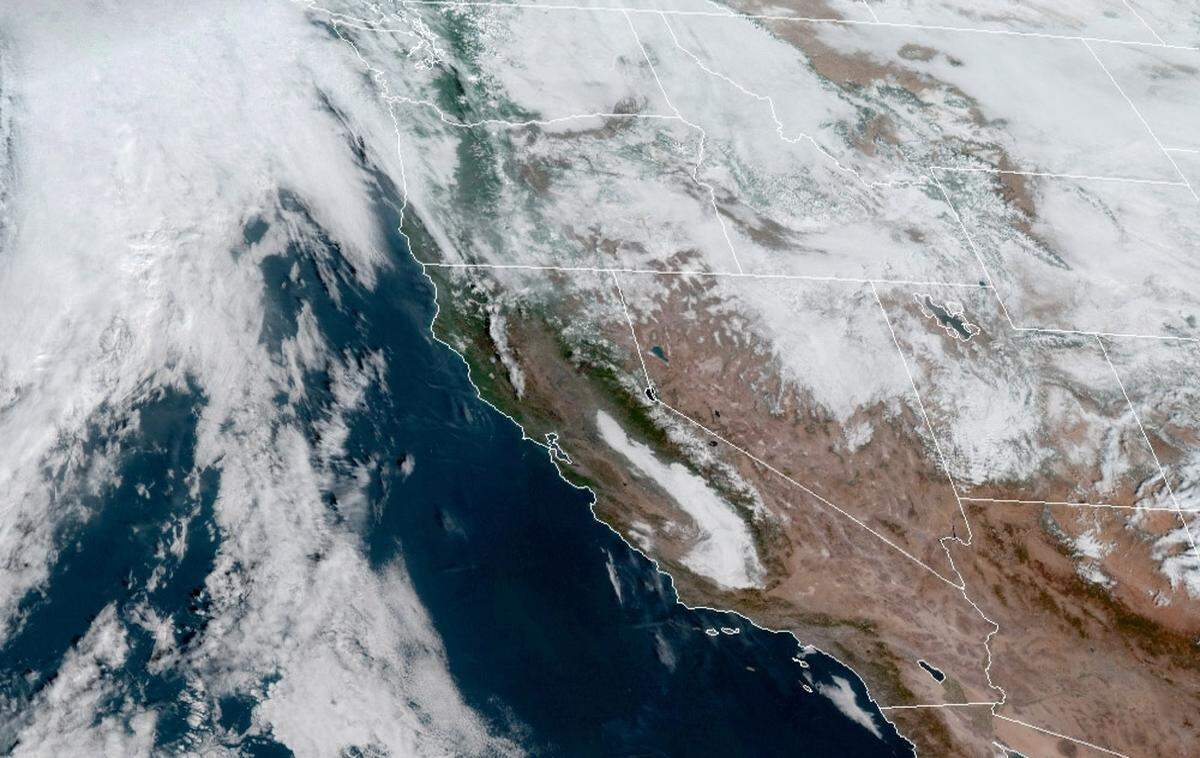
It appears that what I call the “Ridiculously Resilient Ridge of High Pressure” made famous by the previous drought, will continue.
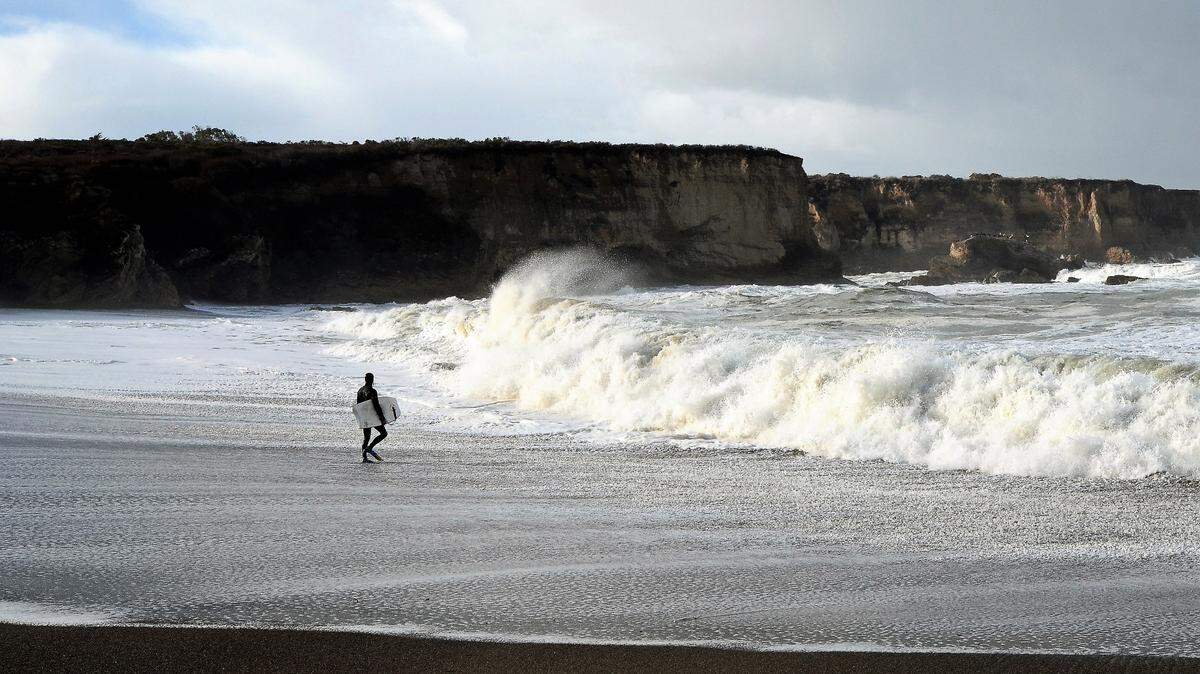
In a classic La Nina pattern, the jet steam has taken a more northerly track and has carried most of the winter storms that have marched across the Pacific into the Washington, Oregon and Northern California. However, the Central Coast will continue to see the effects of these storms by the way of large waves along the coastline this week.
A pattern of fresh to strong (19 to 31 mph) and at times gusty Santa Lucia (northeasterly) winds developing during the night and morning, shifting out of the northwest during the afternoon will continue through this week.
Overall, except for variable high-level clouds, night and morning ground fog in the inland valleys and persistent tule fog in the San Joaquin Valley, fair and dry weather will continue through mid-January.
Daytime highs are expected to range from the 60s and 70s with overnight lows in the 30s and 40s. These is chance that the inland valleys (San Luis Obispo) could hit the 80s by Thursday and Friday.
Persistent northwesterly (onshore) winds will allow the marine layer with areas of fog and mist to develop in the coastal regions this upcoming weekend with cooler daytime highs.
Surf report
A 956-millibar storm with hurricane-force winds that generated 59-foot seas about 1,800 miles to the west of California on Friday will continue to move northwestward toward British Columbia. High-energy northwesterly (290-degree, deep-water) swell from this storm will arrive along the Central Coast on Sunday morning at 4 to 6 feet (with a 22- to 25-second period), rapidly building to 13 to 15 feet (with an 18- to 20-second period) by Sunday afternoon and night. This swell will decrease to 9 to 11 feet (with a 15- to 17-second period) on Monday. Note: Swell heights will be higher along the northwesterly facing beaches and the offshore marine buoys.
A 5- to 7-foot northwesterly (300-degree, deep-water) swell (with a 22- to 25-second period) will arrive along coastline on Tuesday morning, increasing to 9 to 11 feet (with an 18- to 20-second period) on Tuesday afternoon into Wednesday. This northwesterly swell will decrease to 7 to 9 feet (with a 15- to 17-second period) on Thursday.
A 5- to 7-foot northwesterly (310-degree, deep-water) sea and swell (with a 7- to 22-second period) is forecast to arrive along our coastline on Friday, peaking next Saturday and Sunday at 12 to 14 feet (with a 7- to 17-second period).
Seawater temperatures will range between 54 and 56 degrees through next Sunday.
This week’s temperatures
LOWS AND HIGHS, PASO ROBLES
SUN | MON | TUE | WED | THU | FRI | SAT | SUN |
32, 66 | 34, 68 | 34, 69 | 37, 70 | 38, 73 | 40, 74 | 40, 72 | 41, 73 |
LOWS AND HIGHS, SAN LUIS OBISPO AND COASTAL VALLEYS
SUN | MON | TUE | WED | THU | FRI | SAT | SUN |
41, 72 | 42, 73 | 42, 73 | 44, 76 | 46, 79 | 47, 78 | 48, 76 | 49, 70 |
PG&E safety tip
Please don’t become a statistic. The relatively low height of Sunday morning’s swell could lull you into a false sense of security. These extremely long-period swells can produce sneaker waves that can appear without warning. As the swell rapidly builds on Sunday afternoon and night, some waves could surge more than 150 feet up the beach. Many have been killed after being swept off rocks by a wave into the frigid and unforgiving Pacific. If you go to the coast to watch those waves, never turn your back on the ocean. Also, stay physically distant from others, wear a mask, and remain situationally aware of your surroundings.
John Lindsey’s is PG&E’s Diablo Canyon marine meteorologist and a media relations representative. Email him at pgeweather@pge.com or follow him on Twitter @PGE_John.