
Where do candidates for SLO mayor and City Council stand on the issues?
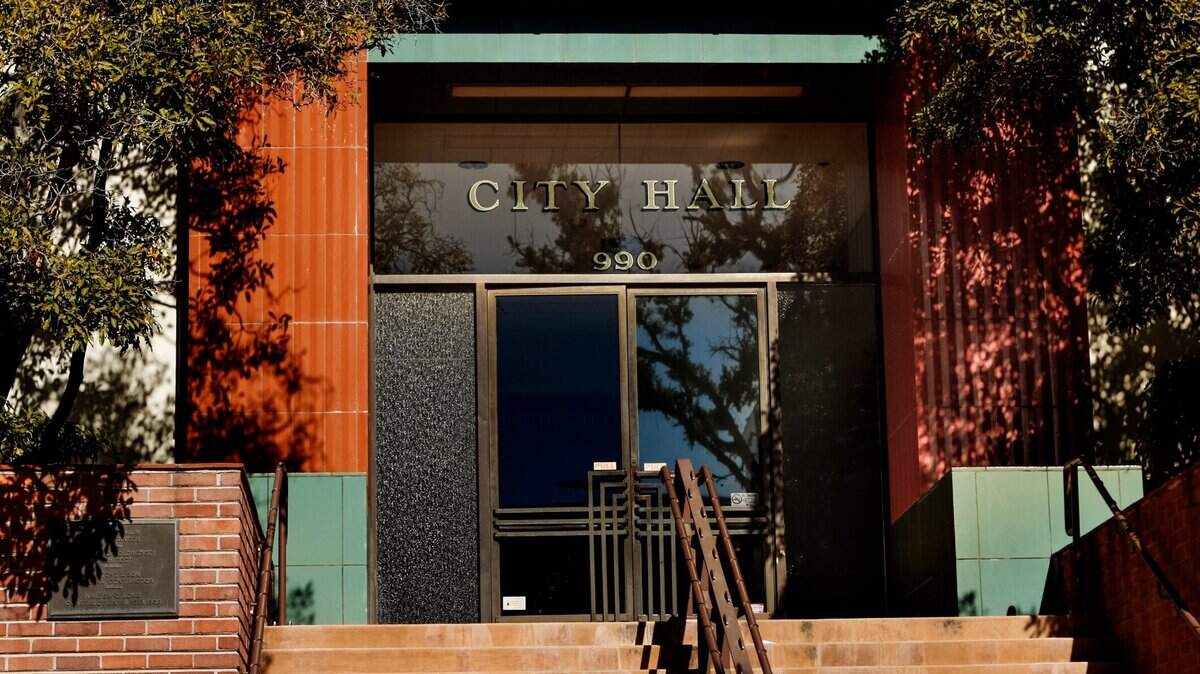
In the November election, eight candidates are on the ballot in San Luis Obispo, four running for mayor and another four running for two open seats on the City Council.
The candidates for mayor are Donald Hedrick, Richard Orcutt, Jeffrey Specht and Erica A. Stewart. The candidate for City Council are Joe Benson, Emily Francis, Michelle Shoresman and James Papp.
Hedrick and Specht did not respond to a request to participate in the Voter Guide.
Here are the remaining candidates’ responses, organized by candidate and in alphabetical order.
Editor’s note: Some responses have been edited for length or clarity.
Mayor
Richard Orcutt
What is your vision for what the city should look like in five years? 10 years?
My vision is this city being the gem it once was within one year of electing a moderate majority available on the current ballot — myself and the two guys running for City Council: a safe, pleasant, bustling downtown; clean, quiet neighborhoods; and open, kid-friendly parks. Controlling spending, stopping unneeded capital improvements, and stopping unwanted development would return fiscal resiliency to us.
What do you believe is the most important issue facing the city today, and what will you do to address it?
This is two-fold and accelerating in the years since I retired from the City of San Luis Obispo Fire Department. They are, of course, homelessness and street crime. To address these, I would house and feed the homeless, utilizing buildings and a kitchen already in place on Kansas Avenue; make parking free throughout the city; and change the Parking Enforcement Bureau into rangers to handle non-emergency calls for service, which would free up our Police Department to bring street crime to a halt.
How do you feel about the city’s response to homelessness, and what specific policies, solutions on that front would you pursue if elected?
The city’s response to homelessness, thus far, is what I call “wasted dollars,” as the situation has grown continually worse. Homeless housed are no longer homeless, homeless housed and fed is the bedrock, the starting point of ending homelessness. I would initiate a program called “Housing Without Limits,” which would provide lodging and meals. Buildings and a kitchen are already in place on Kansas Avenue.
San Luis Obispo is known as one of the least affordable communities in the nation. What would you do to improve local affordability to help ensure lower-income residents and families are able to live in SLO in the future?
I believe this is one of the most important issues in the city’s future sustainability. We simply need more housing, and that housing needs to be more affordable. We can build upward or we can build outward, somewhat simplistic but true. I’m drawn to what’s called “infill” — increased density. Affordable living units in the downtown would be a place to start, maintaining the character and tranquility of our suburbs.
In recent years, the city of SLO has pursued an aggressive environmental strategy, with a goal to achieve carbon neutrality by 2035. If elected, what policies would you pursue to further this goal? What changes would you like made to the city’s environmental strategy?
Carbon neutrality can be instantly, exponentially increased by providing a free shuttle service for city and county employees to and from work, eliminating thousands of SOV (single-occupant vehicle) trips a day, thereby eliminating work commute costs for our employees. The second benefit of this shuttle service would be the elimination of employees’ cars that sit in our parking structures all day, as these spaces are needed for folks who patronize our downtown.
Downtown has a number of large, significant vacancies after longtime businesses have shuttered. What is your vision for the downtown corridor and what would you do on the City Council to realize that vision?
As a member of a moderate majority on the City Council, we would make parking free, close the downtown streets after the delivery trucks leave and let the merchants run amok daily in this new space. With our three conveniently located parking structures (now free), folks would park and stroll into our pedestrian and family-friendly downtown. I say our downtown will be back on its feet in a matter of months.
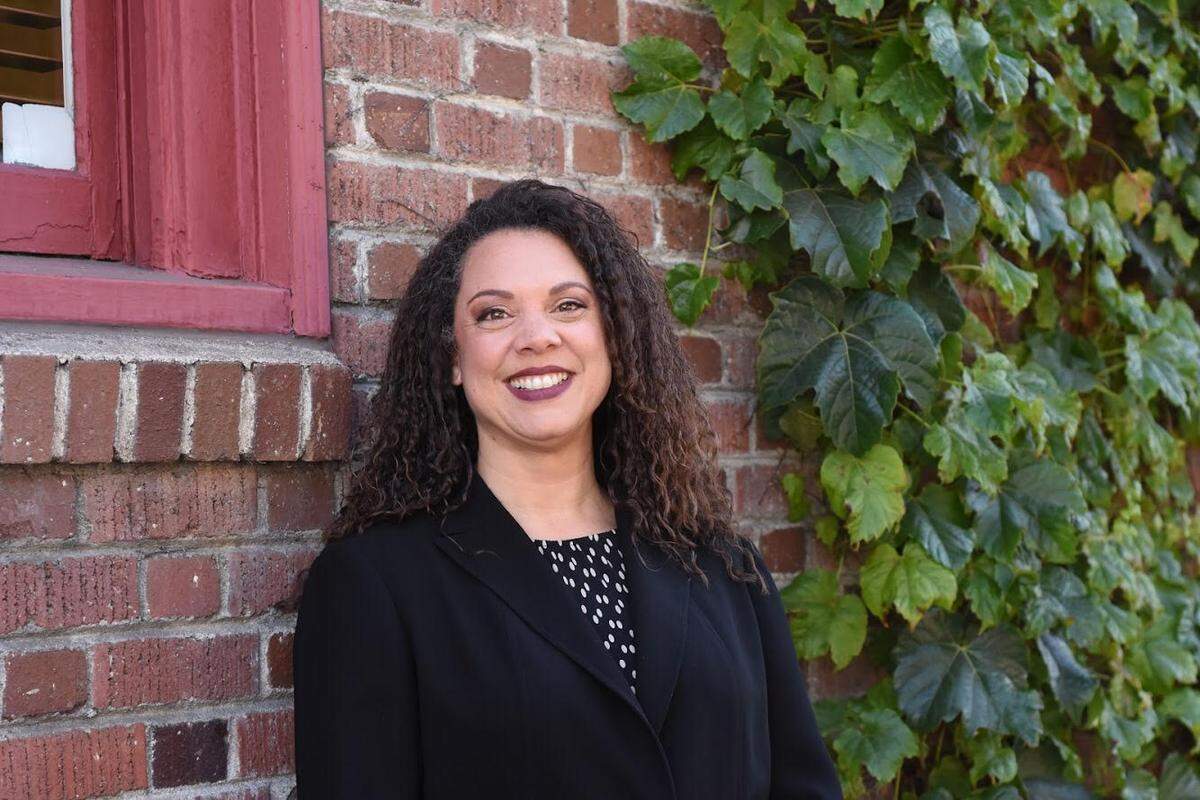
Erica A. Stewart
What is your vision for what the city should look like in five years? 10 years?
Imagine businesses thriving with the majority of businesses full downtown. People are housed closer to where they work. There will be more housing built and/or under construction. Homelessness will affect less people because they are able to access the services they need easier than they can now. Open space has been increased. We’ve added more places for people to have cultural gatherings, and public art is abundant, welcoming people from all backgrounds. In 10 years, we will have achieved carbon neutrality in the city government and be well on our way to carbon neutrality throughout the city. There will be more chargers for EVs throughout the city, electric buses will be an active part of our public transportation fleet and people will be able to walk around our community safer and easier. Lastly, our city will have weathered the regional and national economic challenges through fiscal planning, savings, pension payments and responsible practices.
What do you believe is the most important issue facing the city today, and what will you do to address it?
Increasing housing with a range of affordability is needed for people who are unhoused. Less expensive housing is needed for working people from minimum wage to SLO’s median income, $82,000. If people can live near where they work, we can lower greenhouse gas emissions, have a healthier community and make a positive effect on climate change. There are many issues in our city and society today that are more complex than a simple Band-Aid fix. I will continue to ask the hard questions, involve all stakeholders and include people who are not being heard. SLO will continue to lead the way as a thought leader on items such as homelessness; climate action; sustainable transportation; and diversity, equity and inclusion. I will continue to collaborate with our surrounding cities and county, partner with local organizations and leverage our resources to the fullest extent possible to continue to make SLO a thriving community to live and work.
How do you feel about the city’s response to homelessness and what specific policies or solutions on that front would you pursue if elected?
The city is working to help our unhoused population. There has been a concerted effort to collaborate with county and nonprofit partners, connect people with resources and gain critical community feedback. I’m proud to support our new Mobile Crisis Unit (MCU), which answers calls for service and offers crisis support services to those experiencing non-emergency mental health challenges, drug and alcohol addiction and chronic homelessness. Also, the Community Action Team has doubled, pairing an officer with a social worker to connect people to resources regarding housing, addiction, food, mental health, counseling and family reunification. Both of these are programs that need nurturing and strong leadership, and I hope to see these programs strengthened throughout our city and county. The next steps will be the city’s first Homelessness Response Strategic Plan and engaging with and supporting those who are unhoused and/or unsheltered in San Luis Obispo.
San Luis Obispo is known as one of the least affordable communities in the nation. What would you do to improve local affordability to help ensure lower-income residents and families are able to live in SLO in the future?
As the city grows, so too must our resolve to confront a mounting crisis affecting the most vulnerable members of our community. Having utilized state and local resources like WIC and food banks to get by as a young adult, I have a deep compassion for those who are unable to secure affordable housing or who are currently houseless. I believe everyone is worthy of respect and will work to increase funding for services that reduce houselessness, maintain lasting partnerships to provide community support and find creative solutions for a growing need. Through a multifaceted approach including approving more affordable housing units, making housing more accessible, soliciting valuable input from those directly impacted and holding Cal Poly accountable to their plan of housing more students on campus, the city is ready to address the issues of our community’s housing dilemma head-on.
In recent years, the city of SLO has pursued an aggressive environmental strategy, with a goal to achieve carbon neutrality by 2035. If elected, what policies would you pursue to further this goal? What changes would you like made to the city’s environmental strategy?
We need to take swift action to achieve our climate goals. We need to recognize the implications locally and implement strategies to reduce the effects of the climate crisis. SLO has been a sustainability leader in the county and at the state and national levels. Future generations depend on the action we take today. I will remain steadfast in our commitment to increasing sustainable efforts throughout the city’s operations, policies, and practices. During my time on the council, we’ve continued to be a leader on state and nationwide levels, increased efforts to reach the city’s goal of carbon neutrality by 2035, invested in equipment and resources to make every part of city operations more sustainable, conserved water amid statewide drought mandates, preserved and expanded open space, passed ordinances regarding electric buildings and adapted to shifting priorities in regard to Diablo Canyon Power Plant while proactively addressing the safety and well-being of the region.
Downtown has a number of large, significant vacancies after longtime businesses have shuttered. What is your vision for the downtown corridor and what would you do on the City Council to realize that vision?
As a former small business owner, I understand the unique challenges and opportunities presented to entrepreneurs. SLO has grown in leaps and bounds over the years, but the impact of the COVID-19 pandemic reverberated throughout the business community and the local economy (like most of the U.S.) suffered as a result. However, the city has creatively and purposefully addressed the concerns of the community, remained fiscally responsible, and maintained a sound budget under the current leadership. I will continue to seek opportunities for post-pandemic business growth and continue to build a resilient economy.
City Council
%20(1)_fitted.jpeg "IMG_1960 (2) (1)_fitted.jpeg")
Joe Benson
What is your vision for what the city should look like in five years? 10 years?
I love this city and I want to help shape its future in such a way that preserves everything that is unique and wonderful about it, but I also want us to lean into the future and face our challenges head-on. I want our city to have a robust and well-invested infrastructure (e.g. roads, broadband, public transport), housing inventory that is more accessible, a safe and vibrant downtown and an environment where businesses can thrive and high-paying jobs are the norm.
What do you believe is the most important issue facing the city today, and what will you do to address it?
The relevance and accessibility of our downtown area. I believe it’s critical that our downtown continues to be the heart of the city and remains relevant. We need our downtown to be vibrant, safe and accessible to everyone. To address this, I want to (1) convert Monterey Street between Morro and Chorro into a community gathering place with various activations so people have a reason to come downtown other than to just spend money; (2) prioritize housing in the downtown core and enjoy the public safety benefits and market dynamics that come with it; (3) allocate necessary resources to ensure public safety remains a priority; and (4) implement a bike share program to enable greater accessibility in and around the downtown area.
How do you feel about the city’s response to homelessness and what specific policies and solutions on that front would you pursue if elected?
The city is doing what it can with the relatively limited resources available. We need political leadership from the county to follow through on their recently adopted five-year plan to ensure investment in transition-based housing and that much-needed social services are made easily accessible to the unhoused community. I believe the city needs to (1) continue leveraging resources like the Community Action Team and the Mobile Crisis Unit to ensure the right type of resources are being used and that members of the unhoused community know where and how to access the county-provided services, (2) continue doing regular encampment cleanups to reduce the health and environmental impacts that are inherent in such conditions; and (3) ensure that our public places are safe and welcoming.
San Luis Obispo is known as one of the least affordable communities in the nation. What would you do to improve local affordability to help ensure lower-income residents and families are able to live in SLO in the future?
Having lived in Section 8 housing for a period of time as a kid, I know firsthand how important it is to have a community that is accessible to all income levels. I will prioritize (1) enabling the production of housing inventory across all income levels and continuous improvement of the processes and costs involved in the production of housing, (2) greater alignment of our public transportation offerings with community needs, (3) availability of modern broadband throughout the city so that everyone is in on equal footing with remote work and remote schooling opportunities and (4) ensuring our city is a welcoming place to employers who are offering good, high-paying jobs.
In recent years, the city of SLO has pursued an aggressive environmental strategy, with a goal to achieve carbon neutrality by 2035. If elected, what policies would you pursue to further this goal? What changes would you like made to the city’s environmental strategy?
I want our city to continue to be a leader in climate change and set an example for other communities. As for changes, I want us to get greater community buy-in on the 2035 goal and the things that must be done to ensure we achieve it. I want to see the strategy include being fully transparent about our progress by implementing a publicly available dashboard of key performance indicators that is updated regularly. Having this transparency, warts and all, will enable a better understanding of our progress and the additional actions needed.
Downtown has a number of large, significant vacancies after longtime businesses have shuttered. What is your vision for the downtown corridor and what would you do on the City Council to realize that vision?
My vision for downtown is a vibrant, safe and welcoming heart of the city that provides a myriad of offerings for residents and visitors to enjoy. I want us to (1) convert Monterey Street between Morro and Chorro into a community gathering place with various activations so people have a reason to come downtown other than to just spend money; (2) prioritize housing in the downtown core and enjoy the public safety benefits and market dynamics that come with it; (3) allocate necessary resources to ensure public safety remains a priority; and (4) implement a bike share program to enable greater accessibility in and around the downtown area.
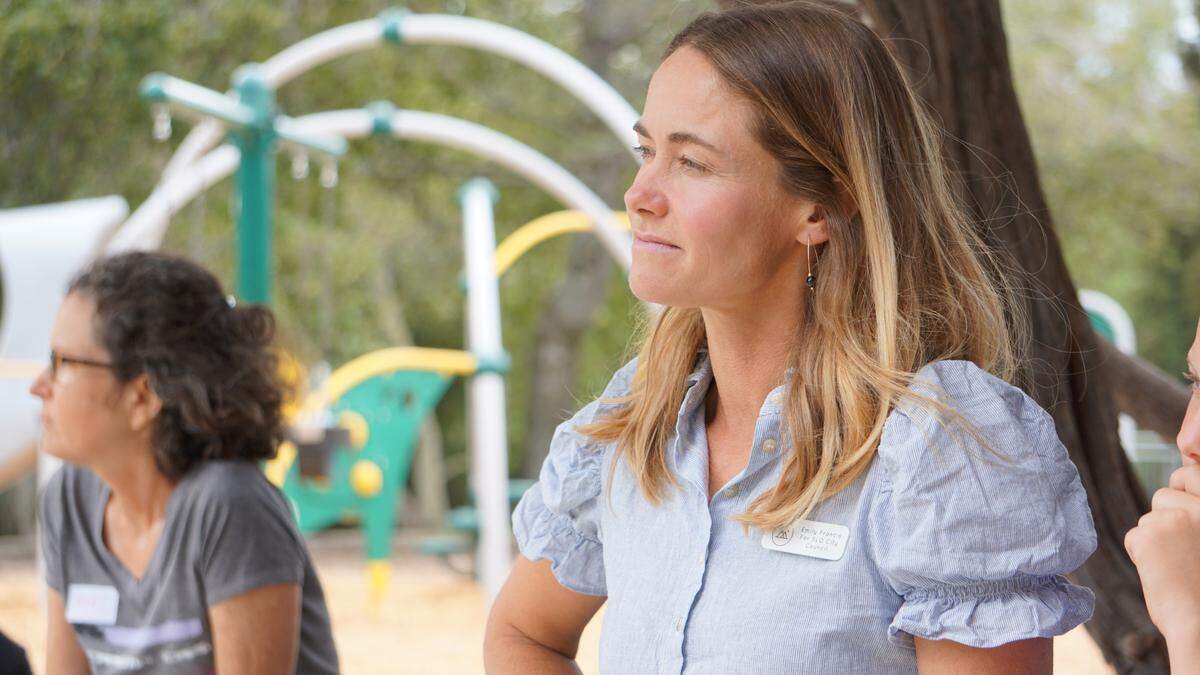
Emily Francis
What is your vision for what the city should look like in five years? 10 years?
I am running for council because I love our city. I love that our city is focused on how it can be more inclusive, more accessible and more resilient as we face a future fraught with climate change, economic uncertainty and other changes. We are also a city that has done hard things and been a leader for the rest of the country in banning indoor smoking, preserving our greenbelt of open space and thinking about the environment with the elimination of drive-thrus. I want to continue to be a city that is a leader. I want to see us continuing to preserve and care for our open space, care for our unhoused neighbors, addressing and eliminating our contributions to climate change and providing services to our residents so they feel cared for and heard. This will mean hard work and compassion from all our residents, and I look forward to all of us working together on these important goals.
What do you believe is the most important issue facing the city today, and what will you do to address it?
In addition to addressing the needs of our unhoused neighbors, childcare is a top priority for me because it is a major barrier to our DEI goals. When I moved to SLO a decade ago, lack of daycare kept me out of the workforce for more than a year. During that time, our economic situation was tenuous. I know that we were more privileged than many other families who I know have found childcare to be a major barrier to economic security. Right now our greatest need is care for 0- to 3-year-olds. The city is making strides towards addressing the issue through grants to start in-home daycare, but I would like to see us explore onsite care for city workers, additional grants and recruitment for private in-home businesses, facilitation for businesses who are exploring converting unused office space into onsite childcare and other innovative solutions. Childcare will help women and families have the freedom to make the economic decisions they need to make their household and our community thrive.
How do you feel about the city’s response to homelessness and what specific policies and solutions on that front would you pursue if elected?
Addressing the needs of our unhoused neighbors through a housing first approach and wrap-around services is one of our top needs. I am optimistic about our county five-year plan and the corresponding two-year plan that the city will use to coordinate our local response. Our new homelessness coordinator Kelsey Nocket is the right person for the job and is working hard in coordination with many others to develop the tools and strategies we need to make a real difference. As a council member, I will ensure that we keep focus and communication strong around this effort so we can both find compassionate and long term solutions for those in need. These include state Homekey funding and better coordination with social services at the county level. We must also keep our community a part of these solutions so the sense of hopelessness and despair that many have about the situation can turn to collective action and results.
San Luis Obispo is known as one of the least affordable communities in the nation. What would you do to improve local affordability to help ensure lower-income residents and families are able to live in SLO in the future?
The creation of affordable housing is essential for our community to ensure we have socioeconomic diversity and are able to provide basic services such as public education, healthcare and firefighters. Right now, home ownership is out of reach for those folks and the rising costs of rent makes life as a renter unpredictable. Much has changed in state law regarding local control over development but the city can be proactive in developing a path forward that focuses on designing infill in areas close to transit and downtown in partnership with nonprofit and private developers. Designing concept plans for this infill gives us the opportunity to ensure that new housing is walkable and bikeable as well as close to many of the business where residents work. Our current daily population is 80,000 to 100,000 people due to a huge number of folks commuting into SLO. Housing more of our workers locally will make a difference in our major source of greenhouse gasses, commuters.
In recent years, the city of SLO has pursued an aggressive environmental strategy, with a goal to achieve carbon neutrality by 2035. If elected, what policies would you pursue to further this goal? What changes would you like made to the city’s environmental strategy?
Like many communities, our public transportation system took a significant hit during COVID. Before the pandemic, we had the second-highest ridership of our buses per capita in the state. While the city is working hard to close the gap of hiring back drivers and bringing back routes, the truth is that many former bus riders can no longer get to their destinations reliably, leading to more cars on the road. Prioritizing a return of more responsive routes particularly during peak commute as well as a focus on education and outreach around using the bus will help bring back our ridership and provide an accessible option for those who cannot ride a bike. I am excited to see many more bikes and in particular e-bikes around town and I think the incentives offered by Central Coast Community Energy have contributed to increased ridership. An e-bike share program would go a long way in introducing more people to the joy and speed of an e-bike commute for those who live and work in town.
Downtown has a number of large, significant vacancies after longtime businesses have shuttered. What is your vision for the downtown corridor and what would you do on the City Council to realize that vision?
While our vacancy rate has hovered around 7% in the downtown area, many of these vacancies are the largest storefronts, leading to a shuttered public face. Our changing shopping habits and rising rents have pushed out notable local institutions. Keeping downtown vibrant and economically vital is incredibly important. Some communities, including Berkeley, facing the same issue of empty storefronts are floating the idea of a vacancy tax for landlords who leave storefronts empty for too long. I will be watching closely how voters and businesses respond to that approach in November and seeing what lessons can be learned for our community. Many residents have expressed the desire to see downtown move to a more pedestrian-friendly feel as reflected in our master plan. In order to do that, we need to ensure that the businesses downtown are supported by the council.
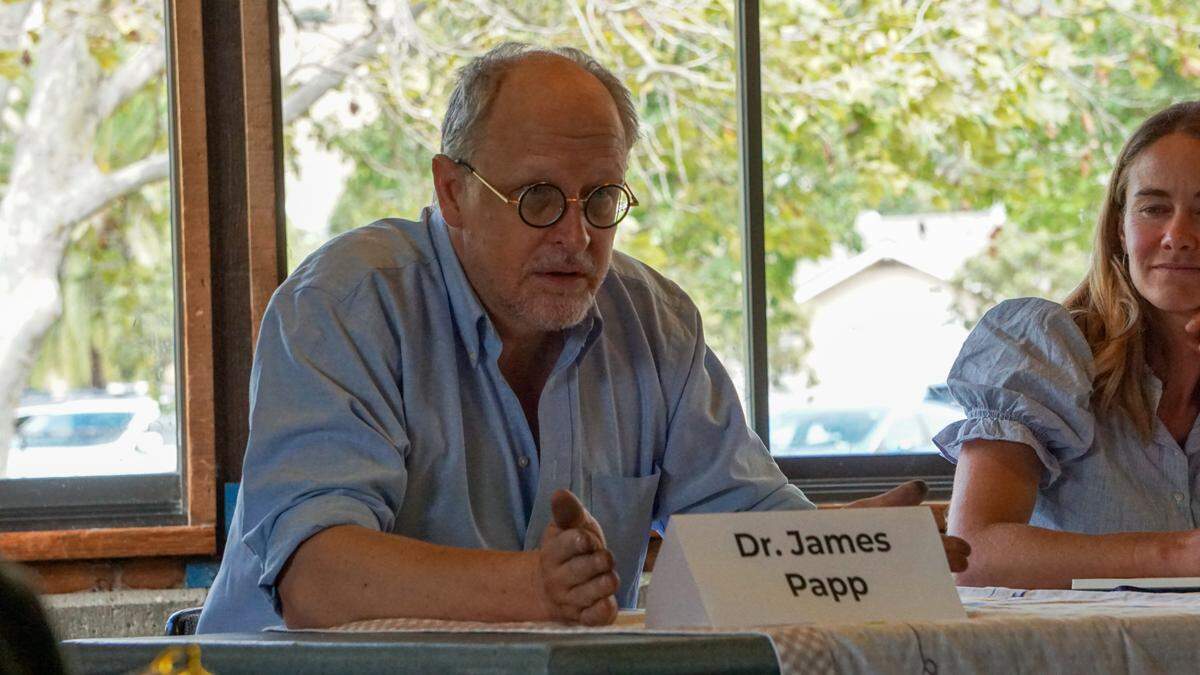
James Papp
What is your vision for what the city should look like in five years? 10 years?
Racially, culturally and economically diverse. Appreciative of its racially, culturally and economically diverse past, in preparation for its racially, culturally and economically diverse future. Appreciative (for the delight of locals and as a cultural tourist draw) of one of the best small-town collections of eclectic architecture in the country. With places that are affordable enough to be creative and inventive in (usually old neighborhoods). A safe bike network, with 25-30% trips made on bikes, with concomitant health and air quality improvement. Renters protected. Entry-level housing available. Homeless housed and provided services as diverse individuals. A well-oiled bureaucracy. The city government not run as a corporation with the City Council as the board of directors and city manager as CEO (as our current city manager expresses it). Council and advisory bodies with genuine dissent, which creates better policy.
What do you believe is the most important issue facing the city today, and what will you do to address it?
Lack of genuine budget oversight (with regular longitudinal, market basket and capital-to-operating comparisons) and bureaucratic oversight (efficiency and user-friendliness), as well as the stifling of dissent. Without these, you have a poorly managed city that can’t afford to do the great stuff that everyone wants. This is really what a city council is primarily for; when that’s done, it can see visions and dream dreams. We forget that aspect of the Schwartz era (and forget it at our peril). Ken was big into fixing bureaucracy and doing effective planning (and reversing when planning planned for the wrong things).
How do you feel about the city’s response to homelessness and what specific policies and solutions on that front would you pursue if elected?
Homeless policy focuses on the visible homeless the upper middle class doesn’t like looking at (pickle ball courts to drive out drifters was the apogee of symbolism, though Mitchell Park has housed homeless people since the 1930s — and good luck changing that — and people have also been complaining about homeless people in Mitchell Park since the ‘30s — good luck changing that). Most homeless people (in cars, campers, on couches) we never see, so never talk about. The basis of the homeless problem is an economic inequality problem, increasing and accelerating since the 1980s, when we lowered taxes on the rich to cancel services to help people stop being poor. Housing policy is sticking chewing gum in the dike. Keeping people in their homes is the best policy (active during COVID, though that froze inventory). Subsidized housing and services are the only solution.
San Luis Obispo is known as one of the least affordable communities in the nation. What would you do to improve local affordability to help ensure lower-income residents and families are able to live in SLO in the future?
Due to land and construction costs (including an increasing number of municipal mandates on individual homeowners that big developers are excused from — think the $20,000 in lieu fee for a $200,000 parking space), you cannot build affordable housing in California. The only solutions are subsidized housing, downsized housing (I live in a 150-square-foot room, so the notion of a 91-square-foot Tokyo apartment is not horrifying to me), and rent stabilization, though the last tends to create unintended consequences of inequity between new and old renters. Frankly, outlawing all micro-term rentals would have a considerable impact, too.
In recent years, the city of SLO has pursued an aggressive environmental strategy, with a goal to achieve carbon neutrality by 2035. If elected, what policies would you pursue to further this goal? What changes would you like made to the city’s environmental strategy?
Local government should focus on local quality of life, not visually insignificant international virtue-signaling (as satisfying as it may have been during the Trump era). A serious tree-planting initiative (not shifting it to the backs of people building ADUs) would affect local climate, as would changing our parking regs to encourage less concrete and asphalt, not more. Building more parking structures is not only hypocrisy but bad policy when the future of parking is so uncertain. Finally making a safe bike network after 50 years, not miles of painted lines connecting one-off blocks, would improve local air quality and local health as well as climate.
Downtown has a number of large, significant vacancies after longtime businesses have shuttered. What is your vision for the downtown corridor and what would you do on the City Council to realize that vision?
Key to any sustainable community is mixed use. The outsize significance of the vacancies is that they were businesses ordinary locals would use (Beverly’s, Betty’s fabric, Ross, Aaron Bros.) and that would bring locals downtown. New businesses are increasingly tourist-leisure oriented, bars and boutiques that are more lucrative for owners and the tax base (high markups) but make for a center that is no longer a center for residents. The bars make downtown increasingly unlivable for downtown residents. There are so few legacy businesses left that it is hard to see that a legacy business program would help much. A fairly micro-level use ordinance (limited numbers of certain types of businesses, encouragement of other types, e.g., grocery) seems the most viable.
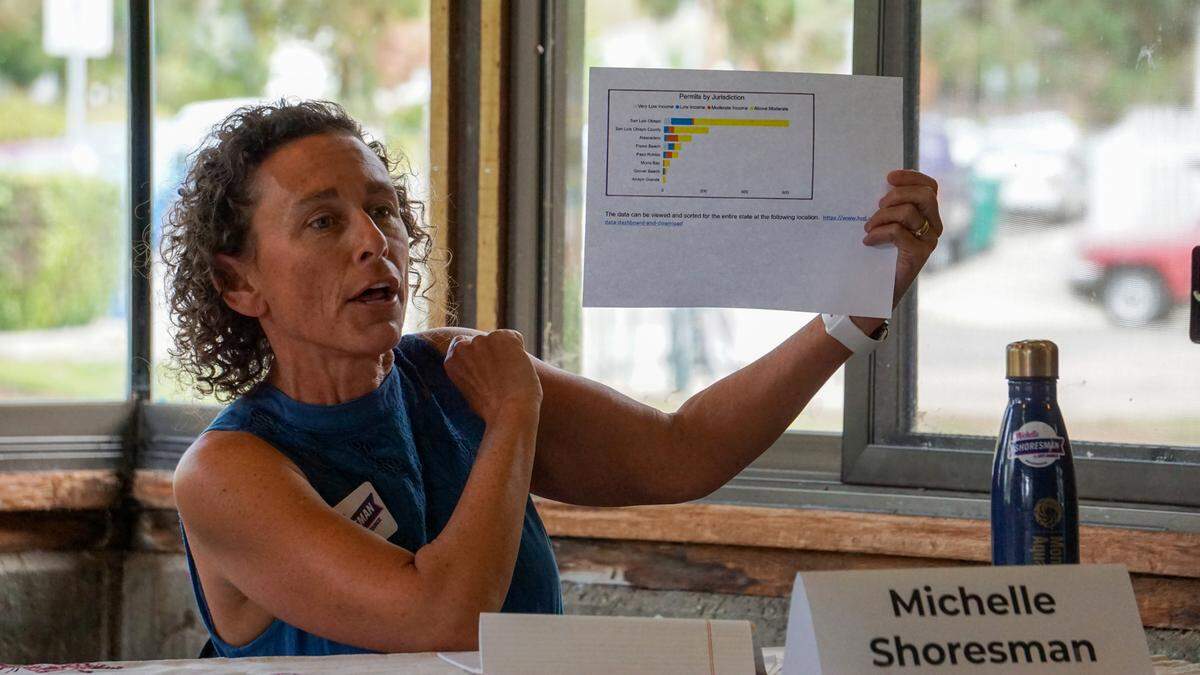
Michelle Shoresman
What is your vision for what the city should look like in five years? 10 years?
My vision to help SLO thrive over the next five to 10 years is to create diverse neighborhoods with access to nearby parks and services. We can build safe routes to schools for students who walk and bike, and we can make housing more affordable so that people who work in SLO can afford to live in SLO. We can expand open space and protect our environment by increasing access to affordable, clean energy solutions. Together, we can make San Luis Obispo the best it can be.
What do you believe is the most important issue facing the city today, and what will you do to address it?
Homelessness and housing affordability are our city’s most complex issues. This may sound like two issues, but they are very interconnected. SLO residents are deeply concerned about housing costs. They are concerned about their own costs, as well as whether their children and employees can afford to live here. Residents are also deeply concerned for those on the streets. They worry for the welfare of unhoused people, for their own safety when encountering homeless people and the dangers sometimes resulting from encampments (fires, trash, crime, etc.). We must continue to work as a city, and with the county and other partners in our region, to both increase short-term emergency housing for the unhoused, as well as create more long-term, very low income housing. We also need to build a variety of housing types (including congregate, individual, supportive, inpatient drug treatment and long-term care for the aging and medically fragile) to meet the vast needs of our unhoused neighbors.
How do you feel about the city’s response to homelessness and what specific policies and solutions on that front would you pursue if elected?
Homelessness is an issue that cannot be solved overnight, nor can it be tackled by the city alone. If elected to council, I am committed to working as a city leader, and with the county and other partners in our region, to: encourage the building of a variety of housing types to meet the vast short- and long-term needs of our unhoused community, develop model programs like Community Action Teams (CAT) and Mobile Crisis Unit (MCU) teams that help provide services to people on the streets, and get them into longer-term drug, alcohol and other supportive services that will eventually lead to permanent housing, jobs and more.
San Luis Obispo is known as one of the least affordable communities in the nation. What would you do to improve local affordability to help ensure lower-income residents and families are able to live in SLO in the future?
Everyone who works in San Luis Obispo should be able to live in San Luis Obispo. This means increasing the housing supply for residents at all income levels, whether you are looking to rent or own a home. As a council member, I will continue to encourage the City of San Luis Obispo to keep funding deed-restricted, low-income units and expand the important work being done by HASLO and other creators of low income and supportive housing, while also encouraging builders to expand “missing middle” housing development, which is multi-unit, walkable to shops and services and affordable because it’s able to be built and sold at lower prices.
In recent years, the city of SLO has pursued an aggressive environmental strategy, with a goal to achieve carbon neutrality by 2035. If elected, what policies would you pursue to further this goal? What changes would you like made to the city’s environmental strategy?
During my first year on the city council, I have been proud to approve a large number of city initiatives to help us get to our city goal of carbon neutrality by 2035. Some of these initiatives have included: the purchase of two new electric buses for our transit fleet; approval of a contract to install EV charging stations in several public lots and parks around the city; approval of an ordinance that all new buildings must be furnished with all-electric appliances (no natural gas with a few exceptions, will be allowed); and streamlined permitting for residential solar installation. I look forward to the opportunity to approve additional improvements if elected to a full term. Some areas of focus for me will include expanded bike and pedestrian infrastructure improvements to reduce greenhouse gas emissions from gas-powered vehicles, incentives to convert existing homes and businesses to all-electric and expanding our city fleet of electric buses and vehicles.
Downtown has a number of large, significant vacancies after longtime businesses have shuttered. What is your vision for the downtown corridor and what would you do on the City Council to realize that vision?
My vision for a thriving downtown core includes the following: Continue gradual implementation of the Downtown Concept Plan, including increasing opportunities for walking and biking around, to and from the downtown core; increase opportunities for cultural experiences, including more activation of public art and theater; coordinate with downtown businesses and organizations (like Downtown SLO and SLO Chamber of Commerce) to encourage new development, tourism and innovative businesses in the downtown core; increase opportunities for housing production and density in the downtown, which enhances neighborhood safety and diversity (if housing becomes available to people of different income levels); and improve access to parking for visitors, and make accessing the downtown easier by bus, bike and foot for locals
%20Cropped.jpg)