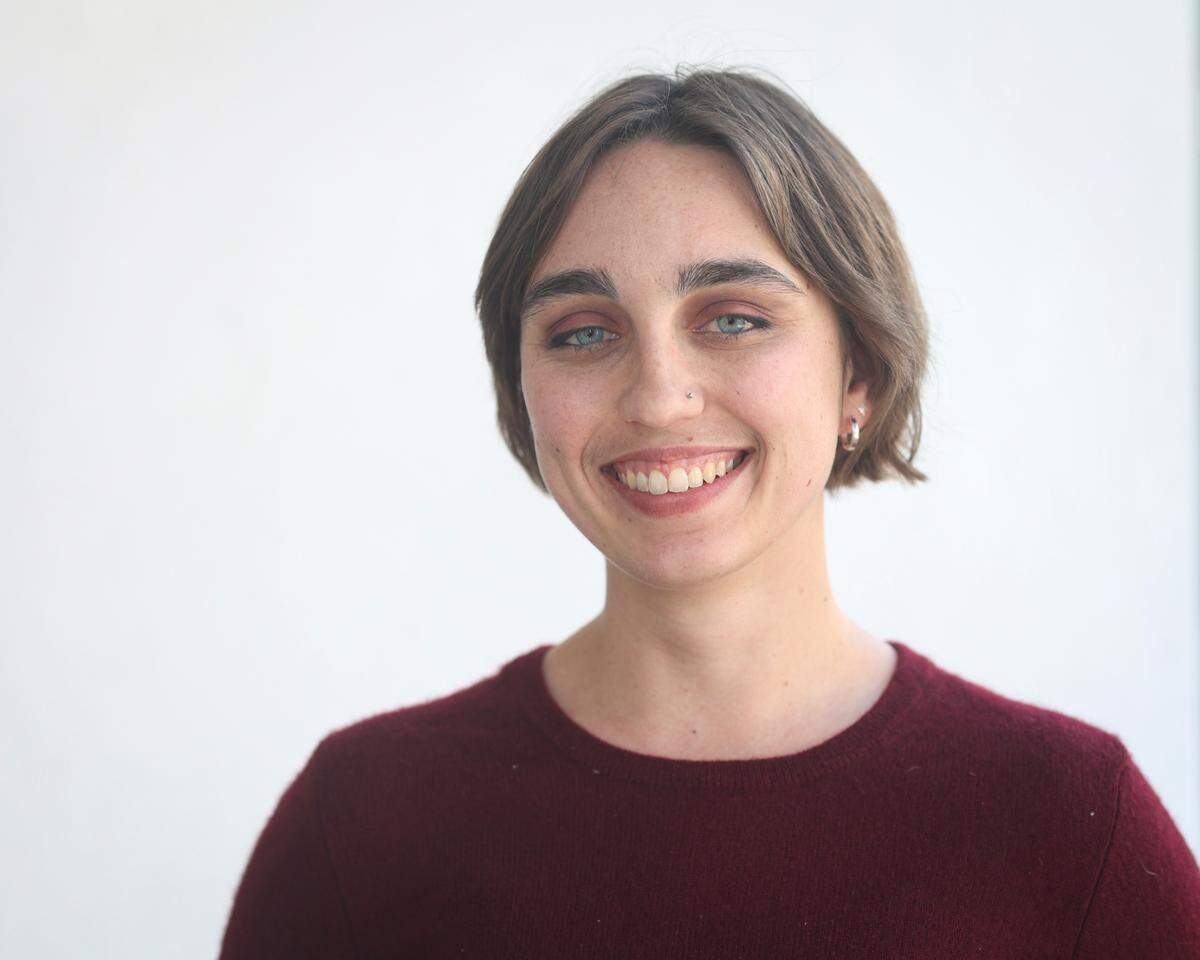
Women’s March SLO empowered them to run for office — and win. Here’s how they did it
Thousands of people flooded the streets of downtown San Luis Obispo the day after then-President Donald Trump’s inauguration in 2017.
Chanting “This is what democracy looks like,” protesters rallied at the first Women’s March SLO event to support folks who felt attacked by Trump’s campaign, including women, racial and religious minorities, undocumented immigrants and the LGBTQ+ community, organizers told The Tribune at the march.
“This a catalyst for men and women to become activists in our local community,” event organizer Jen Ford told The Tribune in 2017.
Today, the spirit of the march echoes in government buildings across SLO County as more women are elected to city councils, school boards and community service districts.
Women’s March San Luis Obispo, the group that organized the 2017 march, created a community where women felt empowered to engage in politics in new ways — from managing campaigns to running for office, according to co-founder Dawn Addis.
Three Women’s March SLO organizers currently hold elected positions — including Ford, who sits on the Morro Bay City Council.
Co-organizer Rita Casaverde chairs the San Luis Obispo County Democratic Party’s Central Committee, and Addis is poised to win the District 30 race for California State Assembly.
“For many people, (the march) brought them hope in a new way and it got them engaged in a new way,” Addis said. ”People who believe in creating a strong democracy, who want civility in politics, those people are stepping up to run.”
Organizer: Women’s March SLO was stepping stone to running for office
Women’s March SLO has hosted a march or rally every year since 2017, including a 2021 event held online due to COVID-19. The group is discussing hosting a day of action with other organizations in 2023, but does not have details to share yet.
Casaverde attended the 2017 march and found a supportive community there.
Born and raised in Peru, she felt targeted by Trump — from his speeches that attacked immigrants to the travel restrictions he placed on people from predominately Muslim countries.
“As an immigrant, I felt isolated and alone,” Casaverde said. “Just from going to that march, I knew that there was hope to have a community that was accepting and was welcoming.”
In 2018, Casaverde attended the Women’s March SLO vigil against Brett Kavanaugh’s nomination to the U.S. Supreme Court. She asked the organizers if she could get involved, and a few meetings later, she was on the team planning the 2019 march.
This was Casaverde’s launching pad to more political activity. She soon started working for Central Coast Congressman Salud Carbajal’s staff, and after she got her citizenship in 2019, she was invited to join the SLO County Democratic Party.
Eventually, Casaverde ran to be chair of the party’s central committee — and won. She also serves as the executive director of San Luis Obispo County’s Diversity Coalition.
Casaverde said the community created by Women’s March SLO empowered her to “find a stronger voice.”
“I don’t think that I would have the confidence that I have now if I hadn’t been involved with the Women’s March SLO,” Casaverde said. “It is not only about getting involved in politics or running for office. It’s being more empowered to ask for what you deserve, and that can be at work or at home.”
SLO County group offers resources for government candidates
Ford credited the supportive community at Women’s March SLO with giving her the boost she needed to join local government.
For most women, she said, the biggest hurdle to jump isn’t acquiring the skills to run to office — it’s overcoming impostor syndrome.
“If I hadn’t been involved in Women’s March SLO, would I be where I am now? The chances are pretty slim,” said Ford, who grew up in a home that discouraged women in leadership. “It gave me the courage to step into a position of leadership like city council.”
Ford’s first government position was as a Morro Bay planning commissioner. She was reluctant to apply to the position, she said, then realized she was caught in the cycle of women feeling unqualified to be leaders.
“When I found myself in that same narrative, I had to stop and really reflect on that,” Ford said. “We haven’t seen women in leadership as much as we should have.”
In 2021, Ford was appointed to the Morro Bay City Council to replace Robert “Red” Davis’ position after he died.
She ran to keep her seat during the June primary this year and won handily, taking 57.4% of the vote to James Costanzo’s 42.6%.
Ford said organizing marches, fundraisers and events for Women’s March SLO taught her how to run a campaign. Working with the group also equipped her to feel comfortable talking to the media and in front of crowds, she said, all important skills for a city council member.
She said she’s proud that her co-organizers at Women’s March SLO are stepping into elected offices.
“It’s kind of putting your money where your mouth is, doing the work that we have encouraged other women to do,” Ford said. “Overall, I’m just really ecstatic.”
Women’s March SLO has organized a handful of forums on running for office, according to co-founder Andrea Chmelik.
The organization hosted its first panel in 2018, featuring four women who spoke about their experiences on the campaign trail and in office. Former San Luis Obispo Mayor Heidi Harmon and Arroyo Gande Mayor Caren Ray Russom were two of the panelists, Chmelik said.
“When you’re in the room with women who have done it already, you can kind of see that it’s possible,” Chmelik said.
She noted that each of the women who participated in the 2018 panel had different personalities, campaign styles and leadership styles.
“It was really great to see that you do not have to fit into one mold to be successful in running for an elected position,” Chmelik said. “You truly can be who you are and and take the leadership in a way that works for you to serve your community.”
During the COVID-19 pandemic, Women’s March SLO also hosted Zoom seminars on how to get politically active — from what local offices exist in the county, and how to get involved with them.
Their website also features a campaign toolkit, with tips and resources candidates can use on the campaign trail.
Co-founder poised to win California State Assembly election
Addis had always been politically active, she said, but until recently, she preferred to work behind the scenes.
In high school, she knocked on doors asking her neighbors to support a ballot measure for school funding. As an adult, she worked on numerous campaigns.
Organizing with Women’s March SLO catapulted Addis to the forefront of politics.
“We talked a lot about getting off the sidelines — not waiting for other people to take the lead in a way that you wish they would lead, but to take the chance yourself to bring your voice forward,” Addis said.
She decided to take her own advice and run for office.
In 2018, Addis won a seat on the Morro Bay City Council.
In 2020, she ran to represent SLO County in the State Assembly and lost the District 35 seat by 10 points.
Addis ran this year in the District 30 State Assembly race. As of Tuesday morning, she was well-positioned to win the seat with 62% of the vote, according to the California Secretary of State’s Office.
Once all of the midterm ballots are counted, two city councils in SLO County might be staffed entirely by women.
San Luis Obispo voters elected their first all-female city council in 2020, and the vote count so far suggests that the council will be all-female again.
Morro Bay is also on its way to an all-female city council, with women leading the races for mayor and two open city council seats as of Tuesday.
“That’s not to say that one gender governs better than the other, it’s just creating parity,” Addis said. “Candidates from all different backgrounds (are) standing up and showing up and putting their name in the hat, and voters are embracing that.”
Why do we need women in office?
Chmelik said women often craft policies to address issues that have historically been neglected, such as childcare and equity in the workplace.
“We need women in office because they are the ones facing these issues,” Chmelik said. “They are the ones who understand the impact that it has on their professional lives, on their economic lives, the way that they can succeed later in life.”
Historically, men have been over-represented in politics, Casaverde said, so policies tend to serve their interests.
Casaverde said it’s important to elect people with a variety of different backgrounds, looking at factors including race, gender, sexuality, disability, education and income level.
“There are just different experiences that you get to live if you have a different color of your skin or if you have a different gender,” Casaverde said. “The more perspectives you have, the easier it is to find solutions.”
Electing folks from underrepresented groups is essential, Casaverde said, to making sure all stakeholders are represented in policy making and deciding the direction of their communities.
“If this system is going to change, it has to change from within,” Casaverde said.
This story was originally published November 23, 2022 at 9:30 AM.