SLO-based small business owner testified in Congress against Trump-era tariffs
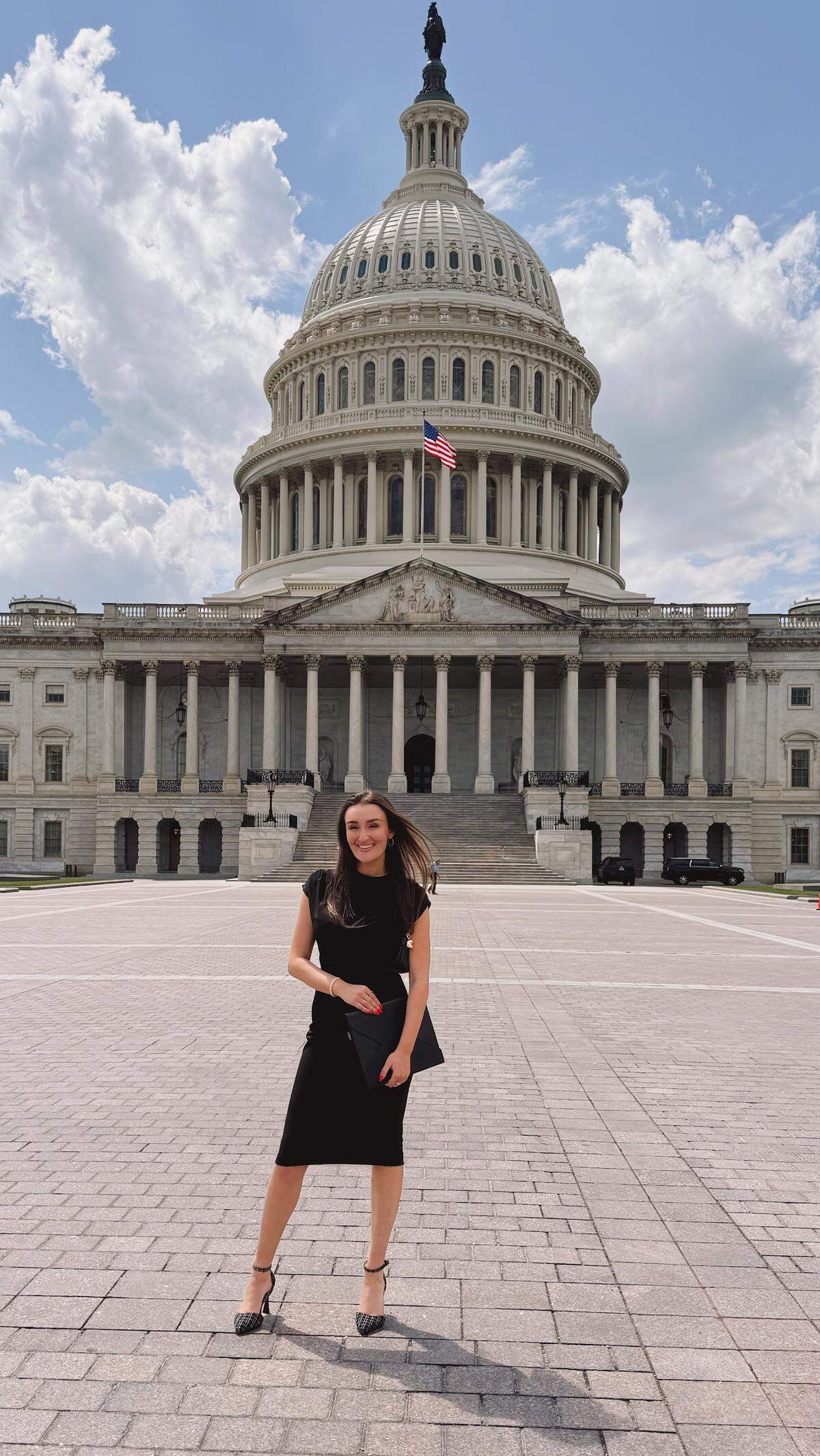
When Cal Poly alumni Haley Pavone founded her San Luis Obispo-based small business as a junior in college, she couldn’t have predicted that her entrepreneurial endeavor would one day bring her to Capitol Hill.
As the founder and CEO of Pashion Footwear, Pavone invented the first fully convertible and customizable high heel that doubles as a flat. In the nine years since its founding, she has grown Pashion into a successful and profitable multimillion-dollar business employing 12 American workers.
But business took a sharp turn this year when the Trump administration’s foreign tariffs kicked in.
Pavone’s locally-based online business sources its precise injection modeling materials and specialized shoe assembly craftsmanship from China, the only place in the world both exist at scale, she told The Tribune.
In April, when the price of Chinese imports hiked up to 190% overnight, Pavone was left with a product that was more expensive to make than it could sell for.
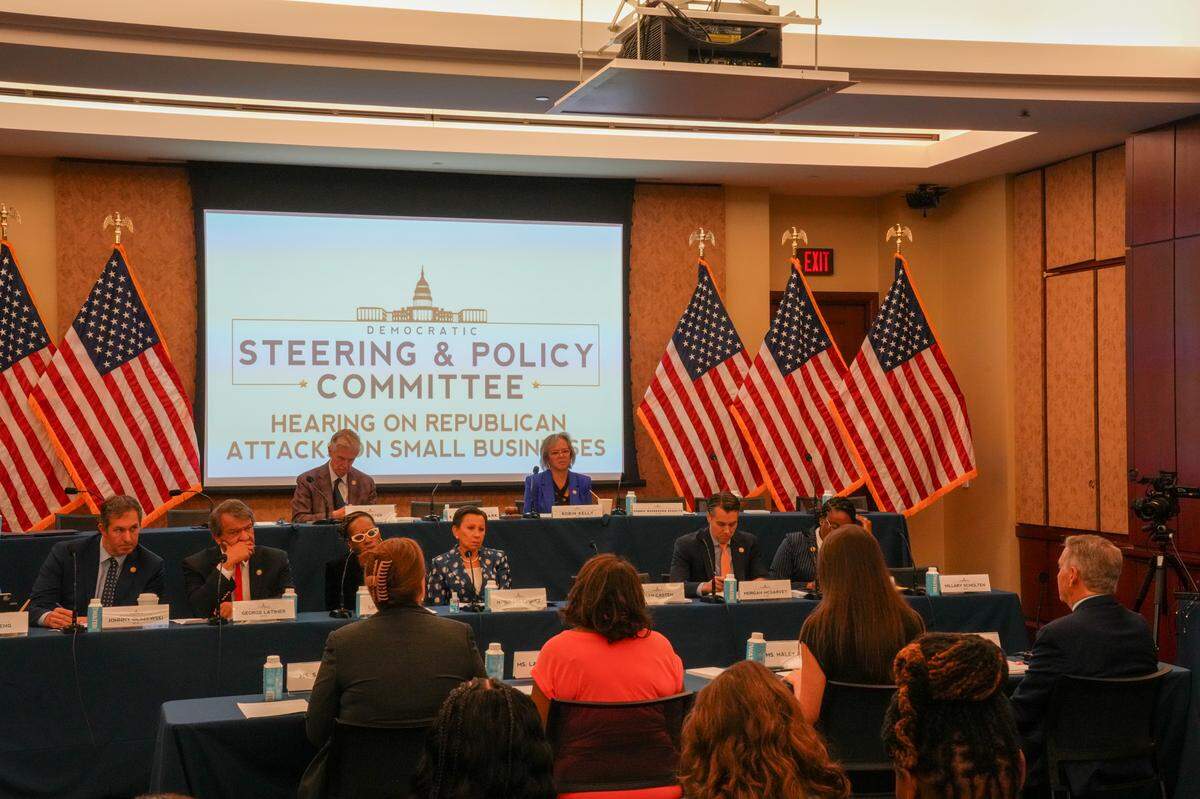
One month later, she testified in front of the U.S. House Committee on Small Business about how Trump-era tariffs are impacting her small business.
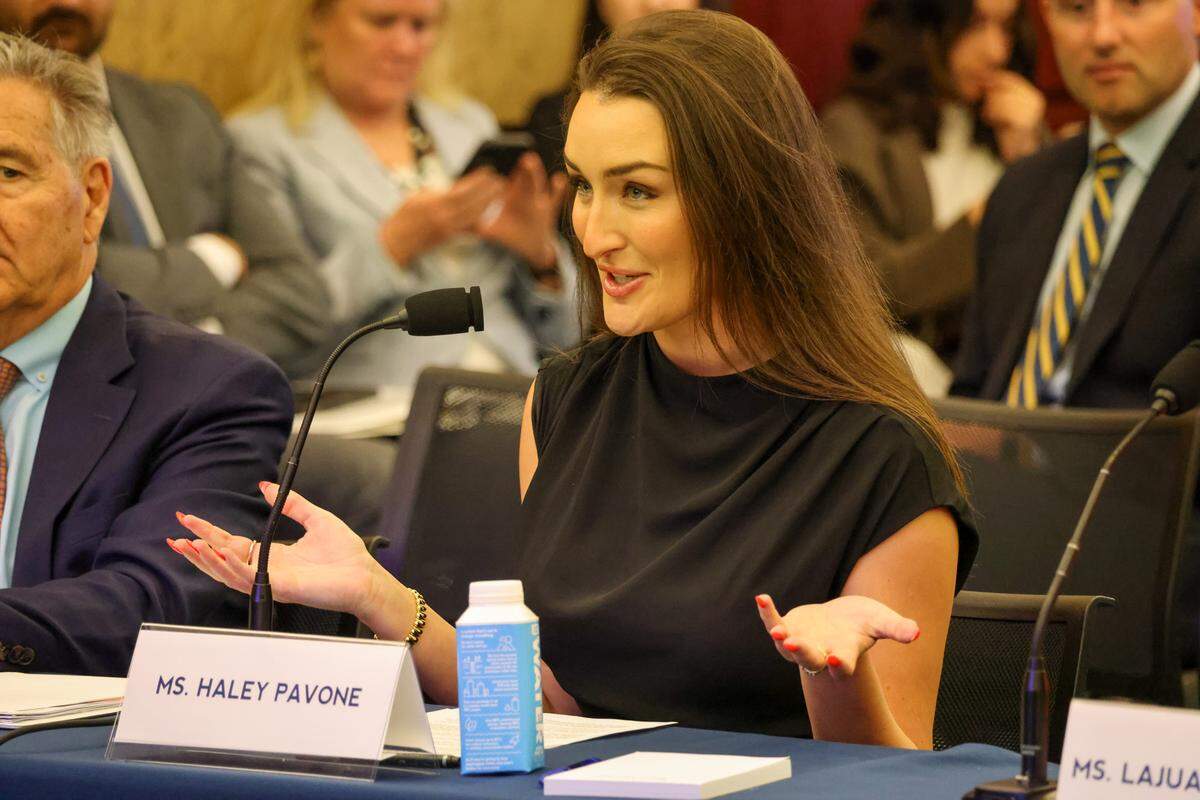
“Every day that these trade policies continue, it means the death of more American dreams,” Pavone told the panel of lawmakers in her testimony on May 8. “This is not a short-term pain. This is the destruction of livelihoods, both for entrepreneurs and those they employ.”
Following her testimony, The Tribune spoke with Pavone about what it’s been like navigating the tariff changes as a small business owner and her experience appealing to lawmakers in Congress.
“If you ask anyone in politics, they’re so quick to say small businesses are the backbone of the U.S. economy,” Pavone told The Tribune. “If that’s the case, why is nobody thinking about us in all of these policies that almost feel designed to damage us?”
To Pavone, politics has little to do with it. This is basic business, she said.
“This really is not a matter of Republican or Democrat,” she said. “In my eyes, this is a matter of economics, and this math — quite simply — does not add up.”
SLO-based small business owner becomes the voice against tariffs in Congress
Pavone’s advocacy for small businesses amid the chaos of tariff changes started on TikTok, where she used her platform as an entrepreneurial influencer to explain the economics of tariffs and dispel misinformation to her 880,000 followers.
“Part of why I wanted to make content is I feel like there’s just been so much misinformation about how tariffs work, notably, that China somehow pays them,” Pavone told The Tribune. “I find that interesting as the person that gets the bill for the tariffs.”
Pavone started making videos on the social media platform breaking down the math behind tariffs for businesses and consumers.
In one video, she explains how the new tariffs compound on top of prior rounds of tariffs from the first Trump administration and a base import rate, which effectively overnight made the new 145% increase on goods imported from China into a 190% added tax on any shoe she sold.
“So when you break the math down, this line of products literally goes from being profitable to losing $40 per sale,” she said.
The tariff on Chinese imports has since been reduced from 145% to 30%.
Another video — an informative skit acting out a conversation between the U.S. government and small business owners suffering under tariff policies — went viral, garnering 4.3 million views and catching the attention of American businessman Mark Cuban, who reposted the video on X.
After seeing her viral TikTok tariff content online, a senior House staffer reached out to Pavone and invited her to speak at the small business committee hearing.
The goal of the hearing was to inform the creation of policy to protect small businesses from the tariffs, Pavone said. She spoke on a panel with three other small business owners while three of her employees sat in the audience, as well as SLO County Congressman Salud Carbajal, who attended to show his support.
“I cannot emphasize enough that the current breadth and speed of policy changes stands to absolutely gut everything that I’ve worked so hard to build, seemingly overnight,” Pavone passionately told the committee. “The same is true for thousands of other small businesses like mine.”
“I can certainly appreciate the administration’s desire to onshore more of our manufacturing,” she said. “However, the simple fact is that supply chains do not grow overnight.”
Pavone said the materials and custom shoe assembly required for her product simply do not exist in the United States, and that building the kind of manufacturing facility she needs on American soil would take three to five years and tens of millions of dollars — resources that “a company my size simply does not have.”
“There, factually, is no scale footwear production in the U.S.,” Pavone told The Tribune. “A lot of people are saying, ‘Just move your production to the U.S.’ ... Where in SLO exactly are people mass producing shoes? It’s just not something that really happens in this country.”
Moving her production to another country with lower tariffs is not an option either, Pavone said. It takes time to find international suppliers, and even assuming she could find a new non-Chinese supplier right away, any new supply batch wouldn’t take effect until a year from now.
And that is just the footwear industry. Other products may not have any realistic supplier options outside of China. According to the Juvenile Products Manufacturers Association, 90% of baby products and related components come from Asia, with the vast majority made in China.
“It’s a supply chain disaster,” Pavone said.
Tariffs still pose an issue to domestically made products, though, Pavone said. Even if companies do manufacture in America, they are often still importing materials from China, which are taxed just the same.
“It’s hitting everybody,” Pavone said. “There’s not a single entrepreneur I know who makes a physical product that isn’t impacted by this in some way.”
The only option left for Pavone was to add a tariff tax onto every product paid for by the customer at check out.
“I can’t afford to lose money every time I sell a shoe — I can’t do it — so there’s nothing to do other than raise prices,” she told The Tribune.
Pashion is eating a portion of the costs, but even with the company bearing the majority of the burden, customers have to pay an extra 37.5% tax on every purchase.
Pavone has been selling fewer shoes since the price hike, but for now it’s her only means of survival, she said.
“It’s better to sell less, but still make money, than sell more and lose money,” Pavone said.
Pashion Footwear was on track to more than double this year, but now that she is selling less, Pavone’s projections have plummeted, she said during her testimony. She has already had to place her order for the fall assuming a 70% cut, dropping from $1 million to $300,000. She emphasized that even if tariffs are reversed quickly, other businesses importing full containers at high tariff rates will have to charge more for their existing inventory until it’s sold through.
“Even if this goes away tomorrow, my year through the fall is shot,” Pavone said.
Now, as businesses like hers move into the holiday shopping season during the turbulence of seemingly-daily changes in tariff policy, they can’t make budgets or inventory predictions because they don’t know what they’ll have to price their products.
“For all I know, the tariff could go up to 200% tomorrow or drop down to 40%,” she told the committee. “Without those fundamental building box blocks in place, I truly have no idea how to have an inventory strategy.”
Small businesses are suffering under Trump’s economic policy, SLO-based entrepreneur says
Ever-changing tariffs are not the only economic policy impacting small businesses under the second Trump administration.
The executive order “Protecting the American People Against Invasion,” signed Trump’s first day in office effectively directed the Small Business Administration to stop issuing government loans to any U.S. companies with foreign investors.
Before the policy took effect, Pavone had a signed term sheet for a $5 million small business loan. However, the policy change required her to prove 100% of her shareholders were American, a figure that was previously only 20%. Because Pavone had a 1.7% equity interest from a Mexican investor, she no longer qualified and her loan was pulled
“I can’t even get small business loan funding to try to survive this interesting period in time, so it really does feel like an attack on profits and just an attack on operations in general,” Pavone told the congressional committee.
Another issue is the elimination of a “pretty major part” of the U.S. import tax code, Section 321, on imports coming from China, she said. The code, also known as the “de minimis” exemption, allows shipments valued at $800 or less to enter the United States exempt from duties and taxes.
“It essentially was a free trade law for individual consumer purchases, so it made things a lot more affordable,” Pavone said.
As a small business, Pavone benefited greatly from the import tax exemption which allowed her to give better prices to her U.S. customers, but on May 2, Trump eliminated the de minimis exemption for goods imported from China and Hong Kong.
Now, that is another added fee that falls on Pavone.
As a result of eating the added cost, Pashion’s profit profile will be cut in half, and Pavone won’t be able to hire five new employee this year as she planned.
“When a small business profits, that’s exactly what contributes to creating new jobs,” she said.
SLO-based small business owner said testifying in Congress was ‘empowering experience’
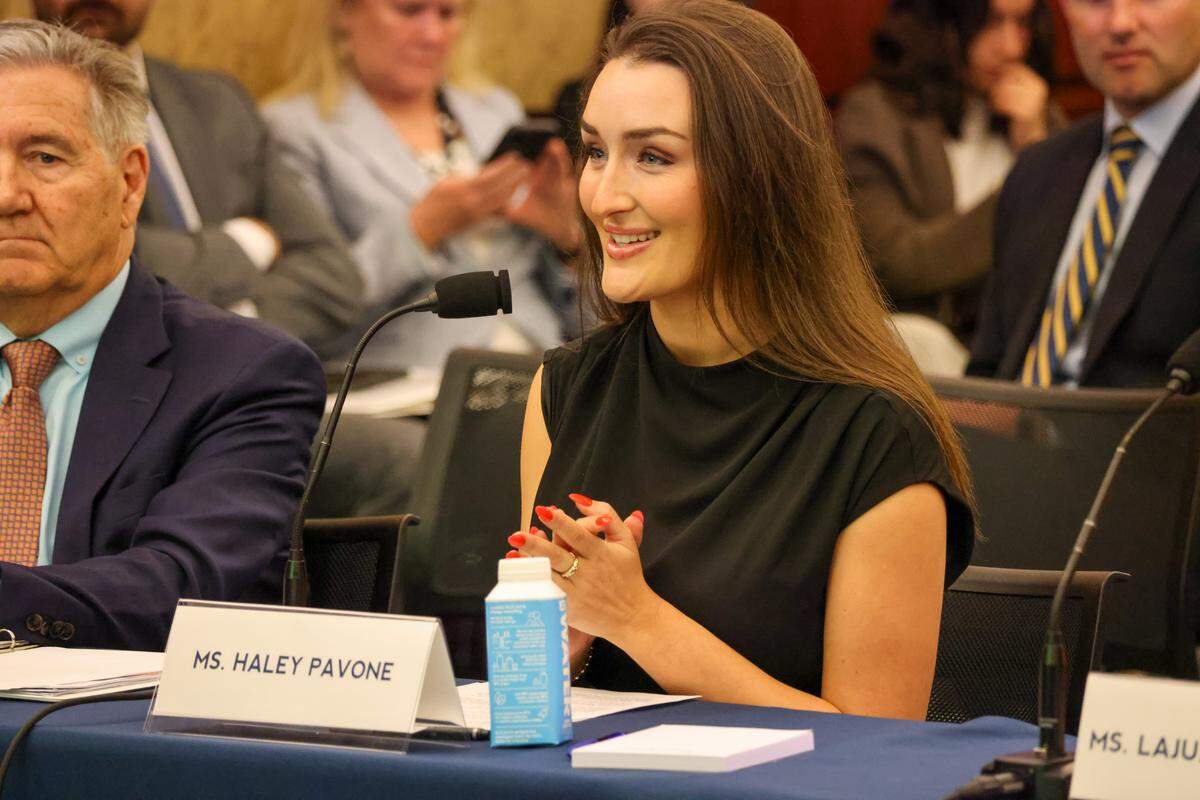
Though the situation has far from resolved, Pavone said testifying in Congress was “a very empowering experience” at a time when she felt far from it.
“I found a lot of peace in it, because the hardest thing for me as a business owner in this tariff climate has been just feeling kind of out of control,” she told The Tribune after her testimony.
In the days following the hearing, Chinese import tariffs were reduced from 145% down to 30%. Whether her testimony had anything to do with that decision, Pavone doesn’t know, but it felt good to finally be heard, she said.
“That’s been the most disheartening piece about all this is,” she said. “I think I’m not alone in saying small business owners feel forgotten, and we feel like we’re being used like pawns or just collateral damage, like no one’s no one at the top is thinking about us.”
While she hasn’t heard anything directly, she hopes the hearing will result in a policy change that exempts small businesses like hers who are disproportionately affected by tariffs.
In her eyes, this shouldn’t be a controversial policy effort, even across polarized party lines.
“I really do think what’s going on with the tariffs is a much more bipartisan issue than people believe,” she said. “People on both sides know small businesses are the backbone of this economy, and people on both sides that understand economics know that these policies are not sustainable for small to mid-sized businesses, and so I think really both sides of the aisle are at least aligned that there needs to be change soon.”
No matter what happens in the near future with tariffs, though, the local business owner stressed the importance of shopping local to support small business in SLO County. According to Pavone, they are going to need it either way.
“Even if everything gets undone tomorrow, this is going to impact the business climate at least through the end of the year,” Pavone said. “There’s no way around it at this point.”