18-inch-long ‘sleepyhead’ creature found near Venezuela road. It’s a new species
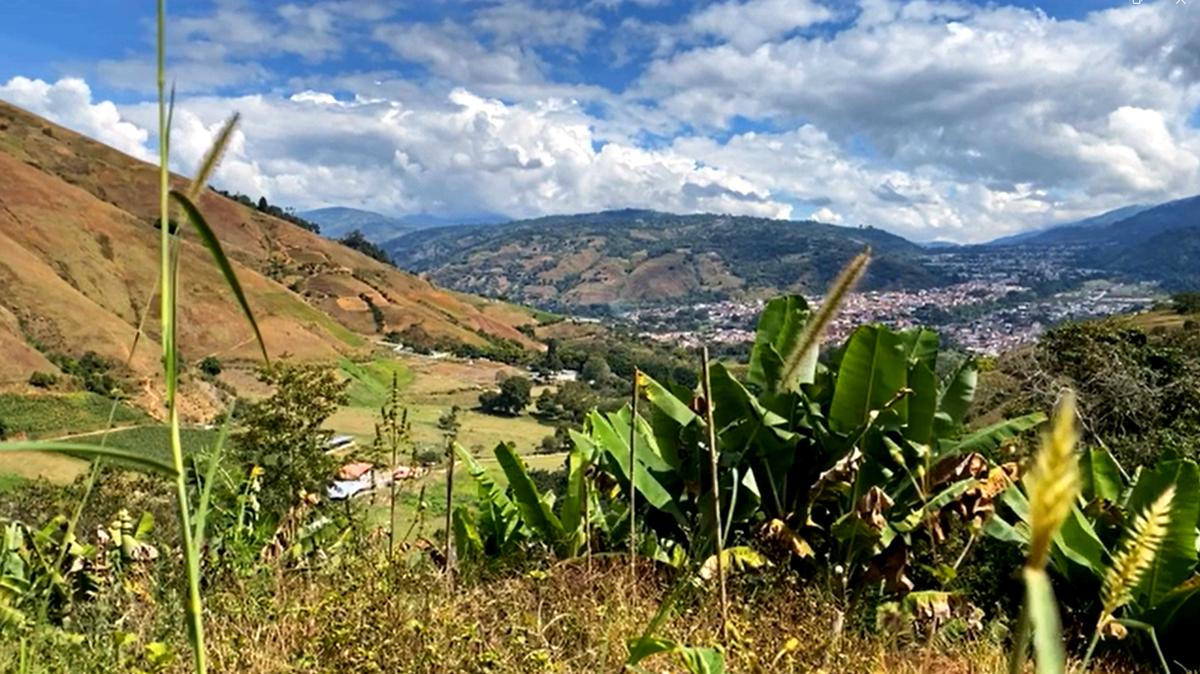
Near a winding mountain road in western Venezuela, an 18-inch-long creature tucked itself under a rock and waited. But its hiding spot wasn’t quite hidden enough.
Passing scientists found the “sleepyhead” — and discovered a new species.
A team of researchers visited dozens of sites in Venezuela in 2021 as part of a reptile biodiversity survey, according to a study published Aug. 1 in the peer-reviewed journal Organisms Diversity & Evolution.
While visiting Trujillo State, researchers found several unfamiliar-looking snakes lurking under rocks, the study said. Intrigued, they took a closer look at the animals, analyzed their DNA and realized they’d discovered a new species: Atractus nemosophis, or the pasture sleepyhead snake.

Pasture sleepyhead snakes can reach about 18 inches long, the study said. They have “elongated” snouts, “moderate”-sized eyes and “cream or grayish” tongues.
Photos show the varied coloring of the new species. Most snakes were “reddish or reddish brown,” while other snakes were “grayish brown” with “small dark spots” and a few snakes were uniformly “grayish brown,” researchers said.

Regardless of their coloring, all pasture sleepyhead snakes had “a black horseshoe-shaped spot” on their bellies, the study said.
Pasture sleepyhead snakes live in mountain forests between elevations of 4,900 to 8,200 feet, researchers said. The snakes were often found near human-modified areas used for “activities such as agriculture and/or grasslands for high-altitude livestock farming.”
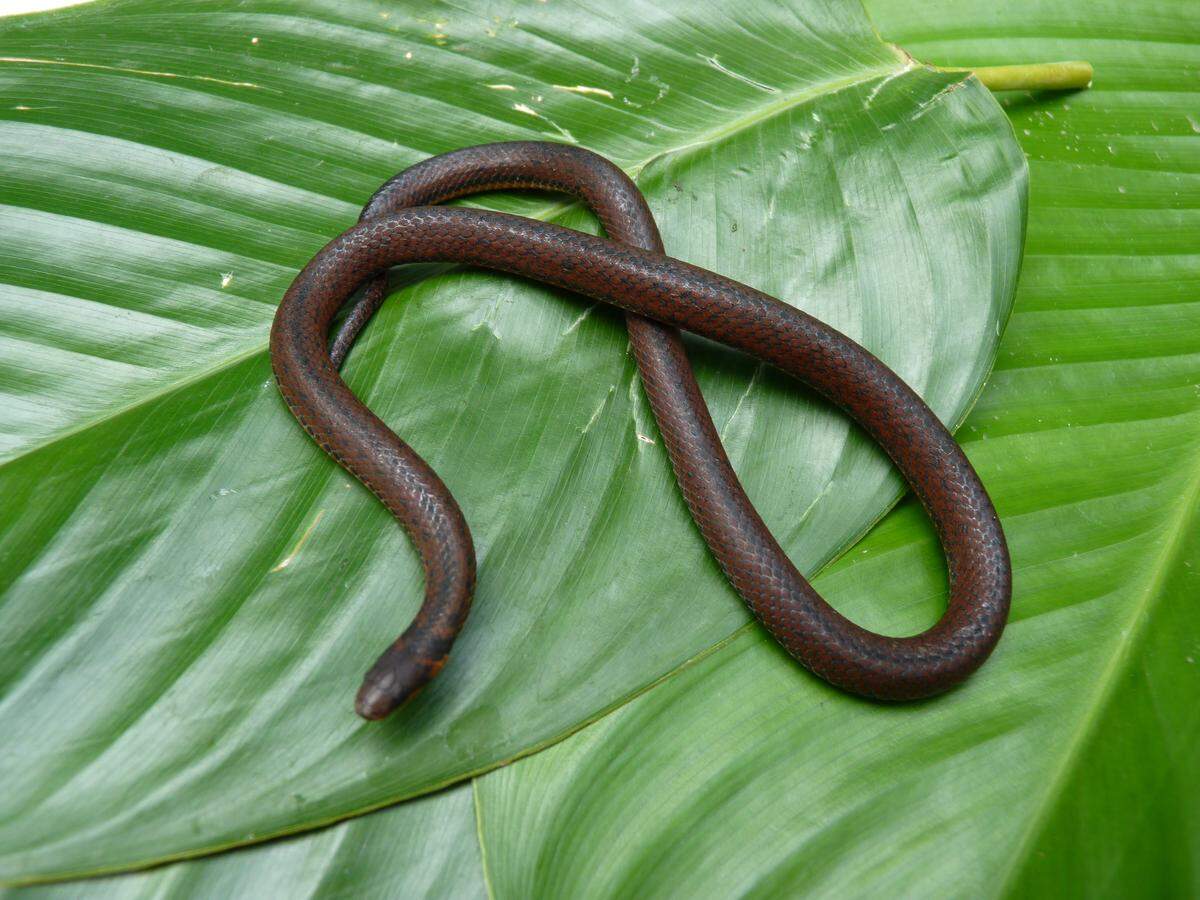
Like other sleepyhead snakes, the new species likely feeds exclusively on earthworms and is often motionless during the day, appearing “sleepy” to observers.
Researchers said they named the new species after “the Greek words ‘nemos,’ which means forest or wood with pasture for cattle, and ophis m., which means ‘snake,’” after “the place where it was found.”
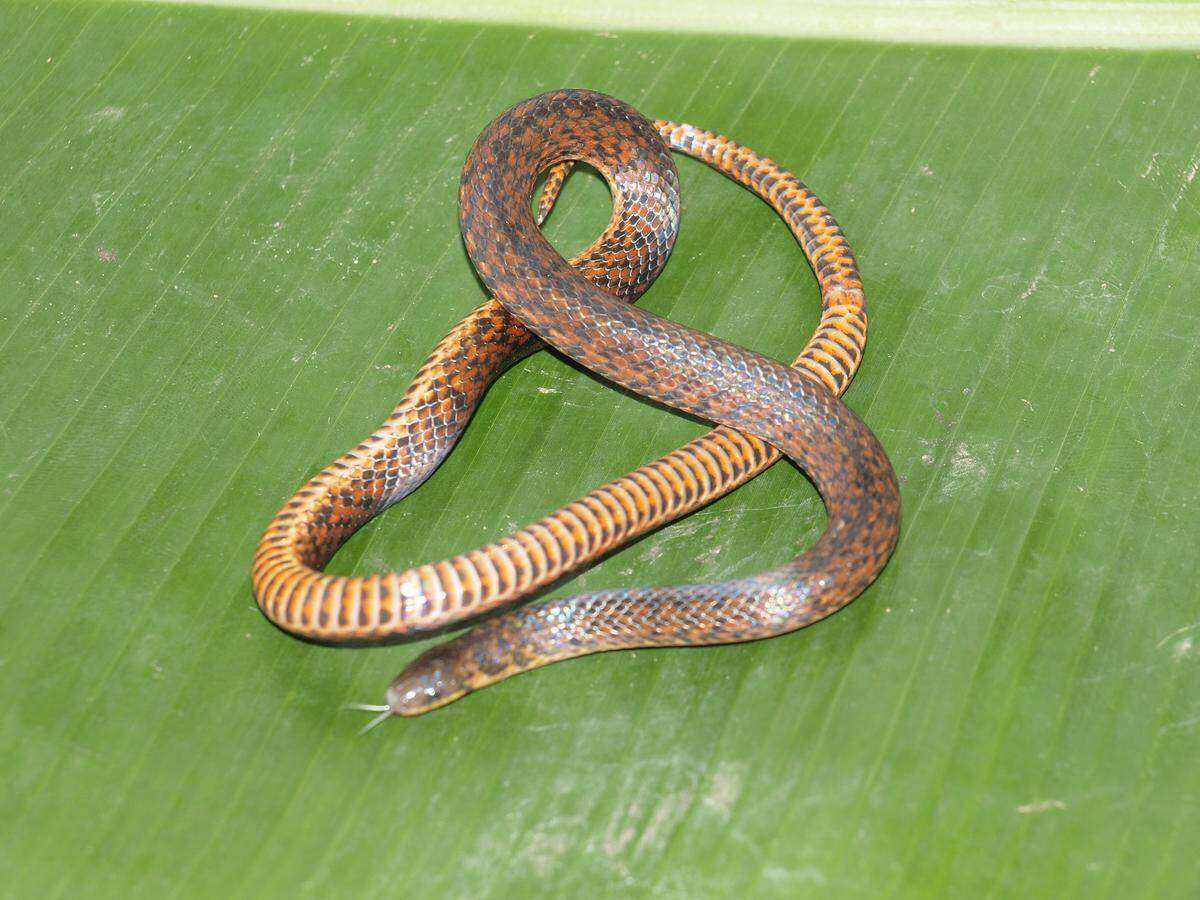
So far, pasture sleepyhead snakes have been found at four sites in Trujillo State, a region of western Venezuela. Based on its limited distribution and proximity to humans, researchers considered the new species to be vulnerable.
The new species was identified by its DNA, scale pattern, genitalia, stomach coloring and other subtle physical features, the study said.
The research team included Luis Felipe Esqueda, Fernando Rojas-Runjaic, Ana Prudente, Santos Bazó, Luis Fernando Navarrete, Edward Carmargo-Sillet, Juan Carlos Ortiz, Claudio Correa, Pablo Guerrero and Félix Urra.
The team also discovered a second new species of sleepyhead snake.
This story was originally published August 6, 2025 at 5:59 AM with the headline "18-inch-long ‘sleepyhead’ creature found near Venezuela road. It’s a new species."