
Trove of ancient whale bones discovered under melting Arctic glacier, photos show
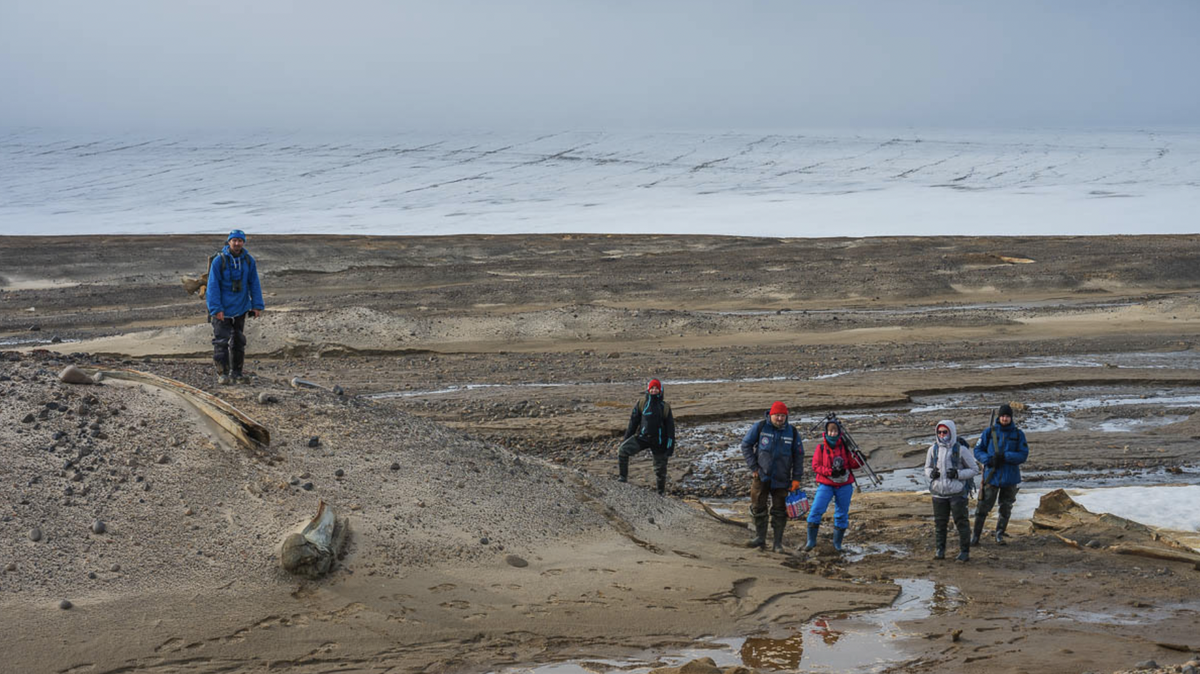
A trove of ancient whale bones was recently discovered beneath a melting Arctic glacier.
The centuries-old skeletal remains were found during an expedition on Wilczek Island, part of a Russian archipelago known as the Franz Josef Land, located about 550 miles from the North Pole.
Using satellite imagery, researchers with the the Arctic and Antarctic Research Institute (AARI) determined the island’s ice cap had split in half, revealing a large surface area measuring several square kilometers.
In this newly exposed area, whale bones were found strewn across the barren landscape.
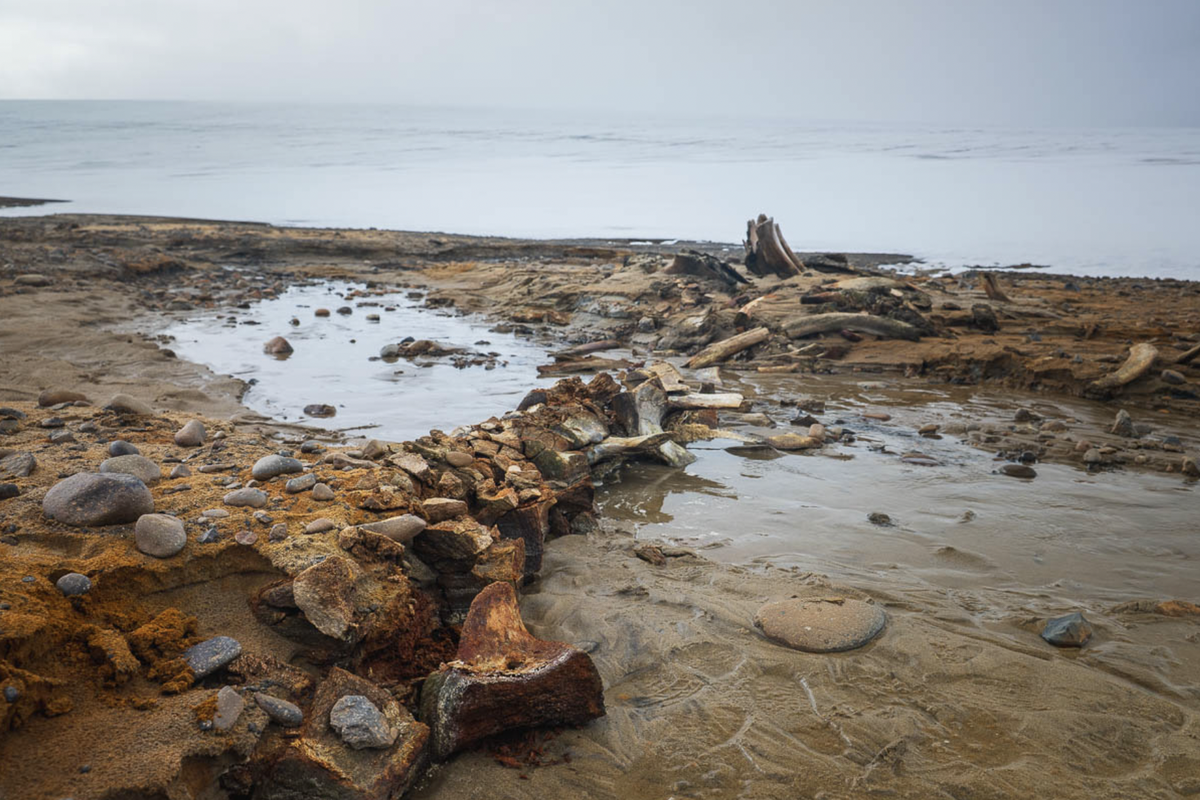
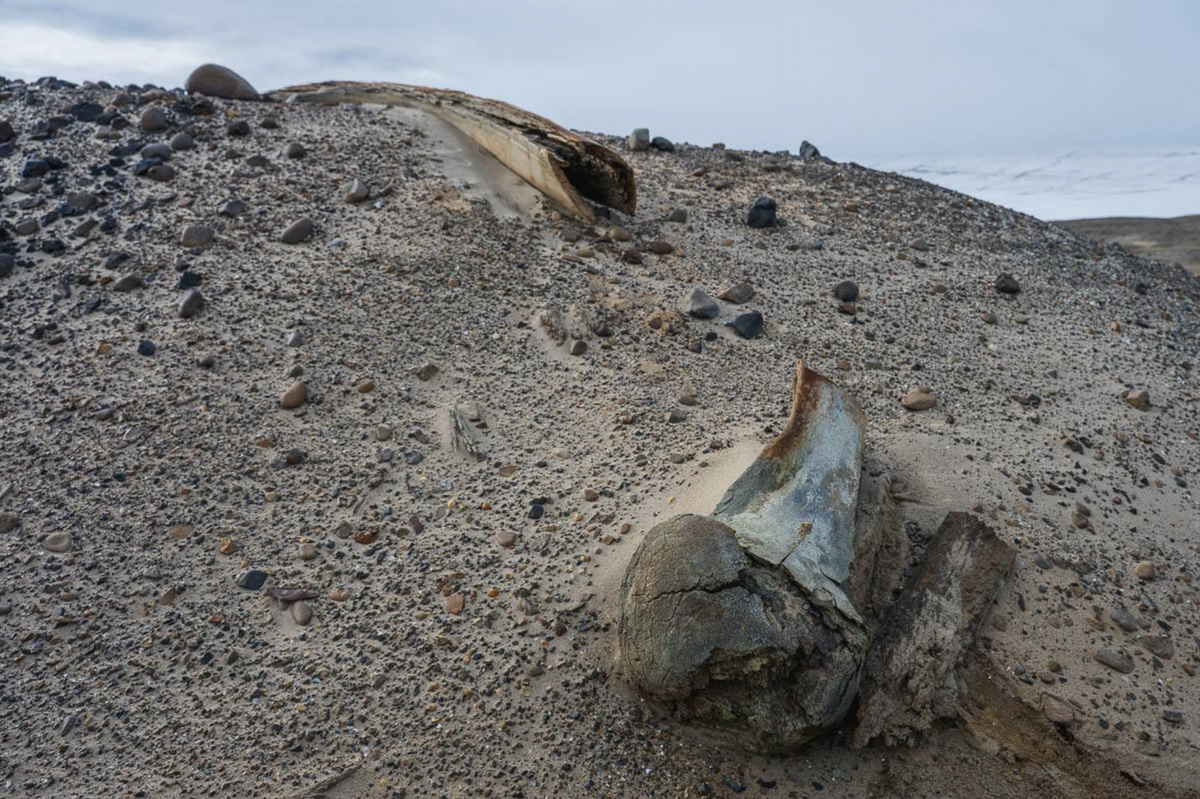
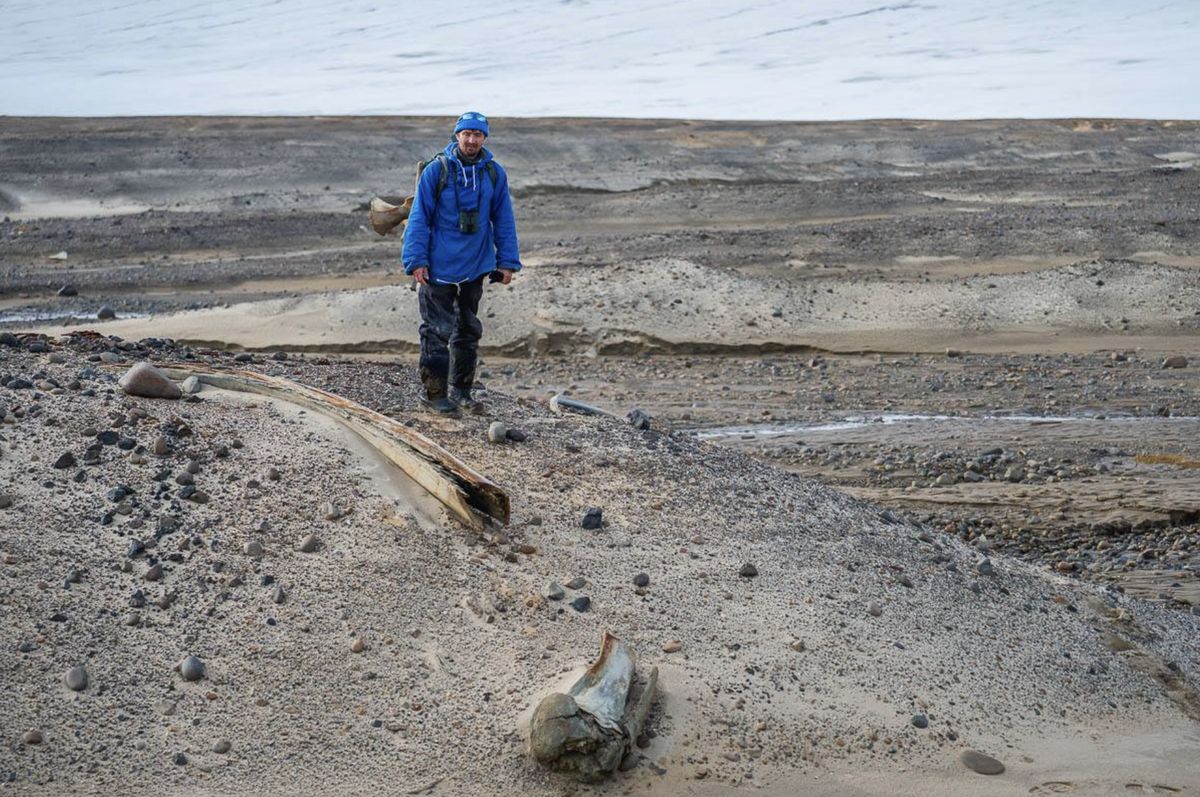
In photos, researchers can be seen posing with the cetacean remains, some of which appear to measure several feet in length. It’s not clear what species they belong to.
Some of the skeletons were well-preserved, particularly those nearest to the receding glacier, according to a news release July 21 from AARI, which describes itself as the world’s foremost research center for the study of the Earth’s poles.
The findings indicate a period of rapid sea level change that took place sometime in the last few thousand years.
Over the years, numerous biological remains and artifacts have been found as a result of melting glaciers and permafrosts, including Stone Age tools and well-preserved baby mammoth.
Google Translate was used to translate a news release from AARI.
This story was originally published July 24, 2025 at 3:09 PM with the headline "Trove of ancient whale bones discovered under melting Arctic glacier, photos show."