5,500-year-old ‘pyramids’ discovered during landscape work — in Central Europe
Constructed pyramids have long been thought of as one of the peaks of human engineering. Despite the structures standing for thousands of years, archaeologists are still working to learn how the ancient Egyptians or Mayans were able to build with such precision and ingenuity.
As the mystery continues, a different kind of pyramid has been unearthed for the first time, and not in Egypt or Mexico.
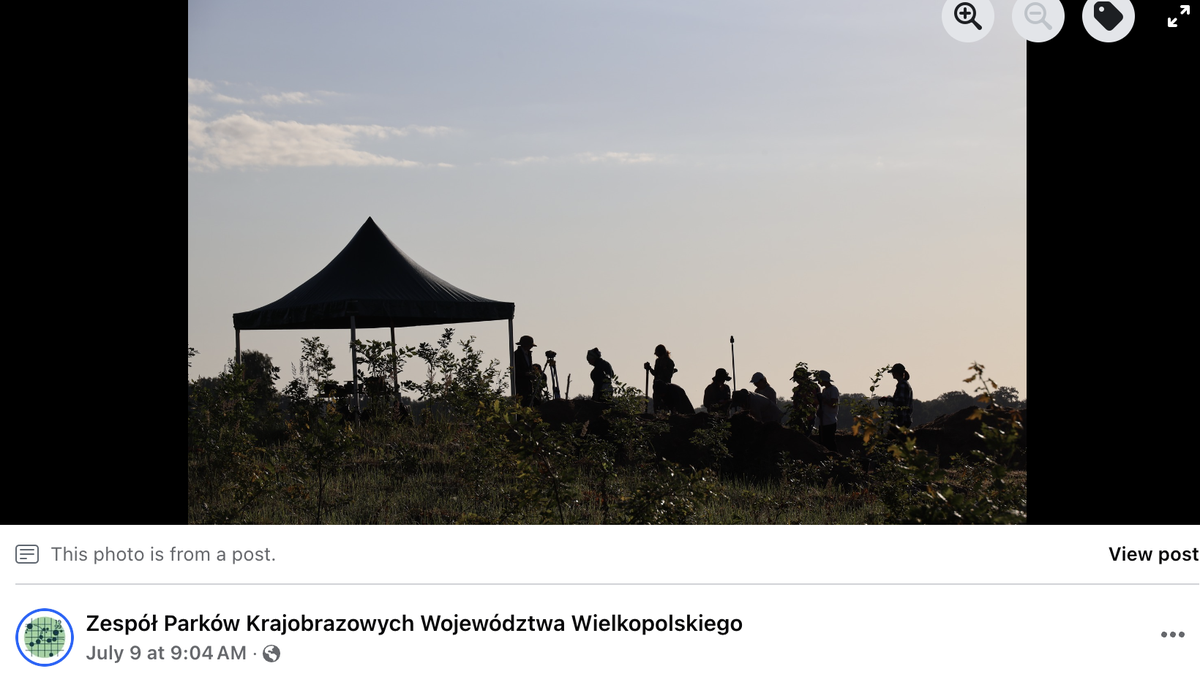
In a landscape park in western Poland, remote sensing equipment discovered long, triangular formations below the surface, according to a July 9 Facebook post from the Team of Landscape Parks of the Greater Poland Voivodeship.
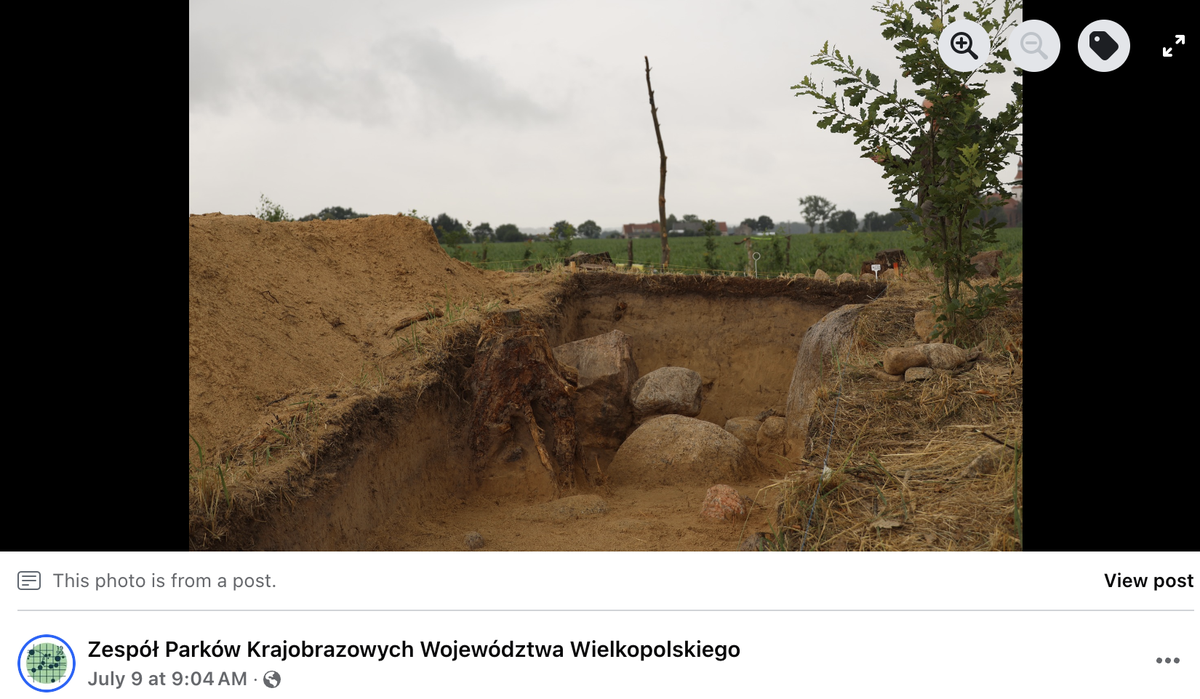
Archaeologists began work to excavate one of the structures, and found that it was an ancient megalithic tomb, officials told the Polish Press Agency (PAP), through the Ministry of Science and Higher Education.
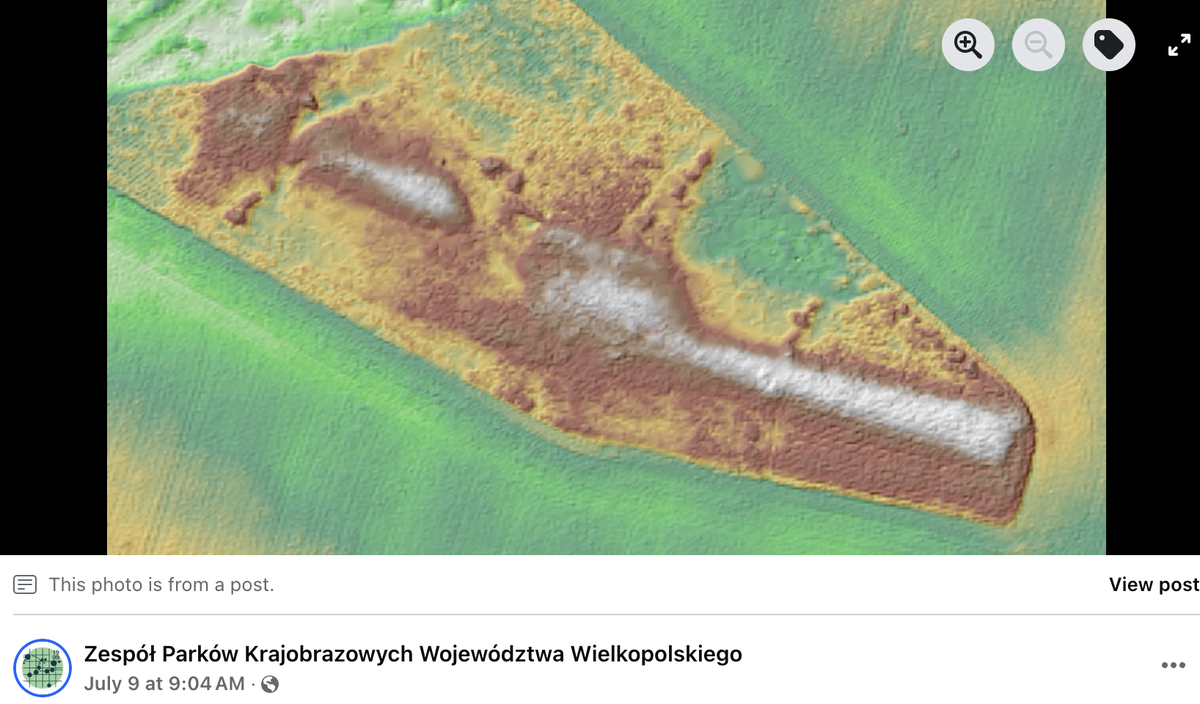
The tombs range in length from a few dozen feet to more than 650 feet, officials said, and were formed in an elongated triangle.
The “front” of the triangle is multiple feet wide and about 13 feet tall before narrowing as the triangle tapers into the embankment, according to the PAP.
The tombs were called Polish pyramids or the beds of giants, according to the Facebook post, and were created by members of the Funnel Beaker culture in the Stone Age.
The structures were dated to 5,500 years ago, officials said.
Funnel Beaker communities lived in the temperate regions of Europe and earned their names from bell-shaped beakers commonly decorated with toothed stamps made by the people, according to Britannica.
Funnel Beaker groups were typically pretty egalitarian, but the larger, megalithic tombs were created for important members of their community like a leader, a priest or a shaman, specialist Artur Golis told the PAP.
Each generation created their own megalith, Golis said, and would typically hold a single burial that would be surrounded by grave goods and sometimes covered in cobblestones.
Officials believe the human skeleton inside the tomb likely hasn’t survived, but goods like pottery or copper ornaments may still be buried inside, according to the PAP.
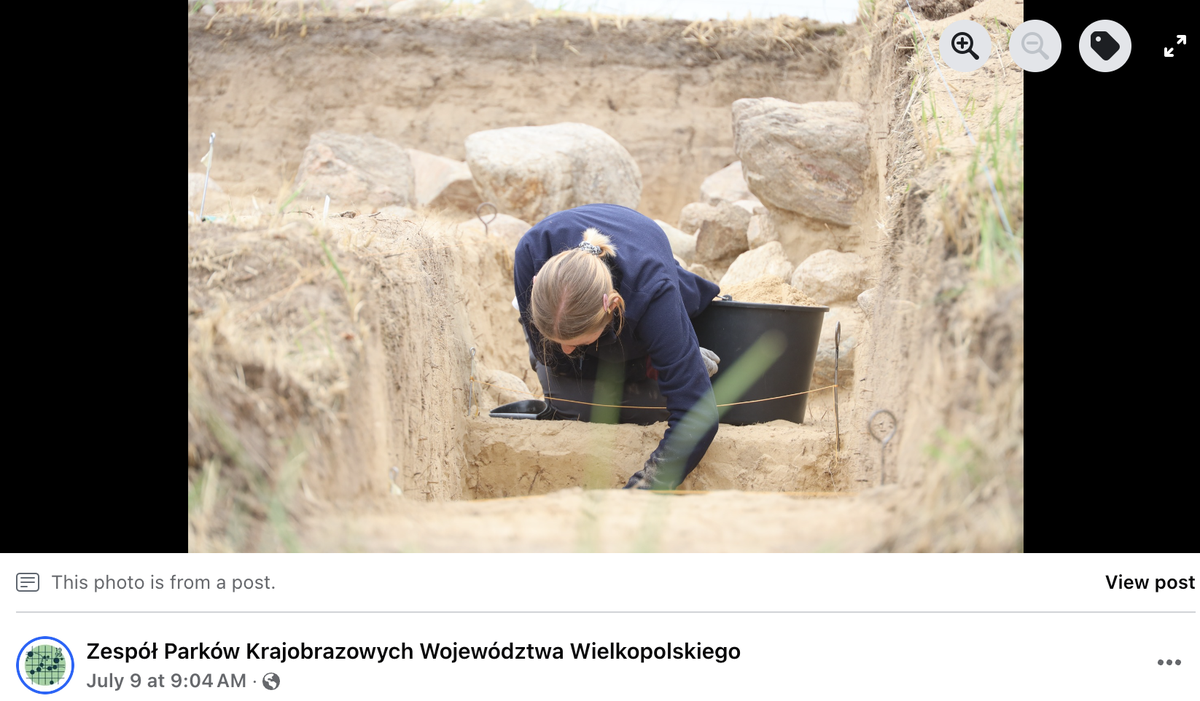
The remote sensing showed five promising formations underground, but only two have been examined more closely and only one excavated, officials said.
This is the second grouping of these kinds of pyramids to be discovered in Poland.
The site is located in Wyskoć, in west-central Poland.
Chat GPT, an AI chat bot, was used to translate the Facebook post from the Team of Landscape Parks of the Greater Poland Voivodeship. Google Translate was used to translate the news release from the Polish Press Agency.
This story was originally published July 14, 2025 at 10:28 AM with the headline "5,500-year-old ‘pyramids’ discovered during landscape work — in Central Europe."